
If you have ever hung a shelf, mirror, TV mount, or curtain rod on drywall, you already know the worry: will it stay up, or will it crash down later? That question matters because drywall is not solid wood or brick. It is a strong finish surface, but it needs the right support when you add weight.
The real answer to how much weight can drywall anchors hold is not one number. It depends on the anchor type, wall condition, screw size, installation quality, and whether the load pulls straight down or outward from the wall. A small plastic anchor may be fine for a light picture frame, while a heavy-duty toggle anchor can support much more.
This guide explains drywall anchor strength in simple terms. You will learn what affects holding power, which anchors work best for different jobs, common mistakes, and how to choose a safe option instead of guessing.
What drywall anchors actually do
Drywall is a soft gypsum board covered with paper. By itself, it does not hold screws well. If you drive a screw directly into drywall, it may grip for a short time, but it can loosen or tear out under weight.
Drywall anchors solve this problem by spreading force over a larger area or by gripping the back side of the wall. In simple terms, the anchor gives the screw something stronger to hold onto. Some anchors expand inside the wall. Others clamp against the back of the drywall. Some screw into the wall with threads like a large plastic plug.
That is why the anchor type matters so much. The same wall can hold a small lamp or a heavy shelf, but only if the hardware matches the load.
How much weight can drywall anchors hold?
The short answer is that drywall anchors can hold anywhere from 5 pounds to more than 100 pounds per anchor, depending on the type and the installation. Some lightweight plastic anchors are designed for small items. Heavy-duty metal anchors can support much more when used correctly.
Here is a practical way to think about it:
| Anchor type | Typical safe weight range per anchor | Best use |
|---|---|---|
| Plastic expansion anchor | 5–20 lb | Light frames, small decor |
| Self-drilling drywall anchor | 10–25 lb | Light shelves, towel bars |
| Threaded metal drywall anchor | 20–50 lb | Mirrors, medium wall items |
| Toggle bolt / toggle anchor | 25–100+ lb | Heavy shelves, TVs, large mirrors |
| Molly bolt | 20–50 lb | Cabinet light fixtures, brackets |
These numbers are useful, but they are not absolute. The real safe load can be lower if the drywall is old, damaged, wet, or thin. It can also be lower if the item pulls away from the wall, which creates leverage.
Important point: the weight rating printed on packaging is often based on ideal testing. In real homes, it is smart to use a safety margin. If an anchor says 50 pounds, do not treat it as a 50-pound limit for a high-risk item. For anything valuable or dangerous, use less than the maximum rating.
The biggest factors that change anchor strength
Two anchors that look the same can perform very differently. That is because holding power depends on more than just the hardware. A few hidden factors often decide whether the anchor works well or fails.
Drywall thickness
Most homes use 1/2-inch drywall, but some areas use 5/8-inch drywall for extra strength. Thicker drywall usually gives anchors better support. Thin or damaged drywall gives less.
If the drywall is soft, crumbling, or repaired with patch material, the anchor may not grip well. A good anchor cannot fully fix weak wall material.
Load direction
Weight straight down is easier to support than weight that pulls outward. A small picture frame creates very little stress. A shelf loaded with books creates both downward force and outward leverage. A towel bar may seem light, but repeated pulling can loosen anchors over time.
This is one of the most missed details. Many people judge weight only by pounds, but the shape of the load matters just as much.
Anchor type and quality
Cheap anchors often fail earlier than better-made ones. Metal toggle anchors usually hold much more than basic plastic ones. Also, some anchors are built for one-time installation and should not be reused. If you remove one and reinstall it in the same hole, the grip may be weaker.
How well the anchor is installed
An anchor only works if it is installed correctly. A hole that is too large, too small, crooked, or torn can weaken the grip. Over-tightening the screw can also damage the drywall or strip the anchor.
Many failures happen not because the anchor was wrong, but because the installation was rushed.
Age and condition of the wall
Older drywall can become brittle. Water damage makes it soft. Small cracks around the hole can grow when the anchor is loaded. If the wall feels weak when you press on it, treat it as a warning sign.
Which drywall anchor should you use?
The best anchor is the one that matches the item, not just the weight number. A light object that gets touched often may need a stronger anchor than its weight suggests. A decorative piece that never moves may be safe with less.
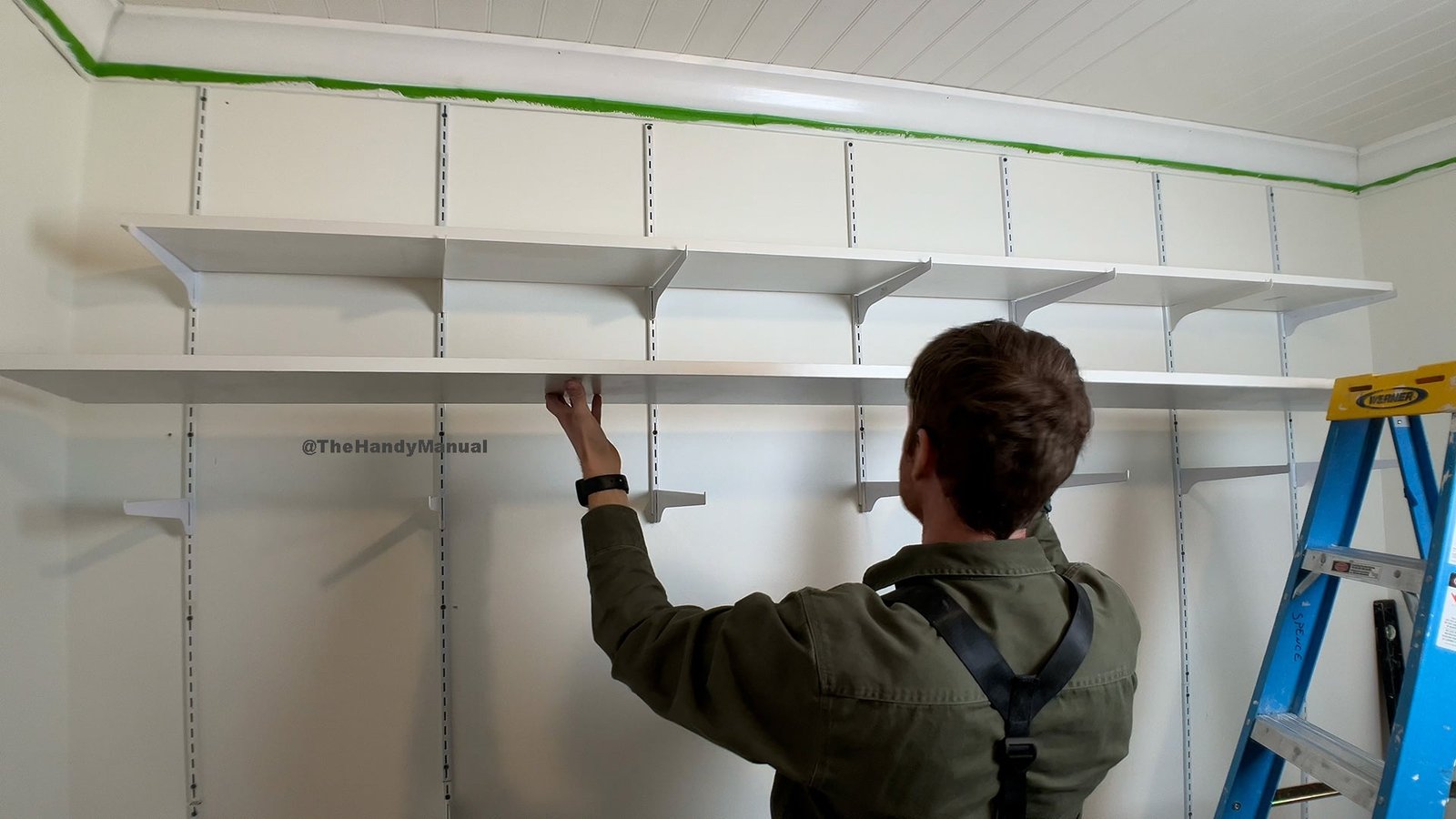
Credit: walabot.com
Light items: under 10 pounds
Use a simple plastic expansion anchor or a small self-drilling anchor. These work well for:
- Picture frames
- Small wall clocks
- Light decorations
- Small cable clips
For very light items, a stronger anchor is usually not necessary, but the screw must still fit correctly.
Medium items: 10 to 30 pounds
Choose a self-drilling anchor, threaded metal anchor, or a small molly bolt. These are better for:
- Towel bars
- Small mirrors
- Light shelves
- Bathroom accessories
This is the range where people often make mistakes. They use a light plastic anchor because it seems easier, then the item starts loosening after a few weeks.
Heavy items: over 30 pounds
Use toggle bolts, toggle anchors, or attach directly into a stud when possible. These are the safer choice for:
- Large mirrors
- Heavy shelves
- Wall-mounted TVs
- Cabinet hardware
If the item is valuable, heavy, or could injure someone if it falls, always choose the stronger option. A stud is usually better than any drywall anchor.
Drywall anchor types and how they work
Plastic expansion anchors
These are common and cheap. You drill a hole, insert the anchor, and drive a screw into it. The anchor expands a little and grips the drywall.
They are best for very light loads. Their weakness is simple: they rely mostly on the drywall material itself. If the load increases, the hole can widen and the anchor can slip.
Self-drilling drywall anchors
These anchors have a screw-like shape and often do not need a pilot hole. They cut into the drywall as you install them. Many people like them because they are quick and neat.
They usually hold more than basic plastic anchors, but they are still not the best choice for serious weight.
Molly bolts
Molly bolts expand behind the wall after installation. They create a firmer connection than simple plastic anchors and are useful for medium loads.
They are a good choice when you want a cleaner look and decent strength, but they still have limits for very heavy items.
Toggle bolts and toggle anchors
These are among the strongest drywall anchors. A spring-loaded or winged piece opens behind the wall and spreads the load across a larger area. That makes them excellent for heavy items.
One less obvious advantage: toggle anchors often perform better on older drywall because they do not depend as much on the front edge of the hole alone. They spread force across the back side too.
Adhesive-backed solutions
Not all wall items need anchors at all. For very light objects, adhesive strips may work well. But these are not the answer for real weight. Heat, humidity, paint type, and dust can reduce performance.
Do not use adhesive products as a replacement for a real anchor when the item is heavy or important.
How to choose the right anchor safely
A safe choice starts with the item itself. Do not look only at the box weight. Think about how the item is used, how often it moves, and what happens if it falls.
- Estimate the full weight. Include the object, brackets, shelves, and anything that will sit on it later.
- Check the load direction. If the item pulls outward, choose a stronger anchor.
- Look at the wall condition. Old or damaged drywall should lower your expectations.
- Find a stud if possible. A stud gives much better support than drywall alone.
- Add a safety margin. Choose an anchor rated well above the actual load.
Here is a simple rule that helps beginners: if you are unsure, move up one strength level. The cost difference is small compared with the damage from a failed wall mount.
Common mistakes that make anchors fail
Many anchor failures come from avoidable errors. If you know these mistakes, you can prevent most problems before they start.
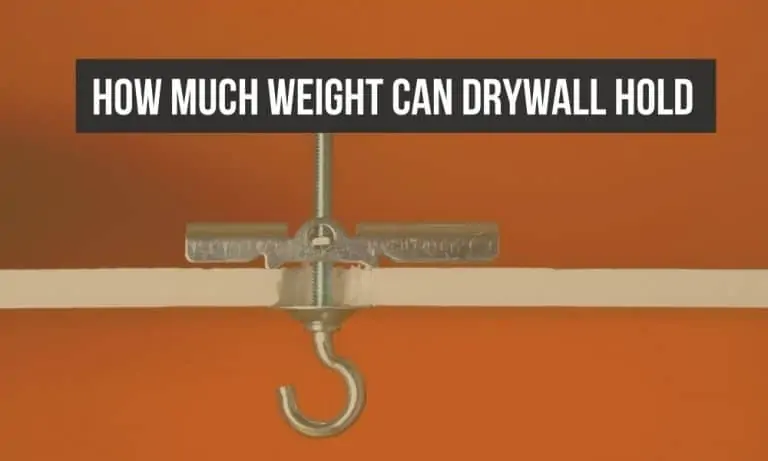
Credit: mountyourbox.com
Using the wrong anchor for the job
A small plastic anchor is not a good choice for a heavy mirror. It may hold at first, but it is not built for that kind of load.
Drilling the wrong size hole
If the hole is too large, the anchor will not grip. If it is too small, the anchor may deform or damage the wall as you force it in.
Over-tightening the screw
This is a common beginner mistake. Tightening too much can strip the anchor or crush the drywall around it. Stop when the item feels secure.
Ignoring leverage
An object that sticks far from the wall creates more stress than a flat object of the same weight. This is why shelves need stronger anchors than framed art.
Using only drywall when a stud is available
Sometimes the best solution is simply to move the fastener a few inches and catch a stud. Many people skip this step because it takes more time, but it is often the safest choice.
How to install drywall anchors the right way
The exact steps depend on the anchor type, but the basic process is similar. A careful install often matters more than the brand.
- Mark the spot clearly. Measure twice so the item will sit level.
- Check for studs or wires. Use a stud finder if the item is important or heavy.
- Drill the correct hole. Follow the anchor package size exactly.
- Insert the anchor fully. It should sit flush or nearly flush with the wall.
- Set the screw carefully. Tighten until firm, but do not crush the wall.
- Test gently first. Apply light pressure before loading the item fully.
If the anchor spins in the hole, the hole is probably too large or the drywall is damaged. In that case, do not trust it. Move to a new spot or use a stronger anchor.
Weight ratings are not the whole story
One of the most useful things to understand is that anchor ratings are not the same as real-world safety. A package might say 75 pounds, but that does not mean you should hang a 75-pound object with zero concern.
Two non-obvious points matter here:
First, weight is often shared across several anchors. A shelf bracket with two anchors does not always mean each anchor carries half the load. Uneven loading can put much more stress on one side.
Second, movement weakens anchors over time. A towel bar, swinging mirror, or shelf that gets bumped every day can loosen even if the item is not very heavy.
For this reason, the safest choice is often a stronger anchor than the minimum required.
When you should not use drywall anchors at all
Some situations call for a different solution. Drywall anchors are useful, but they are not magic.
Avoid relying on drywall anchors alone when:
- The item is very heavy, such as a large cabinet
- The object may hurt someone if it falls
- The wall is damaged, soft, or damp
- The object will be pulled on often
- You can easily attach to a stud instead
For a wall-mounted TV, large storage shelf, or heavy bathroom fixture, fastening into studs is usually the safer option. If you need more certainty, you can also check manufacturer guidance or use a trusted reference such as Family Handyman for hardware and home project advice.
Simple safety rules for everyday use
You do not need to be a contractor to make a safe choice. A few basic rules can prevent most mistakes.
- Use the strongest anchor that makes sense for the item.
- Choose stud mounting when the load is heavy or valuable.
- Do not trust old holes without checking their condition.
- Use multiple anchors for long items to spread weight.
- Keep some margin between the item weight and the anchor limit.
If you follow those rules, you reduce the risk of failure a lot.
Practical examples of anchor choice
It helps to see how this works in real life.
Example 1: A 3-pound framed photo. A small plastic anchor is usually fine, or even a picture hook if the wall is suitable.
Example 2: A 12-pound bathroom mirror. A self-drilling anchor or threaded metal anchor is a better choice than basic plastic.
Example 3: A 35-pound shelf with books. Use toggle bolts or attach the brackets into studs if possible.
Example 4: A wall-mounted TV. Even if the mount spreads weight across several fasteners, stud attachment is strongly preferred.
These examples show a useful pattern: the higher the risk, the less you should rely on drywall alone.

Credit: walabot.com
Final thoughts on strength and safety
So, how much weight can drywall anchors hold? Enough for many home tasks, but only when you match the anchor to the item and install it correctly. Light anchors are good for light decor. Medium anchors work for daily-use items. Heavy-duty toggles and stud mounting are the right choice for larger or more important loads.
The safest approach is not to chase the highest number. It is to understand the wall, the item, and the force on the fastener. That is what keeps shelves up, mirrors stable, and your home safe.
When in doubt, choose the stronger anchor, use more than one support point, and prefer a stud whenever you can. That simple habit can save you from damage, stress, and costly repairs later.
FAQs
1. How much weight can drywall anchors hold on average?
Drywall anchors can usually hold from 5 pounds to more than 100 pounds per anchor, depending on the type. Small plastic anchors hold the least, while toggle bolts hold the most. Real-world strength is often lower than the package rating, so it is smart to leave extra safety room.
2. Can drywall anchors hold a TV?
For a TV mount, drywall anchors alone are usually not the best choice. Most safe TV installations should go into wall studs. Heavy-duty anchors may help in special cases, but stud mounting is far more reliable for this kind of load.
3. What is the strongest drywall anchor?
Toggle bolts and toggle anchors are among the strongest options for drywall. They spread the load behind the wall and can support much more weight than simple plastic anchors. They are a strong choice for heavy shelves, large mirrors, and similar items.
4. Why did my drywall anchor pull out?
An anchor can pull out if the hole was too large, the drywall was weak, the item was too heavy, or the screw was over-tightened. It can also happen if the load had too much leverage, such as on a shelf that sticks far from the wall.
5. Should I use one anchor or two?
Two anchors are often better than one because they spread the load. That said, two weak anchors are not always enough for a heavy object. The type of anchor, wall condition, and load direction still matter. For heavy items, use strong anchors and, when possible, fasten into studs.
