
If you have a hole in drywall, the first question is usually not how to repair it. It is how much does it cost to fix hole in drywall and whether the repair is worth doing now. The answer depends on the hole size, where it is located, and whether you hire a handyman, drywall contractor, or do it yourself.
Small damage can be cheap. Bigger damage can cost much more, especially if the wall needs paint, texture matching, or extra patching. In many homes, the real cost is not just the patch itself. It is the labor, the finishing work, and the repainting that make the bill rise.
This guide explains average drywall repair prices in simple terms. You will learn what affects the cost, what different hole sizes usually cost to fix, and how to avoid paying too much for a job that should be straightforward.
Average drywall repair costs at a glance
The cost to repair drywall varies a lot, but most homeowners pay somewhere between $75 and $450 for a common hole repair. Small nail holes cost very little. Large holes, water damage, or repairs in hard-to-reach places can cost several hundred dollars or more.
Here is a simple look at typical price ranges.
| Type of drywall damage | Typical repair cost | What it usually includes |
|---|---|---|
| Small nail holes or dents | $50–$100 | Basic filler, sanding, small touch-up |
| Small holes up to 4 inches | $75–$150 | Patching compound, mesh or patch kit, finish work |
| Medium holes 4 to 12 inches | $150–$300 | Drywall patch, joint compound, sanding, blending |
| Large holes over 12 inches | $300–$700+ | Drywall replacement, framing support if needed, finishing |
| Ceiling holes or water-damaged areas | $200–$1,000+ | More labor, matching texture, possible moisture repair |
These are average ranges, not fixed prices. Your local labor rates can change the final bill a lot. In many cities, a pro may charge a minimum service fee, even for a tiny repair.
What changes the price most
Not every hole is treated the same. Two repairs that look similar at first can cost very different amounts once a contractor inspects them. The main reason is that drywall repair is partly a patch job and partly a finish job.
1. Hole size
Size is the biggest factor. A small dent can be filled in minutes. A large hole may need a new drywall piece, screws, tape, several layers of joint compound, drying time, and sanding. The larger the hole, the more steps involved.
A good rule is simple: the repair gets more expensive when the damage goes beyond surface filler. Once the damage breaks the drywall paper or exposes the wall cavity, the job becomes more technical.
2. Wall location
Repairs in open wall areas are easier. Repairs near corners, outlets, windows, baseboards, or ceilings take more time. A wall with furniture, trim, or tight access may also cost more because the worker needs to protect the area and work carefully.
Ceilings are often more expensive than walls. Working overhead is slower, messier, and harder to finish smoothly. If the damage is in a stairwell or tall space, the price may rise again because of ladder work.
3. Texture matching
Many walls are not flat and smooth. They may have orange peel, knockdown, or another texture. Matching texture is one of the most underrated cost factors. A simple patch can look obvious if the texture is off, so the repair may need extra finishing time.
This is one of the details homeowners often miss. A repair may look cheap before painting, but if the wall texture must be matched well, the labor cost can rise quickly.
4. Paint and repainting
Some contractors include paint touch-up. Others do not. If the wall or ceiling needs repainting after the patch, the total cost increases. In many cases, painting a small area is not enough because the new paint may not blend with the old paint.
If the original paint is faded or old, you may need to paint the entire wall or even the room section for a clean look. That can add much more than the drywall patch itself.
5. Whether there is hidden damage
What looks like a hole may also hide more serious problems. For example, moisture can weaken drywall around the damaged spot. A door impact may crack studs or loosen the wall behind the board. Pest damage can also spread beyond what you first see.
This is the second thing many beginners miss: drywall repair is often cheap only when the damage is isolated. If the contractor finds mold, water, or structural trouble, the bill can grow fast.
Typical repair costs by hole size
It helps to think about drywall repair in size groups. This makes it easier to estimate your cost before calling for quotes.

Credit: reddit.com
Small holes and dents
Small holes usually come from nails, screws, wall anchors, or minor dings from furniture. These are the cheapest to fix. A handyman can often fill, sand, and touch up a small area in less than an hour.
Typical cost: $50 to $100
If you are doing it yourself, the cost can be under $20 for spackle, sandpaper, and a putty knife. But if you want a clean professional finish, especially on a visible wall, hiring help may be worth it.
Small to medium holes
Holes in this range are usually caused by doorknobs, accidents, or removed hardware. These often require a patch instead of just filler. A mesh patch or a cut piece of drywall may be needed.
Typical cost: $75 to $150
This range is common for repairs that are simple but still need more than surface compound. If painting is included, the price may move higher.
Medium holes
When the hole is large enough that you can fit your hand through it, the repair becomes more involved. The damaged section may need to be cut into a square or rectangle, backed with wood, and fitted with new drywall.
Typical cost: $150 to $300
These repairs are common after moving furniture, indoor accidents, or kids damaging the wall. They are still manageable, but they take more skill to finish well.
Large holes
Large holes often need a full drywall section replacement. The worker may have to cut out a bigger damaged area to make the repair clean and strong. More mud, more sanding, and more drying time are usually involved.
Typical cost: $300 to $700 or more
If the damage reaches framing or requires repainting a large section, the price can go even higher.
Ceiling holes
Ceiling repairs usually cost more than wall repairs of the same size. Gravity makes the job harder, and matching the ceiling texture is often tricky. Small ceiling damage may still be affordable, but larger repairs can become expensive fast.
Typical cost: $200 to $1,000+
If the ceiling damage came from a leak, the water source must be fixed first. Otherwise, the repair may fail again.
Handyman, drywall pro, or DIY: which is cheaper?
The cheapest option is usually DIY, but that does not always mean the best result. The right choice depends on the size of the hole, your skill level, and how visible the wall is.
DIY repair
DIY works well for nail holes, tiny dents, and very small wall damage. A patch kit, spackle, sandpaper, and paint can cost little. If you already have tools at home, the total may be very low.
Best for: tiny damage, low-visibility areas, budget repairs
Main risk: uneven finish, poor texture match, paint mismatch, and visible patches
DIY is less safe for medium or large holes. Many people underestimate drying time, sanding skill, and paint blending. A patch that looks fine before painting may stand out badly after paint dries.
Handyman repair
A handyman is often the middle ground. This is a good choice for small to medium holes where the work is not structural. The price is often lower than a specialist drywall contractor, but quality can still be good if the person has real experience.
Best for: small and medium holes, simple patching, fast service
Main risk: uneven skill levels from one provider to another
Drywall contractor
A drywall contractor is usually the best choice for larger holes, repeated damage, ceiling work, or repairs that need a perfect finish. The labor cost may be higher, but the result is often better, especially when texture and paint must match closely.
Best for: large holes, complex repairs, ceilings, damaged corners, matching texture
Main risk: higher minimum charges for small jobs
Extra costs people often forget
Many homeowners ask for a price to patch the hole, then get surprised by the final bill. That happens because the visible repair is only part of the job. These extra items can change the total a lot.
Inspection or service minimums
Some contractors have a minimum charge just to come out. Even if the job takes 20 minutes, the price may still start at a set amount. This is common in busy areas.
Trip fees
If the contractor has to travel far, a trip fee may be added. This is more likely for small jobs that do not take long enough to cover travel time.
Paint matching
Matching old paint is harder than it sounds. Even with the same color name, the wall may not match because of age, fading, and light exposure. Sometimes the only clean solution is repainting a larger section.
For general repair standards and product guidance, the Family Handyman site is a useful reference for homeowners who want to understand repair methods before hiring help.
Texture work
If your wall has texture, matching it properly may add time and material cost. This is especially true for older homes where the original finish is hard to copy exactly.
Cleanup and prep
Some pros include cleanup. Others charge extra if furniture must be moved, floors protected, or dust heavily contained. Drywall dust spreads easily, so prep matters more than many people expect.
When a hole is more than a drywall issue
Not every damaged wall section is a simple patch job. Sometimes the drywall is only the visible part of the problem.
Credit: bobvila.com
Water damage
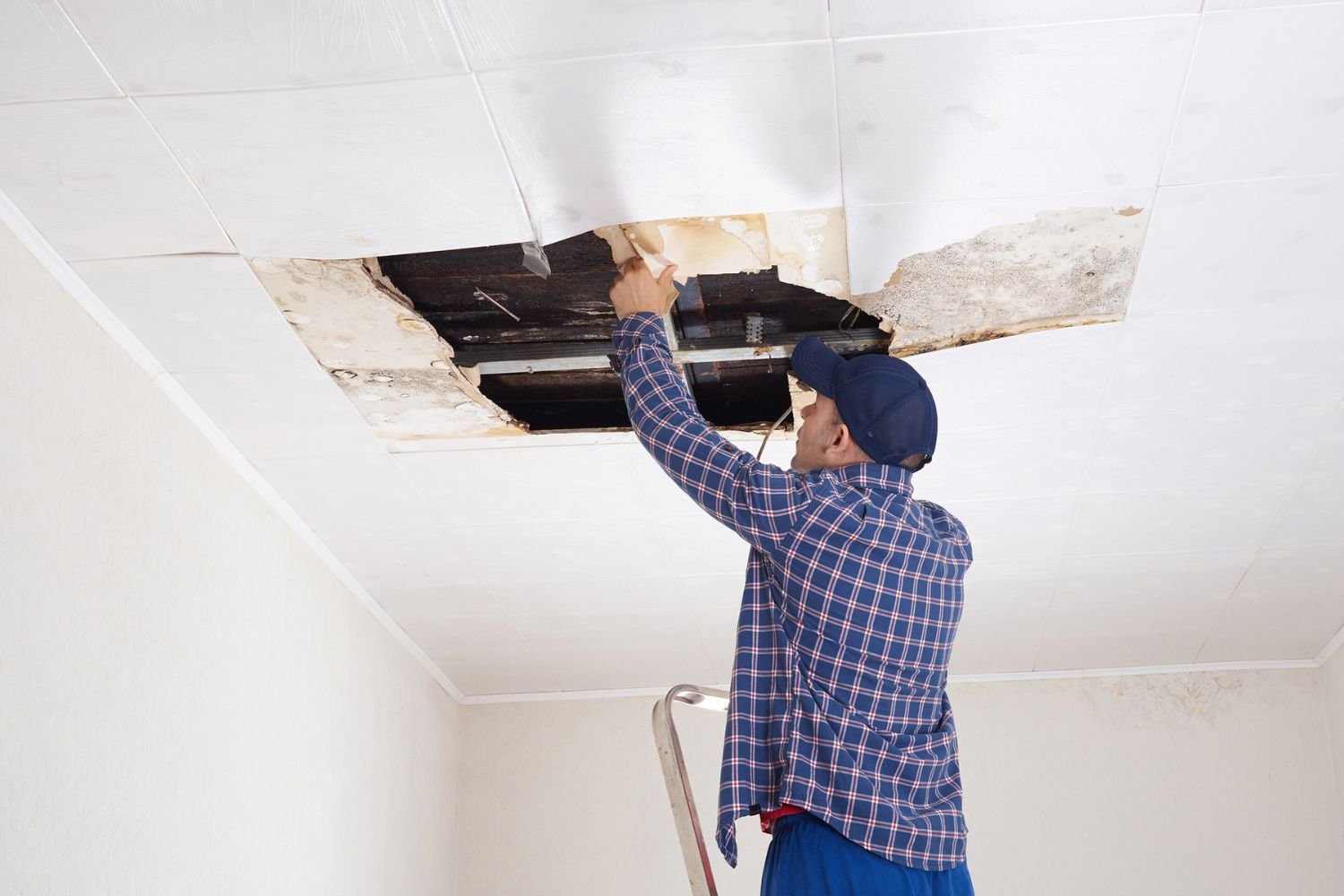
If the hole came from a leak, the drywall may be soft, swollen, or moldy behind the surface. In that case, a patch alone is not enough. The leak must be fixed first, and damaged material may need full replacement.
Electrical or plumbing issues
If the hole is near wires, outlets, pipes, or plumbing fixtures, the repair may need extra care. A contractor may need to open a wider area to confirm that nothing behind the wall is damaged.
Structural cracks
Sometimes the wall is cracking because of movement in the home, not because of a simple impact. If the crack keeps returning, the repair may fail unless the root cause is solved.
This is a smart place to pause before choosing the cheapest fix. A low repair price is not a bargain if the damage returns in a few months.
How to get a fair drywall repair quote
If you want a fair price, ask clear questions before the work starts. A good quote should explain what is included and what is not. This helps you compare offers without guessing.
Ask what the quote covers
Find out if the price includes patching, sanding, texture matching, priming, painting, and cleanup. A low quote may only cover the basic repair, not the finish work.
Send photos before booking
Photos help contractors estimate more accurately. Take wide shots and close-up shots. Include a ruler or coin next to the hole if possible so the size is clear.
Get at least two or three quotes
For larger repairs, comparing quotes is smart. Prices can vary because of labor rates, time estimates, and the contractor’s minimum charge. One quote may be high because it includes paint and another may not.
Watch for very low bids
The lowest quote is not always the best choice. If the price is far below others, the worker may rush the job or skip important finish steps. That can leave a visible patch or a repair that cracks later.
Ways to lower drywall repair costs
You do not always need to spend a lot to fix a hole in drywall. A few smart choices can keep the price under control.
- Fix small damage early. A tiny hole is cheaper to repair than a larger one that keeps growing.
- Bundle multiple repairs. If you have more than one wall issue, ask for one visit instead of several separate trips.
- Do the prep yourself. Moving furniture and clearing the area can save labor time.
- Use DIY only for very small holes. This keeps costs down without risking a bad finish on larger damage.
- Match the repair to the room value. A hidden hallway wall does not always need the same finish level as a main living room wall.
One helpful insight many homeowners miss is that timing matters. If you wait too long, a small drywall problem can become a bigger one. A loose dent can crack, a small hole can expand, and a leak can destroy a much larger section of wall.
What a drywall repair bill may look like in real life
To make pricing easier to understand, here are a few common examples.
Credit: protoolreviews.com
Example 1: Small hole behind a door
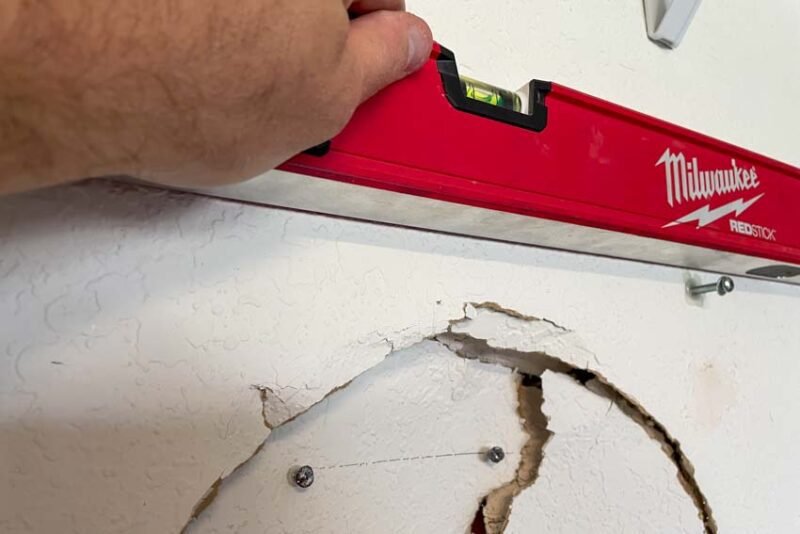
A bedroom wall has a 2-inch hole from a doorknob. The repair is simple: patch, sand, and touch-up paint. A handyman may charge around $80 to $120.
Example 2: Medium hole in the hallway
A child pushed a toy through the wall, leaving a 6-inch hole. The repair needs a patch, compound, sanding, and paint blending. The cost may be $150 to $250.
Example 3: Ceiling damage from a leak
A bathroom leak caused a stained, soft ceiling area with a hole in the drywall. After fixing the leak, the ceiling section needs replacement and repainting. The total may be $400 to $900 or more.
These examples show why the question how much does it cost to fix hole in drywall does not have one exact answer. The true price depends on the full repair process, not just the visible hole.
Final thoughts on drywall repair pricing
In most homes, drywall hole repair is not expensive when the damage is small and dry. But the price can rise fast when the hole is large, the texture is hard to match, or paint work is included. That is why the best first step is to measure the damage, check for hidden problems, and decide whether a simple patch is enough.
If you want the lowest cost, fix small damage early and handle tiny nail holes yourself. If the hole is bigger, visible, or near a ceiling or water source, a pro is often worth the money. A clean drywall repair should disappear into the wall, not call attention to itself.
FAQs
1. How much does it cost to fix hole in drywall for a small repair?
Small drywall holes usually cost between $50 and $100 to repair. If you do it yourself, the material cost can be much lower, but the finish may not look as clean as a pro job.
2. Why is drywall repair so expensive sometimes?
The price goes up when the hole is large, the wall has texture, or the area needs repainting. Labor, cleanup, and hidden damage can also raise the total cost.
3. Can a handyman fix drywall holes?
Yes, a handyman can often handle small and medium drywall holes. For large damage, ceiling repairs, or water damage, a drywall contractor is usually the better choice.
4. Does drywall repair include painting?
Not always. Some contractors include touch-up paint, while others charge extra. In many cases, matching old wall paint may require painting a larger area.
5. Is it cheaper to patch drywall or replace it?
Patching is usually cheaper for small to medium holes. Full replacement costs more, but it may be necessary if the damage is large, soft, moldy, or near water damage.
