
If you are planning a basement remodel, one of the first questions is simple: how much does it cost to drywall basements? The short answer is that it depends on size, wall condition, moisture control, labor rates, and the type of finish you want. In 2026, a basic basement drywall job can still be affordable, but the total can rise fast if your basement needs framing, insulation, repairs, or special moisture-resistant materials.
Drywall changes a basement from a cold storage area into a real living space. It makes the room brighter, warmer, and easier to finish. But basement walls are not the same as above-ground walls. Concrete, uneven surfaces, water risk, and low ceilings can all affect the final price. That is why smart planning matters before you hire a contractor or buy materials.
This guide explains the real cost factors, price ranges, hidden expenses, and ways to save money without cutting quality. You will also see what affects the price per square foot, what parts of the job are often missed, and when drywall is not the best first step.
Average Basement Drywall Cost in 2026
Most homeowners pay between $2.00 and $4.50 per square foot to drywall a basement, including materials and labor. For a standard basement, the total often lands between $3,000 and $9,000. Larger or more complex spaces can cost more, especially if the basement needs moisture work, insulation, framing, or ceiling drywall.
The biggest reason prices vary is that basement jobs are rarely “just drywall.” A contractor may need to build walls over concrete, add insulation, install vapor barriers, and work around pipes, vents, and electrical lines. Every one of those steps adds time and money.
Here is a simple way to think about it:
| Basement Size | Typical Cost Range | Common Use |
|---|---|---|
| 500 sq. ft. | $1,500 to $3,500 | Small basement room or partial finish |
| 1,000 sq. ft. | $3,000 to $7,000 | Average finished basement |
| 1,500 sq. ft. | $4,500 to $10,500 | Large basement with more rooms |
| 2,000+ sq. ft. | $6,000 to $15,000+ | Full basement finish with custom work |
These numbers are broad ranges, not fixed quotes. Local labor rates, material quality, and the condition of the basement can change the price a lot.
What Affects the Cost the Most
Many homeowners focus only on drywall sheets, but the wallboard itself is often not the biggest expense. Labor and prep work usually take the largest share of the budget. Understanding the main cost drivers helps you estimate your real project better.
1. Basement size and wall area
Larger basements need more drywall, more joints, more screws, and more finishing work. A basement with many rooms also costs more than a simple open space because every corner, doorway, and closet adds labor time.
2. Framing work
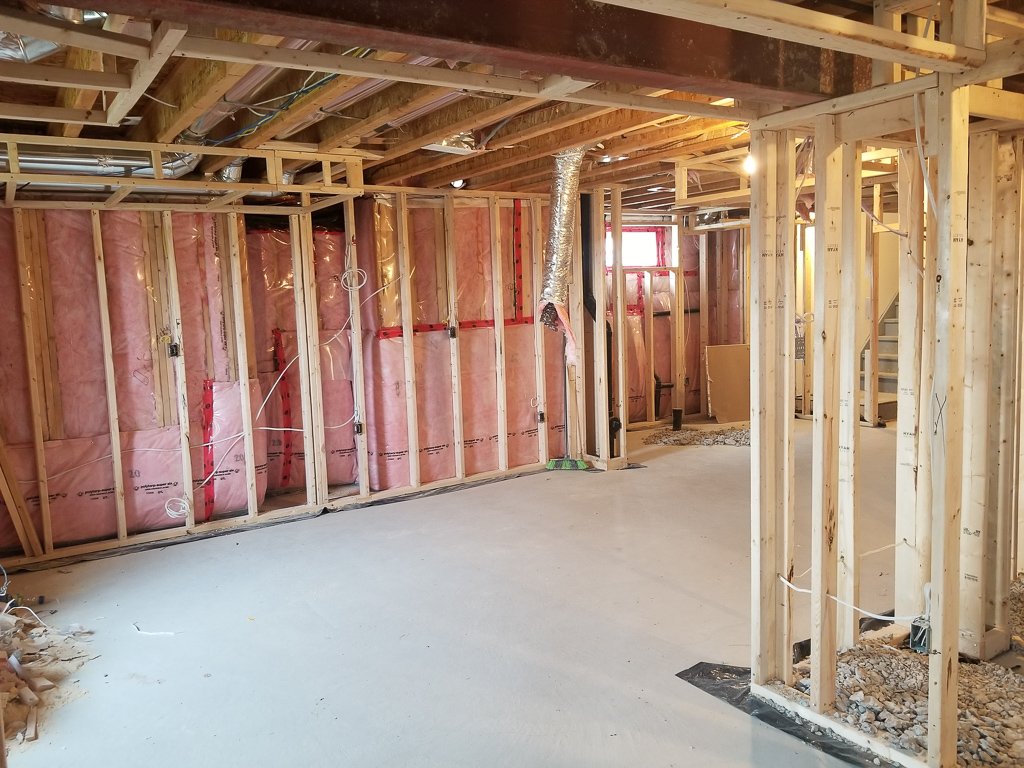
If the basement does not already have framed walls, that work must come first. Wood or metal framing creates the surface that drywall attaches to. This step can add a major amount to the project, especially if the walls are uneven or the layout is custom.
3. Moisture and water control
Basements are known for damp air and water problems. If there is any sign of seepage, musty smell, or past flooding, drywall should not go up until the moisture issue is solved. Skipping this step can lead to mold, damage, and expensive repairs later.
One smart move many beginners miss: drywall is a finishing material, not a moisture fix. If your basement walls are not dry and stable, the drywall cost is wasted money.
4. Insulation and vapor barriers
In many basements, walls are insulated before drywall is installed. This improves comfort and energy use, but it adds cost. In colder climates, insulation is usually worth it because drywall alone does not make a basement warm.
For more detail on proper moisture and indoor air planning, the U.S. Environmental Protection Agency has useful guidance on mold and moisture control.
5. Drywall type
Standard drywall is the cheapest option, but many basements benefit from moisture-resistant or mold-resistant drywall. These products cost more, but they can be a smart choice in areas with higher humidity. Fire-rated drywall may also be needed near furnaces, utility rooms, or code-required areas.
6. Finish level
A basic finish is less expensive than a smooth, high-end finish. If you want perfectly flat walls for paint or decorative lighting, expect more labor. Level 3 or Level 4 finishing is common for most basements. A Level 5 finish is more expensive and usually reserved for premium spaces.
7. Ceiling height and obstacles
Low ceilings, ducts, beams, pipes, and wiring all make the job slower. Basements often have many obstacles, and each cut around a pipe or vent increases labor time. This is one reason why a basement drywall job can cost more than a similar-sized room upstairs.
Price Breakdown by Part of the Job
To understand how much does it cost to drywall basements, it helps to separate the project into parts. Many people think of one overall price, but the total usually comes from several smaller jobs.
Credit: moosebasements.ca
Materials
Drywall sheets, screws, joint compound, tape, corner bead, and fasteners usually cost less than labor, but they still matter. Standard drywall sheets are usually the least expensive. Moisture-resistant boards, soundproof panels, and fire-rated boards cost more.
Typical material cost for a basement drywall project often falls between $0.80 and $2.00 per square foot, depending on product choice and quality.
Labor
Labor is often the largest expense. Hanging drywall in a basement is physical work, and finishing it well takes skill. Labor prices can range from $1.20 to $3.00+ per square foot, sometimes more in high-cost areas or for difficult layouts.
Insulation and framing
If your basement is unfinished, add the cost of wall framing and insulation before drywall. These steps can easily add several thousand dollars to the project. This is where many budgets get too low because the homeowner only priced the wallboard itself.
Finishing and painting
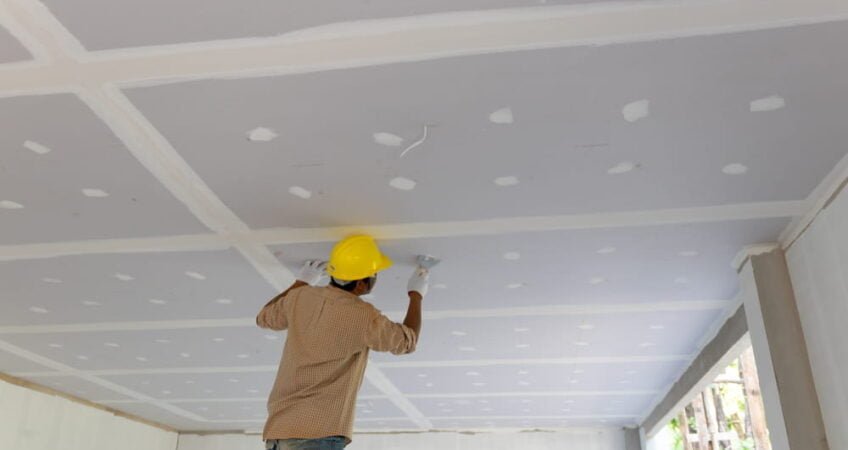
Drywall installation is not the same as a completed wall. Taping, mudding, sanding, priming, and painting may be separate line items. If you want a ready-to-use space, include those costs from the start.
Cleanup and disposal
Old materials, dust, and debris must be removed. Some contractors include cleanup in the quote, while others charge extra. This is a small line item on paper, but it becomes important in a basement because dust can spread through the whole home.
Typical Basement Drywall Scenarios
Different basements need different budgets. Here are some common project types and what they usually cost in 2026.
- Partial basement wall finish: $1,500 to $4,000. This is common when only one section of the basement is turned into a utility room, office, or play area.
- Standard full basement finish: $4,000 to $9,000. This usually includes framed walls, drywall, and a normal finish on a medium-sized basement.
- High-end basement remodel: $9,000 to $15,000+. This may include soundproofing, custom ceiling work, upgraded board, and more detailed finishing.
- Basement with moisture issues: $6,000 to $20,000+. This can rise quickly if waterproofing, drainage, or mold cleanup is needed before drywall.
These examples show a useful pattern: the more “problem solving” your basement needs, the more drywall costs rise. The board itself is only part of the real budget.
Drywall Cost Per Square Foot Explained
Contractors often quote basement drywall by square foot because it is easier to compare jobs. But this number can be confusing if you do not know what is included.
For a basic basement project:
- Drywall materials only: about $0.50 to $1.00 per square foot
- Materials plus hanging labor: about $1.50 to $2.50 per square foot
- Fully finished drywall work: about $2.00 to $4.50+ per square foot
A low quote is not always the best quote. Some contractors quote only the board installation and leave out finishing, cleanup, or insulation. A quote that looks cheap at first can become expensive later.
Non-obvious insight: a basement with many short wall sections usually costs more per square foot than one open rectangle of the same size. That is because each corner, return wall, and doorway creates more cutting, joining, and finishing work.
What Makes Basement Drywall More Expensive Than Regular Rooms
Basement work often costs more than drywall in a typical bedroom or living room. The reason is simple: basements are harder to work in and often need more preparation.
Uneven foundation walls
Concrete walls are not ready for drywall. They need framing or a system that creates a flat wall surface. If the foundation is bowed or uneven, the project may need custom adjustments.
Moisture risk
Above-ground rooms do not usually deal with moisture in the same way. Basement drywall must be protected from humidity and possible water entry. That means more attention to product choice and wall design.
Mechanical systems
Basements often contain furnaces, water heaters, main drains, electrical panels, and HVAC runs. Drywall must fit around these items safely and often with code rules in mind. This adds planning time and can require extra inspection work.
Lower work comfort
Basements can be tight, dark, and hard to move around in. Labor crews may work slower in these spaces, and that can affect the final bill.
Hidden Costs Homeowners Often Miss
Some of the biggest budget problems come from costs people do not think about early enough. If you are asking how much does it cost to drywall basements, make sure you also include these items.
- Permits: Some cities require permits for framing, electrical changes, or full basement finishing.
- Electrical changes: Outlets, switches, and lighting may need to be moved or added before drywall goes up.
- Insulation upgrades: Old or poor insulation may need to be replaced.
- Mold cleanup: If there is existing mold, it must be treated first.
- Soundproofing: Extra layers, insulation, or specialty boards raise the price.
- Ceiling work: A basement with a finished ceiling often needs more labor and material.
Another detail many homeowners miss: repairing the cause of damage is more important than replacing the visible drywall. If a small leak or air leak is ignored, the same wall may need to be rebuilt again later.
Credit: realestimateservice.com
How to Save Money Without Hurting Quality
You do not need to overpay to get a good basement wall finish. The goal is to spend wisely, not cheaply.
- Fix moisture first. This prevents wasted work and future damage.
- Use the right drywall type. Standard drywall may work in dry areas, while moisture-resistant board makes sense in riskier spaces.
- Bundle the project. Framing, insulation, and drywall are often cheaper when done together.
- Keep the layout simple. Fewer walls, corners, and cutouts mean less labor.
- Get multiple quotes. Compare what each contractor includes, not just the price.
One practical tip: if your basement is only partly finished, it can be smarter to drywall the most useful area first. For example, finish the family room before storage rooms or utility spaces. This lets you enjoy the space sooner while spreading out the cost.
Should You DIY Basement Drywall?
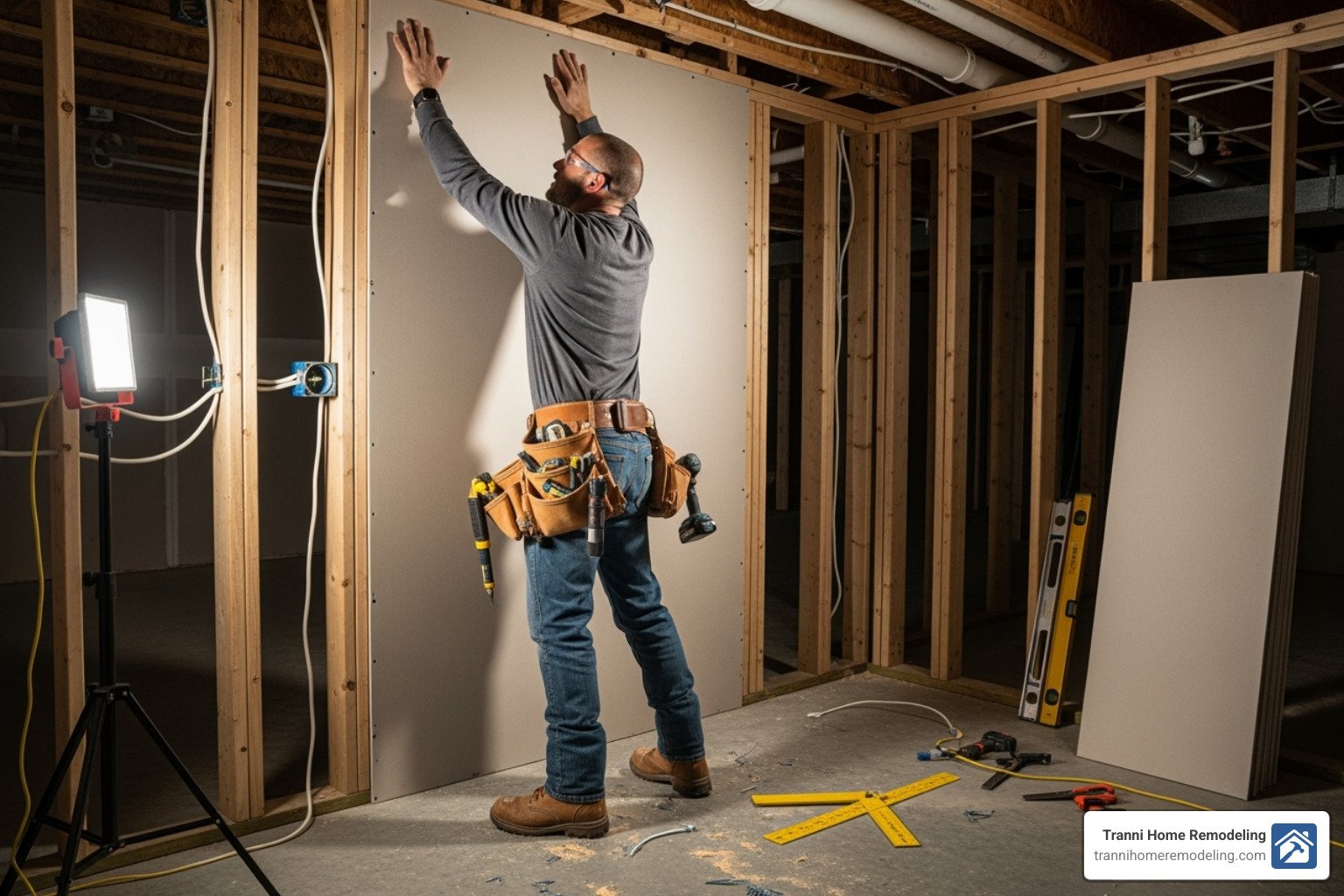
Some homeowners install drywall themselves to save money. This can work if the basement is dry, simple, and you already have basic tools and skills. But basement drywall has more challenges than many people expect.
DIY may be a good idea if:
- The basement is already framed and insulated
- There are few corners or obstacles
- You are comfortable cutting, hanging, taping, and sanding
- You do not mind a longer project timeline
Hiring a pro may be better if:
- You need moisture-resistant design advice
- The walls are uneven or unfinished
- You want a smooth, high-quality finish
- The basement has code-sensitive areas, like a utility room or egress route
DIY can save on labor, but it does not save you from mistakes. Poor taping, bad screw spacing, or wrong board selection can create visible flaws that are hard to fix later. In basements, poor planning can also lead to moisture problems that are expensive to repair.
How Contractors Usually Quote the Job
Most contractors use one of three pricing methods: per square foot, by room, or by project. For basements, per square foot is the most common because the job often includes many different wall shapes and conditions.
Before you sign anything, ask these questions:
- Does the quote include framing?
- Does it include insulation?
- Is taping and mudding included?
- Will they sand and prep for paint?
- Are cleanup and disposal included?
- What drywall type will be used?
Clear answers matter more than a low number. A detailed quote helps you compare offers fairly and reduces surprise costs later.
Non-obvious insight: if one quote is much lower than the others, check whether the contractor is assuming an easier wall condition than you actually have. Basement jobs often look simpler on paper than they are in real life.
Is Drywall the Best First Step for a Basement?
Not always. In some basements, drywall should come after a few other upgrades. This is especially true if the space is damp, unfinished, or being used for storage only.
Before drywall, make sure these basics are handled:
- No active leaks or water entry
- Good humidity control
- Proper insulation where needed
- Electrical and plumbing work completed
- Framing is square and ready
If you skip these steps, drywall can hide problems instead of solving them. Once walls are closed, repairs become harder and more expensive.
Credit: trannihomeremodeling.com
Final Cost Range You Can Use for Planning
If you want a simple planning number, here it is:
Most homeowners should budget $3,000 to $9,000 to drywall a basement in 2026. Smaller basements may cost less, while larger basements or spaces with moisture, framing, insulation, and custom finishing can cost much more.
The most accurate estimate comes from measuring the wall area and checking the basement condition before getting quotes. If the basement is dry, simple, and already framed, the cost stays closer to the lower end. If it needs full prep work, expect a bigger budget.
In the end, the true answer to how much does it cost to drywall basements is not just about drywall sheets. It is about the full system behind the wall. When you plan for the real work, you avoid budget shock and end up with a basement that looks good and lasts longer.
FAQs
1. How much does it cost to drywall basements on average?
Most basement drywall projects cost between $2.00 and $4.50 per square foot, with total budgets often falling between $3,000 and $9,000. The final price depends on basement size, labor, framing, insulation, and moisture issues.
2. Why is basement drywall more expensive than regular drywall work?
Basement drywall often costs more because the space usually needs framing over concrete, moisture control, insulation, and more careful work around pipes, ducts, and electrical systems. These extra steps add both labor and material costs.
3. What type of drywall is best for a basement?
Moisture-resistant drywall is often a smart choice for basements, especially in humid areas or rooms with past water problems. In utility areas, fire-rated drywall may also be required. The best choice depends on your local building code and basement conditions.
4. Can I drywall a basement myself to save money?
Yes, if the basement is dry, already framed, and fairly simple. But DIY basement drywall takes time and skill, especially for taping, mudding, and sanding. If moisture, uneven walls, or code issues are involved, hiring a pro is usually safer.
5. What hidden costs should I plan for?
Common hidden costs include permits, insulation, electrical changes, mold cleanup, soundproofing, and ceiling work. It is also important to fix leaks or moisture problems before drywall goes up, or you may pay for repairs later.
