
If you want walls that look flat, clean, and ready for paint, drywall mud is one of the most important parts of the job. The tricky part is that there is no single magic number for every wall. The answer depends on the joint tape, the size of the repair, the skill of the person finishing, and how smooth you want the surface to be.
For most standard drywall projects, how many coats of drywall mud you need is usually between two and four coats. Small repairs may need only two. New drywall joints often need three. If you want a very smooth finish under strong lighting, you may need a fourth skim coat.
The goal is not to pile on thick mud. The goal is to build a thin, even surface in layers. Each coat should do a specific job. Once you understand that, the whole process becomes easier, cleaner, and much less frustrating.
What each coat of drywall mud actually does
Many beginners think every coat is just “more mud.” That is not true. Each coat has a different purpose, and knowing this helps you decide how many coats of drywall mud your project needs.
First coat: embedding tape and filling gaps
The first coat is usually the most important. Its job is to cover joints, fill screw dimples, and hold the joint tape in place. If you are using paper tape, this coat must be smooth enough to support the tape without large air bubbles or wrinkles. If you are using mesh tape, the first coat must fully cover the mesh so the pattern does not show through later.
This coat is not about perfection. It is about bonding and base coverage. A lot of people make the mistake of trying to make the first coat look finished. That usually creates ridges and too much buildup, which only makes sanding harder later.
Second coat: building shape and reducing low spots
The second coat starts to hide the tape edge and widen the repair area. This is where the wall begins to look flat. You should spread the mud wider than the first coat so the transition between the repair and the wall becomes softer.
Beginners often use too much pressure with the knife here. That can scrape off the first coat or leave grooves. A lighter hand works better. The second coat should make the repair look close to finished, but not perfect yet.
Third coat: smoothing and fine leveling
The third coat is common on new drywall or on seams that need a clean finish under normal room lighting. It removes knife marks, small valleys, and edge lines left by the first two coats. This coat should be thin. If you need thick mud at this stage, something went wrong earlier.
In many homes, this third coat is the difference between “looks repaired” and “looks professional.”
Fourth coat: skim finishing for best results
A fourth coat is not always needed, but it is useful when you want a very flat surface. This is common in rooms with bright side lighting, large windows, glossy paint, or dark wall colors. A skim coat can hide tiny imperfections that other coats cannot remove.
However, extra coats should not be used to fix major mistakes. If the joint is badly uneven, it is better to correct the technique than keep adding mud.
The usual answer for most drywall jobs
If you want the short answer, most drywall seams need three coats of drywall mud for a smooth finish. That is the standard for many new walls and larger repairs. The first coat holds tape. The second coat builds shape. The third coat smooths everything out.
Here is the simple breakdown:
| Project type | Typical number of coats | Notes |
|---|---|---|
| Small nail or screw repair | 1 to 2 | May only need a fill coat and light touch-up |
| Crack repair with tape | 2 to 3 | Depends on crack size and wall movement |
| Standard drywall seams | 3 | Most common for a smooth painted finish |
| High-end smooth finish | 3 to 4 | Often needs skim coating and extra sanding care |
| Very rough wall or poor first pass | 4 or more | Better to fix technique than rely on many extra coats |
So when people ask how many coats of drywall mud are needed, the honest answer is this: enough coats to make the wall flat, but not so many that you create bulky edges or waste time.
What changes the number of coats you need
Two walls can look similar but need a different number of coats. Several details affect the result more than most beginners expect.
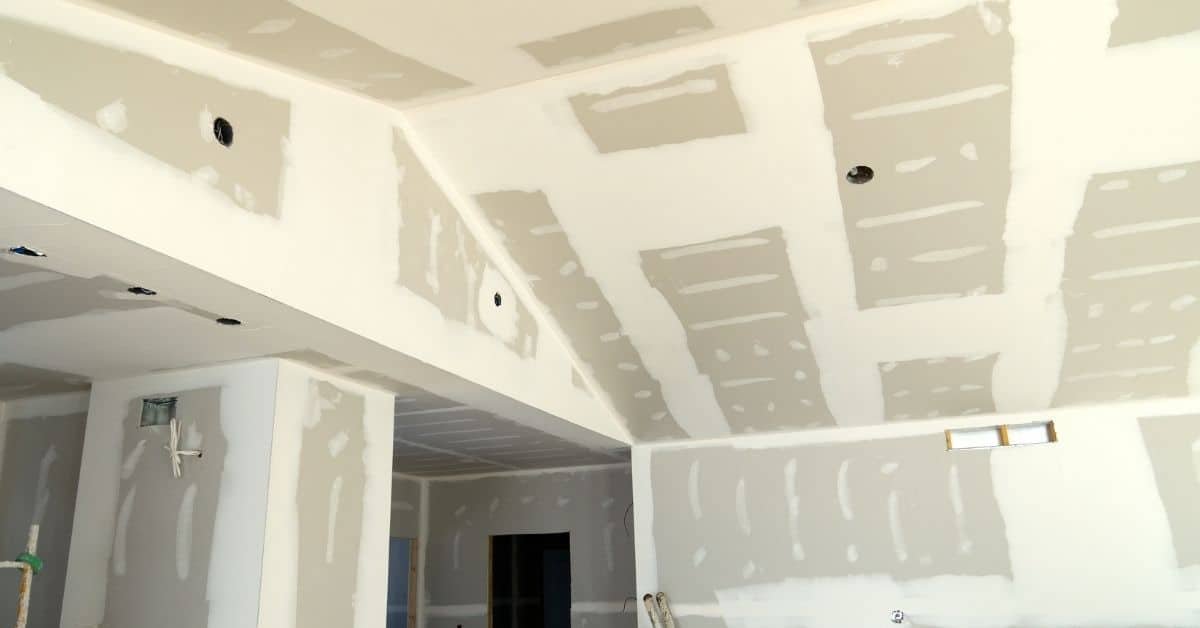
Credit: craftingwithconcrete.com
The type of joint tape
Paper tape usually gives a stronger, flatter seam when installed well, but it also needs careful embedding in mud. Mesh tape is easier for some DIY users because it sticks to the wall, but it often needs more compound to fully cover the weave.
This means the tape choice can change how many finishing passes you need. Mesh tape often needs a little more feathering. Paper tape can look smoother sooner, but only if it is embedded cleanly.
The quality of the initial drywall installation
If the drywall sheets are hung poorly, even good mud work will struggle. Large gaps between boards, crooked screws, or uneven framing can all make the mud layer harder to hide. In that case, you may need extra coats just to correct the surface.
This is one of the most common beginner mistakes: trying to “mud away” framing or hanging problems. Drywall compound can smooth small flaws, but it cannot fix major wall movement or very uneven joints.
The skill of the person applying the mud
A skilled finisher can often get a smooth result in three coats. A beginner may need an extra coat because the edges are too thick, the knife marks are deeper, or the tape was not fully covered the first time.
That does not mean you are doing it wrong. It just means drywall finishing is a layer-by-layer skill. Thin, controlled passes matter more than speed.
The final paint and lighting
Walls under bright light show imperfections more clearly. Glossy paint makes flaws even more visible. Dark colors can also highlight bumps and dips because shadows become stronger.
If the wall will be painted with a flat finish in soft lighting, three coats may be enough. If the wall will face a window or strong LED lights, a fourth skim coat may be worth the time.
How to tell when you need another coat
You do not need to guess. After each coat dries, inspect the wall carefully. The surface usually tells you what to do next.
Look for shadows and edge lines
Use a bright light across the wall from the side, not straight on. This makes ridges and dips easier to see. If you can see the outline of the tape, the edge is not feathered enough yet.
Check for shallow dips
Run a wide knife lightly over the repaired area. If the knife rocks over a low spot, that area may need another thin coat. Small dips are normal after the first and second coats.
Watch for screw holes and pinholes
Even when the seam looks good, tiny holes can stay behind. These are common after sanding. A quick touch-up coat usually fixes them.
Notice the wall under real lighting
Do not judge the wall only in garage light or with one overhead bulb. Move a work light around and check from different angles. Many defects only show up when light hits the wall from the side.
If the repair still looks uneven after the second coat, a third coat is usually needed. If it looks nearly done but still shows fine lines or a dull patch, a skim coat may be the best choice.
How thick each coat should be
One of the biggest drywall mistakes is applying mud too thick. Thick coats take longer to dry, shrink more, and crack more easily. Thin coats dry better and sand easier.
As a simple rule, each coat should be thin enough that the edges fade smoothly into the wall. You are not trying to create a lump. You are trying to blend the repair into the surrounding surface.
- First coat: enough to embed tape and fill the joint
- Second coat: thin and wider than the first
- Third coat: very thin, mainly for leveling and smoothing
- Skim coat: extra thin, just enough to remove small surface flaws
Another detail beginners often miss: wide knives make smoother walls because they spread the pressure over a larger area. A 6-inch knife may work for the first coat, but a 10-inch or 12-inch knife often gives a better finish on later coats.
Common mistakes that create extra work
Sometimes the real answer to how many coats of drywall mud you need is “more than expected” because the earlier steps were rushed. These mistakes are very common.
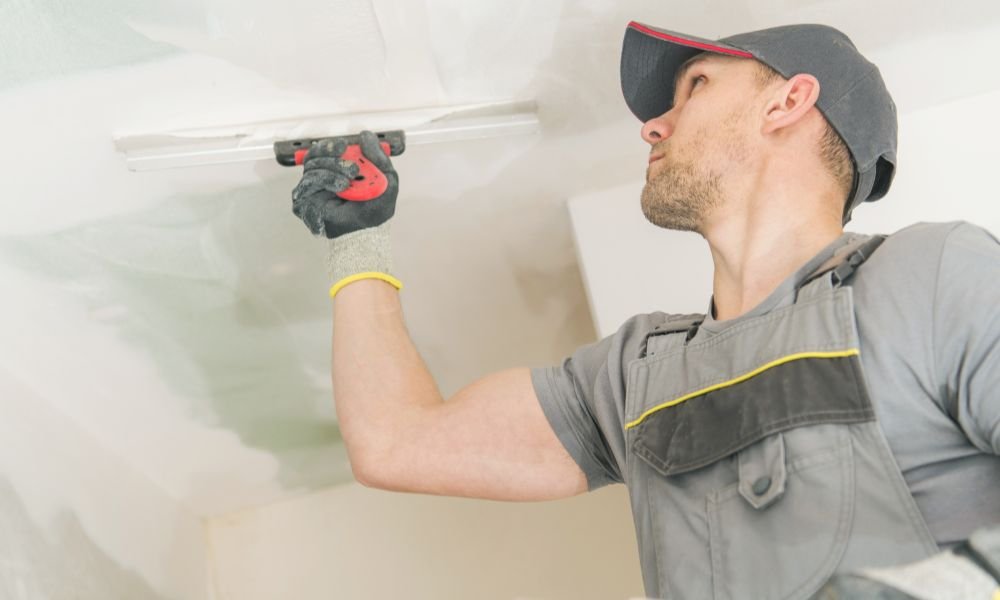
Credit: timothystoolbox.com
Applying mud too thick
Thick mud shrinks as it dries. That shrinkage creates ridges, cracks, and deep sanding marks. You end up needing another coat just to fix the damage caused by the first one.
Not feathering the edges wide enough
Feathering means blending the edge of the mud into the wall with a soft transition. If the edge is too sharp, the repair will still be visible after painting. Wider edges usually mean fewer visible lines.
Sanding too aggressively
Heavy sanding can expose tape, scratch the paper face of drywall, or create flat spots in the mud. Once that happens, you often need another coat to repair the damage.
Rushing the drying time
If the mud is not fully dry, it can gum up under the knife or sandpaper. It may also tear instead of smooth out. Drying time depends on room temperature, humidity, and mud type, so do not rush it.
Using the wrong mud for the stage
Some compounds are better for taping, while others are better for topping. Using the wrong type can make finishing harder. A lightweight topping compound often works well for later coats because it sands more easily.
How to get a smooth finish with fewer coats
If you want to save time, the best strategy is not adding more mud. It is making each coat cleaner.
Use a wide knife on the finish coats
Wide knives help flatten the mud and reduce ridges. They also make it easier to feather edges far enough away from the seam.
Keep the compound smooth
Before each pass, remove dried bits from your knife and pan. Tiny dry chunks can leave scratches and lumps that force you to do extra sanding and patching later.
Clean up problems while the mud is still workable
If you notice a ridge, bubble, or knife line before the mud dries, fix it then. A quick correction now is much easier than another coat later.
Mix the mud to the right consistency
Drywall mud should be creamy and easy to spread, not stiff and crumbly. If it is too thick, it drags. If it is too thin, it can shrink too much or sag. The right texture makes every coat easier to control.
For a practical guide on joint compound types and drywall finishing basics, you can also check this helpful resource from Family Handyman.
When two coats are enough
Two coats can be enough in smaller, simpler jobs. This is common for tiny nail holes, small patch repairs, or light seam work where the first coat already did a strong job.
Two coats may be enough when:
- The repair is very small
- The wall is not under strong side lighting
- You used a clean, flat tape application
- The first coat left very little buildup
- You only need a basic paint-ready finish
Still, do not force a two-coat result if the wall is not ready. A rushed finish usually looks worse than a careful third coat.
When you should plan for four coats
Four coats are more likely when the finish must look very clean and the room lighting is unforgiving. This happens in hallways, near windows, and on ceilings where light skims across the surface.
Plan for four coats when:
- You want a near-perfect smooth wall
- The room has bright directional lighting
- You are working on large seams or many repaired areas
- The first coat was uneven or the tape edges show through
- You need a skim coat over the full wall surface
Four coats may sound like a lot, but each coat is thinner and easier than the one before. The extra layer is often what makes a wall look professionally finished.
A simple way to decide without overthinking it
If you are still unsure, use this practical rule:
- Start with one good base coat that fully covers the tape or patch.
- Add a second coat to widen and flatten the repair.
- Add a third coat if you can still see the seam, edge line, or shallow dip.
- Add a fourth skim coat only if the wall still looks imperfect in side light.
This method works well because it matches the real job of each layer. It keeps you from wasting material and helps you stop at the right time.
So, if someone asks you again how many coats of drywall mud you need, the best answer is: enough coats to make the surface flat under the lighting it will actually live under. That is the real standard.
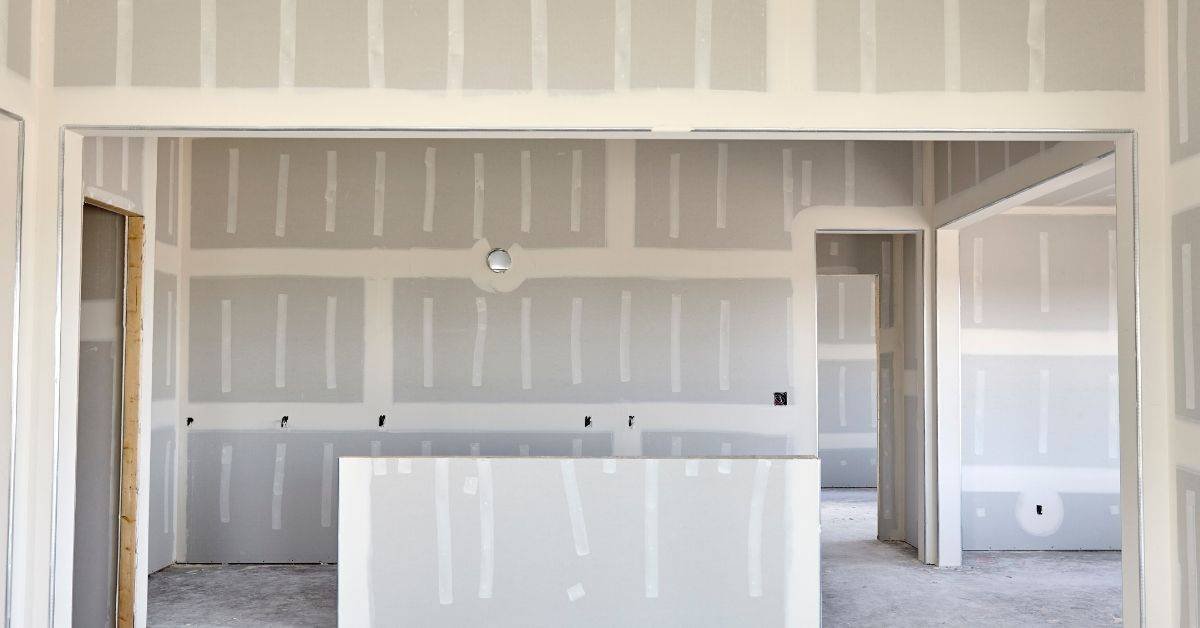
Credit: craftingwithconcrete.com
Final thoughts
A smooth drywall finish does not come from one heavy pass. It comes from thin, careful layers built in the right order. For most projects, three coats are the sweet spot. Small repairs may need only two. High-end finishes may need four.
What matters most is not the number alone, but how well each coat solves a specific problem. If you focus on thin application, wide feathering, proper drying, and careful inspection, you will get a much better result with less sanding and fewer surprises.
FAQs
1. How many coats of drywall mud do beginners usually need?
Most beginners need three coats for a standard smooth finish. A first coat holds the tape, a second coat builds shape, and a third coat smooths the wall. Some small repairs may need only two coats.
2. Can one coat of drywall mud be enough?
One coat is usually not enough for taped seams or larger repairs. It may work for tiny nail holes or very small touch-ups, but most walls need more than one pass to look flat after painting.
3. Do I need to sand between every coat?
Light sanding between coats is often helpful, but heavy sanding is not. You only need to remove ridges, bumps, or dried drips. If the coat is smooth and clean, a quick sanding is enough.
4. Why do my drywall seams still show after three coats?
This usually happens because the mud was too thick, the edges were not feathered wide enough, or the wall was checked only under soft light. Bright side lighting often reveals flaws that were missed earlier.
5. What is the best way to know when the wall is finished?
Use a side light and look at the wall from several angles. If you cannot see tape lines, ridges, dips, or pinholes, the surface is ready for primer and paint. A smooth wall should look even before paint goes on.
