
If you have ever held a screw in your hand and thought it looked simple, the truth may surprise you. A screw is a small part, but making it takes care, speed, and very exact machines. The process must create strong threads, a clean head, and a shape that fits tools and materials well.
So, how are screws made? In most factories, the answer is a mix of wire shaping, cutting or forming, threading, heat treatment, and surface finishing. Some screws are made in huge volumes by fast cold-heading machines. Others are finished with extra steps for strength, rust resistance, or special use in wood, metal, or concrete.
This guide explains the full screw manufacturing process in simple language. You will see the main steps, the machines used, the material choices, and the small details that affect quality. By the end, you will understand why a tiny screw is not a simple product at all.
What a screw starts with
Most screws begin as a long coil of metal wire. The wire is usually made from steel, stainless steel, brass, aluminum, or a special alloy. The choice depends on where the screw will be used. A screw for indoor furniture does not need the same protection as a screw for outdoor decks or marine work.
The wire must have a very even diameter. If the wire is too thick or too thin, the final screw will not meet size rules. Factories inspect the wire before production begins because small defects can cause weak heads, uneven threads, or cracks during shaping.
Before making screws, manufacturers also decide on the screw type. A wood screw, machine screw, drywall screw, and self-tapping screw do not follow exactly the same process. The core idea is similar, but the shape, point, and thread design may change based on use.
The main manufacturing steps
Most modern screws are made through a process called cold heading and thread rolling. These two methods allow factories to make millions of screws quickly while keeping good strength and accurate shape. Cutting and machining are still used for some special screws, but mass production usually relies on these faster methods.
-
Wire preparation
The metal wire is cleaned, coated with a lubricant, and cut into short blanks. This lubrication matters more than many beginners realize. It reduces friction during shaping and helps prevent machine wear. Without it, the wire can stick, heat up, or deform badly.
-
Cold heading
The blank is pushed into a high-pressure machine that forms the screw head. This happens without heating the metal. The wire is squeezed into the right shape in a very short time. Cold heading is popular because it is fast and it makes the metal stronger by compressing the grain structure.
-
Point formation
Depending on the screw type, the end may be cut or shaped into a point. Some screws need sharp points for wood, while others need blunt or special tips for metal or self-drilling use.
-
Thread making
The screw body is rolled between hardened dies that press thread patterns into the metal. This is not the same as cutting the threads away. Thread rolling forms the shape by pushing metal outward, which makes the threads smoother and often stronger.
-
Heat treatment
Many screws are then heated and cooled in a controlled way. This improves hardness and strength. If a screw is too soft, it can bend or strip. If it is too hard, it can become brittle. Good heat treatment finds the right balance.
-
Surface coating or finishing
After that, screws may be coated or plated. Common finishes include zinc plating, black oxide, phosphate coating, and galvanizing. These finishes protect the screw from rust and may also improve how it looks or how easily it drives into material.
-
Quality inspection and packing
Finally, screws are checked for size, thread shape, hardness, and coating quality. Only then are they counted, packed, and sent to stores or factories.
Why cold heading is so important
Cold heading is one of the most important parts of screw making. It uses strong force to shape the head of the screw from wire. Instead of cutting material away, the machine moves metal into the final shape. This reduces waste and speeds up production.
A big advantage of cold heading is strength. When metal is formed under pressure, its internal grain flow changes in a useful way. That helps the head resist breaking when a screwdriver or power driver applies force. This is one reason many mass-produced screws are stronger than their simple shape suggests.
The machine must be set very carefully. If the punch is slightly off, the head may be too thin, too wide, or not centered. A small mistake here can affect the whole batch. In large factories, machine calibration is checked often because speed is useless if the dimensions drift.
Common screw head shapes
Different screw heads are made for different tools and uses. The head style affects grip, appearance, and installation depth. Some of the most common shapes include:
- Flat head – sits close to the surface
- Round head – raised and easy to see
- Pan head – slightly domed and widely used
- Hex head – driven with a wrench or socket
- Bugle head – common in drywall screws
Each head shape requires a different tooling setup in the heading machine. That is why factories often specialize in certain screw families instead of trying to make every type on the same line.
How the threads are formed
The thread is the spiral ridge that lets a screw bite into material and hold tightly. This part may look simple, but it is one of the most carefully controlled features in manufacturing. Thread shape affects grip, torque, pull-out resistance, and ease of use.
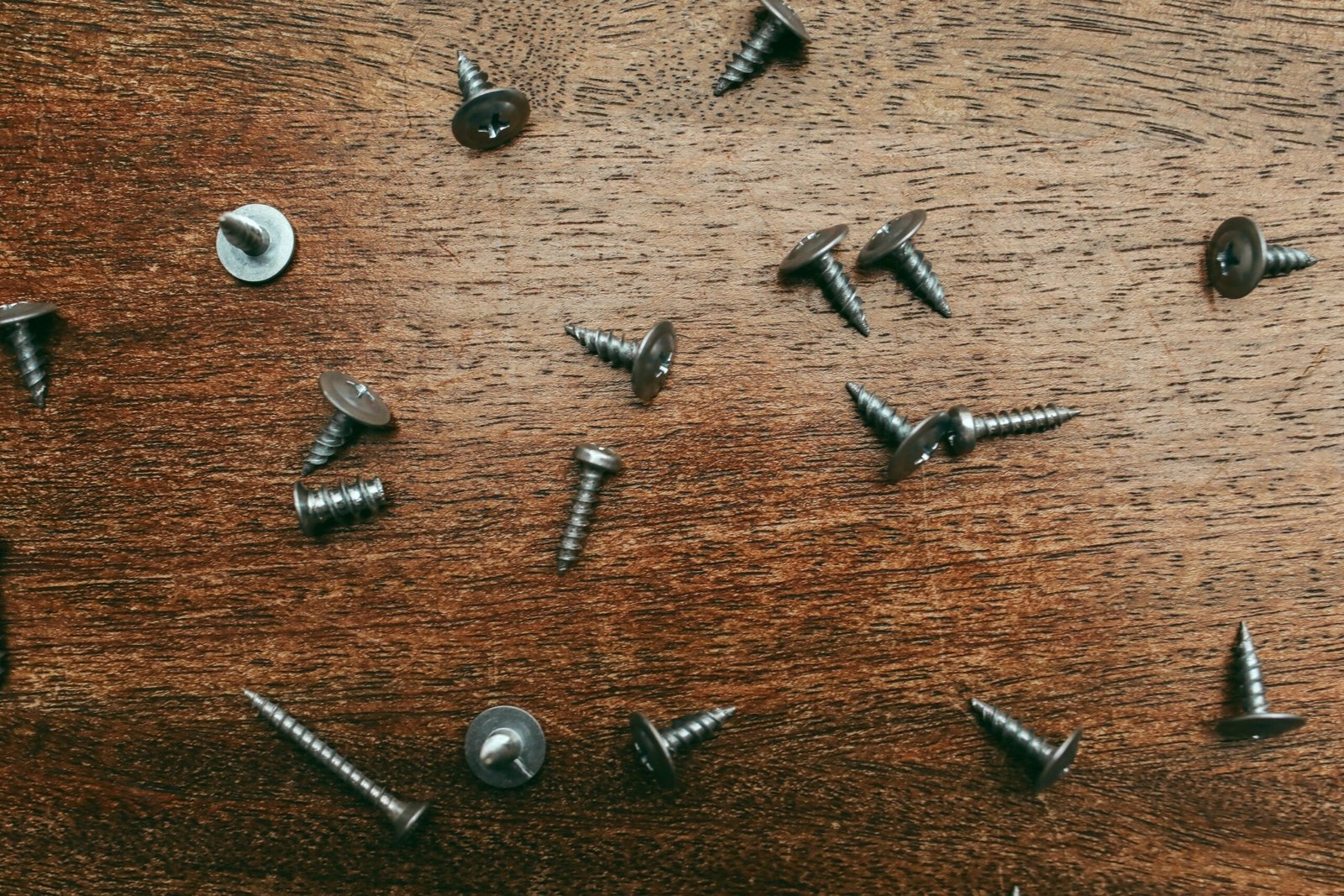
Most screws are made by thread rolling. In this process, the blank is placed between hardened dies with matching thread patterns. As the dies move, they press the metal into the groove shape. The threads are formed, not cut. That means the metal stays continuous, which usually improves strength.
Some screws, especially special or low-volume types, are thread cut on machines. Cutting removes metal to form the thread. This method is more flexible for custom parts, but it is slower and can produce weaker thread roots compared with rolling.
Credit: eagleclawco.com
Why rolled threads are usually better
Rolled threads have several advantages:
- They are faster to make
- They waste less metal
- They often have better surface finish
- They can improve fatigue resistance
One detail beginners often miss is that thread rolling also helps with tool life. Since the process avoids cutting, the production line can run longer before tools need replacement. That matters a lot in high-volume screw factories.
Heat treatment gives screws their strength
Many screws need heat treatment after forming. This step changes the metal’s internal structure so the screw can handle stress better. The exact process depends on the material and the screw’s end use.
For carbon steel screws, the parts may be heated to a high temperature and then cooled in a controlled way. This hardens the steel. In some cases, tempering follows to reduce brittleness. The goal is not just hardness. The goal is useful hardness.
A common mistake is thinking harder is always better. It is not. A screw that is too hard may snap during installation. A screw that is too soft may strip or bend. Manufacturers test for the right balance based on the application.
What can go wrong during heat treatment
If heat treatment is not controlled, the screw may develop problems such as:
- Cracking
- Warping
- Uneven hardness
- Poor performance under torque
That is why temperature, timing, and cooling speed must be carefully managed. Even a good-looking screw can fail if the heat treatment is poor.
Coatings and finishes protect the screw
After shaping and hardening, screws often receive a protective finish. This is especially important for screws used outdoors, in damp places, or in industrial settings. The finish does more than improve appearance. It can extend the life of the screw and protect the material around it.
Common finishes include:
| Finish | Main benefit | Common use |
|---|---|---|
| Zinc plating | Basic rust protection | General-purpose screws |
| Hot-dip galvanizing | Heavy-duty corrosion resistance | Outdoor and construction use |
| Black oxide | Thin protective layer with dark finish | Indoor tools and hardware |
| Phosphate coating | Improves paint hold and lubrication | Drywall and coated fasteners |
| Nickel or chrome plating | Decorative look and corrosion resistance | Visible hardware and specialty items |
One useful detail many buyers overlook is that coating thickness can affect fit. If a screw is coated too heavily, it may not fit well in threads or holes designed for an exact size. This matters in precision assemblies.
For a clear overview of corrosion protection and material behavior, you can also check this helpful technical reference from NIST.
Different screw types are made in slightly different ways
Not all screws follow the exact same path. The base steps are similar, but each type has its own requirements.
Credit: leolafasteners.com
Wood screws
Wood screws usually have sharp points and deeper threads. These help them grip soft material and pull pieces together. The manufacturing focus is on a strong point and a thread design that works well in wood fibers.
Machine screws
Machine screws are made for pre-threaded holes or nuts. They often have precise thread sizes and smoother finishes. Accuracy matters more here because they must fit standard parts.
Drywall screws
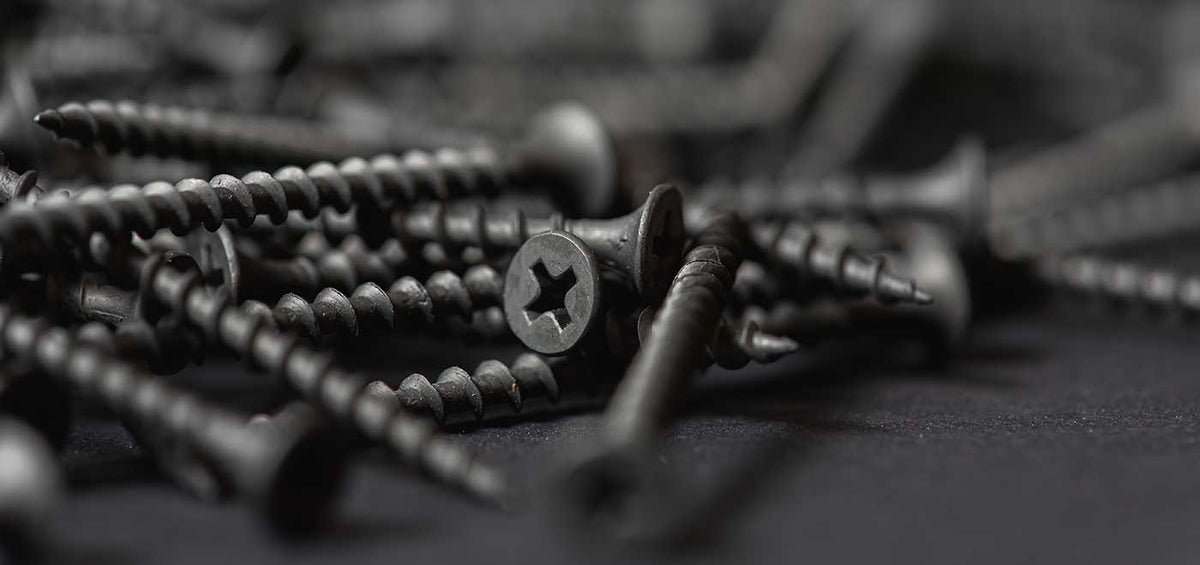
Drywall screws are designed for quick driving into wallboard and framing. They often have a bugle head and a dark finish. Many are phosphate-coated because that helps with grip in drywall work.
Self-tapping and self-drilling screws
These screws may include special points or cutting edges. Their tips are shaped to create or cut threads in the material during installation. That adds another layer of precision to the forming process.
Quality control keeps the process reliable
Good screw manufacturing is not only about making parts fast. It is about making the same part thousands or millions of times without serious variation. This is where quality control becomes essential.
Factories check several things during and after production:
- Overall length
- Head diameter and height
- Thread pitch and depth
- Point shape
- Hardness
- Coating thickness
- Drive recess fit, such as Phillips or Torx
One non-obvious issue is drive recess quality. A screw may look perfect from the outside but still perform badly if the screwdriver recess is slightly off-center or too shallow. That causes cam-out, slipping, and damaged tools during use.
Testing methods used in factories
Manufacturers may use visual checks, gauges, torque tests, hardness tests, and corrosion tests. For example, salt spray testing helps show how a coated screw might behave in a wet or salty environment. This kind of testing does not predict everything, but it gives useful comparisons between finishes.
Automated inspection systems are now common in larger plants. Cameras and sensors can spot defects faster than the human eye. Still, human checks remain important, especially for unusual parts or special orders.
How packaging and sorting fit into production
After inspection, screws are sorted by size, type, and finish. They are then packed into boxes, bags, or industrial bulk containers. Packaging is not just a final step. It helps protect the coating, reduce contamination, and keep different products separated.
Some screws are counted by weight or by automated counters. Others are packed in exact quantities. For builders and manufacturers, clear labeling is important because mixing similar-looking screws can cause expensive mistakes on the job site.
Another detail that often gets ignored is storage. Even a good screw can rust or lose quality if it is stored poorly before sale. Moisture control and proper packaging help preserve the product until it reaches the user.
Manual vs automated screw production
Most modern screws are made in highly automated plants. Automation keeps speed high and cost lower. It also improves consistency. A well-tuned machine can produce a huge volume of screws with very small variation.
Still, some screws are made with more manual steps, especially custom fasteners, prototype parts, or low-volume specialty items. In those cases, workers may use lathes, mills, or other machining equipment instead of full cold-heading lines.
The tradeoff is simple. Automation is best for scale. Manual machining is best for flexibility. Many factories use both methods depending on the order.
Why screw material matters so much
The metal used in a screw changes almost everything about its final performance. Strength, rust resistance, cost, and machining behavior all depend on material choice.
Carbon steel is common because it is strong and affordable. It works well for many general-purpose screws. Stainless steel resists rust better, so it is used in wet or outdoor settings. Brass is softer and often chosen for decorative or electrical uses. Aluminum is lighter, but it is less strong than steel.
The material also affects how easy the screw is to shape. Some metals form smoothly in cold heading, while others need extra care to avoid cracking. This is why manufacturers match the screw design to the metal, not the other way around.
Common mistakes people make when thinking about screw making
People often assume screws are just cut from metal rod and stamped with a thread. That is not usually true for mass production. The process is more controlled and more efficient than that.
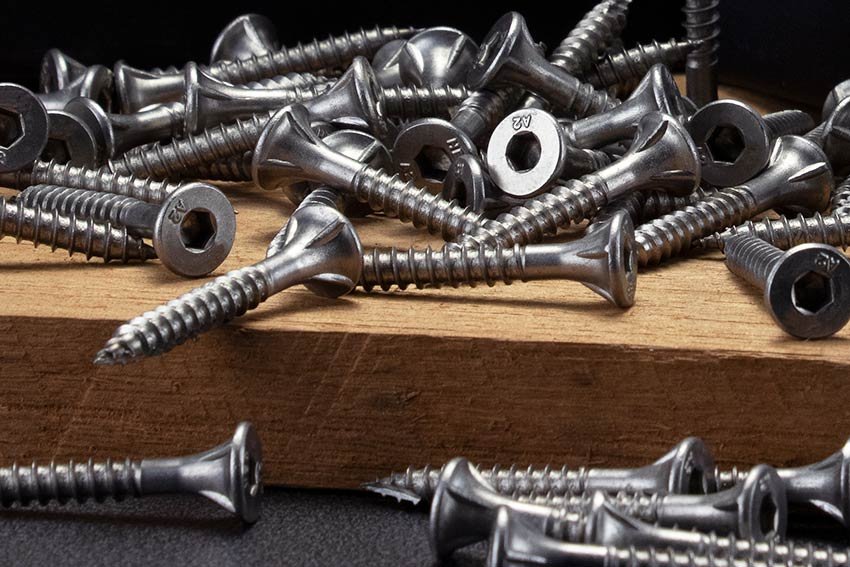
Another common mistake is thinking all screws are the same except for length. In reality, the head style, thread pitch, point type, material, and finish all change how a screw performs. Two screws of the same size can behave very differently.
A third mistake is ignoring coating and heat treatment. These are not small extras. They are often the reason a screw lasts for years instead of failing early.
Credit: scrooz.com.au
So, how are screws made in simple terms?
If we put the whole process into one simple summary, it looks like this: metal wire is prepared, shaped into a head, formed into threads, strengthened by heat treatment if needed, protected with a finish, and inspected before packing. That is the core answer to how are screws made.
The reason the process works so well is that every step supports the next one. Good wire helps the heading machine. Good heading helps the thread rolling. Good heat treatment protects strength. Good coating protects against rust. Good inspection makes sure the final screw does its job.
In other words, a screw may be tiny, but its production is a precise industrial process. The best screws are not the result of one big action. They are the result of many small, accurate actions done in the right order.
FAQs
1. Are all screws made the same way?
No. Many screws use cold heading and thread rolling, but some special screws are machined, cut, or made with extra steps. The process depends on the screw type, material, and use.
2. Why are most screws made from wire instead of solid rods?
Wire is easier to feed into high-speed machines. It also helps factories make large quantities with less waste and lower cost.
3. What makes a screw strong?
Strength comes from the right material, good forming, proper thread shape, and correct heat treatment. A strong screw is not just hard. It must also resist bending, stripping, and breaking.
4. Why do some screws rust faster than others?
Rust resistance depends on the base metal and the coating. Stainless steel and galvanized screws usually resist rust better than plain steel screws with little or no protection.
5. What is the most important step in making screws?
There is no single step that matters most, because each one affects the final result. Still, cold heading, thread rolling, and heat treatment are especially important for strength and performance.
