
Choosing the right drywall tape can make a big difference in how your walls look and how long they last. Many people think tape is just tape, but that is not true. The wrong choice can lead to cracks, bubbles, rough seams, and more repair work later.
When people compare drywall tape paper vs mesh, they usually want one simple answer. But the better choice depends on the job. Some walls need more strength. Some need a smoother finish. Some need a tape that is easier for beginners to use. Knowing the difference can save time, money, and frustration.
In this guide, you will learn how both types work, where each one shines, and which one is best for stronger, smoother walls. You will also see common mistakes to avoid, plus practical tips that many beginners miss.
What drywall tape actually does
Drywall tape is not there just to cover a seam. Its real job is to help join two sheets of drywall so the joint stays stable over time. Drywall panels can move a little as temperature and humidity change. Houses also settle. Tape helps keep those seams from cracking open.
Joint compound alone is not enough for most seams. It can shrink as it dries and may crack if used by itself over a joint. Tape gives the compound something to hold onto. That is why taping is one of the most important steps in finishing drywall.
There are two main choices for most projects: paper tape and mesh tape. Each one works differently, and that affects strength, finish quality, and ease of use.
Paper tape and mesh tape: the core difference
Paper tape
Paper tape is a thin, plain strip made for drywall seams. It is usually used with joint compound, which is applied first. Then the tape is embedded into the wet mud and covered with more compound. This creates a tight bond when done well.
Paper tape is known for strong seams and smooth finishes. It is especially common on inside corners and in professional drywall work. It takes more skill than mesh tape, but the final result is often cleaner.
Mesh tape
Mesh tape is made from woven fiberglass or similar material. It has a sticky back, so you can place it directly on the seam before applying compound. Because it is self-adhesive, it feels easier and faster for many beginners.
Mesh tape is good for convenience, but it behaves differently. Its open weave lets compound pass through, which helps it stick. However, it usually needs setting-type compound, not just regular drying compound, if you want the best result.
Drywall tape paper vs mesh: which is stronger?
If strength is your main goal, paper tape usually wins for most interior joints. That does not mean mesh is weak. It means paper tape handles stress and movement better in many real-world situations.
Paper tape has better tensile strength and creates a tighter seam when embedded correctly. It is less likely to stretch or move. That matters on inside corners and long joints, where cracks often appear first.
Mesh tape has one big advantage: it is very good at holding together small repairs and patches. But on standard seams, especially where movement is possible, it can be more prone to cracking if the compound shrinks or the joint shifts.
Non-obvious insight: strength is not only about the tape itself. It is also about how the joint compound bonds to it. Paper tape creates a mechanical bond with the mud, while mesh depends more on adhesion and the compound filling the weave. That is why paper often performs better on seams that need long-term stability.
| Feature | Paper Tape | Mesh Tape |
|---|---|---|
| Strength on seams | Very strong | Good for repairs, weaker on moving joints |
| Ease of use | Harder for beginners | Easier and faster |
| Finish quality | Smoother | Can show texture if not covered well |
| Best use | Seams, corners, full finishing | Patches, quick repairs, some seams |
| Crack resistance | Usually better | Depends more on proper compound use |
Which one gives smoother walls?
For smoother walls, paper tape usually has the edge. The reason is simple: it can be feathered into the joint more cleanly. When the tape is embedded properly and covered with thin coats, the transition from wall to seam can be very smooth.
Mesh tape has a built-in texture because of its weave. That texture is not a problem by itself, but it can make the seam slightly harder to hide. If you use too much compound, you can end up with a raised ridge. If you use too little, the mesh may show through.
Smoothness also depends on sanding. Even the best tape will look rough if the compound is applied too thick or not sanded carefully. But in general, paper tape is easier to finish to a flat, professional-looking surface.
Non-obvious insight: mesh tape can sometimes leave a faint “ghost line” after painting, especially under strong side lighting. This happens when the seam is not feathered wide enough. Paper tape is usually less likely to create this problem because it lies flatter when installed correctly.
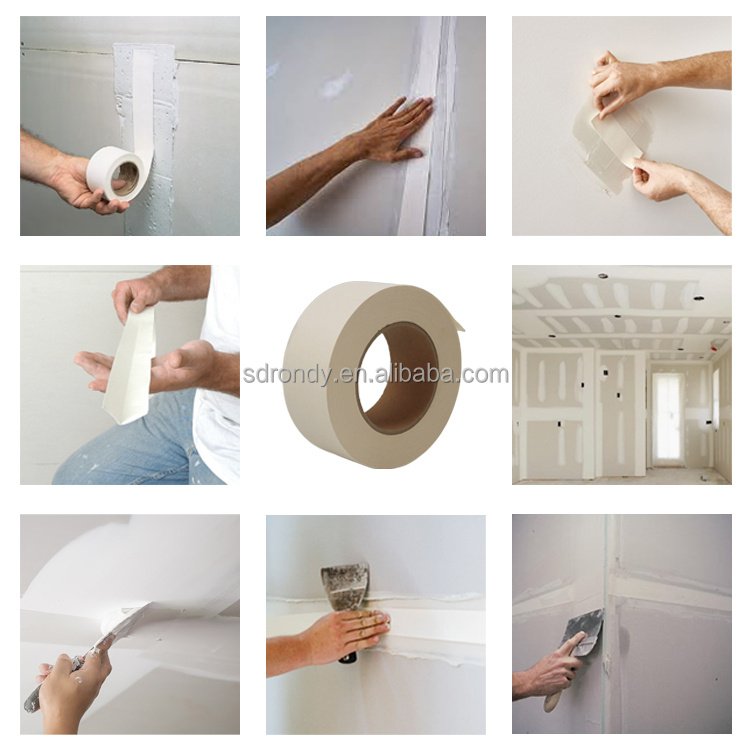
Credit: rondyfiber.com
Where paper tape works best
Paper tape is usually the better choice for the following jobs:
- Inside corners
- Long drywall seams
- Ceiling joints
- Areas that may move slightly over time
- Projects where a smooth, professional finish matters most
Inside corners are a strong example. Paper tape folds neatly, so it can create a sharp, clean corner. Mesh tape is harder to shape in corners and may not sit as well.
Paper tape also performs well on larger rooms and full drywall finishing jobs. Professionals often prefer it because it gives more control and better final quality when installed properly.
Where mesh tape makes sense
Mesh tape is best when convenience matters more than top-level finish quality. It is useful for:
- Small drywall repairs
- Patching holes
- Quick fixes
- Areas where you want an easy self-stick application
- Jobs using setting-type compound
It is especially helpful for beginners doing small repairs. You can place it quickly without having to embed it in a first coat of mud. That can reduce the chance of tape slipping out of place.
Still, mesh is not always the best choice for a full room. Many people use it because it feels easier, then later discover that the seams need extra coats or more sanding to look good.
Common mistakes beginners make
One of the biggest mistakes is choosing tape based only on ease. Easy application is nice, but if the finish cracks later, the job becomes harder in the long run.
Another common mistake is using mesh tape with the wrong compound. Mesh often works best with setting-type joint compound, also called hot mud. If you use only lightweight drying mud on some seams, the result may be weaker than expected.
People also use too much compound in an attempt to hide the tape quickly. That often causes ridges, bubbles, and more sanding. Thin, even coats usually produce better walls than thick coats.
Another mistake is not preparing the drywall seam properly. Dust, loose paper, and poor cut edges can ruin the bond no matter which tape you use. Clean surfaces matter more than many beginners realize.
How to choose based on your project
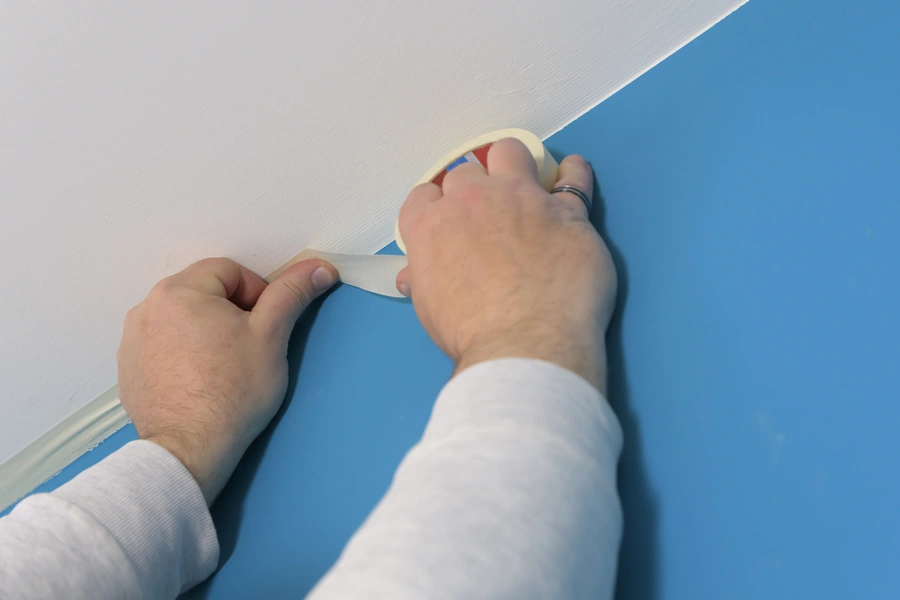
Credit: drywallcontractoramherstnh.com
Choose paper tape if you want the best finish
If your goal is strong, smooth walls, paper tape is usually the safer choice. It gives better results on full drywall finishing jobs, especially when you want a clean paint-ready surface.
Choose mesh tape if speed matters more
If you are repairing a small area and want a quick fix, mesh tape can save time. It is also easier for people who are new to drywall work. For patches and small holes, it is often a practical choice.
Choose based on movement in the wall
If the wall or ceiling may shift, paper tape is usually better. This includes long seams, corners, and areas near framing that might expand or contract. Movement is where tape choice matters most.
What professionals usually prefer
Many drywall professionals prefer paper tape for seams and corners because it gives the most reliable finish. It takes more skill, but it rewards good technique. That is one reason paper tape has remained the standard in many finishing jobs for years.
That said, professionals still use mesh tape for certain repairs. It is not an either-or situation. Good drywall work often means using the right tape for the right task.
For more technical guidance on finishing standards and joint treatment, you can review resources from USG’s technical information, which is a trusted name in drywall products and systems.
Paper tape vs mesh tape for repairs and new walls
For small repairs, mesh tape can be faster and more convenient. It sticks in place and helps bridge small gaps. If you have a simple patch on a wall that does not move much, it can work well.
For new drywall installation, paper tape is usually the better long-term choice. New seams need a finish that is strong, flat, and less likely to crack over time. Paper tape handles that job better in most cases.
Non-obvious insight: the size of the repair matters. Mesh tape is often fine for a small patch because the repaired area is short and has limited stress. But the longer the seam, the more paper tape tends to outperform mesh in both strength and appearance.
Application tips that improve results
Good tape choice helps, but good application matters just as much. These simple habits can improve both strength and smoothness.
- Clean the seam before taping. Remove dust and loose drywall paper.
- Use thin layers of compound instead of thick ones.
- Press the tape in firmly so air pockets do not form.
- Feather the edges wide to make the seam less visible after painting.
- Let each coat dry fully before adding the next one.
For paper tape, make sure the compound is wet enough to bond, but not so wet that the tape floats. For mesh tape, make sure the compound fully fills the mesh pattern. That is how you avoid weak spots and visible texture.
How to avoid cracks later
Cracks usually happen because of movement, poor bonding, or rushed finishing. If you want durable walls, do not focus only on the tape. Focus on the whole system.
Paper tape reduces crack risk on most seams because it bonds well with compound and handles joint movement better. But it still needs correct installation. Mesh tape can work, but it is less forgiving on joints that expand, contract, or flex.
Also, do not sand too aggressively near the tape. If you cut through the compound layer, you may expose the tape or weaken the seam. A smooth finish comes from several careful coats, not one heavy pass.
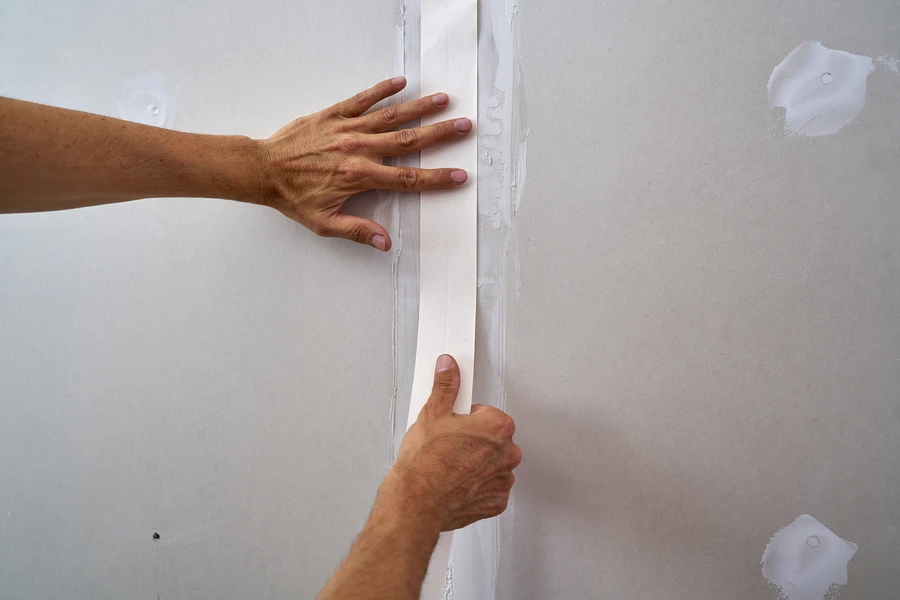
Credit: drywallcontractoramherstnh.com
The simple verdict
If your main goal is stronger, smoother walls, paper tape is usually the better choice. It is stronger on seams, better for corners, and more likely to give a professional finish. It takes more skill, but the result is usually worth it.
Mesh tape is still useful. It is faster, easier, and great for small repairs and patches. But if you are finishing a full room or want the best long-term quality, paper tape is the safer pick.
The easiest way to remember it is this: mesh tape is for speed, paper tape is for finish quality and seam strength.
FAQs
1. Is paper tape always better than mesh tape?
No. Paper tape is usually better for seams, corners, and smooth finishes, but mesh tape is often easier for small repairs and quick patches.
2. Can I use mesh tape on drywall seams?
Yes, you can use mesh tape on drywall seams, but it is usually best with setting-type compound. For long seams or corners, paper tape is often a better choice.
3. Why does my mesh tape crack?
Mesh tape can crack if the joint moves, the compound shrinks, or the tape is not covered well enough. It is more sensitive to installation quality than paper tape.
4. Which tape is best for inside corners?
Paper tape is usually best for inside corners because it folds cleanly and creates a sharper, more durable corner.
5. What is the best choice for a beginner?
For small repairs, mesh tape is easier for beginners. For a full wall finish, paper tape gives better long-term results if you are willing to learn the process.
