
If you own a Trex deck, you already know one big benefit: it looks like real wood, but it does not need the same heavy care. Still, dirt, pollen, mildew, food stains, and foot traffic can build up fast. That is when many homeowners ask the same question: can you power wash a Trex deck without ruining it?
The short answer is yes, but only if you do it the right way. Composite decking is stronger than many people think, yet it can still be marked, scratched, or even damaged by too much pressure, the wrong nozzle, or bad cleaning habits. The deck may survive one harsh wash, but the surface can lose its smooth look over time.
In this guide, you will learn when power washing is safe, when it is a bad idea, and how to clean a Trex deck without causing harm. You will also get practical tips for stains, mold, and deep dirt, plus the mistakes that many first-time cleaners do not notice until it is too late.
For a broader deck-cleaning workflow, see how to pressure wash a deck, review key pressure washer safety tips, and follow this guide on how to use a pressure washer before cleaning composite boards.
What makes Trex different from wood
Trex is a type of composite decking made from wood fibers and plastic. That mix gives it the look of wood with better resistance to rot, insects, and everyday wear. But it is still not the same as solid lumber. The surface is engineered for low maintenance, not for hard abuse.
That is why cleaning Trex needs a lighter touch. Wood can sometimes handle more aggressive washing because the fibers are natural and rough. Composite decking has a protective outer layer on many products, and that layer can be damaged by strong pressure or a narrow spray pattern.
One important thing many people miss is that Trex does not fail only from “too much pressure.” It can also show damage from too much heat, the wrong cleaner, or a dirty nozzle. A power washer can push grime out of the grooves, but it can also push water into spots that should stay dry or leave visible streaks if used carelessly.
Can you power wash a Trex deck safely?
Yes, you can power wash a Trex deck, but the process must be gentle and controlled. Trex and other composite deck brands usually allow pressure washing within a safe range, as long as you follow the product guidance and use proper technique. The key word is safe, not fast.
For most composite decking, a fan-tip nozzle, moderate pressure, and steady movement are the right approach. The goal is to remove surface dirt, not blast the deck as if you are stripping paint from concrete.
If you are unsure, check the official care guidance from the manufacturer first. Trex provides cleaning recommendations and product-specific advice on its website: Trex official site. That is the best place to confirm care for your exact deck line.
When power washing is a good idea
Power washing works well when the deck has:
- Loose dirt and dust
- Pollen buildup
- Light mildew or algae on the surface
- Food spills that have not soaked in deeply
- General graying or dullness from outdoor use
In these cases, the washer helps you save time. It can clean grooves and corners better than a sponge alone. It also works well before sealing nearby areas, cleaning railings, or preparing the deck for a full seasonal refresh.
When you should avoid power washing
Do not use a pressure washer if your deck has:
- Loose boards or damaged fasteners
- Cracked or peeling surface coating
- Deep scratches already visible
- Heavy grease or paint spills that need special treatment
- A history of damage from previous washing
In those cases, a soft wash or hand cleaning is safer. If the deck is already worn, pressure can make the problem worse. A small mistake on a weathered board can leave a permanent mark that stands out in sunlight.
The safest pressure and setup for Trex
Most damage happens because people think more pressure means better cleaning. It does not. For composite decking, lower pressure with better technique is usually the smarter choice.
As a general rule, use the lowest pressure that still removes dirt. Many homeowners stay around a light-to-moderate setting and keep the nozzle moving. Avoid the strongest commercial setting unless the manufacturer specifically says it is safe for your model and your surface condition.
Helpful washer settings
| Cleaning factor | Safer choice | Why it matters |
|---|---|---|
| Nozzle type | 40-degree fan tip | Spreads the spray and lowers the risk of gouging |
| Pressure | Low to moderate | Removes dirt without cutting into the surface |
| Distance | At least 8 to 12 inches away | Prevents concentrated force on one point |
| Motion | Constant sweeping passes | Reduces streaks and avoids burn marks |
Another detail many beginners miss: a pressure washer can appear “safe” at first, but if you hold the spray too close to one area, the deck can still get fanned marks or surface etching. The damage may not show fully until the deck dries in direct sun.
What about soap?
Yes, mild soap can help. Use a cleaner approved for composite decking or a gentle household soap diluted with water. Avoid harsh chemicals, bleach-heavy mixes, or strong solvents unless the manufacturer says they are safe. Some strong cleaners may remove stains quickly, but they can also dull the finish or affect surrounding plants and metal hardware.
Never mix random cleaners together. That is one of the most common mistakes in deck care. If one product does not work, stop and use a safer method instead of creating a stronger chemical mix.
How to clean a Trex deck the right way
A careful cleaning routine is often enough for routine care. You do not need to power wash every time. In many cases, sweeping and rinsing are enough, especially if you clean the deck often.
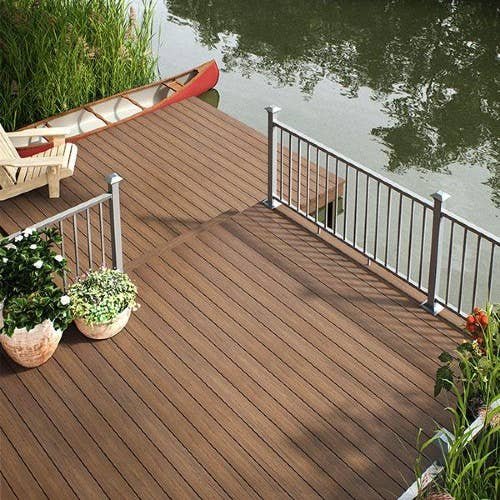
Credit: decksdirect.com
Step 1: Clear the surface
Remove furniture, planters, grills, rugs, and toys. Sweep away leaves, sticks, and loose grit. This matters more than many people think. Tiny sand particles can act like sandpaper if the washer moves them across the surface.
Step 2: Rinse first
Use a garden hose to wet the deck. A pre-rinse loosens surface dirt and lowers the chance of streaking. It also helps the soap spread evenly if you are using one.
Step 3: Apply a mild cleaner
Use a cleaner made for composite decking, or a mild soap solution. Apply it evenly with a soft brush or mop. Let it sit for a short time if the cleaner label allows it. Do not let product dry fully on the surface.
Step 4: Scrub gently
Use a soft-bristle brush. Work with the grain or texture of the decking. Focus on spots where food, grime, or mildew has collected. Do not use metal brushes or stiff scraping tools.
Step 5: Rinse with care
If you use a pressure washer, keep the spray moving and use a fan tip. If you use a hose, rinse thoroughly until all soap is gone. Soap left behind can attract dirt later and make the deck look dull again.
Step 6: Let it dry fully
Trex decking dries faster than wood, but trapped water can remain around fasteners, furniture feet, or grooves. Let the deck dry before putting items back. This prevents slippery spots and helps you see whether any stains still need treatment.
Common mistakes that damage composite decking
Most deck damage is not caused by one huge mistake. It usually comes from a series of small ones. These problems are easy to avoid once you know what to watch for.
- Using a zero-degree nozzle – This concentrates pressure into a tiny point and can leave permanent marks.
- Spraying too close – Even a safe washer setting can become unsafe if the nozzle is held right against the board.
- Staying in one place too long – This can create stripes, dull patches, or surface etching.
- Using harsh chemicals – Strong cleaners may strip the finish or discolor the deck.
- Forgetting to test first – Always test on a hidden area before cleaning the full deck.
Here is a non-obvious point that matters a lot: if the deck is already hot from direct sun, the surface can dry too fast while soap or dirt is still on it. That can leave blotchy marks. Cleaning in the early morning or late afternoon often gives better results.
How to remove common stains from a Trex deck
Different stains need different methods. The right response depends on what caused the mark and how long it has been there. Acting fast is always better.
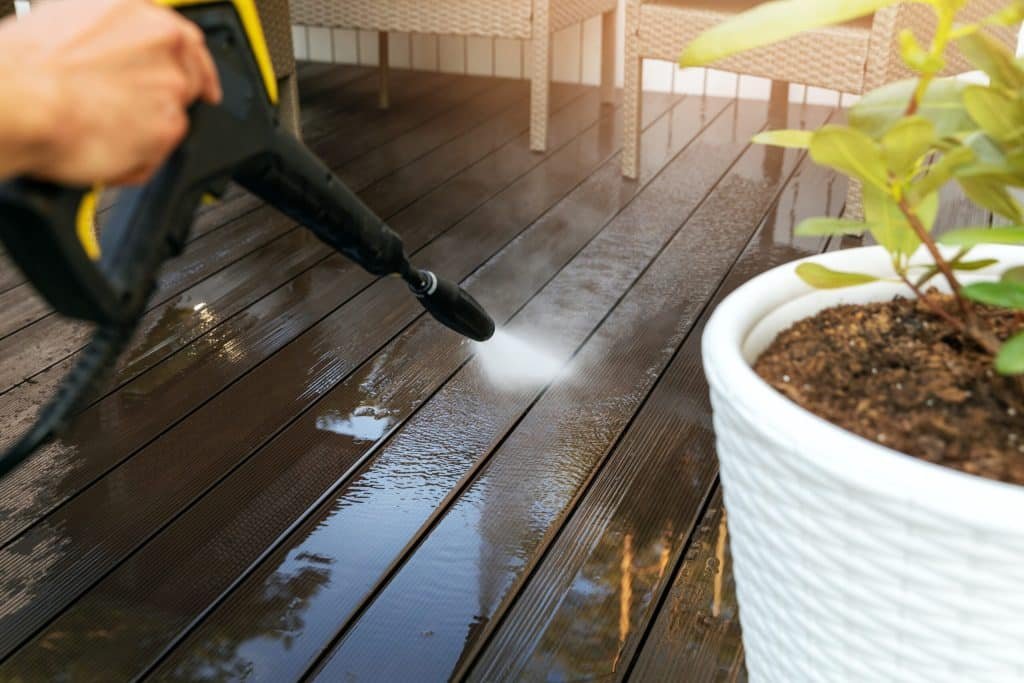
Credit: customdeckcreations.com
Food and drink stains
For ketchup, juice, wine, or sauce, wipe the spill quickly and clean with mild soap and warm water. A soft brush can help lift the stain. If needed, use a safe composite cleaner and rinse well.
Grease and oil
For grill grease or cooking oil, blot first. Do not spread it around. Use a degreasing cleaner that is approved for composite decking. Work gently and rinse fully. Repeat if needed instead of scrubbing harder.
Mildew and algae
Use a cleaner made for mildew on composite surfaces. Trex decks can collect growth in shady or damp areas, especially under planters or near downspouts. A mild wash and good airflow usually help prevent it from coming back.
Rust stains
Rust often comes from metal furniture, screws, or plant pots. Remove the source first. Then use a stain remover that is safe for composite decking. Test in a hidden spot before applying it to the full stain.
Scuff marks
Many scuffs from shoes or furniture can be removed with mild soap and a soft brush. Do not use abrasive pads unless the manufacturer says they are safe. Rough pads can change the shine of the surface.
Seasonal care that keeps cleaning easy
Good deck care is not just about cleaning. It is also about preventing buildup. The less dirt that settles in, the less pressure you need later.
Do these simple habits
- Sweep weekly during heavy use seasons
- Rinse after pollen season or storms
- Move rugs and planters now and then so moisture does not stay trapped
- Check corners and shaded areas for mildew
- Clean spills the same day, if possible
A second smart habit is to watch water flow on the deck after rain. If water pools in one area, dirt will collect there faster. Fixing drainage issues can make cleaning much easier and reduce stain problems over time.
Hand cleaning vs. power washing: which is better?
Each method has a place. Hand cleaning is safer and better for light dirt or older decking. Power washing is faster for larger jobs or textured buildup. The best choice depends on the deck’s condition, the kind of dirt, and how comfortable you are with the machine.
If your Trex deck is newer and only mildly dirty, hand cleaning is often enough. If it has a lot of pollen, algae, or grime in grooves, a gentle pressure wash can save time. The real question is not whether you can use a washer. It is whether the deck truly needs one.
Choose hand cleaning when
- The deck is small
- The dirt is light
- The surface is already worn
- You are cleaning near plants or delicate trim
Choose power washing when
- The deck is larger
- There is stubborn surface dirt
- Grooves hold grime that a hose cannot remove
- You can control the pressure safely
Practical tips that protect the finish
These small habits can make a big difference in how your deck looks after cleaning.
- Always test a hidden board first.
- Keep the nozzle moving in smooth passes.
- Clean on a mild day if possible.
- Use soft tools, not sharp ones.
- Rinse metal railings and nearby glass after using cleaner.
- Store the washer tip and hose carefully so grit does not scratch the deck later.
One more detail worth remembering: if your deck has older composite boards, the finish may be more delicate than newer products. A safe setting for one deck may still be too strong for another. Age matters.
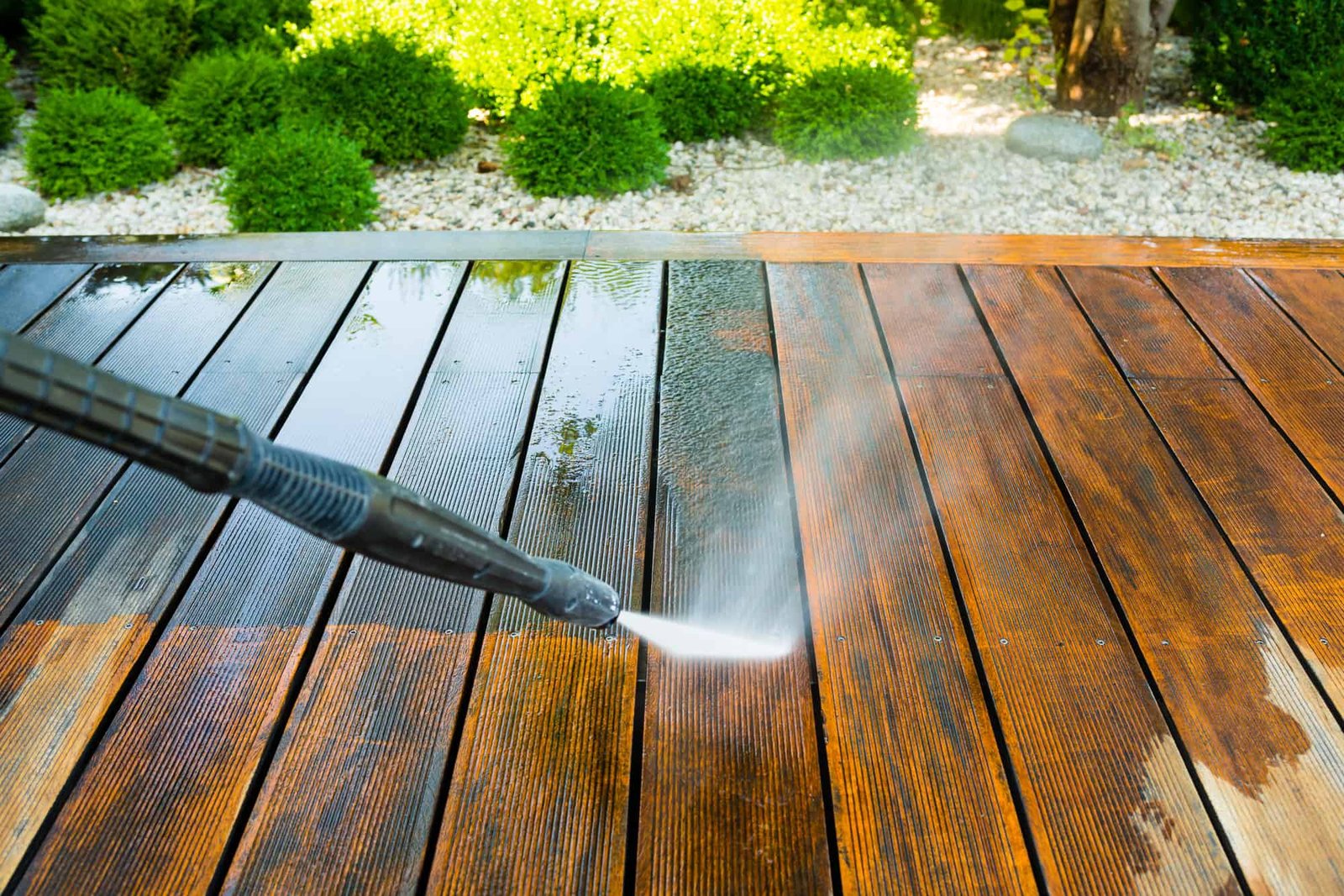
Credit: decks-docks.com
Final answer: should you power wash a Trex deck?
Yes, you can power wash a Trex deck, but only with care. Use a fan nozzle, low to moderate pressure, safe cleaners, and smooth movements. Avoid harsh chemicals, tight spray angles, and long pauses in one spot. When done properly, pressure washing can be a fast and useful way to keep composite decking looking fresh.
If the deck is lightly dirty, a hose, mild soap, and a soft brush may be all you need. If the deck has heavier buildup, a gentle pressure wash can help. The best result always comes from patience, not force.
In the end, the safest rule is simple: clean Trex as if you want to protect the surface, not strip it. That mindset keeps the deck looking good longer and helps you avoid costly mistakes.
FAQs
1. Can you power wash a Trex deck every year?
Yes, many homeowners do a gentle pressure wash once a year, especially in spring or early summer. If your deck only has light dirt, you may not need a washer every year. Sweeping and rinsing may be enough.
2. What pressure is safe for Trex decking?
Use the lowest effective pressure and a wide fan tip. Trex recommends gentle cleaning methods, so avoid strong settings and narrow nozzles. Always check the care guide for your specific product line before you start.
3. Will a pressure washer remove stains from Trex?
It can remove loose dirt, pollen, and some surface stains. But deep grease, rust, or mildew may need a special cleaner first. Pressure alone is not always the answer.
4. Can bleach damage a Trex deck?
Strong bleach mixes can harm the finish or affect nearby plants and hardware. It is better to use a cleaner made for composite decking or a mild soap solution unless the manufacturer approves something stronger.
5. What is the best way to clean a dirty Trex deck without a pressure washer?
Sweep first, rinse with a hose, apply a mild cleaner, scrub with a soft brush, and rinse again. This method is safer for older or lightly stained decks and works well for regular maintenance.
