
If you have ever held a screw in one hand and a hammer in the other, you are not alone. Many people wonder can you hammer in a screw when the right tool is missing or when the job feels too small to matter. It looks simple, fast, and maybe even smart in the moment.
But screws and nails are not built the same way. A screw is made to twist into material. A hammer is made to drive things straight down. That difference matters more than most beginners think. If you use the wrong force, you can damage the screw, split the wood, or weaken the whole joint.
In this article, you will learn what really happens when you hammer a screw, when it might seem to work, why it usually fails, and the better way to use a screw so your project stays strong and safe.
Before forcing a fastener, compare the different types of screwdrivers, decide when a screw gun vs drill makes more sense, and keep this guide on how to drill out a stripped screw handy for repairs.
What happens when you hammer a screw
When you hammer a screw, you are forcing a threaded fastener into material without letting the threads do their job. A screw is designed to cut or bite into the surface as it turns. A hammer pushes it straight in, which creates a different kind of stress.
At first, it may seem like the screw is going in. The point may enter wood, drywall, or a soft surface. But after that, trouble usually starts. The threads can crush the material instead of gripping it. The screw head can bend, the shaft can warp, and the tip can lose its shape.
In soft wood, a hammer may drive a screw partway in, but the hold is usually poor. In harder wood or metal, the screw can bounce, bend, or break. In many cases, the screw will no longer be usable after one bad hit.
Here is the key idea: a screw does not work by force alone. It works by rotation, grip, and pressure spread across the threads. When you hammer it, you remove the twisting action that makes the screw strong in the first place.
Why screws are built for turning, not pounding
Screws have threads for a reason. Those threads pull the screw forward bit by bit as it turns. That slow movement creates a tight hold inside the material. A hammer skips that process.
Think of it this way:
- A nail is smooth and made to be driven with impact.
- A screw has ridges and is made to be rotated.
- A hammer gives shock, while a screwdriver gives control.
That is why hammering a screw often causes damage even if the screw seems to go in at first.
Can you hammer in a screw in an emergency?
The short answer is yes, sometimes, but it is rarely the best choice. If you are in a true emergency and you only need a temporary hold, you may be able to tap a screw into very soft material. But that is a last-resort move, not a proper fix.
For example, if you are hanging something light and do not have a screwdriver nearby, you might tap a small screw into a soft wooden surface just enough to keep the item in place for a short time. Even then, the hold may not last. The screw may loosen, lean, or pull out later.
There is a better question to ask: Should you hammer in a screw? In most cases, the answer is no. If the job matters, wait for the proper tool. If the load is heavy, never rely on hammering.
When a screw may seem to go in easily
Some materials are soft enough that a screw can be pushed or tapped in with little resistance. This can create a false sense of success. The screw may feel tight at first, but that does not mean it is secure.
Common cases include:
- Soft pine or very dry wood
- Thin drywall with the right anchor
- Foam board or other weak material
- Temporary indoor fixes with very light load
Even in these cases, the connection is often weaker than a properly driven screw. The deeper problem is not just whether the screw entered the material. It is whether the threads are actually holding it there.
The risks of hammering a screw
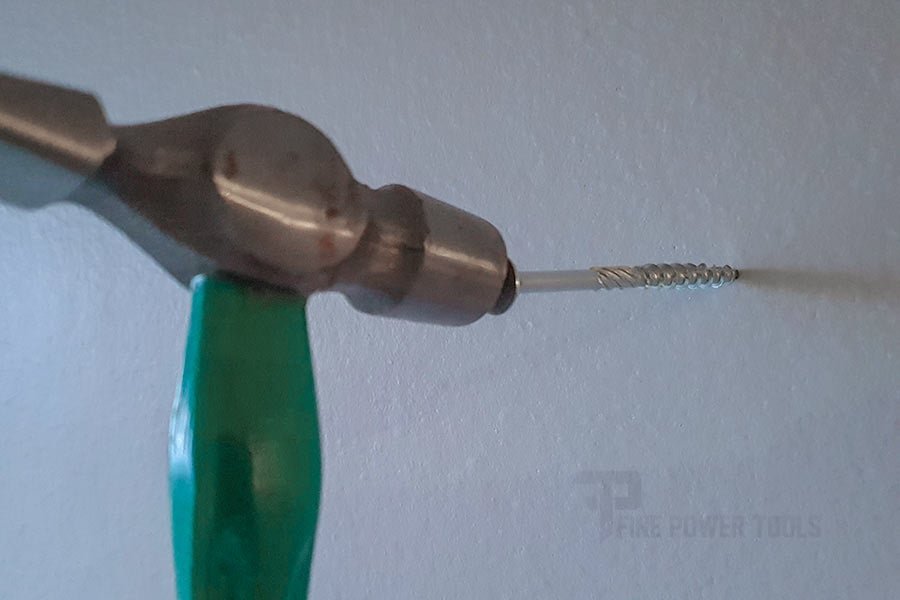
Hammering a screw can create several problems, and some of them are not obvious at first. A beginner may see the screw “go in” and think the job is done. Later, the item falls, the wood cracks, or the screw head strips.
Credit: finepowertools.com
1. You can bend the screw
Screws are not made to absorb side impact. A hammer strike can bend the shaft, especially on thin screws. Once bent, the screw may not drive straight anymore, and it can become hard to remove.
2. You can strip the head
If you strike near the head or try to force the screw after damaging the slot, the head may strip. That means your screwdriver no longer grips well. The screw becomes stuck and frustrating to remove.
3. You can split the material
Wood is especially vulnerable. Driving a screw with a hammer can push the fibers apart too quickly. This is one of the easiest ways to split a board near the edge. Beginners often miss this risk because the split may appear only after the wood dries or shifts.
4. You can weaken the grip
A screw works best when its threads are fully engaged. Hammering can crush the surrounding material, leaving a loose hole. The screw may feel tight at first, but it can loosen with vibration or use.
5. You can make later repair harder
A damaged screw is harder to remove cleanly. If you ever need to replace it, you may need pliers, a screw extractor, or even drilling. A quick shortcut can turn into a longer repair job.
The better way to use a screw
The better way is simple: pre-drill if needed, then drive the screw with the correct tool. That gives the screw a clean path, reduces cracking, and helps the threads grab properly.
For most basic projects, use a screwdriver or drill with the right bit. Apply steady pressure, keep the screw straight, and let the threads work. That method is slower than hammering, but it is far stronger and safer.
How to drive a screw the right way
- Choose the correct screw size and type for the material.
- Mark the spot where the screw should go.
- If the material is hard or likely to split, drill a pilot hole.
- Place the screw in the hole.
- Use a screwdriver or drill to turn it slowly and evenly.
- Stop when the head is snug. Do not overtighten.
This process may sound basic, but it solves most screw problems before they start. A proper pilot hole is one of the most important steps beginners skip.
Why pilot holes matter more than many people think
A pilot hole gives the screw a path and reduces pressure on the wood. This is especially useful near edges, in hardwood, or when using longer screws. Many people think pilot holes are only for expert carpentry, but they are useful in everyday home projects too.
Here is a simple rule:
- Soft wood: pilot holes may not always be needed, but they can still help.
- Hardwood: pilot holes are strongly recommended.
- Near the edge of wood: pilot holes help prevent splitting.
- Long screws: pilot holes reduce resistance and make driving easier.
Screw versus nail: do not confuse their jobs
One of the biggest beginner mistakes is treating screws like nails. They are related, but they are not interchangeable. A nail is made for impact. A screw is made for grip.
If you need something to be fast and temporary, a nail may be the better choice in some materials. If you need stronger holding power and more control, use a screw. Choosing the right fastener is often more important than choosing the fastest method.
| Feature | Screw | Nail |
|---|---|---|
| Main action | Turns into material | Drives straight in |
| Best tool | Screwdriver or drill | Hammer |
| Holding power | Usually stronger | Good for some quick jobs |
| Removal | Usually easier to remove cleanly | Can be harder to pull out |
| Risk when hammered | Bending, stripping, weak grip | Normal use |
What to do if you already hammered a screw
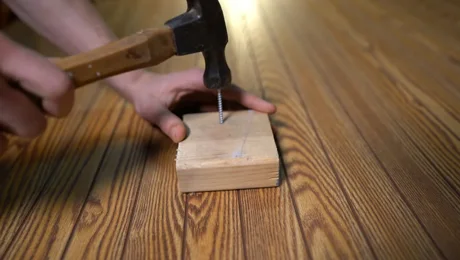
If you already hammered a screw and now it looks damaged, do not panic. There are ways to fix or replace it depending on the situation.
Credit: handyworkshop.com
If the screw is still usable
Sometimes the screw is only slightly damaged. If the head is okay and the shaft is straight, you may still be able to back it out and reinstall it properly. Use the correct screwdriver bit and turn slowly.
If the head is stripped
If the head is stripped, try a rubber band trick or a larger bit if the damage is minor. For heavier damage, use locking pliers or a screw extractor. If needed, drill the screw out carefully.
If the wood is split
If the wood split, removing the screw may be only part of the solution. You may need wood glue, filler, clamps, or a new piece of material depending on how bad the crack is.
If the screw is bent
A bent screw should usually be replaced. Even if you can force it out, it may not go back in straight or hold well after damage.
One useful habit is to inspect the screw before using it again. If the threads are crushed or the tip is damaged, do not reuse it for anything important.
Better tool choices for the job
If you do not have a screwdriver nearby, the answer is not to switch to a hammer. It is to find a more suitable tool or method.
- Manual screwdriver: Best for control and small jobs.
- Cordless drill with driver bit: Best for speed and repeated work.
- Impact driver: Best for larger screws and tougher material.
- Drill bit set: Useful when you need pilot holes.
- Screwdriver set: Helps match different head types like Phillips, flat, Torx, and square.
A good tip many beginners miss is this: the wrong bit can make a screw feel “stuck” even when the problem is just poor fit. A bit that is too small or too large can strip the head quickly. Matching the bit properly makes the job much easier.
Common mistakes people make with screws
Most screw problems come from a few repeated mistakes. If you avoid these, your projects will usually go better.
Using too much force
People often think tighter is always better. It is not. Overtightening can strip the threads, crush soft material, or snap the screw.
Skipping pilot holes
This is one of the main reasons wood splits. A quick pilot hole saves time later.
Using the wrong screw type
Not all screws are the same. Some are made for wood, some for metal, and some for drywall. Using the wrong one weakens the result.
Choosing the wrong length
A screw that is too short may not hold. A screw that is too long may poke through the other side or damage hidden material.
Trying to force a bad fit
If the screw does not want to go in, stop and check the setup. The problem may be the hole size, the angle, the bit, or the material.
When hammering is never a good idea
There are times when hammering a screw is not just a bad choice, but a dangerous one.
- When the screw must hold weight
- When you are working near glass or wiring
- When the material is brittle or expensive
- When the screw must be removed later
- When you need a clean, professional finish
If the project is structural, load-bearing, or visible, do it properly. The small time saved by hammering is not worth the repair later.
For safe hardware guidance and general fastener use, a trusted source like The Home Depot can be helpful.
Practical rule you can remember
Here is the simplest way to remember it:
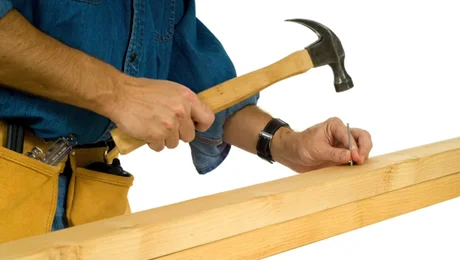
If it twists, use a tool that twists. If it hits, use a tool that hits.
That one rule will prevent a lot of damage. Screws twist. Nails hit. Mixing the two usually causes trouble.
Another useful shortcut is this: if you are asking can you hammer in a screw, you probably already know the proper tool is missing. In that case, pause and choose the right method instead of forcing the wrong one.
Credit: handyworkshop.com
Final thoughts
So, can you hammer in a screw? Sometimes, yes. But just because you can does not mean you should. Hammering a screw often bends it, strips the head, weakens the hold, and can damage the material around it. In many cases, it creates more work later.
The better way is simple and reliable: choose the right screw, make a pilot hole when needed, and drive it with a screwdriver or drill. That gives you stronger grip, cleaner results, and less frustration. For most jobs, the right tool is not just better. It is faster in the long run too.
FAQs
1. Can you hammer in a screw into wood?
You can sometimes tap a screw into soft wood, but it is not the right method. The screw may bend, split the wood, or hold poorly. Driving it with a screwdriver is much better.
2. Will hammering a screw make it hold better?
No. Hammering usually makes the hold worse because screws are designed to twist into material, not be forced in with impact.
3. What happens if I hammer a screw into drywall?
The screw may go in, but it may not grip well unless it is used with the correct anchor. Drywall can crumble, and the screw may loosen over time.
4. Is it okay to hammer a screw in an emergency?
Only for a very temporary, light-duty fix. If the item matters or will carry weight, wait for the proper tool.
5. What is the best way to drive a screw if I do not have a screwdriver?
A cordless drill with the correct driver bit is the best alternative. If you do not have that, it is better to get the right tool than to hammer the screw in.
