
If you have a miter saw in your workshop, you may wonder if it can do more than cut wood and plastic. The short answer is yes, can you cut metal with miter saw is not a strange question at all. Many people do it every day for framing, trim, conduit, pipe, and light steel work.
But the real answer is not just “yes.” It depends on the type of metal, the blade, the saw, and how you use it. A miter saw that cuts wood well can become dangerous if you treat metal the same way. Metal creates sparks, heat, and more stress on the tool. That means the setup matters a lot.
In this guide, you will learn what metals you can cut, what blade to use, what safety steps matter, and when a miter saw is the wrong tool. You will also see common mistakes that can ruin the blade or cause injury.
What a miter saw can and cannot do with metal
A miter saw is designed to make fast, accurate crosscuts at set angles. For metal, that works best on non-ferrous metal and on some light ferrous metal when the right blade is used. Non-ferrous means metals without iron, such as aluminum, brass, and copper.
This is where many beginners make a big mistake. They think every metal is the same. It is not. A miter saw can handle thin aluminum stock much more easily than thick steel pipe. The harder the metal, the more heat, friction, and wear you create.
If you are cutting metal often, you should think about the saw as a specialized tool with limits. It can be useful, but it is not a universal metal-cutting machine.
Metals that are usually safe to cut
- Aluminum — common for trim, tubing, and framing parts.
- Brass — softer than steel and easier to cut.
- Copper — often used in plumbing and electrical work.
- Thin-walled steel — possible with the correct blade, but more demanding.
Metals that need extra caution
- Stainless steel — hard, hot, and tough on blades.
- Thick steel pipe — can overload a standard saw.
- Hardened metal parts — often better cut with a different tool.
One important point many beginners miss: the problem is not only cutting speed. Metal chips can fly farther than sawdust, and hot sparks can land in places you do not expect. That is why the work area matters just as much as the blade choice.
The right blade makes the biggest difference
If you are asking can you cut metal with miter saw, the blade is the first thing to check. A standard wood blade should not be used on metal. It can grab, overheat, and damage the teeth very fast.
For metal cutting, use a blade made for the specific material. The most common choice is a carbide-tipped metal-cutting blade. These blades are built to cut non-ferrous metals or light steel with less heat and cleaner results.
Another type you may see is an abrasive wheel. It can cut metal, but it creates a lot of sparks and heat, and it wears down quickly. Carbide blades are usually cleaner and more controlled for most small workshop jobs.
What to look for in a metal-cutting blade
- Correct material rating — check if it is for aluminum only or also for ferrous metal.
- Tooth design — more teeth usually give a smoother cut.
- Blade diameter — it must match your miter saw.
- RPM rating — the blade must be safe for your saw speed.
Why tooth count matters
A blade with more teeth usually removes less material at once. That helps reduce grabbing and makes the cut smoother. But too many teeth can slow the cut down if the metal is thick. So the best blade is not always the one with the highest tooth count. It is the one made for your exact job.
For example, cutting aluminum trim needs a different approach than cutting thin steel tube. Aluminum is softer and can gum up the blade if the wrong teeth are used. Steel needs more durability and heat control.
How to cut metal safely with a miter saw
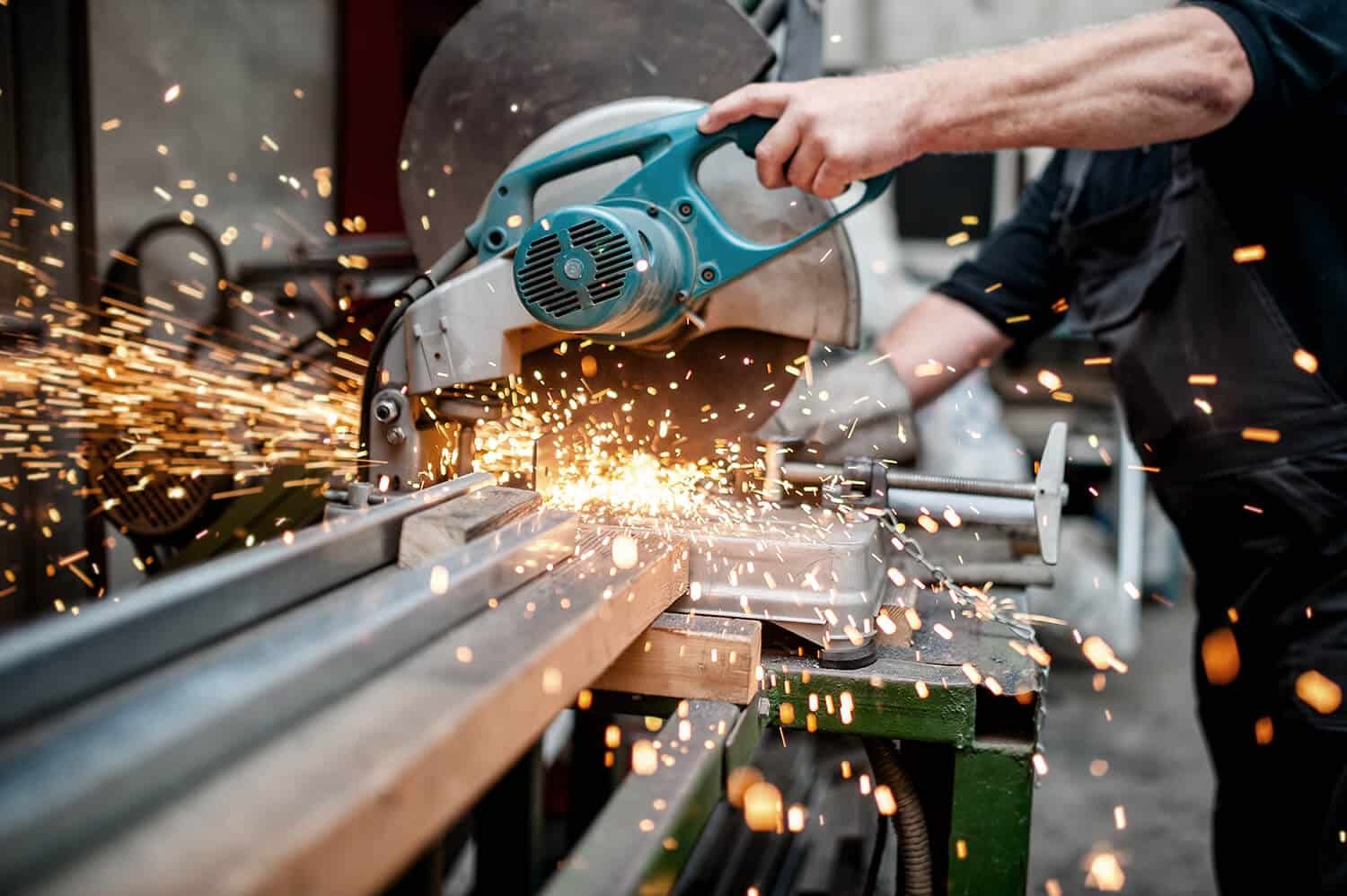
Before any cut, stop and prepare the saw correctly. Metal work leaves less room for error than wood work. A small slip can bend the material, damage the blade, or send hot chips into the air.
Credit: thetoolscout.com
Basic safety steps
- Use the right blade for the metal you are cutting.
- Clamp the metal tightly so it cannot move.
- Wear safety glasses and a face shield if sparks are possible.
- Wear hearing protection because metal cutting can be loud.
- Keep hands away from the cut line and blade path.
- Let the blade reach full speed before lowering it into the metal.
- Cut slowly and steadily without forcing the blade.
- Wait for the blade to stop before lifting it back up fully.
Another detail many people overlook is chip control. Metal chips are sharper than sawdust and can stay hot. Clear the area before and after the cut. Do not let chips build up around the fence or clamp area.
Best way to hold the workpiece
The metal should sit flat and stable against the fence and table. If it is round pipe or tubing, use a fixture, stop block, or clamp that keeps it from rolling. A round piece that moves even a little can twist in the blade and ruin the cut.
For long stock, support both sides of the saw. If the material dips or lifts during the cut, the blade can bind. This is one of the most common beginner mistakes.
Simple rule for better cuts
Let the saw do the work. If you push too hard, heat rises fast, the blade wears faster, and the cut can become rough or crooked. A calm feed rate gives better results and protects the saw.
Which type of miter saw works best
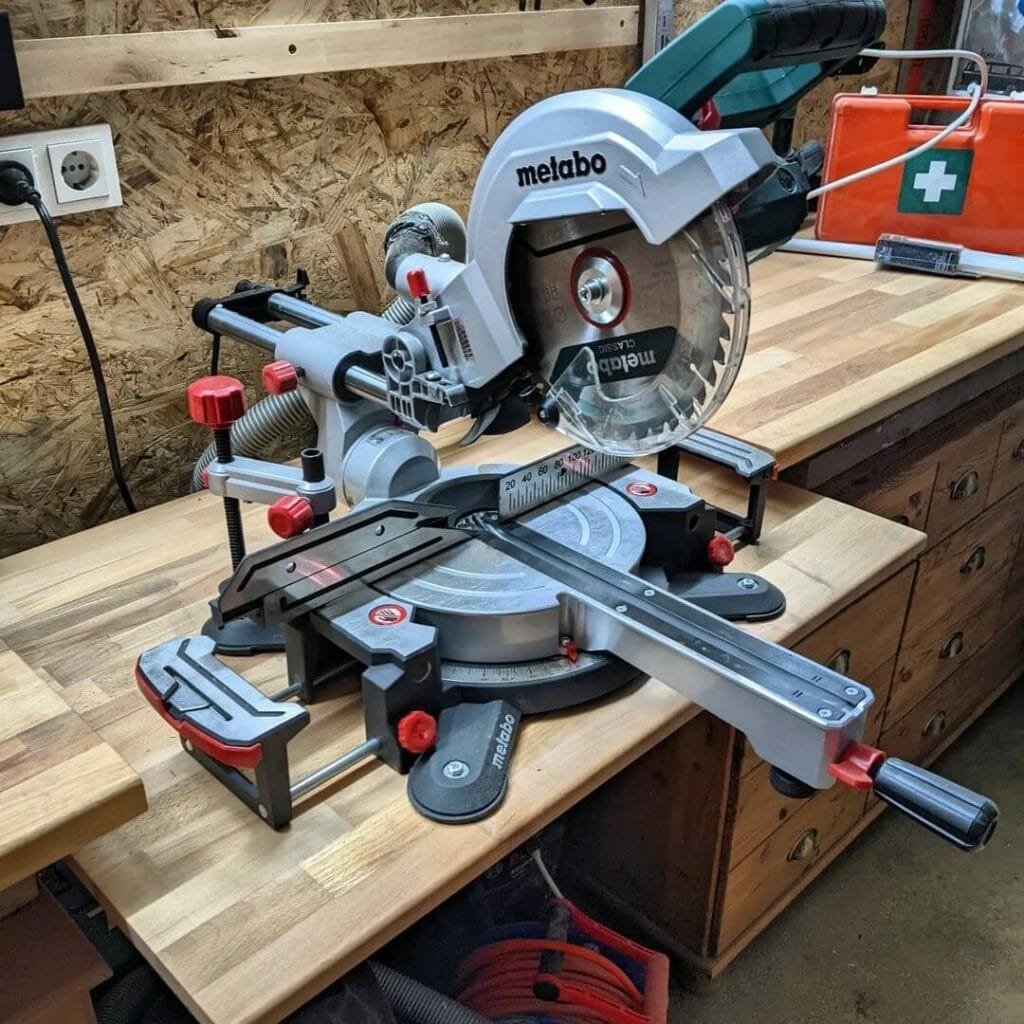
Not every miter saw is equally suited for metal. A standard miter saw can work for light tasks if the blade is correct, but a compound or sliding miter saw gives more flexibility. Still, more features do not automatically mean better metal cutting.
What matters more is the build quality, motor strength, and whether the saw can handle the speed and resistance of metal cuts. A weak motor may struggle, especially on thicker material.
| Saw type | Best use | Metal cutting ability |
|---|---|---|
| Standard miter saw | Basic crosscuts and simple angle cuts | Good for light metal with the right blade |
| Sliding miter saw | Wider material and more flexible cuts | Useful for long or wide non-ferrous stock |
| Compound miter saw | Bevel and angle cuts | Helpful, but more setup care is needed |
| Dedicated metal-cutting saw | Frequent metal work | Best choice for regular and heavier metal cutting |
If you will cut metal only once in a while, a miter saw may be enough. If you do metal work often, a dedicated metal saw is usually safer and more efficient. That is a non-obvious point many buyers miss: the cheapest tool is not always cheapest in the long run if blades burn out fast or cuts are inaccurate.
Cut quality: what to expect
Metal cuts from a miter saw can be clean, but not always perfect. The final result depends on the blade, the speed of the saw, and the type of metal. Softer metal like aluminum often gives smoother results. Harder metal may show more burrs and heat marks.
A burr is a rough edge left after cutting. It is common in metal work. You may need a file, deburring tool, or sandpaper to finish the edge. This is normal and should be part of the job, not seen as a failure.
Credit: thetoolscout.com
Signs of a good cut
- The blade moves through the metal without grabbing.
- The cut edge is straight and even.
- There is limited discoloration from heat.
- The workpiece stays secure during the cut.
Signs something is wrong
- The saw slows down too much.
- Smoke or heavy sparks appear quickly.
- The metal tears instead of cutting cleanly.
- The blade leaves rough, jagged edges.
If you see these signs, stop and check the setup. The wrong blade or a loose workpiece is often the real issue, not the saw itself.
Common mistakes people make
Most problems happen before the cut even starts. People rush the setup, use the wrong blade, or assume the saw can handle any job. That is where damage and accidents begin.
1. Using a wood blade on metal
This is the most dangerous mistake. A wood blade is not built for metal. It can dull quickly, kick back, or break teeth under stress.
2. Cutting without clamping
Loose metal is risky. It can rotate, slide, or jump during the cut. Always secure the piece.
3. Cutting too fast
Fast movement creates heat and poor control. If the blade sounds like it is struggling, slow down.
4. Ignoring sparks and chips
Hot debris can burn skin, damage nearby items, or start a fire. Clear the area first.
5. Using the wrong saw for the job
A miter saw is great for many small and medium metal cuts. But for thick steel or repeated heavy cuts, a chop saw or dedicated metal saw may be the better choice.
How to get cleaner results
A few small habits can make a big difference. First, mark your cut line clearly with a fine marker or scribe. Second, measure twice, because metal cuts are harder to fix than wood cuts. Third, keep the blade clean. Metal residue can build up on the teeth and reduce performance.
One practical tip that beginners often miss: let the blade finish spinning before you remove the cut piece. Pulling the metal away too early can scrape the cut edge, make burrs worse, or catch the blade on a small offcut.
Another useful habit is to test on scrap metal first. A short test cut can tell you if the blade is right, the clamp is stable, and the feed speed feels safe.
When a miter saw is not the best choice
Sometimes the best answer to can you cut metal with miter saw is “yes, but not for this job.” That matters. Some cuts are simply better done with another tool.
Consider a different saw if you are working with:
- Thick steel bars
- Repeated production cuts
- Very hard metal
- Large diameter pipe
- Materials that create too much heat or vibration
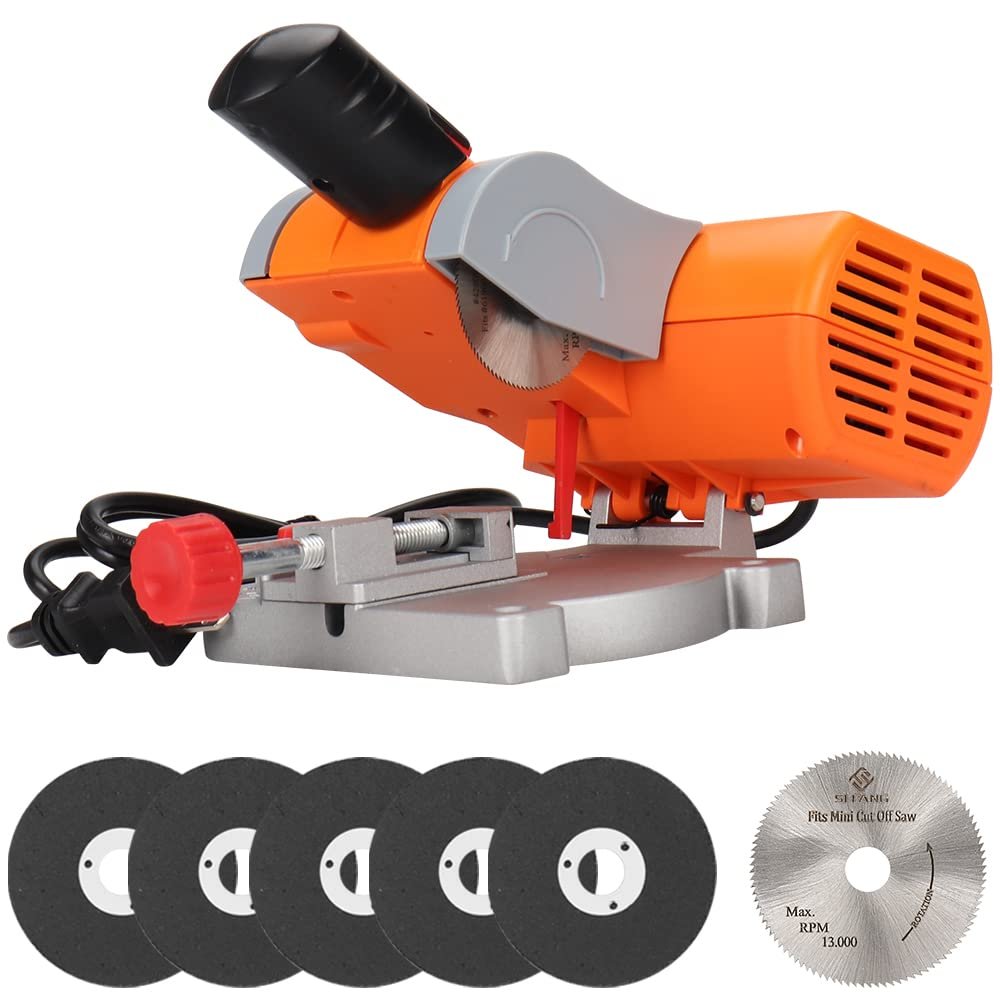
For those jobs, an abrasive chop saw, band saw, or dedicated cold-cut saw may give better safety and control. A cold-cut saw, in particular, can be a strong choice for cleaner metal cuts with less heat. If you want a trusted safety reference on tool use, the OSHA website is a useful place to review general workshop safety guidance.
Credit: amazon.com
Final thoughts
Yes, you can cut metal with a miter saw, but only when the saw, blade, and material are matched correctly. The safest and best results usually come from cutting softer or thinner metals with a proper metal-cutting blade, secure clamping, and a slow, steady feed.
The big lesson is simple: the saw is only part of the answer. Blade choice, work support, and safety habits matter just as much. If you respect those limits, a miter saw can be a very useful metal-cutting tool for the right jobs.
FAQs
1. Can you cut metal with miter saw using a wood blade?
No. A wood blade should not be used to cut metal. It can wear out fast, grab the material, and create a safety risk. Use a blade made for metal instead.
2. Can you cut aluminum with a miter saw?
Yes, aluminum is one of the easiest metals to cut with a miter saw. Use the correct blade for non-ferrous metal and clamp the workpiece well to prevent slipping.
3. Can you cut steel with a miter saw?
Yes, but only light steel in many cases, and only with the right blade. Thick or hard steel is usually better cut with a dedicated metal saw or another tool made for heavier work.
4. Why does metal get hot when cut on a miter saw?
Heat comes from friction between the blade and the metal. If the blade is wrong, dull, or pushed too hard, the temperature rises even more. A slower, steady cut helps reduce heat.
5. What is the safest way to cut metal with a miter saw?
Use the right metal-cutting blade, clamp the material firmly, wear eye and ear protection, and cut at a steady pace without forcing the saw. Keep sparks and chips away from your body and work area.
