
If you have a hacksaw in your toolbox, you may wonder if it can do more than cut metal. The short answer is yes, can hacksaws cut wood? They can, but not always well, and not always safely. A hacksaw is made for thin metal, plastic, and small tough materials. Wood is a different job.
Still, there are times when a hacksaw can help. Maybe you only need a quick cut on a small wooden stick, dowel, or trim piece. Maybe you do not have a saw for wood nearby. In those cases, a hacksaw may work. But the result depends on the wood type, the blade, and how you use it.
Before you try, it helps to know what a hacksaw can really do, where it fails, and when another tool is a much better choice. That can save you time, effort, and a messy cut.
What a hacksaw is designed to cut
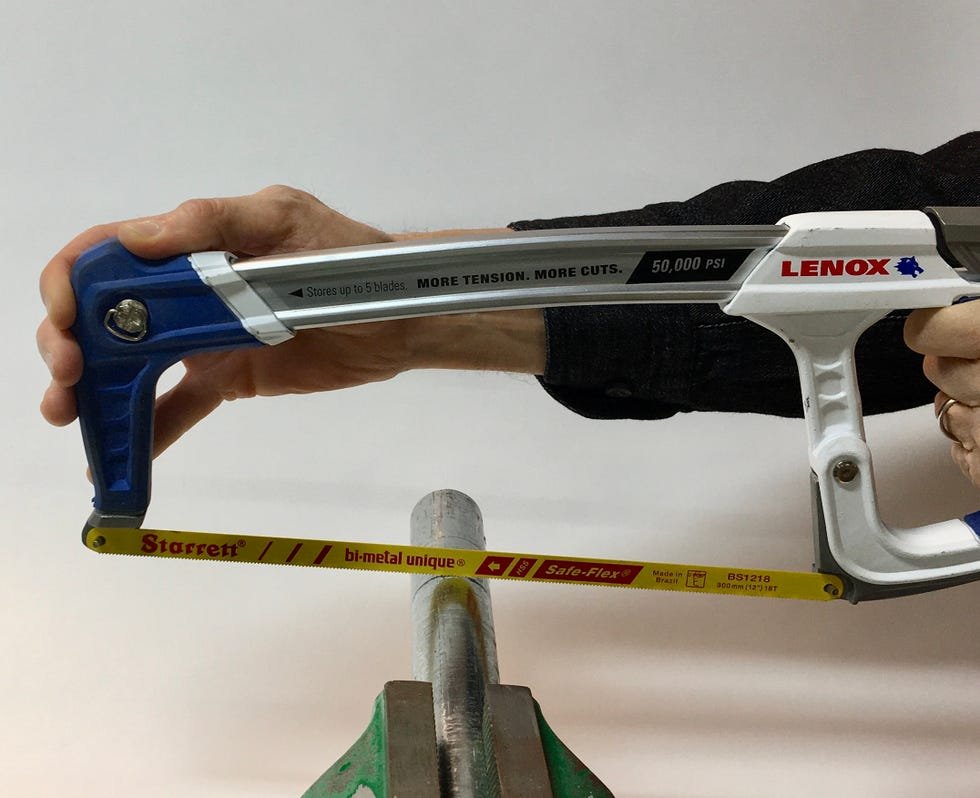
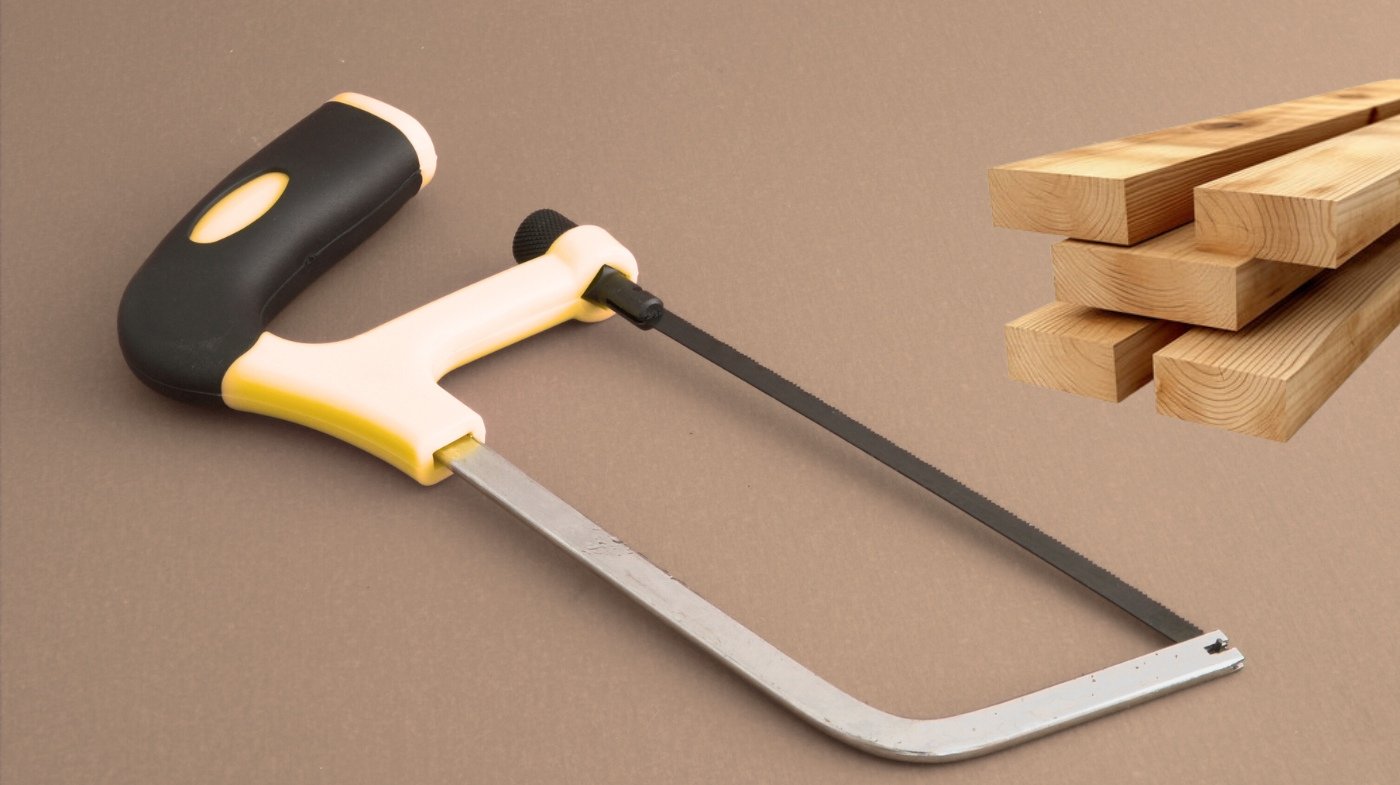
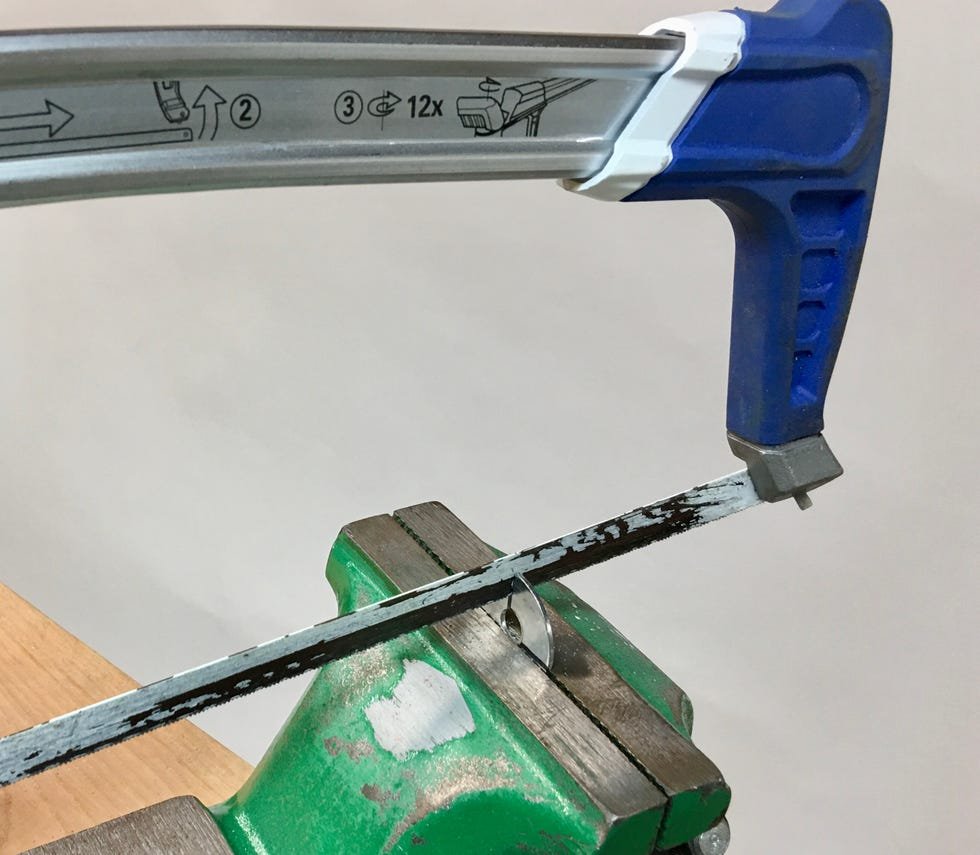
A hacksaw is a hand saw with a thin blade under tension in a metal frame. If you need broader setup and technique guidance, start with our how to use a hacksaw guide. Most people use it for metal pipe, bolts, screws, and plastic tubing. The teeth are small and close together. This design helps the blade make controlled cuts in hard materials.
Wood is usually cut with bigger teeth and more aggressive blades. A wood saw removes material fast and clears sawdust well. A hacksaw does not do that as easily. Its small teeth can clog with wood fibers, especially in soft or wet wood.
That is the first important point: a hacksaw can cut wood, but it is not built for it. It can work in some situations, but it is not the best choice for regular wood cutting.
So, can hacksaws cut wood?
Yes, can hacksaws cut wood in many cases, especially if the wood is thin, dry, and small. You can cut dowels, small branches, craft wood, and narrow trim pieces. A hacksaw can also handle softwoods better than dense hardwoods.
But the cut will usually be slower and rougher than with a saw made for wood. You may also need to clean the blade often because wood dust can fill the teeth. If the blade is not right for the job, it may bind, drag, or wander off the line.
Think of it this way: a hacksaw is a backup option for wood, not the best first option.
When a hacksaw works reasonably well
- Small wooden dowels
- Thin craft wood
- Softwood pieces like pine
- Small branches or sticks
- Light trimming in an emergency
When it becomes a bad choice
- Thick lumber
- Hardwood like oak or maple
- Long straight cuts
- Clean finish cuts for furniture
- Repeated cutting jobs
Why a hacksaw struggles with wood
The biggest problem is tooth design. Hacksaw blades have fine teeth made to bite into metal in a controlled way. Wood fibers are softer and more flexible. Instead of cutting cleanly, the blade can tear them. That is why the surface often looks rough.
Another issue is clearance. Wood creates more debris than thin metal cutting. Fine hacksaw teeth can trap sawdust. Once the teeth clog, cutting becomes harder and heat builds up. The blade may feel sticky and slow.
There is also the matter of speed. A hacksaw removes material slowly. If you push too hard, the blade can flex. That makes the cut less accurate. It also raises the chance of the blade breaking or slipping.
One less obvious point many beginners miss is this: the frame shape can get in the way on wider wood pieces. Hacksaw frames are narrow and designed for compact work. On a thicker board, the frame may hit the wood before the blade finishes the cut.
The type of wood matters more than you may think
Not all wood behaves the same. Softwood, hardwood, wet wood, and treated wood all cut differently. This changes how useful a hacksaw will be.
| Wood type | Hacksaw result | What to expect |
|---|---|---|
| Softwood | Possible | Slower cut, rough edges, easier than hardwood |
| Hardwood | Poor to fair | More effort, more clogging, higher blade wear |
| Dry small dowels | Good enough | Clean enough for basic work if handled well |
| Wet wood | Poor | Blade clogs fast and cutting becomes messy |
| Pressure-treated wood | Fair to poor | Dense, sometimes damp, and rough on the blade |
If you only need to shorten a small pine stick, a hacksaw may be enough. If you want a clean cut in oak, you will probably regret using it.
Credit: popularmechanics.com
Blade choice makes a big difference
If you plan to cut wood with a hacksaw, the blade matters more than many people expect. A standard metal-cutting blade can do the job in a pinch, but it is not ideal. A blade with slightly larger teeth may cut wood better because it clears dust more easily; our types of hacksaw frames and blades guide explains the blade options in more detail.
Some people use a blade meant for general-purpose cutting or a fine-toothed wood blade in a hacksaw frame. That can improve the result. Still, even with a better blade, the hacksaw is not the same as a real wood saw.
What to look for in a blade
- Tooth spacing: Slightly larger teeth help clear sawdust
- Sharpness: Dull blades drag and tear wood fibers
- Condition: Bent or worn blades cut poorly and can snap
- Material: Bimetal blades last longer than basic carbon blades
A non-obvious tip: do not use too many fine teeth for wood. It may sound safer, but very fine teeth often pack with dust faster. That can make the cut harder, not easier.
How to cut wood with a hacksaw the right way
If you must use a hacksaw, a careful setup improves the result. The wood should be stable, the mark should be clear, and the blade should move smoothly. Do not rush the cut.
Step 1: Mark the cut line clearly
Use a pencil and a square if the cut needs to be straight. A thin line helps you track the blade. On round stock like dowels, wrap paper around the wood to guide a straight line.
Step 2: Clamp the wood firmly
Loose wood moves, and that makes the cut crooked. Use a vise or clamp. If the piece is small, hold it against a solid surface and make sure it cannot roll.
Step 3: Start with light strokes
Begin gently. Let the teeth bite before applying pressure. Hard pushing at the start can cause the blade to skip or scratch the surface in the wrong place.
Step 4: Keep the stroke steady
Use long, even strokes if the frame allows it. Do not twist the saw. Let the blade do the work. If the cut starts to drift, stop and correct the angle early.
Step 5: Clear dust if needed
If the blade feels stuck, pull it out and clean the teeth. A quick brush or even a tap can remove packed dust. This small step can make a big difference in cutting speed.
Step 6: Finish the cut slowly
As you get near the end, support the offcut so it does not snap away and splinter. Slow down to protect the wood edge and keep the finish cleaner.
Common mistakes people make
Many first-time users think a hacksaw is just a small saw and should work on anything. That idea causes most problems. A hacksaw can cut wood, but the cut usually gets worse when people use it like a wood saw.
- Using too much force: This bends the blade and ruins accuracy
- Cutting unsupported wood: The piece moves and splits
- Using a clogged blade: The saw slows down and heats up
- Trying to cut thick boards: The frame may block the stroke
- Expecting a smooth finish: Hacksaws usually leave rough edges
Another common mistake is ignoring the wood grain. A cut that looks easy on paper may splinter if you cut across fragile grain without support. If the wood is brittle, score the line first with a knife or utility blade before sawing.
Credit: woodhandy.com
How to get a cleaner cut
You can improve the result with a few simple habits. These do not turn a hacksaw into a real wood saw, but they do help.
- Use a fresh blade
- Clamp the wood tightly
- Start with a light kerf, then deepen it slowly
- Keep the blade angle steady
- Support both sides of the cut
- Sand the edge after cutting
If you want a smoother finish on small wood pieces, sanding or filing after the cut is often necessary. That is normal. A hacksaw cut is usually a rough cut, not a final finish.
Better tools for wood if you have them
If the goal is to cut wood well, other tools are usually a better match. You will get less effort, better speed, and a cleaner edge. For larger straight cuts, a powered setup like a table saw is often more suitable; see our how to use a table saw guide before choosing that route.
- Coping saw: Good for thin wood and detail cuts
- Back saw: Better for cleaner straight cuts
- Hand saw: Strong all-around choice for general wood cutting
- Japanese pull saw: Fast, clean, and easy to control
- Jigsaw: Best for curved cuts and thicker material
If you want general tool guidance from a trusted source, the Occupational Safety and Health Administration has useful safety information for hand tools and cutting work.
Safety points before you try it
Cutting wood with a hacksaw is not highly dangerous, but small mistakes can still cause injury. The blade can slip, the wood can move, and small chips can fly.
- Wear eye protection
- Keep fingers away from the cut line
- Clamp the workpiece before starting
- Do not use a damaged blade
- Work on a stable surface
One useful habit is to stand in a balanced position before you begin. If the saw slips, good footing helps you stay in control. This sounds simple, but it matters more than many beginners expect.
Final verdict: should you use a hacksaw on wood?
If you are asking can hacksaws cut wood, the answer is yes. But the better question is whether they should. For small, light, and simple cuts, a hacksaw can be good enough. For larger jobs, it is the wrong tool.
Use a hacksaw on wood only when the wood is small, the cut is simple, and you do not have a better saw nearby. If the wood is thick, hard, or needs a neat finish, choose a real wood saw instead. That will save effort and give you a much better result.
In short, a hacksaw can cut wood, but it is a backup option. Know its limits, use the right blade if possible, and do not expect it to perform like a saw made for timber.
Credit: popularmechanics.com
FAQs
1. Can hacksaws cut wood without damaging the blade?
Yes, but the blade may wear faster than it would on metal work. Soft, dry wood is easier on the blade than hard or wet wood. If the blade starts to clog or drag, clean it or replace it.
2. Is a hacksaw better than a hand saw for wood?
No. A hand saw is usually much better for wood. It cuts faster, clears dust better, and gives a cleaner edge. A hacksaw is only useful for small cuts or emergency jobs.
3. What type of wood is easiest to cut with a hacksaw?
Thin, dry softwood is the easiest. Small pine dowels, craft sticks, and light branches are usually manageable. Hardwood and wet wood are much harder to cut well.
4. Can I use the same hacksaw blade for metal and wood?
Yes, but it is not ideal. A blade that has cut metal may still cut wood, but clogged teeth and dull edges can make the job worse. A cleaner, sharper blade will work better.
5. What should I do if the hacksaw keeps getting stuck in the wood?
Stop and check the blade. The teeth may be clogged with dust, the wood may be clamped badly, or the blade may be too fine for the material. Clean the blade, improve the support, and use lighter strokes.
