
Yes, can drywall get wet is a simple question, but the real answer is more serious than many people think. Drywall is strong enough for daily use, yet it is still a paper-faced gypsum board. That means water can change it fast. A small spill may dry with little harm. A soaked wall, on the other hand, can weaken, stain, swell, and even grow mold.
If you know what happens when drywall gets wet, you can act early and avoid bigger damage. This matters in homes after roof leaks, pipe leaks, flood water, or even high humidity in a bathroom or basement. Some drywall can be saved. Some cannot. The key is knowing the difference.
In this guide, you will learn what happens to wet drywall, the risks you should not ignore, how long it takes to dry, when it must be replaced, and how to fix it the right way. You will also see a few mistakes people often make when they try to save a wall too late.
What Happens When Drywall Gets Wet
Drywall is made from a gypsum core pressed between layers of paper. Gypsum itself is not very strong when wet. The paper facing also absorbs water quickly. Once moisture gets inside, the board can change shape and lose strength.
The first signs are often small. The wall may feel soft or cool. Paint may bubble. Joint tape may loosen. After more water exposure, the board may swell at the edges, bend, crack, or sag. In bad cases, it can break apart when touched.
Not every wet drywall problem looks dramatic at first. That is one reason people wait too long. A wall may look okay on the surface while the inside stays damp. Hidden moisture can keep feeding mold and rot behind the wall.
Common physical changes
- Softening: The wall loses firmness and feels weak.
- Sagging: Ceiling drywall may bow downward from water weight.
- Swelling: Edges and seams expand when the board absorbs moisture.
- Cracking: As the wall dries unevenly, small cracks may appear.
- Delamination: The paper layers can separate from the gypsum core.
One useful detail many beginners miss is that the damage often depends on how long the drywall stayed wet, not just how much water hit it. A short splash near the sink is very different from a slow leak behind a wall that lasted two days.
How Wet Is Too Wet?
The answer depends on the source, the length of exposure, and the room. Drywall can handle a little moisture in some cases, but it cannot handle being soaked. If water touched only the surface and dried fast, the wall may survive. If the board was saturated, it is usually a different story.
Here is a simple way to think about it:
| Water exposure | Likely result | What to do |
|---|---|---|
| Light splash | Usually minor surface damage | Dry it quickly and watch for stains |
| Repeated dampness | Paint damage, soft spots, possible mold | Inspect carefully and dry with airflow |
| Soaking from a leak | Structural weakness and swelling | Remove damaged sections if needed |
| Flood water | High risk of mold and contamination | Replace most or all affected drywall |
Another detail people often miss is the type of water. Clean water from a supply line is less dangerous than dirty water from a sewer backup or flood. Contaminated water can leave behind bacteria, debris, and hidden health risks. In those cases, saving drywall is usually not worth it.
Main Risks of Wet Drywall
Wet drywall is not just an appearance problem. It can create structural, health, and cost issues that grow over time.
1. Mold growth
Mold can begin within 24 to 48 hours if conditions stay damp. The paper on drywall is a good food source for mold. Once growth starts inside a wall cavity, you may not see it right away. You may only notice a musty smell or dark stains later.
If mold spreads, cleanup becomes harder and more expensive. It can also trigger allergies or breathing trouble for some people.
2. Weak structure
Drywall is not a load-bearing material, but it still matters. It helps support finishes, protect insulation, and create a stable wall surface. When it gets wet, it can lose its shape and crumble. Ceiling drywall is especially risky because it may fall if the board becomes too heavy or damaged.
3. Staining and paint failure
Water often leaves brown stains, rings, or yellow marks. Even if the wall dries, the stain may return through fresh paint unless you seal it first. Paint can also blister, peel, or look uneven after a wet event.
4. Hidden damage behind the wall
The visible drywall may be only part of the problem. Water can reach insulation, wood framing, electrical boxes, and trim. That is why it is smart to inspect beyond the surface. A wall that looks “mostly okay” can still hide a bigger issue inside.
5. Odor problems
Wet materials often create a stale smell. If the smell stays after the wall looks dry, that usually means moisture is still trapped somewhere. Do not ignore that signal. It often points to hidden damage.
How Long Can Drywall Stay Wet Before It Fails?
There is no perfect timer, but time matters a lot. A wall that dries within a few hours may recover. A wall left damp for a day or more may begin to weaken. After 48 hours, mold risk rises sharply.
The room also matters. Warm air, strong ventilation, and low humidity help drywall dry faster. A cold basement or closed room slows the process. Thick wall assemblies and insulation can hold moisture even longer.
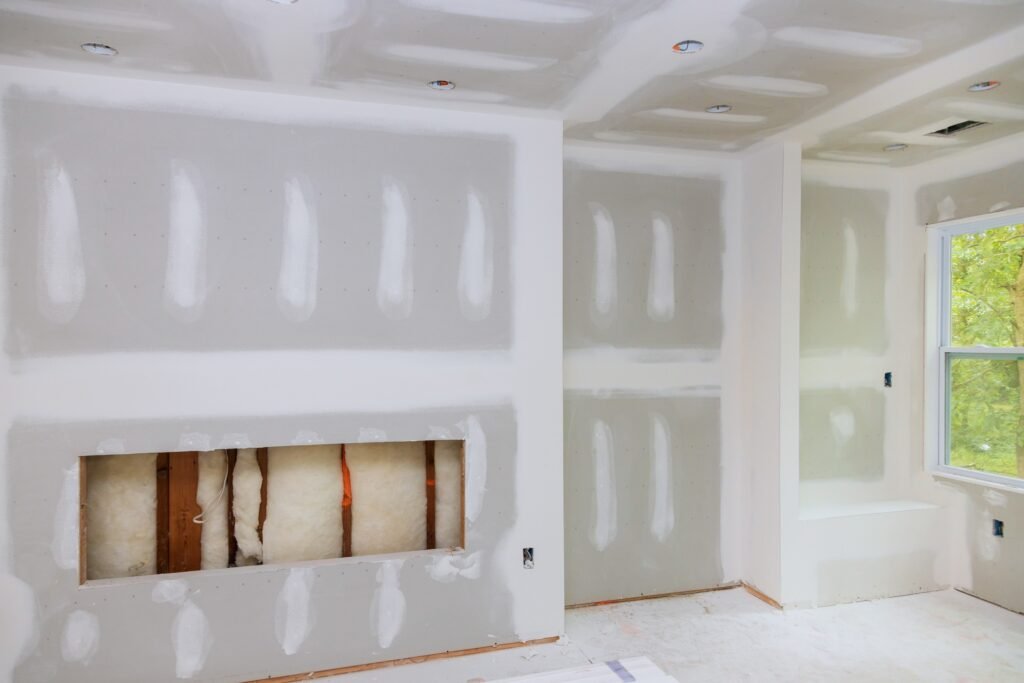
If you are asking can drywall get wet and still be saved, the honest answer is yes, sometimes. But the window is small. Fast action makes the difference between a simple dry-out and a full replacement job.
Credit: acecarpetcleaningdfw.com
Signs the drywall may still be salvageable
- No soft spots when pressed gently
- No swelling at seams or edges
- No mold smell
- No visible warping or crumbling
- Drying started within a few hours
Signs it should be replaced
- The board is sagging or breaking apart
- It stayed wet for more than 24 to 48 hours
- Mold is visible
- The water was dirty or contaminated
- The paper face is peeling off
What to Do Right Away After Drywall Gets Wet
Speed matters. The goal is to stop more water, remove hidden moisture, and decide whether the drywall can be saved. Do not wait for it to “dry on its own.” That usually leads to mold or deeper damage.
- Stop the water source. Fix the leak, shut off the valve, or block the entry point.
- Protect the area. Move furniture, rugs, and anything that can absorb moisture.
- Dry the surface quickly. Use fans, open windows if the outside air is dry, and run a dehumidifier.
- Check both sides of the wall. Look for stains, bulges, and wet trim.
- Inspect nearby materials. Baseboards, insulation, and framing may also need attention.
- Test the drywall. Gently press the wall. Soft or spongy areas are a warning sign.
If the water came from a major leak or flood, safety comes first. Turn off electricity in the affected area if needed and avoid touching outlets or switches that may be wet.
For broad water damage guidance, the U.S. Environmental Protection Agency offers useful mold and moisture advice for homes.
How to Dry Wet Drywall the Right Way
Drying drywall is not about speed alone. It is about removing moisture without trapping it inside. A wall that feels dry on top can still be damp behind the paint or inside the cavity.
Step 1: Improve airflow
Place fans so air moves across the wet area. Do not aim only at one spot. Even airflow helps water leave the surface more evenly.
Step 2: Lower humidity
A dehumidifier pulls moisture from the air. This is especially important in closed rooms, basements, or humid climates. If the air stays wet, the drywall will dry very slowly.
Step 3: Remove baseboards if needed
Sometimes moisture gets trapped near the bottom of the wall. Removing baseboards can help air reach the lower section. It also lets you check for hidden swelling.
Step 4: Open up the wall if damage is serious
If water entered the cavity, small inspection cuts may be needed. This helps confirm whether insulation or framing is wet. In many cases, this is the only way to know if the problem is deeper than the surface.
Step 5: Use meters or professional testing
Moisture meters can help check if the wall is still damp. This is more reliable than touch alone. A wall can feel dry but still hold moisture inside.
One non-obvious point many homeowners miss: drying too fast can also be a problem if the wall surface dries while the inside stays wet. That is why airflow and dehumidification should work together. Fast surface drying without moisture removal can leave a damp core behind.
When Drywall Must Be Cut Out and Replaced
Sometimes repair is not the right choice. If the board is ruined, replacement is safer and often cheaper in the long run. Trying to save badly damaged drywall can leave mold inside the wall and lead to repeated repairs.
You should plan to replace drywall if:
- The board is soft, swollen, or falling apart
- The water line was high and the wall stayed wet for a long time
- There is visible mold
- The wall has a strong musty smell after drying
- The drywall was touched by sewage or flood water
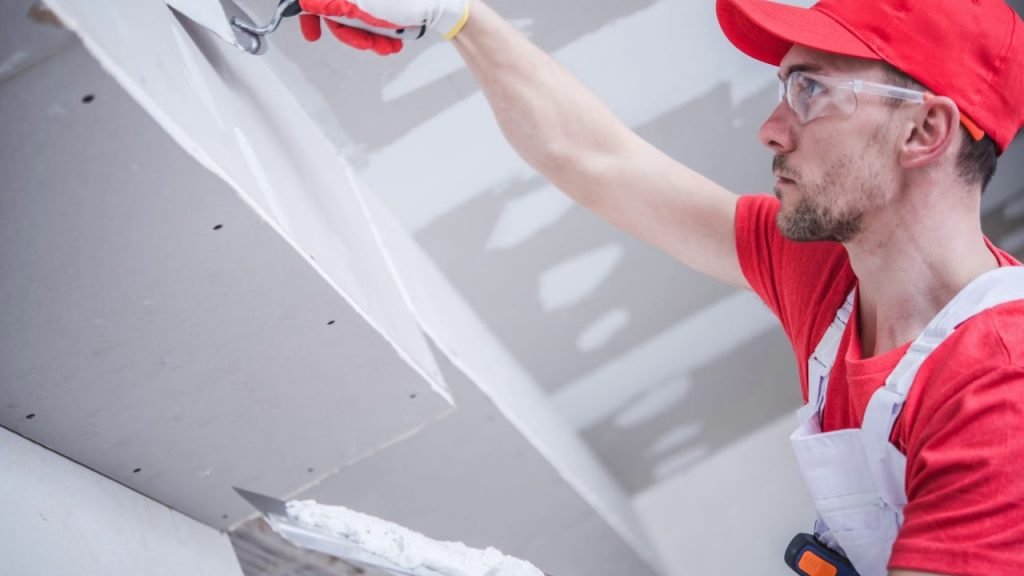
In many cases, the safest cut is a clean rectangle around the damaged area. Then the cavity can be inspected before new drywall goes in. Do not cover wet framing or insulation with fresh board. That traps the problem and makes it worse later.
Credit: puroclean.com
How to Fix Minor Wet Drywall Damage
If the damage is light and the wall dried quickly, you may not need full replacement. Still, the repair should be done carefully so the stain and weak spot do not return.
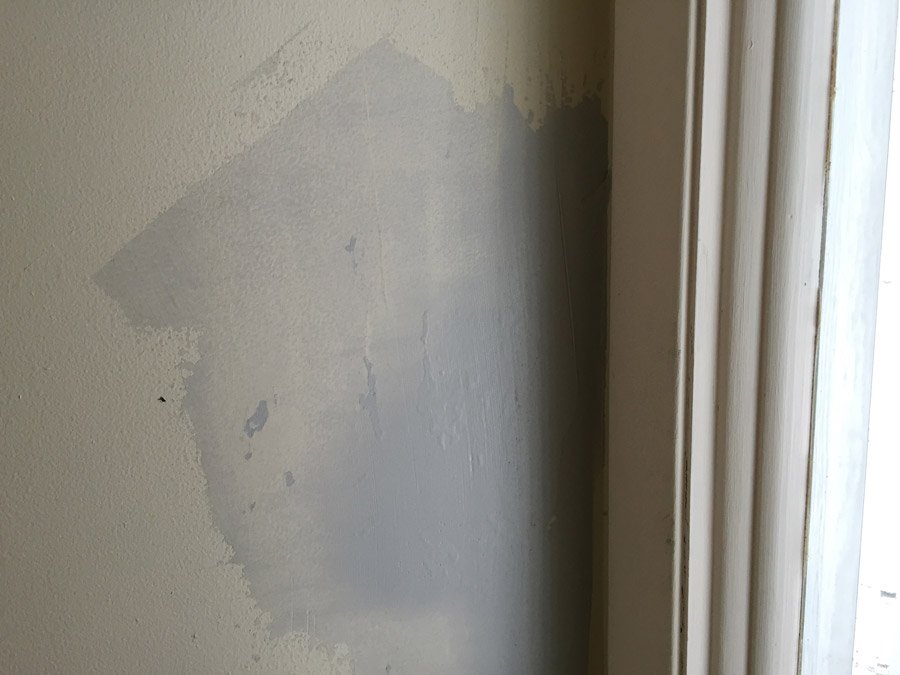
- Let the wall dry fully. Never patch damp drywall.
- Scrape away loose paint or paper. Use a putty knife gently.
- Seal stains. Use a stain-blocking primer so marks do not bleed through.
- Patch small dents or surface damage. Use joint compound in thin layers.
- Sand lightly after drying. Make the area smooth before repainting.
- Repaint with quality paint. Match the wall sheen as closely as possible.
If the paper face has peeled away, the repair becomes harder. Exposed gypsum does not accept paint well without sealing. For that reason, a small damaged area can turn into a larger patch job if it is ignored too long.
How to Repair Larger Sections the Safe Way
When the damage is beyond surface repair, replacing part of the wall is usually the best answer. The process is not complicated, but it must be done in the right order.
Basic repair approach
- Mark the damaged section.
- Cut back to solid, dry drywall.
- Check the framing and insulation inside the opening.
- Replace wet or moldy insulation if needed.
- Install new drywall of the same thickness.
- Tape, mud, sand, prime, and paint.
If you are working near electrical outlets or plumbing, be careful. Wet walls often hide wires, and that makes random cutting risky. When in doubt, use a professional.
Common mistake to avoid
Some people patch over a damaged wall before the inside is dry. That is one of the fastest ways to trap moisture and create mold. Another mistake is painting too soon. Fresh paint can seal in dampness and hide the warning signs until the damage grows.
How to Prevent Drywall From Getting Wet Again
Once a wall has been damaged, prevention matters even more. Fixing the cause is more important than fixing the surface. If the leak returns, the same problem will come back.
- Repair plumbing leaks quickly. Even a slow drip can cause damage over time.
- Keep bathrooms ventilated. Use exhaust fans during and after showers.
- Watch roof and window seals. Water often enters around weak edges.
- Control basement humidity. A dehumidifier can help a lot.
- Check walls after storms. Early signs are easier to fix than old damage.
Another useful insight: the most expensive drywall damage often starts with a small problem that repeats. A tiny leak under a sink, for example, can go unnoticed for months. By the time the wall looks damaged, the framing may also be affected. Regular checks are worth it.
Credit: merrypad.com
Can Drywall Get Wet and Still Be Safe to Keep?
Yes, sometimes. But safety depends on the condition after drying. If the wall is fully dry, still firm, and free from mold or odor, it may be safe to keep. If there is any doubt about contamination, hidden dampness, or structural weakness, replacement is the smarter choice.
When people ask can drywall get wet, they often hope for a simple yes or no. The better answer is this: drywall can tolerate a little moisture, but it does not handle serious water exposure well. The faster you act, the better your chances of saving it.
Think of drywall like paper with structure. A small splash is not always a disaster. A deep soak usually is. That simple idea can help you decide what to dry, what to inspect, and what to replace.
FAQs
1. Can drywall get wet and dry out without damage?
Yes, light moisture may dry without major damage if it is handled quickly. If the drywall was only splashed and did not stay wet, it may be fine. But if it soaked up water, swelled, or softened, damage is more likely.
2. How long does wet drywall take to dry?
Small damp spots may dry in a day or two with good airflow and low humidity. Larger wet areas can take longer. If the wall is still damp after 48 hours, you should inspect for hidden moisture and mold risk.
3. Can you paint over wet drywall?
No. Painting over wet drywall can trap moisture and cause peeling, bubbling, or mold later. The wall must be fully dry first. If there are stains, use a stain-blocking primer before painting.
4. Does wet drywall always need to be replaced?
No, not always. Minor surface dampness may be dried and repaired. But drywall that is soft, sagging, moldy, or soaked with dirty water should usually be replaced.
5. What is the biggest danger of leaving drywall wet?
The biggest danger is hidden mold and deeper damage behind the wall. Wet drywall can also weaken over time and create odors, stains, and costly repairs if the source of moisture is not fixed.
