
Choosing the right drill can feel simple at first. Then you see two common words on the box: brushless and brushed. The price difference is often big, and the claims can sound confusing. One tool is said to be stronger, smarter, and longer lasting. The other is cheaper and “good enough.” So what is really true?
If you are trying to understand the brushless vs brushed drill real differences explained in a practical way, this guide will help. You do not need technical knowledge to make a smart choice. You only need to know how these motors work, what that means in daily use, and when each type gives better value.
The biggest mistake buyers make is thinking brushless always means “best.” That is not true. A brushless drill is often better, but not for every user. A brushed drill can still be the smarter buy for many home jobs, light work, and lower budgets. The real answer depends on how often you drill, how hard you use the tool, and how much comfort matters to you.
What actually makes these two drills different?
The main difference is inside the motor. A brushed drill uses carbon brushes that touch a spinning part called the commutator. These brushes send power to the motor and help it turn. A brushless drill does not use those physical brushes. Instead, it uses electronic controls to send power more efficiently.
That small design change affects almost everything people care about: power, battery life, heat, noise, wear, and price. It is not just a marketing word. It changes how the drill behaves in real work.
Think of it like this: a brushed motor is simpler and older. A brushless motor is more modern and efficient. But simpler does not always mean worse. In many tools, simpler also means cheaper to buy and easier to replace if something goes wrong.
How a brushed drill works
A brushed drill uses two carbon brushes to carry electricity into the motor. As the motor spins, those brushes rub against a moving part. That rubbing creates friction. It also creates heat and gradual wear.
Because of this design, brushed drills usually lose some energy as heat. They can still work well, but not as efficiently as brushless models. Over time, the brushes also wear down and may need replacement.
How a brushless drill works
A brushless drill uses electronic sensors and control boards instead of physical brushes. The tool controls power more precisely. Since there is less friction inside the motor, less energy is wasted.
This is one reason brushless drills often run cooler and longer on a single battery charge. The motor also tends to last longer because there are fewer parts touching and wearing out.
The real-world differences buyers notice first
Technical details matter, but most buyers care about daily use. Here are the differences you will actually feel in your hand.
Battery life
Brushless drills usually give longer runtime. They use battery power more efficiently, which means you can do more work before recharging. This matters a lot if you use the drill all day or work far from a charger.
A brushed drill can still be fine for small jobs, but it will often drain the battery faster. If you only drill a few holes now and then, this may not matter much.
Power and performance under load
Brushless drills are often better at handling heavy jobs. When you press hard into dense wood, metal, or masonry, the motor can adjust power more intelligently. Many brushless drills keep speed better under load.
That said, a good brushed drill can still be strong enough for many tasks. The motor type is only one part of performance. Battery voltage, gear design, and overall build quality also matter.
Heat
Heat is one of the hidden reasons brushless drills last longer. Less friction means less heat inside the motor. A cooler motor usually means better efficiency and less stress on parts.
Brushed drills often get hotter during long or hard use. Heat is not always a problem for short tasks, but it can be important in frequent work.
Noise and feel
Brushless drills often feel smoother and quieter. Brushed drills can sound a little rougher because of the brush contact inside the motor. Some people notice this right away. Others do not care much.
The feel of the drill matters more than many buyers expect. A smoother drill can be easier to control, especially when driving screws into soft material.
Tool life
Brushless drills usually last longer because they have fewer wearing parts. The brushes in a brushed motor slowly wear out, so maintenance or replacement may be needed later.
This does not mean every brushed drill dies quickly. It just means the motor design naturally has more wear. For light home use, that may never become a real issue. For heavy use, it can matter a lot.
| Feature | Brushless drill | Brushed drill |
|---|---|---|
| Battery efficiency | Usually better | Usually lower |
| Heat | Lower | Higher |
| Maintenance | Very low | Brush wear possible |
| Price | Higher | Lower |
| Runtime | Longer | Shorter |
| Best for | Frequent or heavy use | Budget and light use |
Why brushless drills cost more
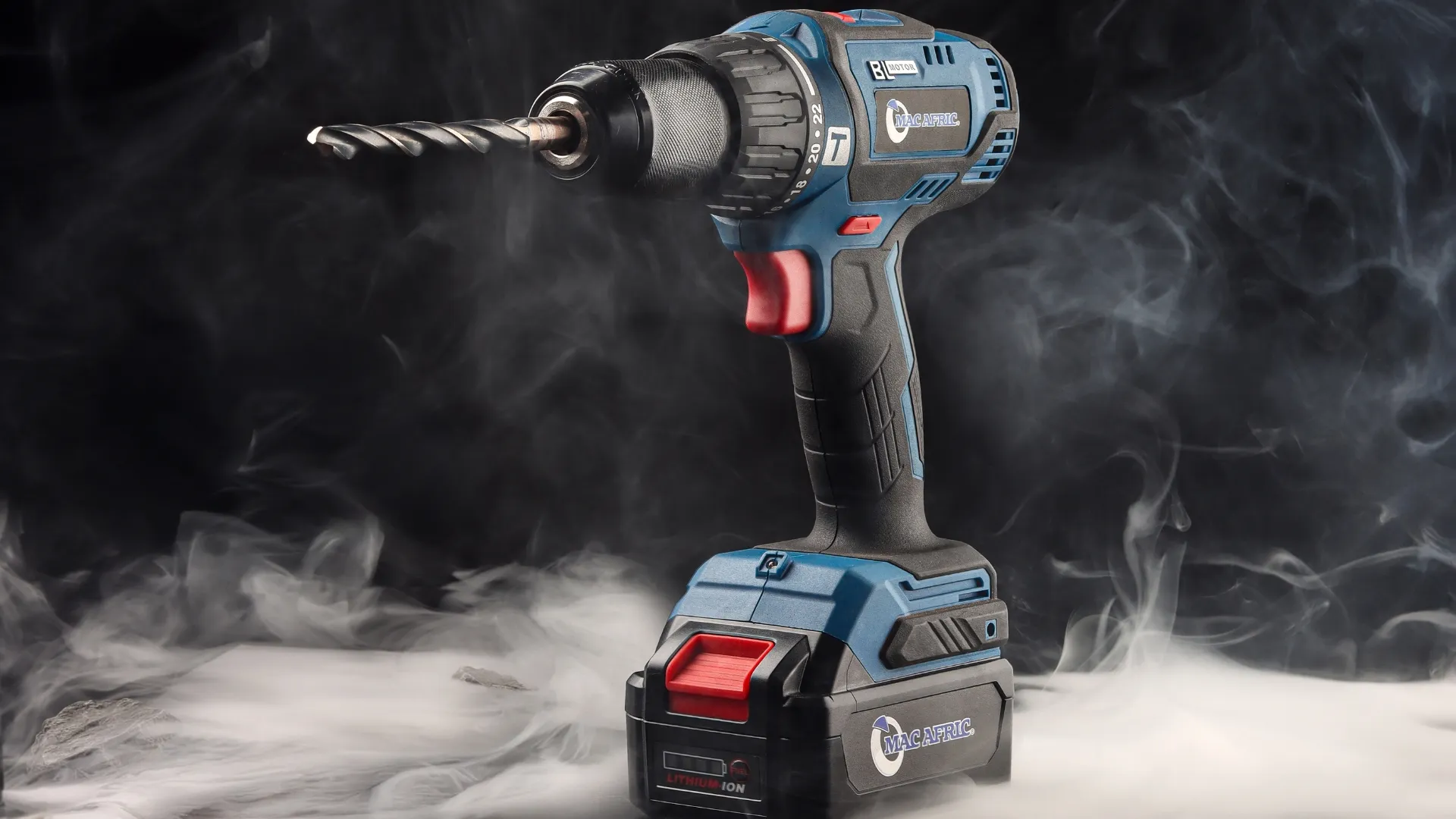
The price difference is not random. Brushless drills cost more because they use more advanced electronics and motor control systems. The parts are more complex, and the design is more expensive to build.
But here is the part many buyers miss: higher price does not always mean higher value for you. If you use a drill only a few times a month, a brushless model may save energy and last longer than you need, but that extra value may never pay back in a real way.
On the other hand, if you use a drill often, the higher price can make sense. Longer battery life, less heat, and better durability can save time and frustration. Over months or years, that can be worth the extra cost.
Credit: adendorff.co.za
The hidden cost most beginners miss
A brushed drill may look cheaper at checkout, but you should also think about battery usage and tool replacement. If the drill gets heavy use, worn brushes or lower efficiency can make the tool feel old sooner.
That is one of the most important brushless vs brushed drill real differences explained in practical terms: the cheaper tool can cost more in the long run if you use it hard enough.
When a brushed drill is still the smarter choice
It is easy to assume brushless is always better. That is not true. A brushed drill still makes sense in many situations.
You may want a brushed drill if you:
- Need a lower price
- Only do light home repairs
- Use the drill a few times a month
- Do not need long battery runtime
- Want a simple tool for basic tasks
For example, if you only hang shelves, assemble furniture, or drill small holes in wood, a brushed drill can handle the job well. You may not notice the weaker efficiency because your work sessions are short.
There is also a buyer mindset issue here. Some people buy a brushless drill because it sounds more professional, then use it very lightly. In that case, they often pay for performance they never fully use.
When brushless is worth the extra money
Brushless drills are a better fit if you work more often or need reliable performance. They make sense when the drill is not just a rare household tool, but something you use regularly.
Brushless is often the better choice if you:
- Use the drill often
- Work on larger projects
- Need longer runtime per charge
- Want less heat and smoother control
- Care about tool life and long-term value
Contractors, installers, remodelers, and serious DIY users often benefit most. The tool works harder, so the motor efficiency matters more. The extra battery life also reduces downtime.
Another non-obvious point: brushless drills often pair better with compact batteries. Because the motor wastes less energy, the tool can still feel strong even with a smaller battery pack. That can make the drill lighter and easier to carry.
Do brushless drills have any drawbacks?
Yes, they do. No tool type is perfect. Knowing the limits helps you avoid overspending.
First, brushless drills are usually more expensive. That is the biggest drawback for many buyers. If money is tight, the price gap can be hard to justify.
Second, the electronics inside a brushless tool can be more complex. In some cases, repairs may be more difficult or more expensive than with a brushed model. The tool may also be less appealing to someone who prefers simple, old-style mechanics.
Third, not every brushless drill is automatically better than every brushed drill. A cheap brushless drill can still feel weak if the battery, chuck, gears, or overall design are poor. The motor type matters, but brand quality matters too.
Credit: youwesaw.com
Do brushed drills have any advantages?
Yes, and this is where many buyers get surprised. Brushed drills are not outdated junk. They still have real advantages.
The biggest advantage is value. You often get a lower price for a tool that can still do the job well. For occasional users, that is enough.
Brushed drills can also be a good choice for people who want a very familiar tool. The design is simpler, and in many low-cost models, the learning curve is small. If the tool gets limited use, the brush wear may never become a serious issue.
Another useful point: some brushed drills are available in very affordable kits with batteries and chargers. If you are building a starter tool set, that can matter more than motor type.
What matters more than brushless or brushed?
This is one of the most useful parts of the buying decision. Many people focus only on the motor type, but other features can matter just as much.
Voltage
Voltage affects how much work the drill can do. A 12V drill is usually lighter and better for small jobs. An 18V or 20V drill is often better for stronger work. A high-quality brushed drill with the right voltage can be more useful than a weak brushless one with poor design.
Torque
Torque is the twisting force of the drill. Higher torque helps when driving long screws or drilling into harder material. If torque is too low, the drill may stall before the job is done.
Battery quality
A strong motor with a poor battery is still frustrating. Battery chemistry, capacity, and compatibility all matter. A better battery can sometimes improve the feeling of a tool more than the jump from brushed to brushless.
Chuck quality
The chuck holds the drill bit. If the chuck is weak or slips, the drill feels unreliable no matter what motor it has. This is a detail many beginners ignore.
Ergonomics
If the drill feels heavy, awkward, or unbalanced, you will not enjoy using it. A lighter brushed drill can sometimes be better for overhead work than a heavier brushless one.
Common buying mistakes to avoid
Many buyers make the same mistakes when comparing these tools. Avoiding them can save money and regret.
- Buying brushless just for the label
Some people assume brushless is always the best choice. It is not. If you only need the drill for light tasks, the upgrade may not be worth it.
- Ignoring the battery system
Two drills can look similar, but one may use a better battery platform. If you plan to buy other tools later, the battery family can matter more than the motor type.
- Choosing by price only
The cheapest drill is not always the best value. But the most expensive one is not always the best either. Think about use, not just cost.
- Forgetting about workload
A weekend user has different needs from a daily user. Be honest about how much you will really use the tool.
Which one should you buy?
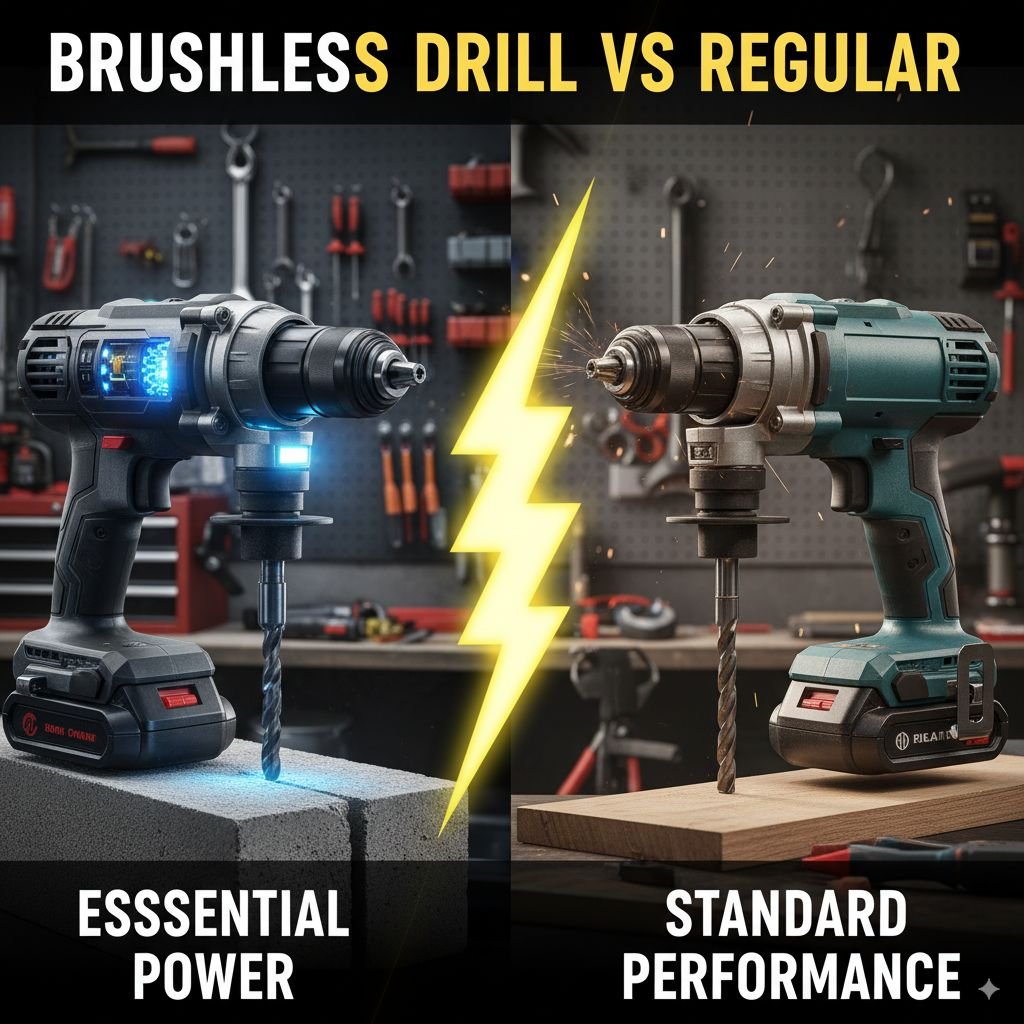
The simplest answer is this: buy a brushless drill if you use a drill often, want better battery life, and care about long-term performance. Buy a brushed drill if you want a lower price and only need a tool for light or occasional work.
If you are still unsure, use this rule:
- Light home user: brushed is often enough
- Regular DIY user: brushless gives better comfort and runtime
- Heavy user or professional: brushless is usually the better investment
There is also a useful middle-ground approach. If you are building your first tool kit and budget matters most, start with a good brushed drill from a reliable brand. If you later find yourself using it all the time, upgrade to brushless when the extra performance will truly help.
If you want a deeper technical overview of motor design, the Encyclopaedia Britannica explanation of electric motors is a solid reference.
Credit: woodworkingadvisor.com
Bottom line for smart buyers
The brushless vs brushed drill real differences explained in simple terms are not about hype. They are about efficiency, heat, runtime, and wear. Brushless drills are usually better tools, but brushed drills still offer strong value for the right user.
Do not buy based on the motor type alone. Match the drill to your actual work. If you need a tool for occasional home use, brushed can be the practical choice. If you want longer battery life, smoother performance, and less maintenance, brushless is worth the higher price.
The best drill is not the one with the most modern label. It is the one that fits your jobs, your budget, and how often you really work.
FAQs
1. Is a brushless drill always better than a brushed drill?
No. Brushless drills are usually more efficient and durable, but brushed drills can still be the better choice if you want a lower price and only do light work.
2. Do brushless drills really last longer?
Usually yes. They have fewer wearing parts and run cooler, which helps reduce long-term wear. But the final lifespan still depends on brand quality and how the tool is used.
3. Can a brushed drill handle professional work?
Yes, in some cases. A good brushed drill can handle many jobs, especially if the work is not continuous all day. Still, brushless tools are often better for heavy daily use.
4. Why are brushless drills more expensive?
They use more advanced electronics and motor control systems. That makes them more costly to produce, which usually raises the price for the buyer.
5. What should I choose for home use?
If you only do small repairs, furniture assembly, and light drilling, a brushed drill is often enough. If you want longer battery life and expect more frequent use, brushless is the better upgrade.
