
Choosing the right fastener can save time, money, and a lot of frustration. In many projects, the choice comes down to bolt vs screw. They may look similar at first glance, but they do different jobs and work in different ways.
If you use the wrong one, the joint may loosen, strip, crack, or fail too early. For a broader fastener comparison, it also helps to understand nails vs screws before choosing hardware for a project. If you use the right one, the connection feels solid, lasts longer, and is easier to service later. That is why it helps to understand the real difference, not just the names.
In this guide, you will learn how bolts and screws differ, where each one works best, and how to choose the right fastener for wood, metal, machinery, furniture, and home repairs. You will also see the small details that beginners often miss, like thread style, head type, and whether the load is pulling or clamping.
What makes a bolt different from a screw
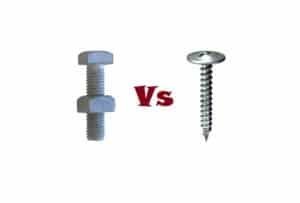
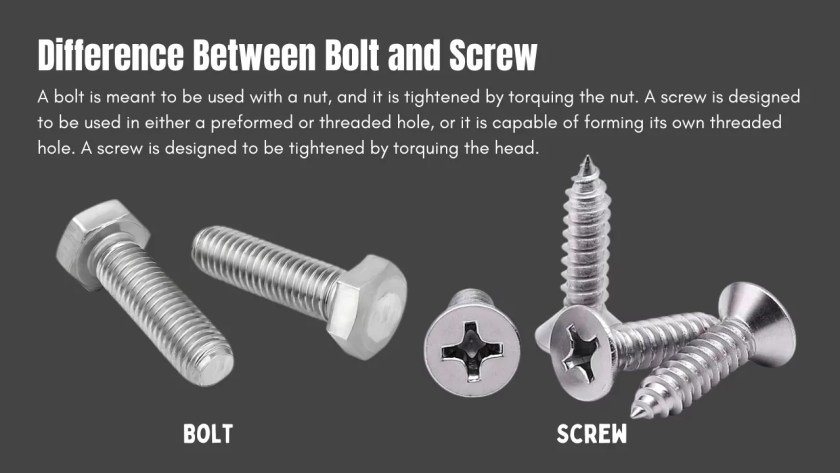
The simplest way to think about it is this: a bolt usually works with a nut or a pre-threaded hole, while a screw usually creates its own grip in the material or threads directly into a matching hole. That is the basic idea, but real-life use is a little more flexible.
In many jobs, people call a fastener a bolt or a screw based on how it is used, not only on its shape. Still, the core difference stays useful. Bolts are often used where two parts must be clamped tightly together. Screws are often used where one part needs to bite into wood, plastic, or thin metal.
Another common difference is how you tighten them. A bolt is often tightened from the head while the nut stays on the other side. A screw is tightened into the material itself. That changes how the joint behaves under stress and how easy it is to take apart later.
The basic working idea
A bolt depends on a companion part, usually a nut. When you tighten the bolt, it pulls two pieces together and creates strong clamping force. This makes bolts very useful in structural joints, machinery, vehicles, and other places where parts need to stay aligned.
A screw creates holding power by threading into a material or into a threaded hole. In wood, the threads cut and grip the fibers. In metal, machine screws often go into a tapped hole. In these cases, the screw itself is part of the holding system.
Why the naming can be confusing
Some fasteners do not fit neatly into one box. For example, a lag screw looks like a screw, but people sometimes call it a lag bolt. If that naming trips you up, see the detailed lag screw vs lag bolt comparison. A hex head bolt may be used like a screw in some settings. The name alone is not always enough.
That is why it is better to ask: How is it installed? What material is it joining? Does it need a nut? Is the hole threaded? These questions tell you more than the label does.
Key differences you should know
When people compare bolt vs screw, they often focus only on appearance. The real differences are in function, load handling, and installation method. Here are the most important points.
| Feature | Bolt | Screw |
|---|---|---|
| Main use | Clamping parts together | Fastening into material or a threaded hole |
| Needs a nut? | Usually yes, or a tapped hole | Usually no |
| Typical materials | Metal structures, machinery, automotive parts | Wood, drywall, plastic, thin metal, machine assemblies |
| Holding method | Clamping force | Thread engagement and bite |
| Removal and reuse | Often easy to remove and reuse | Depends on material; threads may wear out |
| Common driving tool | Wrench, socket, sometimes driver | Screwdriver, drill driver, hex driver |
1. Thread behavior
Bolt threads are usually designed to work with a nut or a matching threaded hole. The goal is strong clamping, not cutting into the base material. Screw threads are often designed to grip the material more directly.
This is one of the most useful things beginners miss: thread shape matters more than the head shape. Two fasteners can both have hex heads, but one may be a bolt and the other a screw based on how the threads are meant to work.
2. Load type
Bolts are better when the joint must handle higher forces and stay tight under vibration, pull, or movement. They are common in metal frames, brackets, engines, and heavy equipment.
Screws are often better for lighter assembly, quick installation, and materials that can hold threads well on their own. Wood screws, drywall screws, and self-tapping screws are built for this purpose.
3. Installation method
A bolt often needs access to both sides of the joint, especially if a nut is used. A screw usually needs access from one side only. This matters a lot in tight spaces, wall panels, furniture, and repair work.
If you only have one side open, a screw may be the better option. If you can reach both sides and want a very secure clamp, a bolt is often stronger and more reliable.
4. Reusability
Bolted joints are usually easier to remove and reassemble. That is one reason bolts are common in machines and service parts. Screws can also be removed, but repeated use may damage the material, especially in wood or soft plastic.
This is another detail beginners often miss: the fastener may be reusable, but the material may not be. A screw can come out cleanly, yet the hole may become weak after several removals.
When to use a bolt
Bolts are the better choice when strength, clamp force, and serviceability matter most. They shine in places where parts may need to be taken apart later or where the joint must resist heavy stress.
Credit: dailycivil.com
Common uses for bolts
- Car engines and vehicle parts
- Steel frames and brackets
- Machinery and equipment
- Construction connections
- Furniture with heavy loads
- Appliance assembly
In these cases, the bolt and nut work together to hold the pieces tightly. The joint is less about cutting into the material and more about squeezing parts together with controlled force.
Why bolts work well for heavy-duty jobs
Bolts are strong because they create predictable clamping force. When tightened correctly, they hold parts in place with less risk of stripping the base material. This is important in metal structures and vibrating equipment.
They are also a smart choice when maintenance is expected. If a machine must be opened for inspection or repair, bolted joints are often faster and safer to work with than joints that depend on thread damage inside soft materials.
When to use a screw
Screws are best when you need fast, simple fastening into wood, plastic, drywall, or thin metal. They are often easier to install, and in many everyday jobs, they are the most practical choice.
Common uses for screws
- Woodworking and cabinetry
- Drywall installation
- Furniture assembly
- Plastic covers and panels
- Light metal sheet fastening
- General home repair
Screws are also helpful when one-sided access is the only option. You can drive a screw from the front without needing a nut behind the material.
Why screws work well for everyday jobs
Screws save time. They are easy to drive, easy to replace, and available in many shapes for different tasks. A wood screw, for example, has deeper threads that grip wood fibers well. A self-tapping screw can cut its own path in thin metal. For more detail on that fastener type, read what self-tapping screws are used for.
That said, screws are not always the stronger choice. If the material is too soft, too thin, or under too much stress, the threads may wear out. In those cases, a bolt or a stronger connection method may be better.
How to choose the right fastener
The best way to choose between bolt vs screw is to match the fastener to the job, not the other way around. A few practical questions can make the choice much easier.
1. What material are you fastening?
For wood, screws are usually the first choice, especially when you understand the main types of wood screws and where each one works best. For metal-to-metal joints, bolts or machine screws may be better; the machine screw vs bolt difference matters most when the hole is already threaded. For drywall, special drywall screws are the standard, but they are not always interchangeable with wood screws; compare wood screw vs drywall screw before using them outside drywall work. For plastic, screws can work well if the material is thick enough and not too brittle.
If the material is soft, be careful. Over-tightening can strip threads or crack the part. In soft woods and plastics, using the right pilot hole can make a big difference.
2. Do you need both sides of the joint?
If you can reach both sides, bolts become more practical. They let you use a nut for added strength. If only one side is open, a screw is often easier and faster.
This point matters in wall panels, closed frames, and furniture assembly. The best fastener is often the one you can install correctly without forcing the design.
3. Will the joint need maintenance?
If the connection may need to come apart later, bolts are often better. They are easier to inspect, tighten, or replace. Screws can also be removed, but the hole may weaken after repeated use.
For equipment that gets serviced often, such as machinery or automotive parts, bolts or machine screws with proper threads are usually safer choices.
4. How much load will it carry?
Heavy load usually points toward bolts. Light to medium load may be fine with screws. But load is not just about weight. It also includes vibration, pulling force, shock, and movement.
For example, a small screw in the right material can hold a surprising amount. But the same screw in a shaky joint may fail early. So think about the full stress on the connection, not just the size of the part.
5. What kind of head and drive do you need?
The head type affects how easy the fastener is to use. Hex heads are common for bolts because they allow strong tightening with a wrench or socket. Phillips, Torx, and square drives are common for screws because they work well with drivers and drill tools. If you are choosing the tool too, compare a screw gun vs drill for fastening work.
Another beginner mistake is choosing a fastener based only on head style. A hex head does not automatically mean bolt, and a Phillips head does not automatically mean screw. Always check the thread use and the joint design.
Common types and where they fit
Credit: wikihow.com
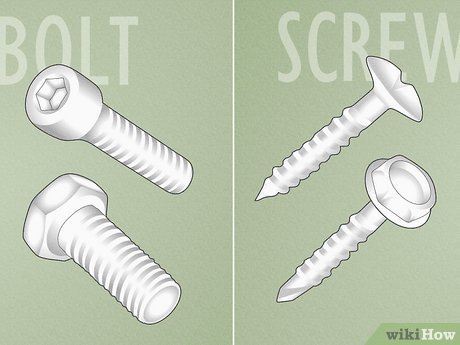
Bolts you will see often
- Hex bolts – common in construction and machinery
- Carriage bolts – used in wood joints and outdoor projects
- Flange bolts – spread load over a wider area
- Eye bolts – used for lifting or attaching cables
Hex bolts are especially common because they are strong and easy to tighten. Carriage bolts are useful when you want a smooth head on one side, often in wood projects. Flange bolts help when load spread is important.
Screws you will see often
- Wood screws – for timber and furniture
- Machine screws – for threaded holes and metal assemblies
- Sheet metal screws – for thin metal
- Drywall screws – for wall board installation
- Self-tapping screws – for creating threads in thin materials
Each screw type is made for a different material and load. Using the wrong one is a common reason for stripped holes, loose joints, and weak holding power.
Materials matter more than many people think
The base material often decides whether a bolt or screw is the better choice. The same fastener can behave very differently in wood, steel, plastic, or aluminum.
In wood, screws usually hold well because the threads bite into fibers. In soft wood, larger threads often work better than fine ones. In hardwood, pilot holes are more important because the material is dense and can split.
In metal, bolts and machine screws are often used with tapped holes or nuts. Thin sheet metal may need self-tapping screws, but thick structural metal often calls for bolts. In plastic, the material can crack if the fastener is too tight or the hole is too small.
One useful rule is this: the stronger the material can hold threads, the more screw options you have. The weaker or thinner the material, the more bolts or special inserts may help.
Common mistakes people make
Using a screw where a bolt is needed
This usually happens when someone wants a quick fix. A screw may hold at first, but under high stress it can loosen, strip, or pull out. If the joint must stay strong for a long time, a bolt may be the safer choice.
Over-tightening
More tightness is not always better. Over-tightening a screw can strip threads in wood or crack plastic. Over-tightening a bolt can damage the threads, crush soft material, or warp the joint.
Good fastening is about control, not force alone.
Ignoring hole preparation
Many people skip pilot holes or thread preparation. That can lead to splitting, crooked installation, or weak grip. A small amount of preparation often improves the final result a lot.
Choosing by shape only
Beginners often pick a fastener because the head “looks right.” That is risky. Always check thread type, material, length, diameter, and intended load. These matter more than the head alone.
A simple decision guide for real projects
If you want a fast way to decide, use this practical logic:
- If the joint needs high strength and both sides are available, choose a bolt.
- If the fastener must bite into wood or thin material from one side, choose a screw.
- If you expect future maintenance, lean toward a bolt or a machine screw in a threaded hole.
- If the material is soft and the load is light, a screw is often enough.
- If vibration is a major concern, choose a fastening system that can clamp tightly and stay secure.
For outdoor use, also think about corrosion resistance. Stainless steel, coated steel, and galvanized fasteners can last much longer depending on the environment.
If you want a technical reference on fastener terminology and standards, the Engineering ToolBox fastener guide is a useful starting point.
Credit: theengineeringchoice.com
Final thoughts on choosing between bolt and screw
The bolt vs screw decision becomes much easier once you focus on the job the fastener must do. Bolts are best for clamping, strength, and serviceable joints. Screws are best for direct gripping, faster installation, and everyday fastening in wood, plastic, and thin materials.
The most important thing is not to guess. Check the material, the load, the access you have, and whether the joint may need to come apart later. That one habit will prevent many common fastening problems.
In simple terms: use a bolt when you want strong clamping and a screw when you want direct hold. When you match the fastener to the material and the load, the result is safer, cleaner, and more durable.
FAQs
1. Is a bolt stronger than a screw?
Usually, yes, when the job needs strong clamping and the bolt is used with a nut or proper threaded hole. But strength depends on size, material, thread type, and how the fastener is installed. A well-chosen screw can still be very strong in wood or light assemblies.
2. Can a screw be used instead of a bolt?
Sometimes, but not always. A screw may work in light-duty jobs or where only one side is open. For heavy loads, vibration, or structural joints, a bolt is usually the better choice because it gives more reliable clamping.
3. What is the main difference between bolts and screws?
The main difference is how they hold. Bolts usually clamp parts together with a nut or threaded hole. Screws usually bite into the material or into a matching threaded hole. The installation method is often the clearest way to tell them apart.
4. Do bolts need a nut?
Most bolts are used with a nut, but some are tightened into a tapped hole instead. In that case, the bolt still works as part of a clamping system. The important point is that bolts are usually not meant to cut their own threads into the base material.
5. How do I know which fastener to buy?
Start with the material, load, and access. Use bolts for stronger, serviceable joints and screws for direct fastening in wood, plastic, or thin materials. Then choose the right length, diameter, head type, and corrosion resistance for the job.
