
If you are planning a roof project in 2026, one of the first questions is simple: what will it really cost? The answer is not a single number. The average cost tear off replace roof depends on roof size, material, labor, roof pitch, and the condition of the wood underneath.
Many homeowners search for a quick price, but roof replacement is not like buying a fixed-price product. Two houses with the same square footage can have very different roof costs. A steep roof, many valleys, or rotten decking can add a large amount to the final bill.
This guide explains the real cost ranges, what affects them, and how to budget wisely in 2026. You will also see where many buyers go wrong, how to compare quotes, and which upgrade choices make the most sense for long-term value.
What you can expect to pay in 2026
In 2026, the cost to tear off and replace a roof for a typical home in the United States often falls between $8,000 and $25,000+. Smaller homes with simple asphalt shingles may cost less, while larger homes or premium roofs can cost much more.
For many homeowners, the most common price range is around $5.50 to $11.00 per square foot for tear-off and replacement together. That range can move up or down based on material choice and site conditions.
Here is a simple way to think about it:
| Home size | Typical total cost range | Common roof type |
|---|---|---|
| 1,000–1,500 sq. ft. | $5,500–$13,500 | Asphalt shingle roof |
| 1,500–2,500 sq. ft. | $8,000–$22,000 | Asphalt or architectural shingles |
| 2,500–3,500 sq. ft. | $13,000–$35,000+ | Architectural shingles or metal |
| Luxury or complex roofs | $30,000–$75,000+ | Metal, tile, slate, or designer systems |
These are not exact quotes. They are a realistic planning range. The final price may be higher if the old roof has hidden damage or if your home is difficult to access.
What “tear off and replace” really includes
A full roof replacement is more than just new shingles. The process usually has several parts, and each one affects cost.
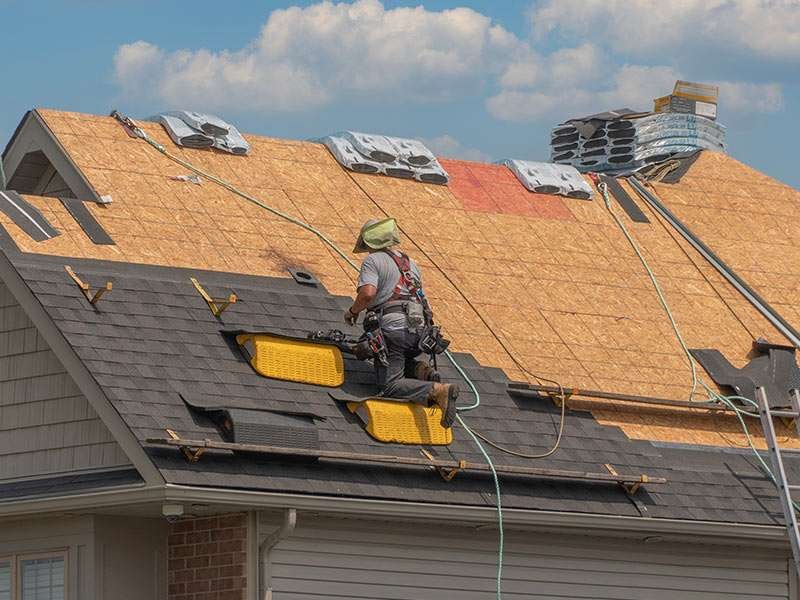
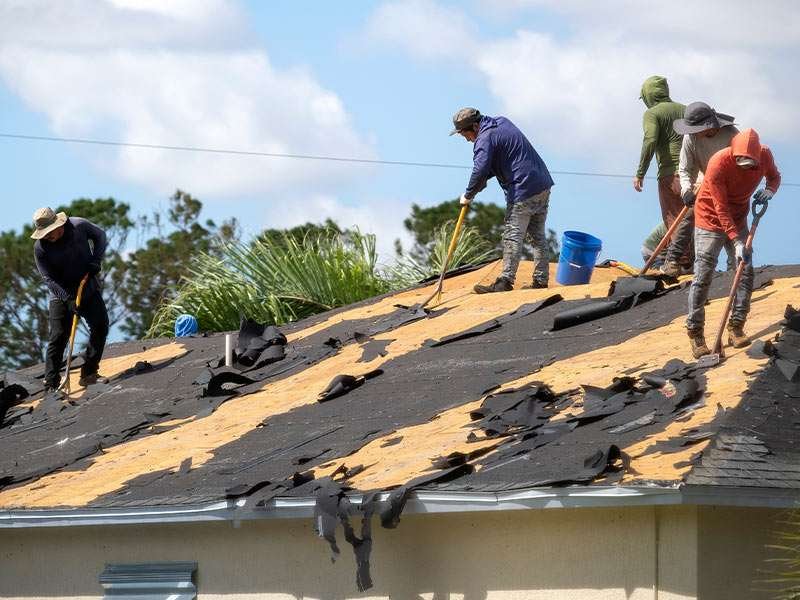
1. Tear-off of the old roof
The crew removes existing shingles, underlayment, nails, and damaged flashing. Tear-off costs increase if the old roof has two layers or if disposal is difficult. A second layer means more labor and more dump fees.
2. Deck inspection and repairs
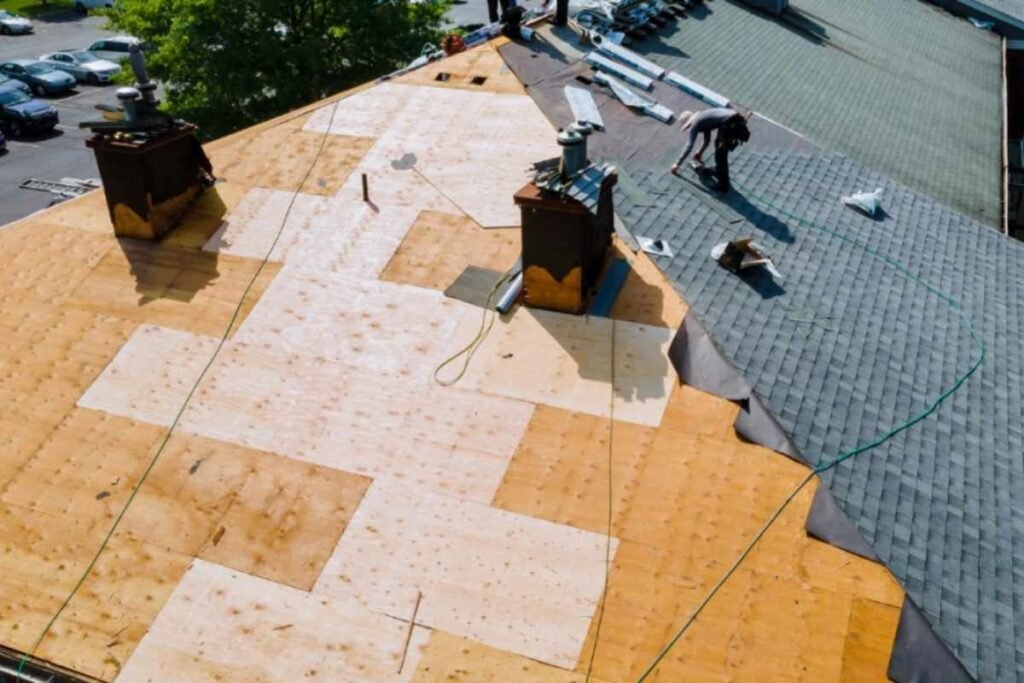
Once the old material is removed, the contractor checks the roof deck. If plywood or OSB is soft, warped, or rotten, it must be replaced before the new roof goes on. This is one of the most common surprise costs.
3. Underlayment and waterproofing
Most roofs need underlayment, ice and water shield, and starter strips. These items are not usually the biggest part of the bill, but they matter a lot for roof life and leak protection.
4. New roofing material
This is the visible part of the roof. Asphalt shingles are usually the lowest-cost option. Metal, tile, and slate cost more, but they may last much longer.
5. Flashing, vents, and trim details
Flashing around chimneys, skylights, and roof edges helps prevent leaks. Vent replacement or upgrade may also be needed. These small items often cause big problems when they are skipped.
Main cost factors that shape the final price
Several things can push the average cost tear off replace roof higher or lower. Understanding them helps you read quotes with confidence.
Roof size and pitch
Larger roofs need more material and labor. Steeper roofs are more dangerous and slower to work on, so crews charge more. A roof that looks medium-sized from the ground may still be expensive if it has many slopes and angles.
Non-obvious insight: roof “size” is not the same as your home’s living area. The actual roof area is often much larger than the house floor area because of overhangs, slopes, and multiple sections.
Roofing material
Material choice is one of the biggest cost drivers. Basic asphalt shingles are usually the cheapest. Architectural shingles cost more but often last longer. Metal roofs are a higher upfront investment, while tile and slate can be the most expensive.
Number of layers to remove
If the old roof has one layer, tear-off is simpler. If there are two layers, labor and landfill costs rise. Some homes still have more than one layer because a previous owner chose a quick overlay instead of a full replacement.
Deck repairs and hidden damage
Water damage is a major reason costs rise after work begins. Rotting plywood, mold, sagging areas, and damaged rafters can all add to the bill. A good contractor should inspect carefully, but some damage is only visible after tear-off.
Non-obvious insight: a low quote may leave out deck repairs on purpose. That does not always mean the contractor is dishonest, but it often means the quote is incomplete. Ask how repairs are priced before signing.
Labor rates in your area
Roofing labor is local. A roof replacement in a high-cost city may be far more expensive than the same job in a smaller town. Labor shortages in 2026 can also affect prices in many markets.
Access and safety
If the home is hard to reach, has limited driveway space, or needs special equipment, the cost can rise. Safety setup for very steep or tall roofs also adds labor time.
Permits and disposal fees
Most roof replacements require permits in many areas. There are also disposal costs for hauling away the old roofing material. These charges are normal and should be included in a proper quote.
Average cost by roofing material
Material is often the clearest way to compare budgets. The prices below are broad averages for a full tear-off and replacement on a typical home.
| Material | Typical cost per sq. ft. | Common lifespan | Budget note |
|---|---|---|---|
| 3-tab asphalt shingles | $4.50–$7.00 | 15–25 years | Lowest upfront cost |
| Architectural shingles | $5.50–$9.50 | 25–30 years | Best value for many homes |
| Metal roofing | $9.00–$18.00 | 40–70 years | Higher upfront, strong long-term value |
| Tile roofing | $12.00–$25.00 | 50+ years | Heavy and premium |
| Slate roofing | $20.00–$40.00+ | 75–100+ years | Luxury option with expert labor needs |
For many homes, architectural shingles give the best balance of price, appearance, and lifespan. They cost more than basic shingles, but they often look better and last longer.
Credit: dwightsroofing.com
Extra costs people often forget
Some costs are easy to miss during early planning. If you ignore them, your “budget” quote can become a much larger final bill.
- New flashing around chimneys, valleys, and walls
- Roof vents or ventilation upgrades
- Replacement wood for rotten deck sections
- Gutter repairs if old gutters are damaged during tear-off
- Skylight resealing or replacement
- Dump fees and dumpster rental
- Permit fees required by local code
- Extra layers of old shingles to remove
One important detail: ventilation is not a small side issue. Poor ventilation can shorten shingle life, trap heat in the attic, and create moisture problems. A roof replacement is a good time to fix it.
How contractors usually calculate price
Many contractors price a roof in squares. One roofing square equals 100 square feet of roof surface. This is useful because it helps you compare quotes more fairly.
A contractor may calculate the job like this:
- Measure the roof area in squares.
- Choose a material price per square.
- Add tear-off labor and disposal.
- Add underlayment, flashing, vents, and nails.
- Include deck repair allowances.
- Add permit and overhead costs.
This is why a quote can feel high even when shingles themselves are not expensive. The material is only one part of the job. Labor, safety, and cleanup can be just as important.
How to read a roof quote the smart way
Not all roof quotes mean the same thing. A lower price is not always a better deal if it leaves out key work. You should look for clarity, not just a low total.
Credit: dwightsroofing.com
Ask what is included
Make sure the quote says whether it includes tear-off, disposal, underlayment, flashing, vents, drip edge, and cleanup. If these are not listed, ask for details in writing.
Check the warranty terms
There are usually two types of warranties: one from the material manufacturer and one from the installer. A strong labor warranty can be very valuable, especially if the contractor has a good local reputation.
Look for deck repair language
Some quotes include a limited allowance for plywood replacement. Others charge per sheet. If this is not explained, ask before the job starts.
Compare the same scope
Do not compare one quote for a full tear-off with another quote that only covers a roof overlay. If the work scope is different, the price will not be fair to compare.
For homeowner guidance on roofing and home maintenance, the Angi roofing resources can be useful for general cost context and contractor questions.
When a roof replacement costs more than expected
Some homes almost always cost more than average. If any of these apply to you, prepare for a higher budget.
Multiple roof sections
Homes with dormers, valleys, skylights, and different roof heights take longer to finish. More cuts and more detail work mean more labor.
Storm damage
If your roof was hit by hail or wind, the crew may need to do more repair work than a normal replacement. Insurance may help in some cases, but the claim process can still take time.
Older homes
Older houses often hide weak decking, poor venting, or outdated flashing. These issues can make the project much more expensive than a modern home with a simple roof shape.
Premium finishes
Upgrades like copper flashing, designer shingles, or custom trim can raise the price quickly. These details improve appearance, but they are not needed for every home.
Ways to keep the cost under control
You cannot control every part of a roof replacement, but you can make better choices. A careful homeowner can often save money without lowering quality.
- Get at least three quotes from licensed contractors.
- Ask for a full written scope so you know what is included.
- Choose the right material for your home, not the most expensive one.
- Schedule before emergency season if possible.
- Fix small issues early before they turn into deck damage.
- Do not choose only by price; poor work can cost more later.
Non-obvious insight: the cheapest quote can become the most expensive one if the contractor skips flashing or ventilation work. Those hidden weak points often cause leaks before the shingles wear out.
Repair, overlay, or full replacement?
Sometimes homeowners wonder if they need a full tear-off at all. The answer depends on the roof’s age and condition.
Roof repair
If damage is small and the roof is still in good shape, a repair may be enough. This is often the lowest-cost option, but it only makes sense when the rest of the roof is still healthy.
Roof overlay
An overlay means putting new shingles over old ones. It may cost less at first, but it is not always a good idea. It can hide problems, add weight, and reduce roof life. Many contractors prefer full tear-off because it allows a real inspection of the deck.
Full tear-off and replacement
This is the best long-term option when the roof is old, leaking, or already has multiple layers. It costs more upfront, but it gives the contractor a clean surface and gives you a better chance of fixing hidden problems.
In many cases, full replacement is the smarter financial move. A cheap overlay now can lead to a costly tear-off later, plus extra damage from leaks that were never properly fixed.
How to budget for 2026
A roof replacement is a major home expense, so planning matters. A good budget should include both the expected quote and a reserve for surprises.
For a realistic 2026 plan, many homeowners should set aside:
- Base roof cost from contractor quotes
- 10% to 20% extra for hidden repairs
- Permit and disposal fees
- Optional upgrades like better ventilation or stronger shingles
If your roof is already leaking, do not wait too long. Water damage inside the attic, insulation, and walls can become more expensive than the roof itself. A delay of a few months can turn a roof project into a larger home repair job.
Credit: roof-magazine.com
Final thoughts on real roof replacement pricing
The average cost tear off replace roof in 2026 is best understood as a range, not a fixed number. For a simple asphalt shingle roof, many homeowners will spend somewhere between the low five figures and the mid-teens. Complex roofs, premium materials, and hidden damage can push that total much higher.
The smartest approach is to compare complete quotes, not just headline prices. Make sure the contractor includes tear-off, disposal, flashing, ventilation, and a clear plan for deck repairs. That is where many future problems start.
If you focus on quality, clarity, and the full scope of work, you will make a better decision and avoid expensive surprises later.
FAQs
1. What is the average cost tear off replace roof for a standard house?
For a standard home with asphalt shingles, many homeowners pay about $8,000 to $25,000 in 2026. The final cost depends on roof size, slope, location, and hidden damage.
2. Is tear-off more expensive than a roof overlay?
Yes, tear-off usually costs more upfront because workers remove and dispose of the old roof. But it often gives better long-term value because the deck can be inspected and repaired properly.
3. What is the biggest surprise cost in a roof replacement?
Rotten decking is one of the biggest surprise costs. Once the old roof is removed, contractors may find plywood or OSB that needs to be replaced before new shingles can go on.
4. How long does a full roof replacement usually take?
Most roof replacements take one to three days for a typical home. Larger roofs, bad weather, or hidden repairs can make the project take longer.
5. Should I choose the cheapest roof quote?
Not always. The cheapest quote may leave out important items like flashing, ventilation, or deck repairs. It is better to compare the full scope of work and choose the best value, not only the lowest price.
