
Many homeowners ask this question only after they see a water stain, a wet basement corner, or soil washing away near the house. It is a fair question. Gutters can seem small, but they often do a big job. They move rainwater away from the roof, walls, and foundation before that water can cause costly damage.
So, are gutters actually necessary? The short answer is: in most homes, yes. But the real answer depends on your roof shape, local climate, soil, landscaping, and how your home handles water. Some houses can work well with only limited drainage systems. Others need gutters badly, or they may face long-term problems that are expensive to fix.
In this article, you will learn what gutters really do, when they matter most, when a home may function without them, and what happens when water is left to run freely. You will also see the signs that your home needs gutters, plus practical alternatives if gutters are not the best fit for your property.
What gutters really do for a house
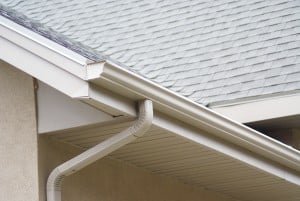
Gutters collect rainwater from the roof and guide it to downspouts. From there, the water is sent away from the house. That sounds simple, but it protects several parts of the home at once.
Without gutters, rainwater falls straight from the roof edge. In small amounts, this may not seem dangerous. Over time, however, repeated runoff can erode soil, splash dirt onto siding, damage landscaping, and soak the area around the foundation. In colder climates, it can also create ice problems near walkways and entries.
One important thing many people miss is that gutters are not only about the roof. They are also about where the water lands. A home can have a strong roof and still suffer water damage if the runoff is not controlled.
How gutters protect different parts of the home
- Foundation: They reduce water pooling near the base of the house.
- Siding: They help stop constant splash-back and staining.
- Basement or crawl space: They lower the chance of seepage through weak areas.
- Landscaping: They protect flower beds, mulch, and soil from being washed away.
- Walkways and patios: They can reduce slippery water runoff and mud buildup.
If you want a simple way to think about it, gutters are not just roof accessories. They are part of your home’s water management system.
Are gutters actually necessary for every home?
For most homes, are gutters actually necessary is best answered with a cautious yes. Most houses are safer with them than without them. But “necessary” does not always mean “required in every single case.”
Some homes may do fine without gutters if the roof overhang is large, the ground slopes away from the house, the soil drains well, and the climate is dry. Even then, the home still needs a plan for moving water away from the foundation.
Homes that sit in rainy regions, snowy regions, or areas with clay soil usually benefit much more from gutters. Clay soil holds water longer. That means water can stay near the foundation instead of draining away. Over time, this can lead to cracks, moisture problems, and basement leaks.
Another detail beginners often miss is roof size. A large roof catches a lot of water. A small rainstorm can send a surprising amount of runoff to one spot. If your roof has steep slopes or large valleys, gutters often become even more important because they collect concentrated water flow.
When gutters are usually a smart choice
- Your home has a basement or crawl space.
- The ground around your home does not drain quickly.
- Rain falls often or heavily in your area.
- Your roof has little or no overhang.
- Water already splashes onto siding or near doors.
- You see erosion, mud, or puddles near the house after storms.
When a house may manage without full gutters
- The climate is dry most of the year.
- The roof has very wide eaves.
- The ground slopes away strongly in all directions.
- The soil drains very well.
- There is a strong drainage design in place, such as swales or extended downspout systems.
Still, even in these situations, many homeowners choose at least partial gutter coverage in the most exposed areas. That is often a safer middle ground than going fully gutter-free.
What can happen if a home has no gutters
At first, a home without gutters may seem fine. Rain falls. The ground gets wet. Nothing obvious happens. The damage often starts slowly, which is why it is easy to ignore until it becomes serious.
The most common problems are soil erosion, foundation moisture, paint damage, and roof-edge wear. Water falling from the roof edge can hit the same areas over and over. This repeated impact is what causes trouble.
Common problems caused by missing gutters
- Foundation stress: Water can collect near the base of the house and push against basement walls or seep through cracks.
- Siding damage: Splashing water can stain siding and wear down painted surfaces.
- Landscape erosion: Mulch, topsoil, and plants can wash away after heavy rain.
- Entryway problems: Water may pool near doors, making entrances dirty, slippery, or damaged.
- Fascia and soffit wear: Roof-edge materials may age faster when exposed to uncontrolled water flow.
- Ice issues: In cold weather, runoff can freeze near the foundation or steps and create safety hazards.
One non-obvious issue is splash-back. When water hits the ground with force, it can bounce dirt and moisture upward onto the wall. This may not look serious at first, but over time it can lead to staining, mildew, and surface wear.
Another overlooked problem is how water behaves after a storm ends. A house without gutters may still have saturated soil for hours or days. That lingering moisture is often what causes basement humidity, musty smells, and hidden structural stress.
Situations where gutters matter even more
Some homes are much more sensitive to water than others. If your property has any of the conditions below, gutters become more than a nice upgrade. They become a practical defense.
Credit: ecowatch.com
Homes with basements or crawl spaces
Below-grade spaces are vulnerable to outside water pressure. Even small amounts of extra water near the foundation can increase the chance of seepage. Gutters help reduce the amount of water reaching the soil beside the house.
Homes on heavy clay soil
Clay soil drains slowly. That means it can hold water against the foundation for a long time. Gutters help keep roof runoff from making this problem worse.
Homes with short roof overhangs
If your roof edge ends close to the wall, rainwater drops near the siding and foundation. That increases the need for controlled drainage. Without gutters, the impact is direct and repeated.
Homes with steep roofs
Steep roofs move water quickly. Fast-moving runoff can hit the ground with force. That often causes more splash, more erosion, and more pressure on drainage areas.
Homes near landscaping or hardscape
If you have garden beds, retaining walls, patios, or walkways near the roof edge, uncontrolled runoff can damage those features. Gutters help keep the water where it belongs.
Can a house function well without gutters?
Yes, some can. But that usually means the home was designed with another water control plan. A home without gutters is not automatically wrong. It just needs the right site conditions and drainage support.
In some modern designs, especially with deep roof overhangs and carefully graded land, water can be managed without traditional gutters. You may also see homes that use drainable roofing details, ground slopes, or water-resistant landscaping features instead of full gutter systems.
The key point is this: a house can work without gutters only if water still moves away from the structure in a controlled way. If it does not, the risk rises quickly.
| Situation | Likely gutter need | Why it matters |
|---|---|---|
| Basement home in a rainy area | High | Runoff can seep into lower levels and raise moisture around the foundation. |
| Dry climate with wide roof overhangs | Lower | Water may spread farther from the wall naturally, reducing direct impact. |
| Clay soil and flat yard | High | Water drains slowly and can remain close to the structure. |
| Steep roof with narrow eaves | High | Water falls fast and close to the foundation. |
| Home with strong drainage design | Medium | Alternative systems may handle runoff if they are well maintained. |
What happens if you already have no gutters?
If your home has functioned without gutters for years, do not assume there is no issue. Look at the signs around the property. Water problems often leave clues long before a major repair is needed.
Walk around your house after a heavy rain. Watch where the water lands. Check the soil, walls, foundation, basement, and walkways. This simple inspection can show whether your home is coping well or quietly taking damage.
Credit: bertroofing.com
Warning signs to watch for
- Soil trenches or washed-out mulch under the roof edge
- Wet basement walls or musty smells
- Cracks near the foundation
- Peeling paint or stains on exterior walls
- Mud splashes on siding
- Standing water near the house after rain
- Rot near fascia boards or roof edges
- Moss, mildew, or algae growth in wet spots
If you notice several of these at the same time, gutters or another drainage fix should be seriously considered.
Better alternatives when gutters are not ideal
Sometimes gutters are not the best choice for the entire house. Leaves, poor roof design, or aesthetic reasons may make homeowners look for other options. That is fine, but the replacement must still move water away from the structure.
1. Wide roof overhangs
Deep eaves can help keep rain away from the walls. They do not collect water like gutters do, but they can reduce how much water lands near the house.
2. Proper grading
The ground should slope away from the house. This is one of the most important water-control features a home can have. Even with gutters, poor grading can cause drainage trouble.
3. Downspout extensions
If the main goal is to move water farther from the foundation, extensions can help a lot. They are often used with gutters, but in some cases they can support other drainage systems too.
4. Swales and drainage channels
A shallow, sloped channel can guide water across the yard and away from the house. This is useful where the landscape supports surface drainage.
5. Splash blocks and gravel beds
These help soften the force of water near the foundation. They are not a full substitute for gutters in many homes, but they can reduce splash and soil damage.
Here is the important part many people miss: alternatives work best when they are part of a full drainage plan. One fix alone is rarely enough if the roof sheds a large amount of water.
How to decide if your home needs gutters
The best answer is not based on trends or what a neighbor did. It is based on how your house handles rain. Start with your roof, then look at the soil, slope, climate, and foundation type.
Ask these questions
- Does water collect near the foundation after rain?
- Do you have a basement or crawl space?
- Is the soil slow to drain?
- Does the roof dump water near entrances or walkways?
- Are there signs of erosion, staining, or moisture damage?
- Does your yard slope away from the house enough to carry water safely?
If you answer yes to several of these, gutters are probably a wise investment. If you answer no to most of them, you may still benefit from partial gutters or another drainage setup.
Common buyer mistake to avoid
Many homeowners focus only on the cost of installation. That is a mistake. The real cost is not just the gutter system. It is also the damage you may prevent. A small drainage upgrade can save a much larger repair bill later.
This is why homeowners often ask are gutters actually necessary only after damage has already started. It is better to judge the risk before that happens.
Are gutters worth it compared with the cost of repairs?
In many cases, yes. Gutters are usually far cheaper than fixing foundation leaks, rotted fascia, basement moisture, or eroded landscaping. Even if a gutter system needs cleaning and occasional repair, it often pays for itself by reducing bigger problems.
Also, gutters are not all or nothing. You can install them only on the sides of the home that get the most runoff. You can also improve them with guards, larger downspouts, or longer extensions. This makes the system more flexible than many people think.
If you want a reliable explanation of how rainwater drainage affects a home, a useful external reference is the U.S. Department of Energy Energy Saver, which covers home efficiency and moisture-related concerns that matter for building health.
Practical tips for homeowners who already have gutters
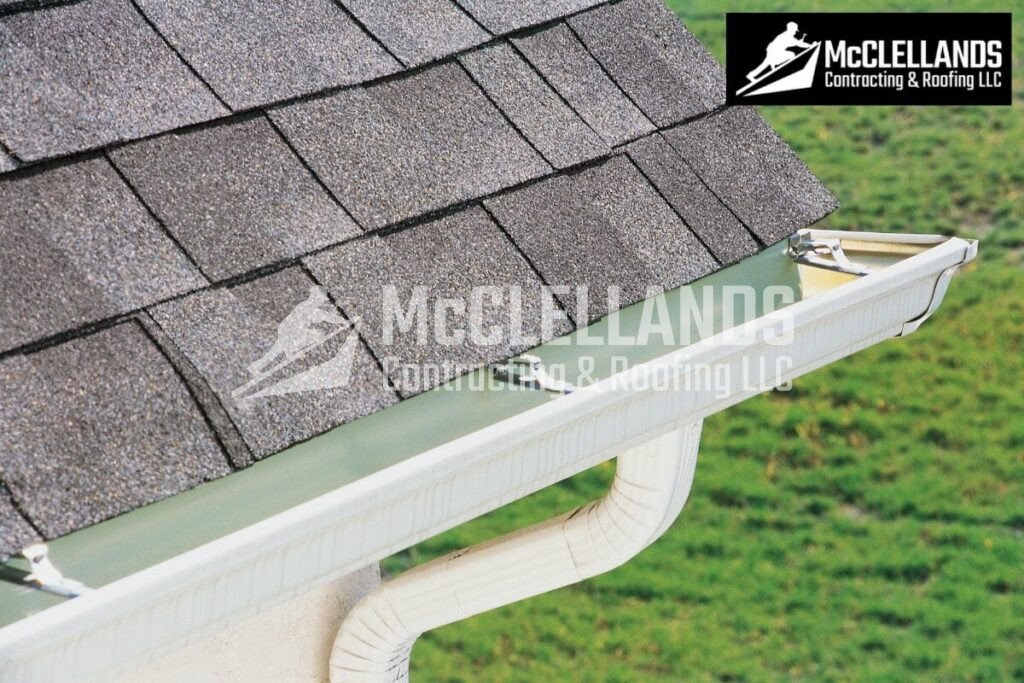
If your home already has gutters, the real question is not whether they exist. It is whether they are doing the job well.
- Clean them before and after heavy leaf season.
- Check that downspouts carry water several feet away from the foundation.
- Watch for overflow during storms. That often means clogs or undersized gutters.
- Repair loose sections quickly. Small leaks can still cause wood damage.
- Make sure the ground at the end of the downspout does not slope back toward the house.
One smart habit is to inspect gutters during the first major rain after cleaning. This shows whether the system is draining well or if water is spilling where it should not.
Credit: mcclellandsroofing.com
The bottom line for homeowners
So, are gutters actually necessary? For most homes, yes. Not because gutters are fancy, but because water is powerful. Roof runoff may look harmless, yet it can create serious problems when it falls in the wrong place again and again.
If your home has a basement, clay soil, a steep roof, or little roof overhang, gutters are usually a strong choice. If you live in a dry area with good grading and wide eaves, you may be able to manage without full gutters. Even then, you still need a solid plan for moving water away from the structure.
The safest approach is to think in terms of drainage, not decoration. Gutters are one of the easiest ways to control water, and for many houses, they are one of the most valuable.
FAQs
1. Are gutters actually necessary on every house?
No, not every house must have gutters. But most homes benefit from them. If your roof runoff can damage the foundation, siding, or landscaping, gutters are usually a smart choice.
2. Can a home be safe without gutters?
Yes, in some cases. A home can work well without gutters if it has wide roof overhangs, strong yard drainage, and a dry climate. The key is that water must still move away from the house.
3. What is the biggest risk of not having gutters?
The biggest risk is water collecting near the foundation. This can lead to erosion, basement leaks, moisture problems, and long-term structural stress.
4. Are gutters necessary if I have a basement?
Usually yes, or at least some kind of strong drainage system. Basements are more exposed to water damage, so controlling roof runoff is very important.
5. What is a good alternative to gutters?
Good alternatives include wide roof overhangs, proper grading, downspout extensions, and drainage channels. These work best when they are planned as part of a full water-control system.
