
Choosing the right leveling tool can save time, reduce errors, and make your work look far more professional. But many people get confused when they see builders level vs transit level in tool stores, job sites, or online guides. They look similar at first glance, yet they are not the same tool and do not always do the same job.
If you work in construction, landscaping, fencing, or home improvement, the wrong choice can lead to slow setup, poor measurements, or inaccurate results. The good news is that the difference is easy to understand once you know what each tool was made for and where it works best.
In this guide, you will learn the key differences, common uses, main pros and limits, and the best way to choose the right tool for your project. By the end, you will know which one fits your work, your budget, and your skill level.
What each tool is designed to do
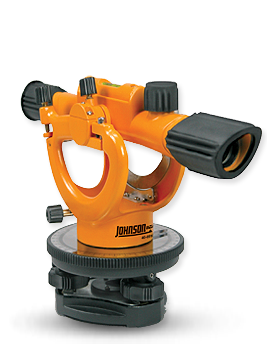
A builders level is a leveling instrument used to find a level line, check height differences, and help with basic layout work. It is often used in building, grading, and site work where you need clear elevation control over short to medium distances. Many builders levels are simple, sturdy, and made for repeated use in rough jobsite conditions.
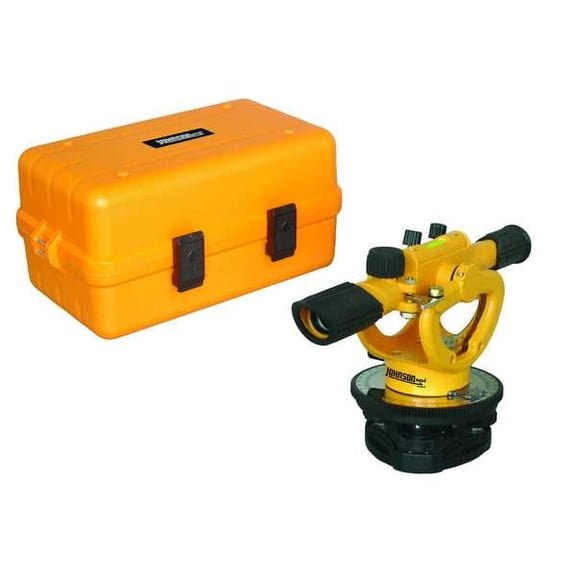
A transit level is a more precise surveying tool. It is mainly used to measure differences in elevation and line up points with better accuracy. Transit levels are commonly used in surveying, foundation work, road work, drainage planning, and other tasks where accurate height readings matter a lot.
The main idea is simple: a builders level is often the practical workhorse, while a transit level is the more exact measuring tool. Both help with leveling, but they serve different needs.
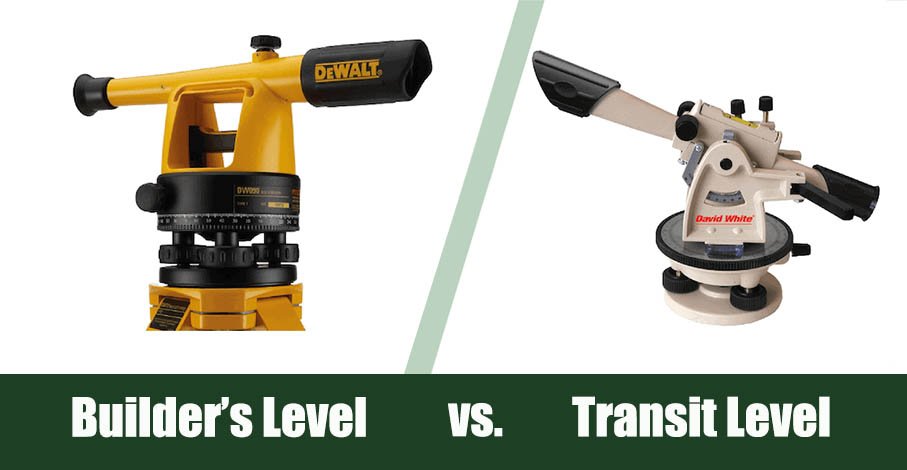
Builders level vs transit level: the core difference
The easiest way to understand builders level vs transit level is to look at how each tool is used in the field. A builders level is usually built for general layout and level checking. A transit level is built for more precise readings, often with a telescope that can be tilted to sight targets or rods more accurately.
Here is the short version:
- Builders level: better for everyday construction layout and basic elevation work.
- Transit level: better for accurate surveying and detailed elevation measurements.
- Builders level: simpler and often easier for general users.
- Transit level: more precise, but usually needs more care and skill.
One important point many beginners miss is that accuracy is not the only factor. Speed, setup time, and how often you need exact readings matter just as much. A more accurate tool is not always the better tool if your project does not need that level of detail.
How the optics differ
The optics in a transit level are usually designed for finer adjustment and better sighting of a leveling rod or target. This makes it easier to read small changes in height. Builders levels often use a simpler optical setup that is still accurate enough for many construction tasks, but not always ideal for technical surveying.
This difference matters on larger jobs. If you are trying to set a long drainage slope or confirm precise benchmark points, the extra precision of a transit level can prevent costly mistakes. If you are laying out footings or checking site grade, a builders level may be all you need.
How the level is aimed and adjusted
Transit levels often allow finer angle control, which helps when you need to align the line of sight very carefully. Builders levels are usually quicker to use in rougher field conditions. That makes them useful when you need practical results more than survey-grade precision.
Another beginner mistake is assuming a tool is “more professional” just because it has more adjustment options. In reality, the best tool is the one that matches the job. Too much precision can slow you down when the project does not require it.
Typical uses for a builders level
Builders levels are popular because they are simple, strong, and useful for many common jobs. They are especially helpful when the work involves construction layout, rough grading, and checking elevations on-site.
Common uses include:
- Checking grade for patios, driveways, and walkways
- Setting forms for concrete work
- Laying out foundations and footings
- Checking fence lines for consistent height
- Assisting with site prep before construction starts
Builders levels are a smart choice when the goal is to make sure surfaces are even, slopes are correct, and structures sit at the right height. They are often used with a rod and tripod, which helps create a stable setup in the field.
For many contractors, this tool is a balance of cost and usefulness. It gives enough accuracy for routine construction without the higher cost or learning curve of more advanced surveying tools.
Credit: johnsonlevel.com
Where a builders level works best
This tool is best when you are doing practical construction tasks instead of fine surveying. For example, if you are preparing a yard for a retaining wall, a builders level can help you check the slope and make sure the base is even. It can also help you compare one part of a site to another before pouring concrete.
One less obvious benefit is that builders levels are often easier to use in fast-moving crews. If several workers need to check grade during the same day, a simple and durable tool can improve workflow more than a complex instrument that takes longer to set up.
Typical uses for a transit level
A transit level is more common in surveying and precision layout work. It is used when height differences must be measured carefully and repeated readings need to stay consistent. This makes it useful in projects where accuracy has a direct impact on design and drainage.
Common uses include:
- Surveying land and elevation points
- Measuring cuts and fills on job sites
- Planning drainage systems
- Checking foundation elevation with more precision
- Road, pipe, and utility work
Transit levels are especially valuable when a project depends on small differences in height. A slight error in grade can affect water flow, structural alignment, or the final finish of the project. In those cases, the extra precision is worth it.
A transit level also helps reduce guesswork. Instead of relying on rough visual checks, you can take exact readings from a rod. That makes it easier to document measurements and compare points across a site.
Where a transit level gives the edge
Transit levels shine when the work is technical. If you are planning a long drainage line, for example, even a small slope mistake can create standing water or poor runoff. A transit level helps you verify those changes more reliably than a basic leveling tool.
Here is a helpful way to think about it: if the project would still work with small variation, a builders level may be enough; if the project could fail because of small variation, a transit level is the safer choice.
Accuracy, speed, and ease of use
When comparing builders level vs transit level, accuracy is only part of the picture. You also need to think about how fast the tool sets up, how easy it is to read, and how much training it takes to use well.
| Factor | Builders level | Transit level |
|---|---|---|
| Accuracy | Good for general construction | Better for precision work |
| Setup speed | Usually faster | May take more time |
| Ease of use | More beginner-friendly | Needs more care and skill |
| Best for | Construction layout, grading | Surveying, exact elevation work |
| Typical user | Builders, contractors, DIY users | Surveyors, advanced users, technical crews |
Another important point is calibration. Even a good tool gives poor results if it is not set up correctly. A beginner may trust the instrument too quickly and miss the fact that the tripod is unstable or the line of sight is blocked. That is why learning proper setup matters as much as buying the right model.
How they compare in real job site conditions
Tool performance changes when the environment is rough. Dust, vibration, uneven ground, wind, and frequent movement can affect how well each level works.
A builders level is often better in rough construction conditions because it is usually built for practical site use. It can handle fast handling and repeated relocation. A transit level may give better precision, but it may also need a steadier setup and a bit more care.
This is one of the biggest differences people overlook. A tool that is extremely accurate in a calm environment may not be the best choice on a busy site where equipment gets moved often. In those cases, a durable and faster tool can produce better real-world results.
Also, think about visibility. If your team reads measurements outdoors in bright light, the quality of the optics matters. If the sight picture is hard to read, the whole process slows down. This is another reason to choose based on the actual job, not just on tool type.
Credit: walmart.com
Cost, maintenance, and long-term value
Cost is another major factor in the builders level vs transit level choice. Builders levels are often more affordable and easier to justify for general construction use. Transit levels can cost more, especially when you want better precision and build quality.
Maintenance also matters. Both tools need proper storage, cleaning, and careful handling. Lenses should stay clear, moving parts should be checked, and the tool should be protected from rough impact. If you keep the instrument in bad condition, even a high-quality model will lose accuracy.
Long-term value depends on how often you use the tool and what kind of work you do. If you use it every day on many jobs, spending more on the right level may save time and rework. If you only use it for occasional basic tasks, a simpler builders level may offer better value.
For users who want to understand the basics of leveling and surveying methods more deeply, the Britannica overview of surveying is a helpful starting point.
How to choose the right one for your project
The best choice depends on the kind of work you do most often. Do not start by asking which tool is “better” in general. Start by asking what problem you need to solve.
Choose a builders level if you need:
- Fast setup for general construction work
- Good accuracy for grading and layout
- A tool that is easier to learn and use
- Lower cost for routine jobs
- A durable instrument for jobsite conditions
Choose a transit level if you need:
- More precise elevation readings
- Survey-style measurements
- Better control for drainage or foundation work
- A tool for technical or repeated layout tasks
- Higher confidence in small height changes
If you are a contractor, the right answer may change from project to project. Many crews keep both tools because they serve different roles. The builders level handles everyday site work. The transit level comes out when the measurements must be tighter.
If your layout work leads into fastening or masonry tasks, it also helps to understand how to drill into concrete, how to drill into brick, and whether you can nail into brick safely. For framing and structural fastening, compare construction screws vs wood screws, learn what lag screws are used for, and review nailer basics like how a framing nailer works and 21 vs 30 degree framing nailers.
Common buying mistakes to avoid
One mistake is buying a transit level just because it sounds more advanced. If your work does not need that precision, you may waste money and slow yourself down.
Another mistake is buying a builders level and expecting survey-level results. That can lead to trouble on projects where exact elevation control is important. The problem is not the tool itself. The problem is the mismatch between the tool and the job.
A third mistake is ignoring support gear. A good tripod, a clear leveling rod, and stable setup matter a lot. Poor accessories can ruin the performance of a good instrument.
Builders level vs transit level in simple terms
If you want the shortest answer, here it is: a builders level is usually the better choice for general construction, while a transit level is the better choice for more accurate surveying and elevation work. Both are useful, but they solve different problems.
Think of the builders level as a practical site tool. Think of the transit level as a precision measuring tool. If your work is mostly rough grading, layout, and checks, the builders level is often enough. If your work depends on exact measurements and detailed slope control, the transit level is usually worth it.
The smartest buyers do not choose based on price alone. They choose based on the level of accuracy, speed, and confidence their project needs.
Credit: homegrail.com
Final thoughts
The builders level vs transit level choice becomes much easier when you focus on the job in front of you. One tool is not better in every case. The right one depends on how much accuracy you need, how fast you want to work, and how technical the task is.
If you want a reliable tool for everyday construction and grading, a builders level is often the better fit. If you need precise elevation measurements and survey-grade control, a transit level gives you more power and confidence. When you match the tool to the project, you save time, avoid errors, and get cleaner results.
FAQs
1. What is the main difference between a builders level and a transit level?
The main difference is purpose. A builders level is usually used for general construction layout and basic grade checks. A transit level is used for more precise elevation and surveying work.
2. Is a transit level more accurate than a builders level?
Yes, in most cases. A transit level is designed for more accurate sighting and elevation measurement. That said, a builders level is still accurate enough for many common construction jobs.
3. Can a builders level be used for surveying?
It can be used for simple layout and rough measurements, but it is not the best choice for detailed surveying. If the project needs exact elevation readings, a transit level is usually better.
4. Which tool is easier for beginners to use?
A builders level is usually easier for beginners. It is simpler to learn, faster to set up, and well suited for general jobsite work.
5. Should I buy both a builders level and a transit level?
If you handle different types of projects, owning both can be useful. Many professionals keep a builders level for everyday work and a transit level for precise measurement tasks.
