
If you are planning a home project, you will hear the word drywall very often. It is one of the most common building materials in modern homes, yet many people still ask, what is drywall and why is it used so much?
Drywall is the material that forms most of the smooth walls and ceilings inside houses and buildings. It is fast to install, affordable, and easy to finish. That is why it replaced older wall methods in many places. If you want to repair a room, build a new one, or simply understand your home better, learning the basics of drywall is very useful.
This simple guide explains the main drywall types, where they are used, and how installation works. You will also learn a few practical tips that can save time, money, and frustration.
What drywall is and why it became so common
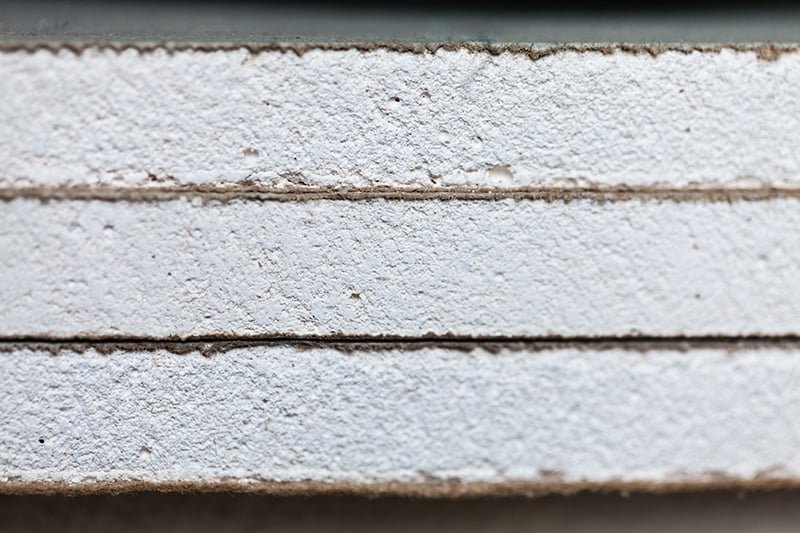
Drywall is a building panel made from a thick core, usually gypsum, pressed between two sheets of paper. Gypsum is a soft mineral that naturally resists fire better than many other wall materials. The panels come in large flat sheets, which makes them much faster to install than old-style plaster walls.
People often call it by other names too, such as wallboard, plasterboard, or gypsum board. These names usually mean the same basic product. In simple words, drywall is the material that creates the inside surface of many walls and ceilings.
Before drywall became popular, many homes used plaster. Plaster can look beautiful, but it takes more skill, more time, and more labor to install. Drywall changed building work because it made wall installation much faster and more affordable. Builders could cover a room in hours instead of days.
Another reason drywall is so common is that it creates a clean, smooth surface for paint, wallpaper, tile, and decoration. It also hides wires, pipes, and insulation inside the wall cavity. That makes rooms look neat and modern.
For a basic overview of gypsum board and its uses, the National Association of Home Builders is a helpful authority.
How drywall is made
Drywall may look simple, but the material is carefully designed. The center is made from gypsum, which is mixed with water and additives. This mixture is shaped into flat boards and then covered with heavy paper on both sides. After it dries, the boards become strong enough for building use.
The paper surface helps the board stay stable and gives painters and finishers a surface that can be taped and coated. The core gives the panel its size and fire resistance. Some drywall products also include special additives for moisture control, mold resistance, sound control, or extra strength.
One thing beginners often miss is that drywall is not meant to be waterproof. Standard drywall can be damaged by water. That is why special types exist for bathrooms, basements, laundry rooms, and other damp areas.
Main drywall types you should know
Not all drywall is the same. The right type depends on the room, the amount of moisture, and the level of protection you need. Choosing the wrong one can create problems later, especially in wet or high-traffic areas.
| Drywall type | Best use | Main benefit |
|---|---|---|
| Standard drywall | Bedrooms, living rooms, hallways | Affordable and easy to use |
| Moisture-resistant drywall | Bathrooms, kitchens, laundry rooms | Better protection in humid spaces |
| Fire-resistant drywall | Garages, furnace rooms, shared walls | Slows fire spread |
| Soundproof drywall | Bedrooms, offices, media rooms | Reduces noise transfer |
| Abuse-resistant drywall | Schools, halls, family rooms | Handles bumps and impact better |
1. Standard drywall
This is the most common type. It works well in dry indoor spaces where there is no special need for moisture or fire protection. Most bedrooms, living rooms, dining rooms, and closets use standard drywall.
It is easy to cut, hang, and finish. For many home projects, this is the default choice. If you are unsure what to use in a normal room, standard drywall is usually fine.
2. Moisture-resistant drywall
This type is often called green board or mold-resistant board, though not every green board is the same. It is made to handle humidity better than standard drywall. It is a smart choice for areas that get damp but do not stay wet all the time.
Use it in bathrooms, kitchens, and laundry rooms. But do not make a common mistake: moisture-resistant drywall is not a good replacement for tile backer board in areas that see direct water, like shower walls. That job needs a stronger waterproof system.
3. Fire-resistant drywall
Fire-resistant drywall is built to slow fire and heat. It is often thicker and denser than standard drywall. One common type is called Type X. It is used where extra fire protection matters, such as garages, utility rooms, and walls between living spaces and attached garages.
It does not make a room fireproof. That is a mistake some people assume. What it does is buy time, which can help protect people and property.
4. Soundproof drywall
Soundproof drywall is designed to reduce noise. It may use special layers, damping materials, or extra density to slow sound transfer through walls and ceilings. It is useful in apartments, home offices, bedrooms, music rooms, and shared walls.
If noise is a real concern, drywall alone may not solve the problem. Sound control often works best when paired with insulation, sealed gaps, and careful installation. Small openings around outlets and edges can let in a lot of sound.
5. Abuse-resistant drywall
This type is made for places where walls get bumped, scraped, or hit often. Hallways, schools, family rooms, and busy rental units can benefit from it. The surface is stronger, so it stands up better to everyday wear.
This is one of those drywall choices beginners often overlook. They focus only on room type, but traffic matters too. A child’s hallway or a narrow stairway may need stronger board than a quiet guest room.
Where drywall is used in a home
Drywall is used almost everywhere indoors, but the exact type changes by room. Most of the visible flat surfaces in a house are drywall unless the home has wood paneling, brick, stone, or another finish.
:max_bytes(150000):strip_icc():format(webp)/what-is-drywall-made-of-1821482-hero-6a273d7984f74b80a414cec288d86b4c.jpg)
Credit: thespruce.com
Common places drywall appears
- Interior walls in bedrooms, living rooms, and hallways
- Ceilings in most finished rooms
- Closets and storage spaces
- Basements, if they are finished and dry enough
- Garages, often with fire-rated board
- Kitchens and bathrooms, with moisture-resistant board in suitable areas
Drywall is also used to create design features such as soffits, bulkheads, and decorative arches. Contractors like it because it is flexible enough for many shapes, not just flat walls.
Another useful detail: drywall helps with easy access to hidden systems. Electric wiring, pipes, and ducts can run behind it, while the finished room still looks clean and simple.
Why drywall is preferred over other wall finishes
Drywall has become the standard in many places for a few strong reasons. It is not the only wall material, but it gives a very good balance of cost, speed, and appearance.
It is fast to install
Large sheets cover a lot of space quickly. That saves labor time, which lowers building costs. For contractors, time matters a lot. For homeowners, this can mean faster project completion.
It creates a smooth finish
Drywall can be taped, coated, sanded, and painted until it looks clean and uniform. That smooth surface works well with almost any decor style.
It is easy to repair
Small holes, dents, and cracks can often be patched without replacing an entire wall. This makes drywall practical for everyday homes.
It supports insulation and utilities
Walls need space for electrical wires, plumbing lines, and insulation. Drywall covers these systems neatly while still allowing access when needed.
It offers useful performance options
You can choose boards for fire resistance, sound control, or moisture protection. That flexibility makes drywall fit many different rooms and needs.
What you need before installing drywall
Drywall installation is not complicated in theory, but it does require planning. Good prep often matters more than speed. If the framing is uneven or the measurements are wrong, the finished wall can look bad even if the taping is done well.
Before starting, you will need the right materials and tools. Here are the basics:
- Drywall sheets in the correct thickness
- Drywall screws or nails
- Drywall saw or utility knife
- Tape measure
- Level or straight edge
- Screw gun or drill
- Joint compound
- Drywall tape
- Sanding block or pole sander
- Safety glasses and dust mask
Drywall comes in different thicknesses. The most common ones are 1/2 inch and 5/8 inch. Thicker boards are stronger and often better for ceilings, fire-rated walls, or sound control.
One beginner mistake is buying all boards the same size without checking the space first. Rooms often need a mix of full sheets and cut pieces. Planning the sheet layout can reduce waste and make installation much cleaner.
How drywall installation works
Installing drywall follows a clear process. The exact details change based on the room and the project size, but the main steps are usually the same.
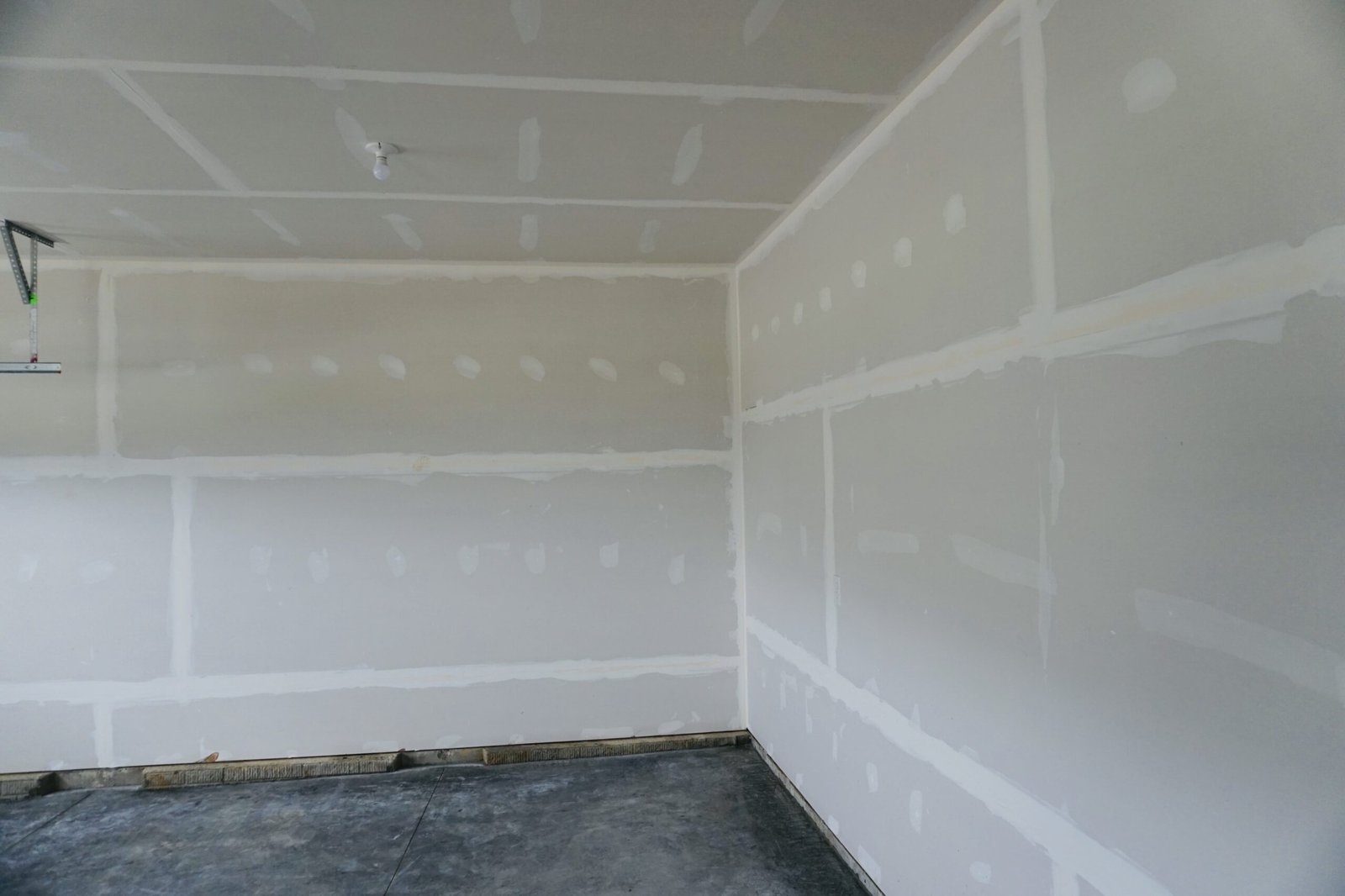
Credit: angi.com
1. Measure the area
Start by measuring the height and width of each wall and ceiling section. Write down the dimensions carefully. Drywall sheets are large, so good measurements help you reduce cuts and waste.
2. Cut the sheets
Drywall is usually scored with a utility knife and snapped along the cut line. Then the paper backing is cut to separate the piece. Openings for outlets, switches, and fixtures must be measured before cutting.
A small but important tip: mark the back side of the board when possible. It can make scoring cleaner and reduce torn paper edges.
3. Hang the drywall
Drywall sheets are attached to wall studs or ceiling joists with screws or nails. Screws are commonly preferred because they hold better and reduce popped fasteners later. The boards should fit snugly, with seams placed in smart locations.
Ceilings are usually hung first, then walls. That sequence helps support the wall edges and gives a cleaner result.
4. Tape the seams
Once the boards are in place, the joints between sheets are covered with drywall tape. This step is important because it helps connect the seams and reduce visible cracks later.
5. Apply joint compound
Joint compound, often called mud, is spread over the tape and screw holes. It is applied in thin layers. Several coats may be needed to make the surface smooth.
6. Sand the surface
After the compound dries, it is sanded smooth. This step creates a flat surface ready for primer and paint. Too much sanding can damage the paper surface, so the work should be careful.
7. Prime and paint
Drywall should be primed before painting. Primer helps seal the porous surface so paint goes on evenly. Without primer, paint can soak in unevenly and look patchy.
Common installation mistakes to avoid
Many drywall problems are not caused by the board itself. They come from poor installation. If you know the common mistakes, you can avoid most of the trouble.
Using the wrong type of drywall
Standard drywall in a bathroom or basement can lead to moisture damage. Always choose the board that matches the room.
Fastening boards badly
Fasteners should sit just below the surface, not break the paper. If they are too deep, the board loses strength. If they are too shallow, they can pop out later.
Leaving joints in weak places
Seams should not all line up in one area. Staggering joints helps the wall stay stronger and look better.
Skipping primer
Many people paint directly over new drywall. This often leads to uneven color and wasted paint. Primer is worth the extra step.
Rushing the mudding process
Thick coats dry unevenly and are harder to sand. Thin, careful layers produce a much better finish.
Here is one non-obvious point beginners often miss: lighting reveals drywall flaws more than most people expect. Side lighting from windows or wall lamps can show ridges, joints, and sanding marks. That is why finish work should be checked under good light before painting.
Drywall finishing levels explained simply
Not every drywall project needs the same finish. Some walls only need a basic level, while others need a very smooth look for paint or glossy decoration. Finish levels help define how much taping and coating has been done.
Basic finish
This is common in utility spaces, garages, and areas that will not be closely inspected. It covers the seams and fasteners but may not be perfect.
Standard painted finish
This is used in most homes. The seams are taped, covered, sanded, and made smooth enough for normal paint.
High-end finish
This level is for rooms with strong lighting, glossy paint, or very smooth design goals. It takes more time, more skill, and more sanding.
A useful rule is simple: the better the lighting and the more visible the wall, the better the finish should be. A ceiling in a garage does not need the same treatment as a bright dining room wall.
Drywall care, repair, and lifespan
Drywall can last many years if it stays dry and is protected from hard impact. It does not need much care, but it should be checked for cracks, water stains, nail pops, and dents.
Small dents and holes can usually be filled with joint compound or a patch kit. Bigger damage may require cutting out the damaged section and replacing it with a new piece. If water has soaked into the board, replacement is often the safer choice.
Water damage is one of the biggest threats to drywall. If you see bulging, soft spots, yellow stains, or a musty smell, the source of the moisture should be fixed first. Repairing the wall without fixing the leak will only lead to the same problem again.
In normal indoor conditions, drywall can last for decades. The board itself is not the weak point most of the time. The real issues are moisture, movement in the building, and repeated impact.
Choosing the right drywall for your project
If you are planning a project, think about three things: the room, the risk, and the finish you want.
- Room: Is it dry, damp, noisy, or high traffic?
- Risk: Does it need fire protection, moisture resistance, or better impact strength?
- Finish: Will the wall be plain, painted, or seen up close under bright light?
For most living areas, standard drywall is enough. For bathrooms and kitchens, moisture-resistant drywall is often the better choice. For garages and utility spaces, fire-rated board may be needed. If noise matters, sound-control products and insulation are worth considering together.
The best choice is not always the strongest or most expensive board. It is the board that matches the space. That is the smart way to avoid extra cost and future repairs.
Credit: vinawoodltd.com
Final thoughts on drywall
Now you know the answer to what is drywall: it is the basic material used to build smooth interior walls and ceilings in most modern buildings. It is made from gypsum, covered with paper, and installed in large sheets to save time and labor.
Its popularity comes from simple strengths. It is fast, affordable, flexible, and easy to finish. With the right type and proper installation, drywall can perform well for many years. If you understand the different types and common mistakes, you can make smarter choices for your home project.
Whether you are repairing a small hole or planning a full remodel, drywall is one of the most useful building materials to understand. The better you know it, the easier your project becomes.
FAQs
1. What is drywall made of?
Drywall is mainly made of gypsum, a mineral core pressed between two layers of thick paper. Some versions also include additives for moisture resistance, fire resistance, or sound control.
2. Is drywall the same as plaster?
No, drywall and plaster are different. Drywall comes in factory-made boards that are installed on walls and ceilings. Plaster is a wet material that is applied by hand in layers. Drywall is usually faster and easier to install.
3. Can drywall get wet?
Standard drywall does not handle water well. If it gets soaked, it can soften, stain, or grow mold. Moisture-resistant drywall can handle humidity better, but it is still not fully waterproof.
4. What thickness of drywall is most common?
The most common thickness for many walls is 1/2 inch. Ceilings, fire-rated areas, and sound-control projects may use 5/8 inch drywall instead.
5. How long does drywall last?
Drywall can last for decades if it stays dry and is not damaged by impact or building movement. Most problems come from moisture, poor installation, or repeated bumps and wear.
