
Drywall corner beads may look like a small detail, but they do a very important job. They protect outside corners from dents, cracks, and daily wear. They also help those corners look straight, clean, and finished.
If you are building a new wall, repairing damage, or remodeling a room, choosing the right corner bead matters more than many people think. The types of drywall corner beads you pick can change how easy the job is, how strong the corner will be, and how the final wall will look after painting.
Some corner beads are made for quick installation. Others are better for high-impact areas, curved walls, wet rooms, or projects that need a very smooth finish. In this guide, you will learn the main options, when to use each one, and how to avoid common mistakes that lead to cracks or ugly edges later.
Why drywall corner bead choice matters
A drywall corner is one of the most vulnerable parts of a wall. Every time someone bumps a vacuum, chair, suitcase, or moving box into it, the edge takes the hit. Without protection, the drywall paper and joint compound can chip or crumble fast.
Corner bead solves this problem by adding a reinforced edge. It also helps create a straight line from ceiling to floor. That line is not just for looks. It makes finishing easier and helps the room feel more professional.
Choosing the wrong bead can cause real problems. A thin bead may dent in a hallway. A metal bead may rust in a damp bathroom if it is not coated properly. A flexible bead may be the wrong choice for a sharp outside corner. So the best option is not always the strongest one on paper. It is the one that fits the job.
One thing beginners often miss is that corner bead is not only about strength. It is also about installation method and finishing skill. Some beads need screws or nails. Some work with joint compound. Some are easier to hide with mud, while others are easier to align. The best choice depends on both the wall and the person doing the work.
The main types of drywall corner beads
There are several types of drywall corner beads, and each has its own strengths. Below are the most common ones used in homes and commercial spaces.
1. Metal corner bead
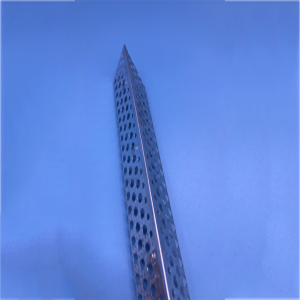
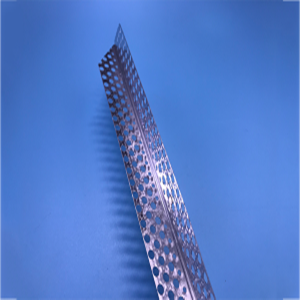
Metal corner bead is one of the oldest and most trusted choices. It is usually made from galvanized steel or aluminum. The bead is strong, crisp, and very good at creating a sharp outside corner.
This type is often used in busy areas such as hallways, stairwells, schools, and offices. It handles impact well and gives a very straight finished line. Many professionals like it because it stays rigid during installation.
Metal bead is a smart choice when you want durability and a clean edge. It is also useful when corners are slightly uneven, because the rigid profile helps straighten the line as it is installed.
Best for
- High-traffic walls
- Sharp outside corners
- Projects that need strong edge protection
Watch out for
- Rust risk if the product is not properly coated or used in wet areas
- More skill needed to install smoothly
- Can dent if the metal is thin
2. Vinyl corner bead
Vinyl corner bead is a popular modern option. It is lightweight, flexible, and resistant to rust. It is often used in homes because it is easy to handle and works well in many normal wall situations.
Vinyl is a good choice for areas where moisture may be present, such as bathrooms and kitchens. It also works well where some flexibility is helpful. Because it does not rust, many installers use it for long-term performance in damp spaces.
Another advantage is that vinyl can be more forgiving during installation. It is not as hard as metal, so it can be easier for beginners to work with. Still, it should be installed carefully so the corner stays straight.
Best for
- Bathrooms and kitchens
- General residential use
- Projects where rust resistance matters
Watch out for
- Less impact resistance than metal in some situations
- Can feel less rigid on very sharp corners
- May require careful mud application for a smooth finish
3. Paper-faced corner bead
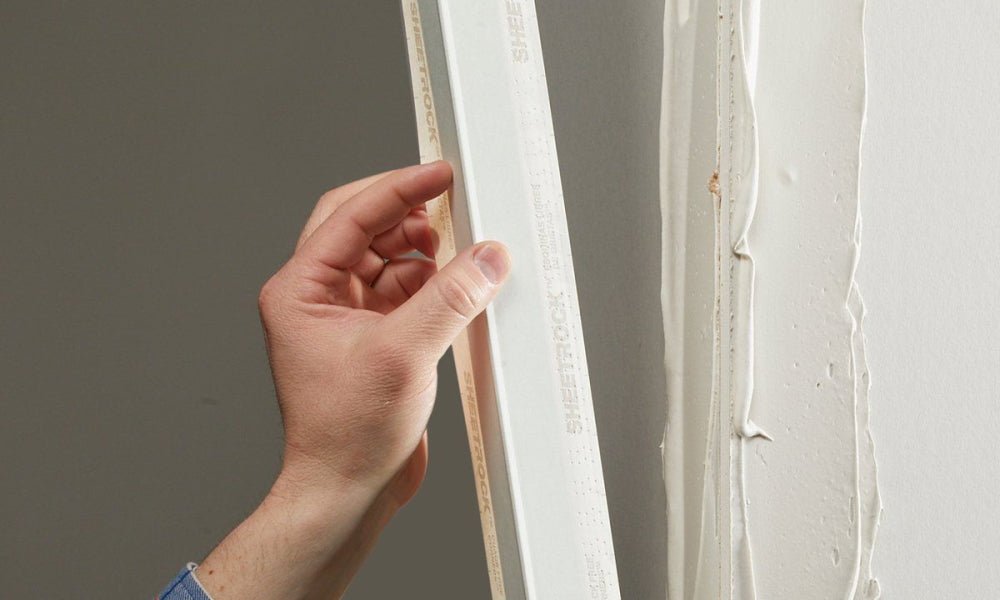
Paper-faced corner bead combines a metal or vinyl core with paper flanges that bond into joint compound. This type is known for producing a very smooth finish. Many drywall finishers like it because the paper edges blend well with the wall surface.
The big advantage of paper-faced bead is finish quality. It can create crisp corners with less risk of showing seams after paint. It is especially useful when the goal is a clean, professional appearance.
Paper-faced beads are often easier to tape and mud than old-style metal bead. They are designed to work with compound, so they can be a good choice for both contractors and careful DIY users.
Best for
- High-quality interior finishes
- Professional-looking paint jobs
- Walls where a smooth transition matters most
Watch out for
- Needs proper embedding in compound
- Can fail if mud is too dry or applied unevenly
- Not always the best choice for heavy-impact corners
4. Composite corner bead
Composite corner bead is made from a mix of materials, often including plastic and reinforcement layers. It is designed to be strong, durable, and easier to handle than some traditional products.
Many composite beads are made to reduce cracking. This makes them useful in homes where walls may move slightly over time. They are also popular in modern drywall systems because they balance strength with flexibility.
Composite bead is a strong middle-ground option. It is often easier to use than metal, but more durable than some lighter beads. If you want a modern solution with good performance, this is worth considering.
Best for
- General-purpose wall protection
- Jobs where crack resistance matters
- Users who want a balance of strength and ease
Watch out for
- Quality varies by brand
- May cost more than basic options
- Installation instructions can differ from product to product
5. Paper or mud-set bead
Paper or mud-set bead is designed to be embedded in joint compound and finished into the wall. It is usually used where a very clean transition is needed. This type is common in modern finishing systems because it can help reduce visible edges.
It is also useful when you want a bead that feels like part of the wall, not something added on top of it. When installed well, it gives a smooth and neat result.
This is a good option for finish work, but it requires patience. The compound must be applied correctly. If the mud is too thick, too thin, or not pressed in well, the result can be uneven.
Best for
- Smooth interior finishes
- Walls with careful paint work
- Projects where a seamless look is important
Watch out for
- More sensitive to installation errors
- May need more finishing passes
- Not ideal if you need fast, rugged protection
6. Bullnose corner bead
Bullnose corner bead creates a rounded corner instead of a sharp 90-degree edge. It is used when a softer, more decorative look is desired. This style is common in newer homes, especially where designers want a smoother feel.
Bullnose corners can also be practical. Rounded edges are less likely to chip and can feel safer in homes with children. They also change the room’s style in a subtle but noticeable way.
If you are replacing existing corners, you must make sure the whole design matches. Bullnose bead is not a small style change. It affects the look of the whole wall and may need matching trims or repeat use throughout the room.
Best for
- Decorative interior design
- Homes with children
- Projects that use rounded architectural details
Watch out for
- Must match the room’s style
- Hard to blend with sharp existing corners
- Requires a different finishing approach than square beads
7. Flexible corner bead
Flexible corner bead is made for corners that are not standard 90 degrees or for curved surfaces. This is one of the most useful specialty options because many walls are not perfectly straight in real life.
If you are finishing an archway, a curved wall, or a corner that is slightly off-angle, flexible bead gives you more control. It bends without breaking and helps create a smooth transition where rigid beads would fail.
This is one of the smartest choices in remodeling, where older framing may not be perfect. Beginners often try to force a rigid bead onto an uneven corner, and that usually leads to cracking or ugly gaps.
Best for
- Curved walls
- Non-standard angles
- Older homes with uneven framing
Watch out for
- Not needed for normal straight corners
- May cost more than standard options
- Needs careful shaping during install
How to choose the right one for your project
The best choice depends on where the corner is, how much wear it will get, and what finish you want. A good corner bead should match the wall’s purpose, not just the budget.
Credit: ruifiber.com
Think about traffic first
Busy areas need stronger protection. If a corner sits near a hallway, stair, laundry room, or play area, a tougher product makes sense. Metal and some composite beads usually perform better in these spaces.
For lower-traffic rooms like bedrooms or guest spaces, you may not need the strongest option. In those areas, finish quality and ease of installation may matter more than brute strength.
Match the bead to the room moisture
Moisture is a big factor. Bathrooms, kitchens, basements, and laundry rooms can expose corner bead to humidity. In those places, rust resistance is important. Vinyl and some composite options are often better than plain metal.
Here is a useful rule: if water or steam can reach the corner often, do not assume any metal product is fine. Check the product type and coating. This small step can prevent problems later.
Decide how important the finish is
If the corner will be painted with a bright light shining across it, every small flaw may show. That means you need a bead that finishes smoothly and stays straight. Paper-faced and mud-set beads often do well in this kind of work.
If the wall is in a garage, utility room, or storage area, perfect finish quality may not be as important. In that case, strong and simple installation may be the better goal.
Consider your skill level
Some corner beads are friendly for beginners. Others need more practice. If this is your first drywall project, choose a bead that gives you a little room to make small errors.
Flexible and vinyl products are often easier to manage. Metal can give excellent results too, but it usually demands more careful handling and finishing.
Think about the type of corner
Most people focus only on outside corners, but not all corners are the same. A standard straight wall corner needs a different solution from a rounded arch or a weak old wall that has moved over time.
That is why the shape matters. Bullnose is for rounded design. Flexible bead is for unusual geometry. Metal or vinyl is better for standard sharp corners. Choosing by shape saves a lot of frustration.
| Type | Best use | Main strength | Main drawback |
|---|---|---|---|
| Metal | High-traffic straight corners | Very strong and rigid | Can rust if poorly chosen |
| Vinyl | General residential and damp areas | Rust-resistant and easy to use | Less rigid than metal |
| Paper-faced | Smooth interior finishes | Blends well with joint compound | Needs careful embedding |
| Composite | Balanced performance | Good durability and crack resistance | Brand quality varies |
| Bullnose | Rounded decorative corners | Softer look, less chipping | Must fit the room design |
| Flexible | Curved or uneven corners | Bends to fit non-standard angles | Not needed for standard corners |
How installation method affects the result
Two corners can use the same bead and still look very different. The reason is installation. A good product can still look bad if it is not attached and covered the right way.
Some corner beads are nailed or screwed into place. Others are set in joint compound. Some combine both methods. The installation method affects speed, strength, and finish quality.
For example, a metal bead may hold straight lines very well, but if the fasteners are uneven, the bead can warp slightly. A paper-faced bead may give a beautiful finish, but only if the mud fully bonds under the paper flanges.
One beginner mistake is using too much joint compound under the bead. That can push the bead out of line and make the corner look fat. Another common mistake is not pressing the bead in firmly enough, which leaves air gaps and weak spots.
A second detail many people miss is drying time. If you rush the next coat before the first layer is fully set, the corner can shift or crack later. Good drywall work is often about patience more than speed.
Credit: ruifiber.com
Common mistakes when choosing drywall corner bead
People often pick a corner bead based on price alone. That is usually the wrong move. A cheap bead that fails early can cost more to replace than a better one would have cost at the start.
Another mistake is using the same bead for every room. A bathroom, a hallway, and a decorative arch do not have the same needs. The best result comes from matching the bead to the exact job.
Here are some other mistakes to avoid:
- Using metal in damp areas without checking corrosion resistance
- Choosing bullnose when the rest of the house uses sharp corners
- Using a rigid bead on a curved surface
- Picking a bead that is hard to finish if you are new to drywall work
- Ignoring the final paint and light conditions
Lighting matters more than many beginners expect. A corner that looks fine in dim light may show waves, bumps, or seams under bright side lighting. If the room gets strong daylight, choose a bead and finish method that create a clean line.
What professionals look for before they buy
Experienced drywall installers usually check a few simple things before choosing a bead. First, they look at the corner shape. Then they check the environment. After that, they think about finish level.
They also pay attention to wall movement. Old houses often settle. New buildings may still move a little. If the structure shifts, a bead with some flexibility can reduce cracking.
Another smart habit is buying a small extra amount. Corners are easy to damage during cutting or transport. Having a little extra product saves time if a piece bends or gets cut wrong.
Professionals also compare how the bead handles sanding and mudding. A bead that seems strong but creates a hard ridge to hide can be frustrating. Good edge protection should also help the finish work go smoothly.
Simple guidance for choosing faster
If you want a quick way to narrow down the options, start with these practical choices:
- Use metal for strong protection on straight high-traffic corners.
- Use vinyl for general residential work and damp spaces.
- Use paper-faced when the finish quality matters most.
- Use composite when you want a balanced modern option.
- Use bullnose when the design calls for rounded corners.
- Use flexible bead for curves or non-standard angles.
That simple guide will solve many projects. Still, always check the room conditions and the final appearance you want. The right answer for one wall may not be right for the next.
Credit: timothystoolbox.com
Final thoughts on edge protection
The types of drywall corner beads you choose can shape the strength and look of an entire wall. This is a small part of the project that has a big effect on the final result. A good bead protects corners, improves the finish, and reduces repair work later.
If your goal is toughness, metal is still a strong classic choice. If you want rust resistance and simpler use, vinyl is often practical. If you care most about a smooth, polished result, paper-faced or mud-set options are worth a close look. For curves and unusual angles, flexible bead is the safer path. And if you want a softer style, bullnose gives the room a different feel.
The best results come from matching the bead to the corner, the room, and your skill level. That one decision can save time, reduce cracks, and make the wall look much better after paint. For a reliable background on drywall finishing basics, you can also review guidance from the USG drywall resource center.
FAQs
1. What are the most common types of drywall corner beads?
The most common types of drywall corner beads are metal, vinyl, paper-faced, composite, bullnose, and flexible bead. Each one serves a different purpose based on strength, finish quality, and corner shape.
2. Which drywall corner bead is best for beginners?
Vinyl and some composite beads are often easier for beginners because they are lighter and more forgiving. Paper-faced bead can also work well, but it needs careful embedding in joint compound.
3. Can I use metal corner bead in a bathroom?
You can, but only if the product is suitable for damp areas and protected against rust. In many bathrooms, vinyl or other rust-resistant options are a safer choice.
4. What is the difference between bullnose and regular corner bead?
Bullnose corner bead creates a rounded edge, while regular corner bead creates a sharp 90-degree corner. Bullnose is used for a softer look and can reduce chipping on exposed edges.
5. How do I choose the right corner bead for my project?
Look at the corner shape, room moisture, traffic level, and finish quality you want. Then choose the bead that fits those needs instead of picking only by price or habit.
