
Choosing the right wall anchor sounds simple until the screw starts spinning, the drywall crumbles, or the shelf pulls loose. That is why understanding the types of drywall anchors matters so much. The right anchor can hold a picture frame, a towel bar, a TV mount, or a heavy shelf with much more confidence.
Drywall looks solid, but it is not made to hold weight by itself. It needs help. An anchor spreads the load so the screw can grip better and stay in place. Some anchors are made for light decor. Others are built for heavier items or repeated use. If you choose the wrong one, even a strong screw will not save the job.
This guide explains the main anchor types in simple words, shows where each one works best, and helps you avoid common mistakes. By the end, you will know how to match the anchor to the wall, the item, and the weight.
Why drywall needs anchors in the first place
Drywall is a gypsum board with paper on both sides. It is great for building walls fast, but it is not strong enough on its own for many hanging jobs. A screw driven directly into drywall may hold very little weight. It can also loosen over time, especially if the item gets moved or bumped.
An anchor changes that. It creates a wider grip inside the wall or behind it. Some anchors expand, some twist open, and some spread load across a larger area. That extra support is what makes the wall hold better.
One important detail many beginners miss is that weight alone is not the only factor. The way the item sits on the wall matters too. A towel hook that gets pulled outward by daily use puts more stress on the anchor than a framed picture with the same weight. Vibration, movement, and leverage can matter as much as size.
What really affects holding power
- Drywall thickness – Most homes use 1/2-inch drywall, but some walls use 5/8-inch.
- Weight of the item – Light, medium, and heavy items need different anchors.
- Wall condition – Old, soft, or damaged drywall holds less well.
- Movement – Objects that get pulled, opened, or adjusted need stronger support.
- Stud location – If you can hit a stud, that is usually the strongest option.
If you want a technical definition of drywall anchor performance, the Family Handyman guide to wall anchors is a useful reference for basic anchor behavior and common uses.
The main types of drywall anchors and how they work
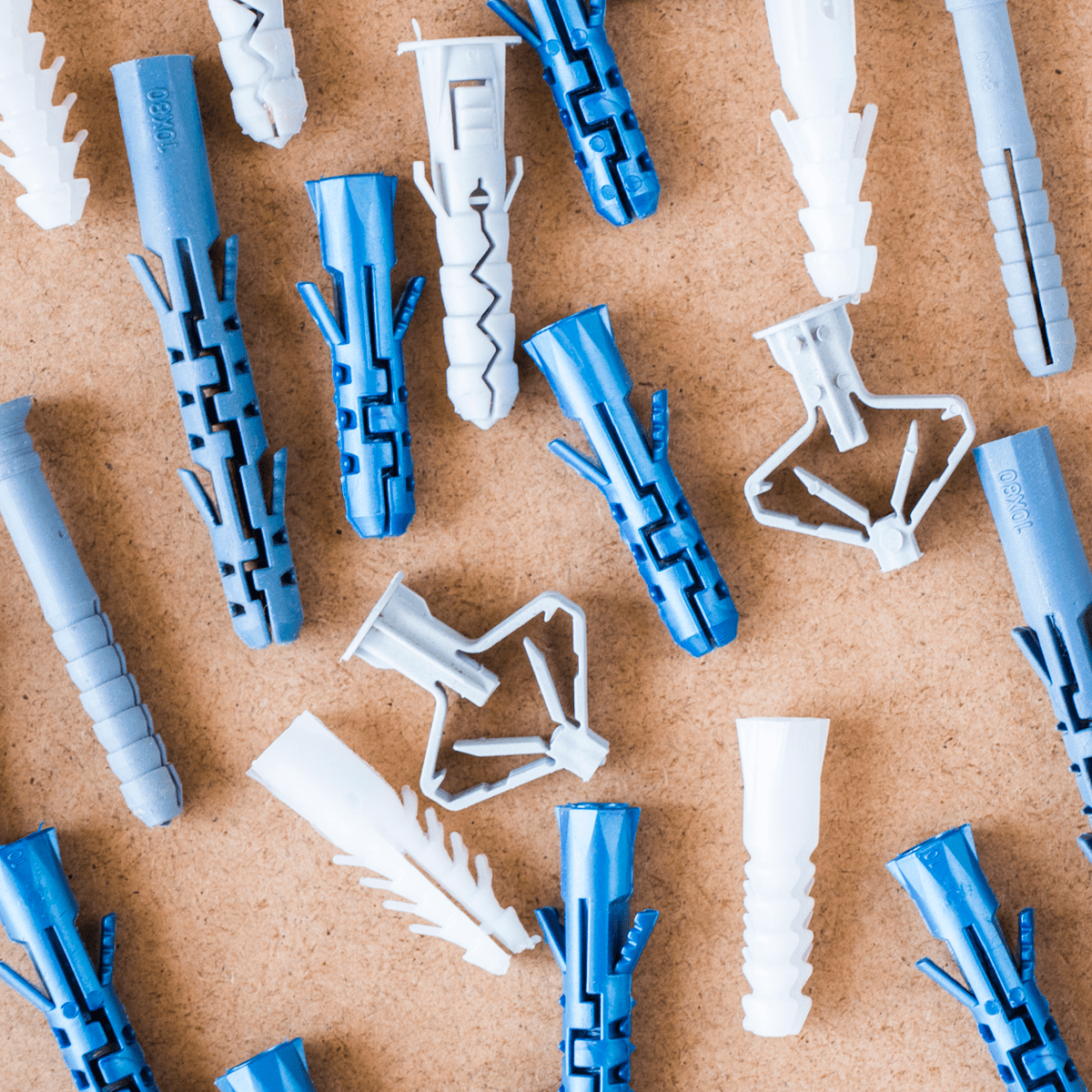
Not all anchors work the same way. Some are simple plastic inserts. Others are metal devices that open behind the wall. Knowing the difference makes choosing much easier.
1. Expansion plastic anchors
These are small plastic sleeves that expand when a screw goes in. They are common, cheap, and easy to use. You drill a hole, tap the anchor in, then insert the screw. As the screw tightens, the anchor expands against the drywall.
They are best for very light items such as small pictures, cable clips, or tiny decor. They are not ideal for anything that gets tugged often. A beginner mistake is using them for too much weight because they look sturdy. They are not.
Best for
- Light frames
- Small wall hooks
- Cable holders
- Very light decor
Watch out for
- They can slip in soft drywall.
- They do not handle pull-out force well.
- They are weak in larger holes.
2. Self-drilling plastic anchors
These anchors have a threaded shape that lets them screw into drywall without a pre-drilled hole in some cases. They are often easy for home users because they feel simple and clean to install. You twist them in, then drive the screw through them.
They are slightly better than basic expansion anchors for many light-to-medium jobs. They work well for light shelving, bathroom accessories, and wall organizers. Still, they are not the right choice for heavy loads.
A non-obvious point: self-drilling anchors can work well only if the drywall is in good shape. If the wall is old or crumbly, the threads may strip while installing. When that happens, the anchor looks installed but does not grip well.
Best for
- Hand towel rings
- Light shelves
- Decorative items
- Small utility hooks
3. Molly bolts
Molly bolts are metal anchors that expand behind the drywall as you tighten the screw. They create a firmer hold than basic plastic anchors. Once installed, they can support more weight and resist pull better.
These are a strong choice for items that stay on the wall for a long time. They work well for towel bars, mirrors, and medium-weight shelves. They do need a more careful installation, though. You must drill the correct hole size and tighten them properly so they expand behind the wall.
One useful detail: molly bolts are often chosen when you may want to remove and reinstall the screw later. They are more reusable than many cheap plastic anchors, though repeated use still has limits.
Best for
- Mirrors
- Towel bars
- Medium shelves
- Wall-mounted accessories
4. Toggle bolts
Toggle bolts are among the strongest types of drywall anchors for hollow walls. They use spring-loaded wings or a bar that opens behind the drywall. This spreads the load over a larger area, which makes them much stronger than many other options.
If you need to hang something heavy and cannot find a stud, a toggle bolt is often the answer. They are commonly used for TVs, large mirrors, cabinets with light loads, and heavy wall decor. The trade-off is that they need a larger hole and a little more planning.
Many people miss one important detail with toggle bolts: once the wings are inside the wall, the screw can be removed, but the toggle part usually stays there or falls behind the wall if removed fully. So they are strong, but not the neatest option for frequent changes.
Best for
- Heavy mirrors
- Large wall art
- TV brackets
- Heavy shelves
5. Strap toggles
Strap toggles work like toggle bolts, but they use a strap system that stays in place and makes later removal easier. They are often easier to install than traditional toggle bolts and are very handy for DIY users.
The strap helps hold the toggle in position, so you do not lose the anchor behind the wall when the screw is removed. This makes them practical for items that may need servicing or replacement later. They are strong, clean, and user-friendly.
Best for
- TV mounts
- Cabinet hardware
- Large framed pieces
- Items that may be removed later
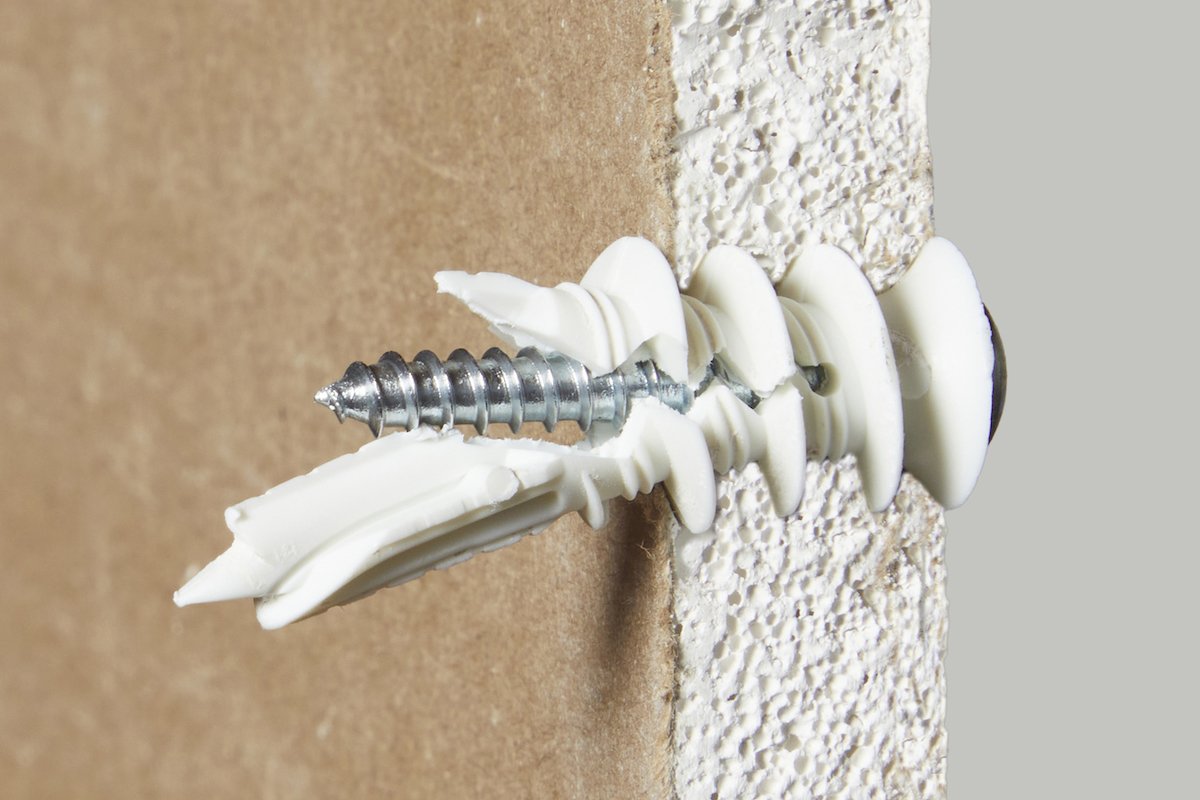
6. Winged plastic anchors
These anchors have small wings that open behind the drywall when the screw goes in. They are usually made of plastic and offer better support than basic expansion anchors. They work best for medium-light items.
They can be a smart choice for home projects where you want more hold than a simple plastic plug, but you do not need full toggle strength. Still, because they are plastic, they are not the best option for heavy loads or constant pulling.
Best for
- Light shelving
- Decorative wall items
- Small bathroom accessories
7. Snaptoggle anchors
Snaptoggle anchors are a premium-style toggle system with a metal channel and a screw that locks into place. They are known for strong holding power and neat installation. Many installers like them because they combine strength with better control.
They are useful when you want a strong anchor without the hassle of a loose toggle behind the wall. They also work well in thicker drywall. For many people, this is one of the best solutions for heavy hollow-wall jobs.
Another beginner mistake is assuming all toggles are the same. They are not. A snaptoggle can often feel more stable during installation than a basic spring toggle, especially in thicker or slightly damaged drywall.
Best for
- Heavy mirrors
- Shelves
- Large fixtures
- TV brackets
8. Threaded drywall anchors for light loads
These anchors have a coarse thread and usually come in plastic or metal. They are designed to cut into drywall and hold light to medium items. Some versions are made to be screw-in anchors that stay in place firmly without a lot of installation steps.
They are useful for people who want a quick, clean solution for everyday hanging tasks. But you should not confuse them with heavy-duty anchors. Their grip depends heavily on the wall condition and the size of the hole.
Best for
- Picture frames
- Small shelves
- Organizers
- Light bathroom accessories
How to choose the right anchor for your project
The best anchor depends on more than the item’s weight. You also need to think about how the item will be used, where it is going, and what kind of wall you have.
A simple way to think about it is this: if the item only hangs there and does not move, you may not need much. If it gets pulled, lifted, opened, or adjusted, you need more strength.
:strip_icc()/bhg-how-to-use-drywall-anchors-03-22685_67TCQUEaKuw8tgDwrg_ePe-78bf23933c5b4508aa34ed1e92636691.jpg)
Credit: bhg.com
Match the anchor to the load
Light items include small frames, light art, and cable clips. Medium items include towel bars, small shelves, and bathroom accessories. Heavy items include large mirrors, floating shelves, and wall-mounted equipment.
| Item type | Good anchor choices | Notes |
|---|---|---|
| Very light decor | Expansion plastic anchors, threaded drywall anchors | Best for low stress and small weight |
| Light to medium items | Self-drilling plastic anchors, winged plastic anchors, molly bolts | Good for accessories and small shelves |
| Heavy items | Toggle bolts, strap toggles, snaptoggle anchors | Best when a stud is not available |
Think about pull force, not just weight
This is one of the most ignored ideas in drywall hanging. A 10-pound item can be harder to hold than a 20-pound item if it sticks far away from the wall or gets pulled often. That extra distance creates leverage.
For example, a towel bar may not be very heavy, but people pull on it every day. A small speaker may not weigh much, but vibration adds stress. In both cases, choose a stronger anchor than the weight alone suggests.
Check the wall before you drill
If the drywall feels soft, damaged, or old, use a stronger anchor or move to a stud. If the wall sounds hollow and feels solid only in one area, that may help you plan the placement. Be careful near corners, seams, and old repair patches because those spots may not hold as well.
If you are close to a stud, it is often better to use it. A stud screw gives much stronger support than any anchor in drywall alone. But if the position must be in hollow drywall, then choose an anchor that matches the load carefully.
Common mistakes people make with drywall anchors
Many anchor problems come from poor matching, not from bad products. The anchor may be fine, but the choice or installation is wrong.
Credit: familyhandyman.com
Using a weak anchor for a heavy job
This is the biggest mistake. A small plastic anchor may look neat, but it is not built for a heavy mirror or shelf. If the item matters, use a stronger anchor than you think you need.
Drilling the wrong hole size
Too small, and the anchor may bend or fail to go in. Too large, and the anchor will not grip the drywall. Always match the drill size to the anchor instructions.
Over-tightening the screw
More pressure is not always better. If you crank the screw too hard, you can strip the anchor or crush the drywall. Tighten until the item is secure, then stop.
Ignoring wall movement
Bathroom items, hallway hooks, and kitchen accessories often take more stress than people expect. Movement can slowly loosen an anchor. For these spots, choose a stronger style from the start.
Installing in damaged drywall
If the wall is cracked, soft, or already patched, a regular anchor may not work well. In that case, move the mounting point or use a stronger design that spreads the load more.
How to install a drywall anchor the right way
Each anchor type has its own method, but the basic idea is similar. Good installation matters almost as much as the anchor itself.
- Mark the exact spot where the item will go.
- Check for wires, pipes, or studs if needed.
- Drill the correct hole size for the anchor.
- Insert or screw in the anchor as directed.
- Drive the screw slowly and stop when it feels snug.
- Test the item gently before fully loading it.
If the anchor starts spinning in the wall, stop. That usually means the hole is too large or the drywall is too weak. In that case, use a bigger anchor, move the hole, or find a stud.
Best anchor choices by project
Different projects need different levels of strength. Here is a simple guide to help you make a faster choice.
For picture frames and small decor
Use expansion plastic anchors, threaded drywall anchors, or small self-drilling anchors. These are usually enough if the item is light and not touched often.
For towel bars and bathroom hardware
Choose molly bolts, winged anchors, or strap toggles. Bathroom items often face repeated pulling, so they need more hold than basic hooks.
For shelves and mirrors
Use molly bolts for medium loads and toggle bolts or snaptoggles for heavier items. Always think about how far the item sticks out from the wall.
For TVs and heavy fixtures
Use toggle-based anchors only if you cannot hit a stud. For best results, combine anchors with a stud whenever possible, especially for large or expensive items.
Simple buying tips that save time and frustration
When you shop for drywall anchors, do not just look at the package weight rating. That number is often based on ideal conditions. Real walls are not always perfect.
Look for the anchor material, the wall type it supports, and whether it is meant for hollow drywall or solid backing. Also think about whether you may remove the item later. Some anchors are easier to reuse or service than others.
Another useful detail: keep a small mixed pack at home. A few light anchors, a few molly bolts, and a few toggle-style anchors will cover most daily household projects. That saves a lot of last-minute trips to the store.
Credit: bobvila.com
Final thoughts on choosing the right anchor
The best way to choose among the types of drywall anchors is to start with the job, not the product. Ask three simple questions: How heavy is the item? Will it move or get pulled? Is the drywall in good condition? Your answers will usually point you to the right option.
For light decor, simple plastic or threaded anchors are often enough. For medium loads, molly bolts and winged anchors offer better security. For heavy items, use toggle bolts, strap toggles, or snaptoggles when no stud is available. And whenever possible, a stud is still the strongest place to mount something.
If you remember only one thing, remember this: a drywall anchor is not just about holding weight. It is about holding that weight safely, over time, in a real home with real use. Choose with that in mind, and your wall projects will last much longer.
FAQs
1. What are the best types of drywall anchors for heavy items?
Toggle bolts, strap toggles, and snaptoggle anchors are usually the best choices for heavy items in hollow drywall. If possible, use a stud instead, because it gives stronger support than any anchor.
2. Can I use a drywall anchor without a drill?
Some self-drilling anchors can be installed with a screwdriver, but many anchors work better with a drill. Using the correct hole size helps the anchor grip the drywall properly.
3. Are plastic drywall anchors strong enough?
Plastic anchors are fine for light items, but they are not the best choice for heavy or frequently used objects. For more strength, use metal anchors or toggle-style anchors.
4. Why do my drywall anchors keep spinning?
Spinning usually means the hole is too large, the drywall is damaged, or the anchor is too small for the job. Try a larger anchor, move to a fresh spot, or mount into a stud.
5. How do I know which anchor size to buy?
Check the weight of the item, the type of wall, and the anchor package instructions. If the item pulls outward or gets used often, choose a stronger anchor than the weight alone suggests.
