
If you are planning a wall repair or a new home project, you may hear two names again and again: sheetrock and drywall. Many people use these words like they mean the same thing. In many cases, they almost do. But there are still real differences that can affect your budget, your finish, and even how easy the job feels.
Understanding sheetrock vs drywall helps you make a smarter choice. You do not want to pay more than needed. You also do not want to pick the wrong material for a bathroom, basement, or high-traffic room. Small details can change the final result a lot.
In this guide, you will learn what each term really means, how they compare in cost and performance, and which one is better for your project. I will also point out mistakes many beginners miss, so you can avoid extra work later.
What these two words actually mean
Here is the simplest truth: drywall is the general term for the wall board used to make interior walls and ceilings. Sheetrock is a brand name. It is made by the U.S. Gypsum Company, and people often use it to mean drywall in general.
So when someone says “sheetrock,” they may just be talking about drywall board. That is why the two terms are often confused. In everyday speech, they are used the same way. In a store, on a job site, or in a quote, the difference may matter less than the type, thickness, and finish of the board.
This is one of the first things beginners miss: the brand name is not the same as the product category. It is similar to how people say “Kleenex” when they mean tissue. The name is famous, but the product type is broader.
Drywall as the general category
Drywall is made from a gypsum core pressed between paper layers. It is used to build walls and ceilings inside homes and buildings. It is faster and cleaner than older wall methods like plaster, and it is much easier to repair.
Drywall comes in different sizes and types. Some are designed for fire resistance. Some are moisture resistant. Some are thicker for better sound control. So when you compare sheetrock vs drywall, you are often really comparing different types of drywall, not just names.
Sheetrock as a branded version
Sheetrock is one of the best-known drywall brands. It is widely used and trusted in construction. Many contractors like it because it is consistent and easy to work with. But it is still drywall. It does not belong to a different material class.
For most homeowners, the real choice is not “sheetrock or drywall.” It is more like: Which drywall type, thickness, and brand should I buy?
How sheetrock and drywall compare in daily use
Because sheetrock is a brand of drywall, the comparison is not about two totally different materials. It is about name recognition, product quality, availability, and specialty options. Still, there are practical differences worth knowing.
| Factor | Drywall | Sheetrock |
|---|---|---|
| Meaning | General product type | Brand name for drywall |
| Availability | Widely available from many makers | Widely available, but depends on region and supplier |
| Variety | Many brands and product types | Multiple product lines under one brand |
| Cost | Can be cheaper or more expensive depending on brand/type | Often mid-range, but not always |
| Best use | All interior wall and ceiling needs | Also all interior wall and ceiling needs |
The most important lesson here is simple: your project needs matter more than the name on the board. A standard panel in one brand may perform almost the same as a standard panel in another brand. But special boards can perform very differently.
Why the brand can still matter
Even though the materials are similar, brands can differ in surface smoothness, board strength, edge quality, and consistency. These things matter during installation and finishing. A board with cleaner edges may be easier to tape. A more stable board may reduce cracks over time.
For large jobs, contractors often choose a brand they trust because it saves time. For homeowners, the better choice is usually the board that fits the room and budget well. Brand name alone should not decide the purchase.
Costs: what you can expect to pay
When people compare sheetrock vs drywall, cost is often the first question. The answer is not just about the panel price. You also need to think about labor, finishing materials, waste, and room conditions.
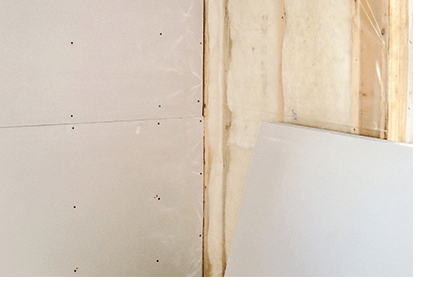
In many cases, standard drywall costs about the same no matter what people call it. Basic 4×8 sheets may start around a low price range, while specialty boards cost more. Sheetrock-branded panels may be priced similarly to other brands in the same category, but local supply changes the final number.
Credit: regionalfoundationrepair.com
Typical cost factors
- Board thickness – Thicker boards often cost more.
- Board type – Moisture-resistant, fire-resistant, and sound-control boards cost more than standard panels.
- Room size – Larger jobs often get better material pricing, but labor also rises.
- Labor – Hanging and finishing drywall can cost more than the panels themselves.
- Location – Prices change by region, store, and supply chain.
Here is the part many beginners miss: the cheap board is not always the cheap job. If a lower-cost board is harder to cut, breaks more easily, or needs extra repair, the labor cost can go up. A slightly better board may save time and reduce waste.
Standard vs specialty drywall costs
Standard drywall is the budget-friendly choice for most dry interior spaces. That includes bedrooms, living rooms, hallways, and ceilings in normal conditions. It is often the best value because it does the job well without extra features you may not need.
Specialty boards cost more because they solve specific problems:
- Moisture-resistant drywall for bathrooms, laundry rooms, and damp areas
- Fire-resistant drywall for garages, utility walls, and code-required areas
- Sound-control drywall for bedrooms, offices, and media rooms
- Abuse-resistant drywall for schools, hallways, and busy spaces
These products can be worth the extra money if the room needs them. If not, you may be paying for features that do not help much.
Performance differences that matter on real jobs
For most walls, sheetrock and drywall behave very similarly. But the specific type of board can change performance in real life. This is where smart choices matter most.
Moisture resistance
Standard drywall should not be used where water or heavy humidity is common. It can soften, stain, or grow mold if it stays wet. In bathrooms, basements, and laundry spaces, moisture-resistant boards are usually a better fit.
That said, moisture-resistant drywall is not a magic shield. It helps with humidity and small splashes, but it is not meant to sit in standing water. Good ventilation is still important.
Fire resistance
Some drywall panels are made to slow heat and fire spread. These are often used in garages, furnace rooms, and certain shared walls. They can help meet building codes and improve safety.
This is another place where beginners often make a mistake: they choose based on price alone and ignore code rules. In some areas, the wrong board can lead to failed inspections or rework.
Sound control
If you want quieter rooms, special drywall can help. Thicker or denser boards can reduce sound better than standard panels. But sound control is not only about the board. Insulation, framing, gaps, and sealing also matter a lot.
A single upgrade in board type can help, but it will not fully solve noise if the wall system is weak. That is why sound problems often need a full-room solution, not just a new panel.
Strength and damage resistance
In homes with kids, pets, or lots of traffic, wall dents happen often. Abuse-resistant drywall can handle bumps better than standard board. It may cost more at the start, but it can reduce future patching.
For many homeowners, this is a hidden value point. The board that costs less today may cost more later if it gets damaged often.
Installation: is one easier than the other?
Since sheetrock is drywall, installation is mostly the same. The real question is whether the board type is easy to carry, cut, lift, and finish. This depends on board size, thickness, and room shape.

Credit: reddit.com
What makes drywall work easier
- Standard thickness is easier to cut and hang.
- Regular room shapes mean fewer tricky cuts.
- Dry conditions help prevent sagging and damage.
- Good framing gives the board a flat base.
If you are doing a DIY project, a standard panel is usually the easiest place to start. Heavier specialty boards can be harder to handle alone. Large sheets can also be awkward in small rooms or stairwells.
Common installation mistakes
- Using the wrong thickness – Thin board on ceilings can sag, while thicker board may be harder to install than needed.
- Ignoring room moisture – Standard drywall in damp rooms can fail early.
- Poor seam placement – Bad seam layout makes finishing harder and walls less smooth.
- Skipping proper fastening – Loose board leads to cracks and nail pops later.
- Not planning for finishing – The hanging job is only half the work; taping and mudding decide the final look.
A smart installer thinks beyond the board itself. The finish quality depends on how the panels meet, how the joints are treated, and whether the wall stays dry and stable over time.
Which one should you choose?
For most people, the answer is easier than it sounds. If you are choosing between sheetrock vs drywall, remember that sheetrock is simply one drywall brand. So your decision should focus on the job, not the name.
Choose standard drywall when:
- The room is dry and normal, like a bedroom or living room.
- You want a budget-friendly option.
- You do not need special fire, moisture, or sound protection.
- You want the easiest material for DIY work.
Choose moisture-resistant drywall when:
- The room has humidity, steam, or splash risk.
- You are working in a bathroom, laundry room, or basement wall.
- You want extra protection against damage from damp air.
Choose fire-resistant drywall when:
- Local building rules require it.
- You need more fire protection in garages or utility areas.
- You want a safer wall assembly for high-risk spaces.
Choose sound-control or abuse-resistant drywall when:
- Noise is a problem between rooms.
- The wall gets hit often or sees heavy use.
- You want fewer dents and repairs over time.
The best choice is the one that matches the room. A premium board is not better if it does not solve a real problem. A standard board is not weak if the room is dry and low-risk. Matching the material to the space is what saves money and avoids regret.
What contractors and homeowners often miss
There are a few details that do not get enough attention during drywall planning. These are small on paper, but they can change the result a lot.
1. Finish level matters as much as the board
A low-cost board with a poor finish can look worse than a better board with careful taping and sanding. If the wall will be painted with strong light on it, small flaws will show. In that case, workmanship matters more than the brand name.
2. The room’s job should guide the material
Many people buy the same drywall for the whole house. That is not always the best plan. A dry hallway, a steamy bathroom, and a garage wall do not need the same material. Different rooms deserve different board types.
3. The hidden cost is often labor, not the panel
People focus on sheet cost because it is easy to compare. But labor, finishing time, and cleanup often make the bigger difference. A board that is easier to handle may save more money than a board with a slightly lower price tag.
For more background on standard drywall types and building use, the USG drywall resource is a useful place to start.
Final choice: simple rules to follow
If you want a fast answer, use this rule: pick the drywall type that fits the room, then compare brands and prices. Do not start with the brand name. Start with the need.
In most normal rooms, standard drywall is enough and gives the best value. In wet, noisy, hot, or busy spaces, specialty panels are worth considering. Sheetrock is simply one of the well-known brands that can meet those needs.
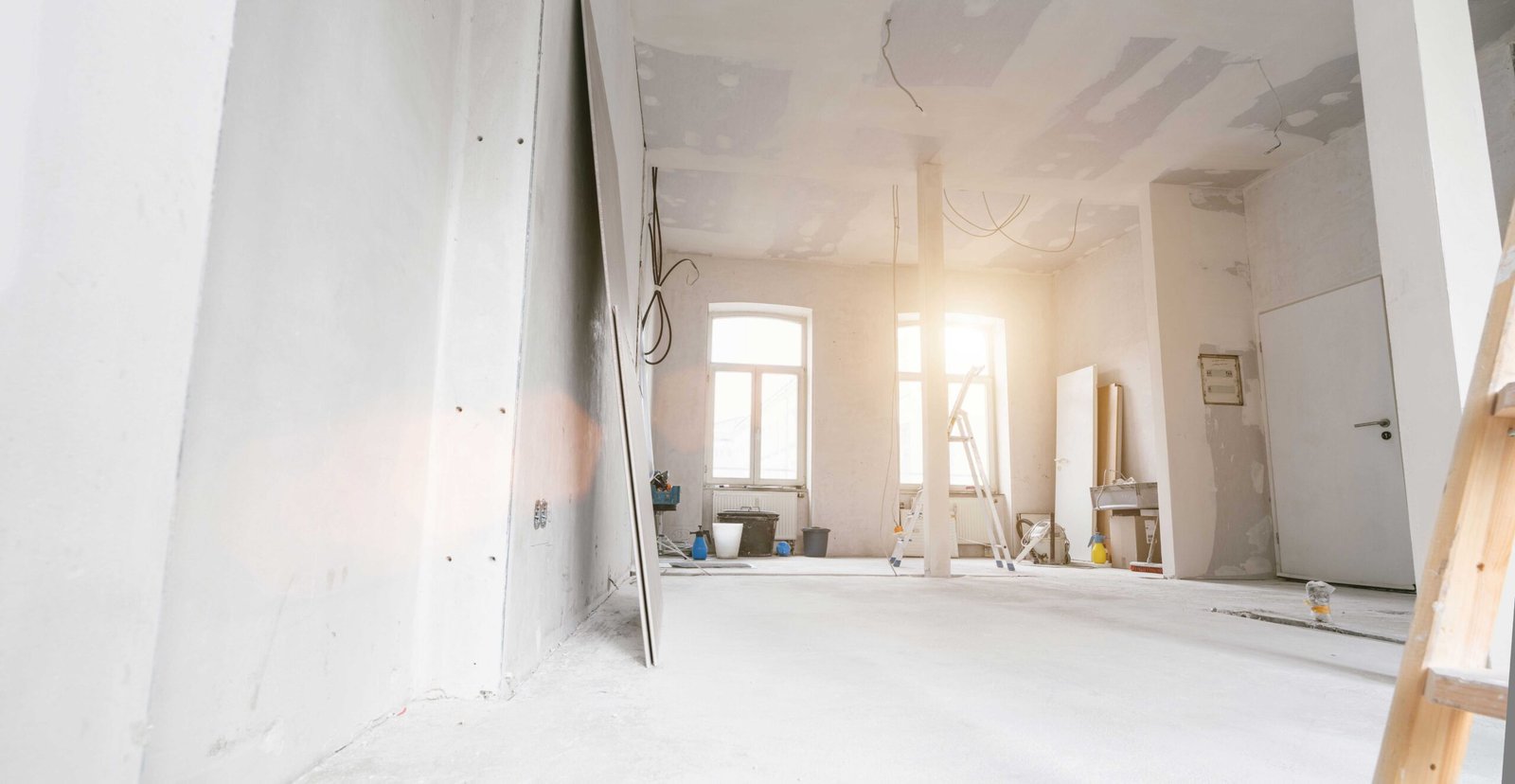
So, when people ask about sheetrock vs drywall, the real answer is this: they are not opposites. Sheetrock is drywall. The better question is which drywall type will give you the best result for your space, budget, and local code rules.
Credit: usgme.com
FAQs
1. Is sheetrock the same as drywall?
Yes, in most cases. Sheetrock is a brand name for drywall. People often use the word “sheetrock” to mean drywall in general, but the product category is drywall.
2. Is sheetrock more expensive than drywall?
Not always. Sheetrock-branded products may cost the same as other drywall brands, depending on the store, region, and product type. Specialty boards usually cost more than standard boards, no matter the brand.
3. Which is better for bathrooms?
For bathrooms, moisture-resistant drywall is usually the better choice. Standard drywall can be damaged by humidity and water. Good ventilation is also important.
4. Can I use standard drywall in a basement?
Only if the basement stays dry. If the area has moisture risk, a better board type may be needed. Basements often need extra care because damp air can cause problems over time.
5. What should I choose if I want the best value?
Choose the drywall type that matches the room and then compare prices from trusted suppliers. For dry rooms, standard drywall often gives the best value. For wet or noisy rooms, a specialty board may save money later.
