
If you are starting a painting project, primer choice can feel confusing fast. Two products often come up first: PVA primer and drywall primer. They sound similar, and in some stores they are even placed near each other. But they are not always the same thing, and using the wrong one can affect how your paint looks and how long it lasts.
The main difference is simple: one is made to seal fresh drywall, while the other is a broader term that may cover several primer types made for drywall surfaces. That means pva primer vs drywall primer is not always a direct one-to-one comparison. To choose well, you need to know what each product does, where it works best, and when a different primer is the smarter choice.
In this guide, you will learn the key differences, the best uses for each primer, common mistakes to avoid, and how to choose the right one for your wall. If you want a smooth finish and fewer paint problems later, this is worth getting right from the start.
What each primer really does
Primer is the base layer that prepares the surface for paint. It helps paint stick better, covers small color changes, and creates a more even finish. On new drywall, primer is even more important because bare drywall absorbs paint very fast. Without primer, the wall can look patchy, dull, or streaky after painting.
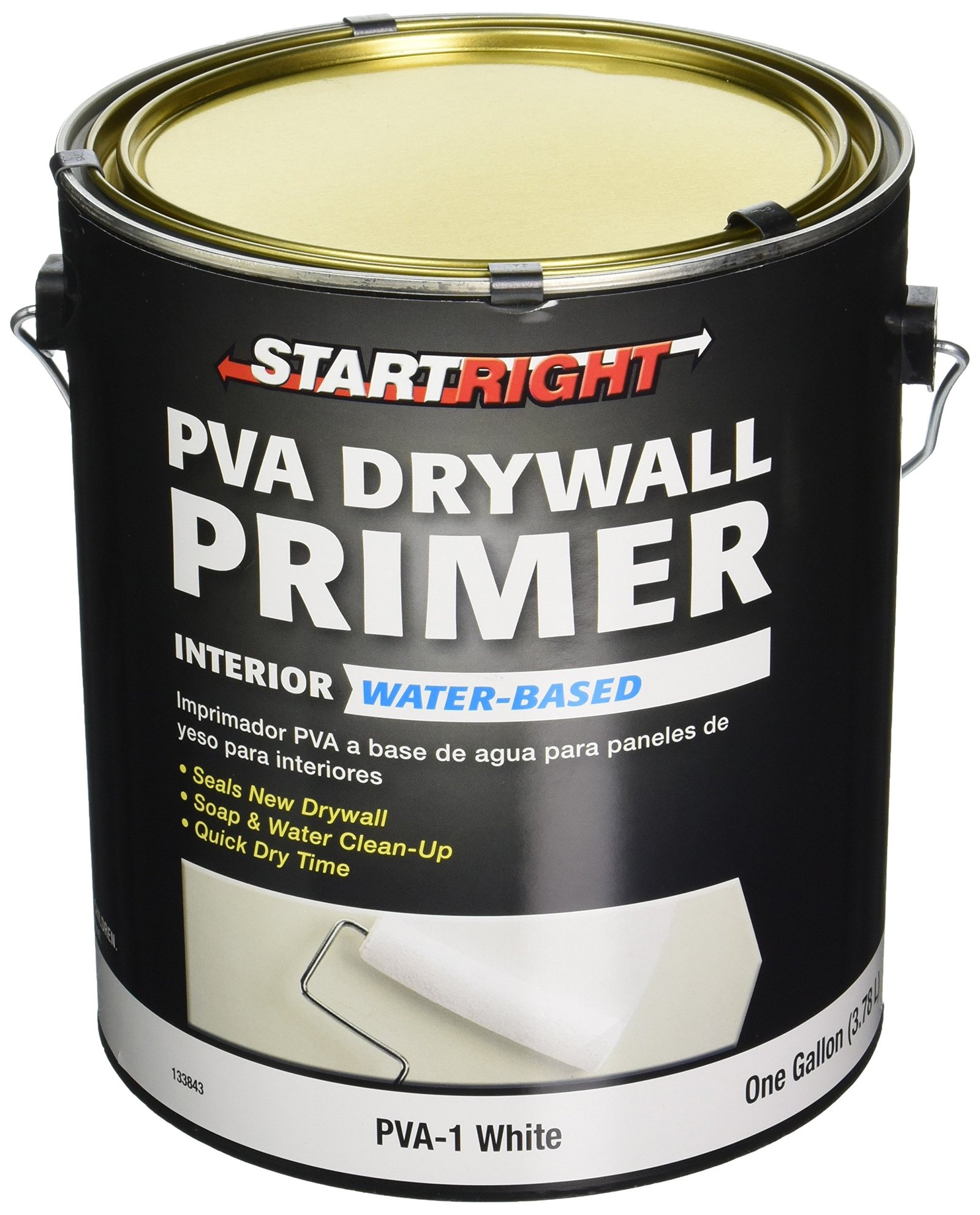
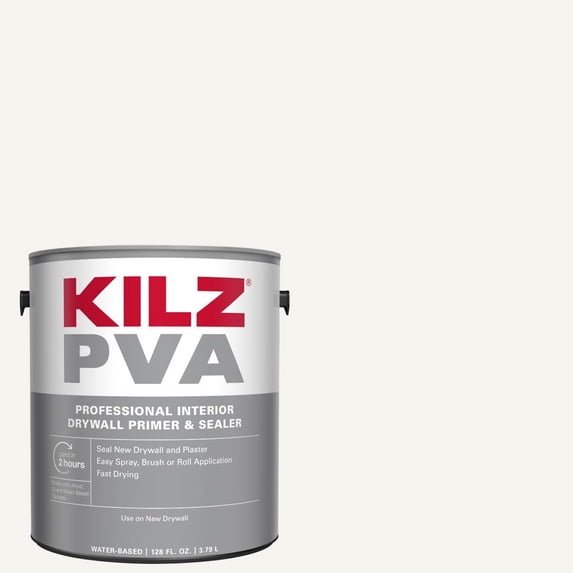
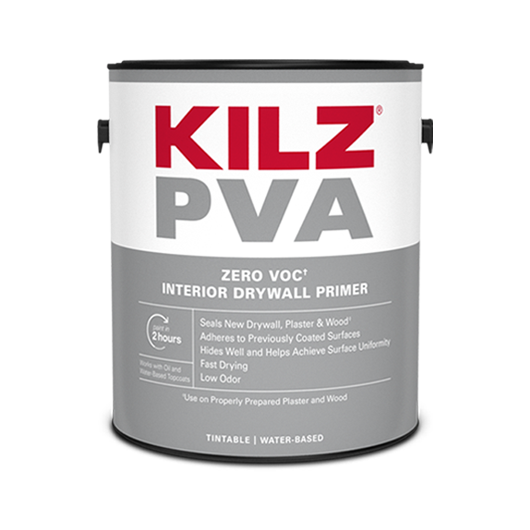
PVA primer stands for polyvinyl acetate primer. It is made to seal porous surfaces, especially new drywall. It blocks the paper face and joint compound from soaking up paint too quickly. That helps the paint go on more evenly and can save you from needing extra coats.
Drywall primer is a wider term. In many stores, it may mean a primer made for new drywall, but the formula may not always be PVA-based. Some drywall primers are made for better stain blocking, stronger adhesion, or faster dry time. So while many people use the terms as if they mean the same thing, the product label matters more than the name alone.
Here is the simple version:
- PVA primer is usually the budget-friendly option for sealing brand-new drywall.
- Drywall primer may refer to PVA primer, or to a more specialized primer for drywall surfaces.
Key differences between PVA primer and drywall primer
The easiest way to compare them is to look at what matters during a real project, not just the label. The biggest differences are in formula, surface use, performance, and price.
| Feature | PVA Primer | Drywall Primer |
|---|---|---|
| Main purpose | Seal new drywall and reduce paint absorption | Prepare drywall for paint, often with broader performance features |
| Formula | Usually basic and water-based | May be PVA-based or a more advanced formula |
| Best use | Fresh drywall in homes, rentals, and budget projects | Drywall that needs better stain blocking, adhesion, or faster results |
| Cost | Usually lower | Often higher, depending on the product |
| Finish result | Good base for standard interior paint | Can give a stronger base in tougher conditions |
One important point many beginners miss is this: primer is not only about sticking paint to the wall. On drywall, it also controls absorbency. Drywall paper, joint compound, and patched areas all absorb paint differently. If you skip the right primer, the wall can show uneven sheen even if the color is correct.
Another point people often overlook is how the paint system works as a whole. A cheap primer is fine if the wall is clean, dry, and new. But if the drywall has patches, repairs, or slight stains, a more capable drywall primer can save time later by reducing extra coats.
When PVA primer is the better choice
PVA primer works best on new, unfinished drywall. If your wall is freshly installed and has no stain issues, this is often the most practical choice. It is made to seal the drywall paper and joint compound before topcoating.
Use PVA primer when:
- The drywall is brand new and not painted before.
- You want an affordable primer for a large area.
- The room is a normal interior space with no stain or moisture issue.
- You plan to use standard interior latex paint on top.
PVA primer is common in new construction and remodel projects. It is useful because it helps keep the final paint from disappearing into the wall. Without it, drywall can act like a sponge, which means more paint, more labor, and less even color.
For many homeowners, this is the best balance of cost and performance. It does the job well when the surface is simple and the goal is a clean, painted finish.
Credit: amazon.com
Good situations for PVA primer
These are the most common places where PVA primer makes sense:
- New bedroom walls after drywall installation
- Fresh basement drywall before painting
- Apartment turnovers with new wallboard
- Large interior projects where budget matters
If the drywall only needs a base coat before standard paint, PVA primer is often enough. You do not need to spend more unless the wall has extra problems.
When drywall primer is the smarter choice
Drywall primer is the better choice when the wall needs more than basic sealing. Since the term can cover different formulas, these products may offer stronger performance than standard PVA primer. They can be useful when the wall has patches, repairs, minor stains, or mixed surface conditions.
Choose drywall primer when:
- The wall has joint compound repairs or many patched spots.
- You want better stain blocking.
- You need better adhesion for a more demanding topcoat.
- The manufacturer specifically recommends that primer for your drywall job.
Drywall primer can be especially helpful in rooms where walls have a mix of bare drywall, patched areas, and previously painted sections. In those cases, the primer helps create a more uniform base, so the paint finish looks even.
It can also be the better option if the room is not truly “new drywall” anymore. Once a wall has been repaired, touched up, or exposed to moisture, a plain PVA primer may not be enough.
Situations where drywall primer beats basic PVA
- Repaired walls with visible patchwork or joint compound marks
- Walls with light stains from water, smoke, or marks that still need coverage
- Mixed surfaces where old paint and fresh drywall meet
- Rooms that need a more uniform finish before a higher-quality paint goes on
A small but useful insight: if you can still see patch edges after priming, the problem may not be the paint. It may be that the surface was not sanded smooth enough before primer. Primer does not hide bad wall preparation. It only makes a good surface ready for paint.
How to choose between them
To decide between pva primer vs drywall primer, start with the condition of the wall. Do not begin with the price tag alone. The wall surface tells you what kind of primer you need.
Ask these questions:
- Is this brand-new drywall?
- Are there repairs, patches, or joint compound areas?
- Are there stains or marks I need to hide?
- Is this a simple interior room or a more demanding space?
- Do I want the most budget-friendly option, or the stronger one?
If the drywall is fresh and clean, PVA primer is usually enough. If the surface is more complex, drywall primer may be the better investment.
Think of it this way:
- New and clean = PVA primer is usually a solid choice.
- Repaired or stained = a stronger drywall primer may be smarter.
- Special conditions = follow the primer label and the paint maker’s advice.
For best results, always check the product data sheet. Brands can vary a lot. Some products sold as drywall primer perform more like all-purpose primer, while others are made only for new drywall. If you want a reliable technical reference on primer types and indoor coating basics, the Benjamin Moore primer guide is a helpful place to start.
Common mistakes people make
Even good paint jobs can fail because of simple primer mistakes. Here are the ones that show up most often.
Credit: walmart.com
Using PVA primer on a stained wall
PVA primer is great for new drywall, but it is not the best answer for stains. If the wall has water marks, smoke residue, or old patch discoloration, you may need a primer with better stain-blocking power.
Skipping primer on repaired drywall
Many people think a patch is small enough to ignore. It is not. Joint compound absorbs paint differently than the rest of the wall. Without primer, the repair can flash through the final paint as a dull or shiny spot.
Buying by name only
Do not assume every product labeled “drywall primer” is the same. Read the label. Some are designed for new drywall only. Others work better over repairs. The surface condition matters more than the marketing term.
Applying paint too soon
Primer needs proper drying time. If you rush, the paint can lift, roll unevenly, or lose adhesion. Follow the label time, and give extra time in cool or damp rooms.
Not sanding before priming
Primer is not a fix for rough drywall. If there are raised seams, dust, or sloppy patches, sand first. A smooth surface before primer usually gives a better final result than any expensive coating could.
Which one gives the best finish?
The best finish comes from matching the primer to the wall, not from choosing the strongest product by default. On a brand-new wall, PVA primer often gives excellent results because it seals the drywall and keeps the topcoat even. That is why it is so common in new construction.
But if the wall has repairs, stains, or uneven absorption, a more advanced drywall primer may produce a better final look. The finish will appear more consistent, and you may need fewer touch-ups after the topcoat.
Here is a simple rule that works well in real life:
- Use PVA primer for clean, new drywall when budget and simplicity matter.
- Use drywall primer when the surface needs more help than basic sealing.
That rule will solve most cases. The rest depends on your wall condition, your paint choice, and whether you want basic coverage or a more polished result.
Practical painting tips for better results
Primer works best when the rest of the prep work is done well. A few simple habits can make a big difference.
- Clean dust first. Drywall dust weakens primer adhesion and makes the finish feel rough.
- Sand patched spots. Smooth repairs blend much better after priming.
- Use the right roller nap. A medium nap often works well on drywall walls.
- Watch the edges. Corners and seams often need a little extra attention.
- Do not overload the roller. Thick primer can leave marks and slow dry time.
One detail that often gets missed: if you are painting a large room, try to prime the whole wall area at once rather than only patching individual spots. Spot priming can sometimes leave uneven sheen under the final paint. A full coat usually gives a cleaner result, especially with light colors.
Also, if you plan to use very bright or deep paint colors, a good primer base becomes even more important. These colors often show flaws faster than soft neutral shades.
Final choice: pva primer vs drywall primer
In the end, the right choice depends on the wall, not just the label. If you are working with fresh, unfinished drywall, PVA primer is usually the most practical and affordable option. It seals the surface well and prepares it for standard interior paint.
If the wall has repairs, stains, mixed surfaces, or needs stronger prep, a dedicated drywall primer may be the better pick. It can offer better performance and a more even finish when the job is more demanding.
The best approach is to read the surface first, then the product label. That small habit can save time, reduce paint waste, and give you a better-looking wall.
Credit: kilz.com
FAQs
1. Is PVA primer the same as drywall primer?
Not always. PVA primer is a type of primer made for new drywall. Drywall primer is a broader term and may include PVA primer or other formulas made for drywall surfaces.
2. Can I use drywall primer on new drywall?
Yes, if the product is made for new drywall. Many drywall primers work well on fresh wallboard. Just check the label to make sure it matches your surface and project needs.
3. Do I need primer on every drywall project?
Yes, bare drywall should be primed before painting. Without primer, the paint can soak in unevenly and the finish may look patchy or dull.
4. Which is cheaper, PVA primer or drywall primer?
PVA primer is usually cheaper. It is often the budget choice for large new drywall projects where basic sealing is the main goal.
5. What happens if I use the wrong primer?
You may get poor paint adhesion, uneven sheen, extra paint use, or visible patches. The result depends on how wrong the primer is for the wall condition.
