
When people plan a wall finish, they often compare plaster vs drywall without fully understanding what makes them different. At first glance, both can give you smooth walls and a clean look. But in real use, they behave very differently. They differ in cost, strength, repair work, sound control, and even the way a room feels.
If you are remodeling an old home, building a new one, or fixing one room, the right choice can save you time and money. It can also change how long your walls last. Some materials are better for fast installation. Others are better for long-term quality and a more solid finish.
This guide explains the key differences in simple words. You will see the pros and cons of each one, the best uses for both, and the mistakes many beginners make when choosing between them.
What makes plaster and drywall different
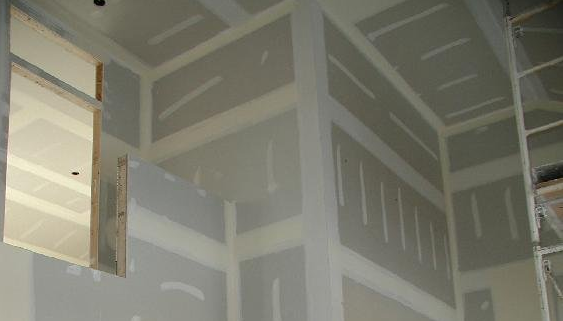
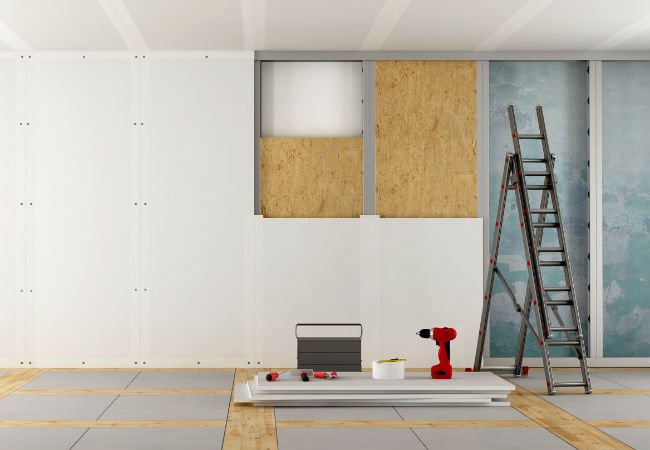
Plaster and drywall are both used to create finished interior walls, but they are not the same product. Drywall is made from gypsum pressed into sheets. Those sheets are screwed to wall studs, then taped and finished with joint compound. Plaster is a wet material applied by hand over a base surface, usually in several layers.
The biggest difference is the way they are installed. Drywall is faster and more predictable. Plaster takes more skill and more time, but it creates a harder and often more elegant finish.
That difference matters more than many homeowners expect. A wall is not just a background surface. It affects noise, durability, repair costs, and the overall feel of a home.
How drywall works
Drywall panels are cut to size and attached to framing. The seams are then taped, covered, sanded, and painted. This system became popular because it is quick and efficient. It also needs less labor than older wall methods.
Because drywall comes in sheets, large rooms can be finished quickly. That is one reason it is the standard choice in modern construction.
How plaster works
Plaster is applied as a wet mix. In traditional systems, it is layered over lath, which gives the plaster something to grip. Modern plaster systems may use different backing materials, but the idea is the same: build the wall surface in layers until it becomes solid and smooth.
Plaster is more of a craft than a simple construction task. Good results depend on timing, skill, and patience. When done well, the final wall can feel denser and more refined than drywall.
Plaster vs drywall at a glance
| Feature | Plaster | Drywall |
|---|---|---|
| Installation speed | Slower | Faster |
| Cost | Usually higher | Usually lower |
| Durability | Very strong and hard | Good, but easier to dent |
| Repair | Can be harder to match | Easier for small repairs |
| Sound control | Often better | Moderate, can be improved |
| Appearance | Rich, smooth, traditional | Clean and standard |
| Best for | Historic homes, custom work | New builds, fast remodels |
Pros of plaster
Plaster has stayed relevant for a reason. Even though drywall is more common, plaster still offers clear benefits that many people value.
1. It feels solid and strong
One of the first things people notice about plaster is its hard, dense feel. It does not sound hollow in the same way drywall often does. Walls can feel more stable and substantial.
This is not just about luxury. A harder wall surface can handle normal wear better in busy homes, hallways, and older houses with active use.
2. It often gives better sound control
Thicker wall systems usually reduce sound better than standard drywall. Plaster can help dampen noise between rooms. That is one reason it is attractive in bedrooms, offices, and older apartment buildings.
Non-obvious insight: sound control is not only about wall thickness. The density of plaster helps reduce vibration. That can make a room feel calmer even if the wall is not built with special acoustic products.
3. It can create a more refined finish
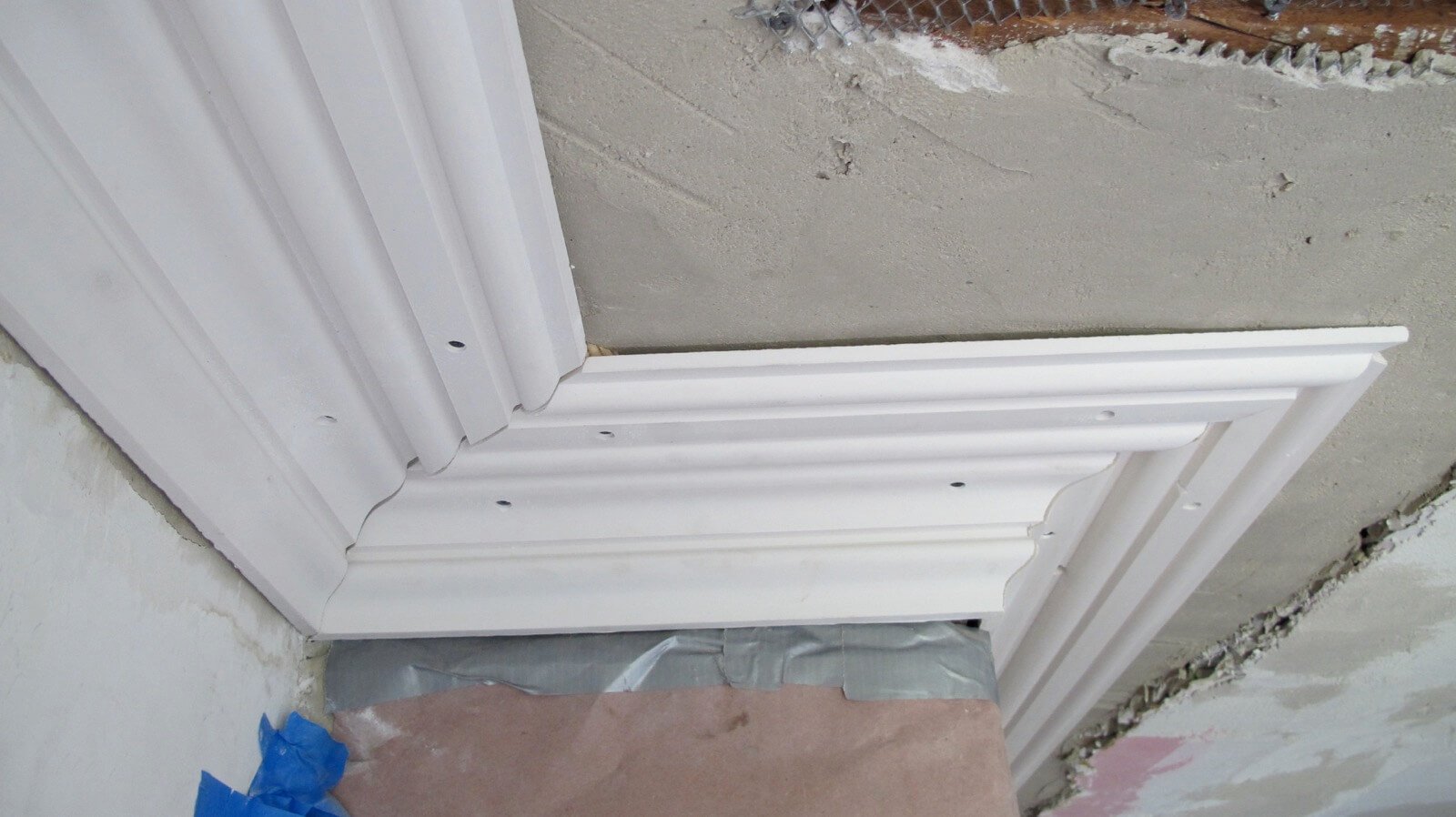
Plaster allows for very smooth surfaces and subtle wall texture. In many historic and custom homes, that finish looks richer than standard drywall. It can also work well with decorative moldings and curved walls.
4. It is good for unusual shapes
Curved walls, arches, and custom details are often easier to finish with plaster. Drywall can be shaped in some cases, but plaster is more flexible for complex design work.
Cons of plaster
Plaster has many strengths, but it is not the best choice for every project. The downsides are important, especially if you are on a budget or under time pressure.
Credit: gypsumtools.com
1. It costs more
Plaster usually costs more than drywall because the labor is more detailed and skilled. The material itself may not always be the biggest cost. The real expense often comes from the time and expertise needed to install it correctly.
2. It takes longer to install
Plaster is not fast. It must be applied in stages and allowed to set properly. If you need to finish a project quickly, plaster may slow everything down.
3. Repairs can be tricky
Small cracks and chips can often be fixed, but matching older plaster can be difficult. In some homes, the color, texture, or hardness of the old wall is hard to duplicate perfectly.
Non-obvious insight: many plaster repairs fail because people patch only the visible crack. If the crack comes from movement in the wall or building, the same problem can return. Good repair work often means finding the cause first.
4. It needs skilled labor
Not every contractor works with plaster often. If the installer lacks experience, the result may be uneven, weak, or prone to cracking. This makes workmanship especially important.
Pros of drywall
Drywall became popular because it solves many common building problems. It is simple, practical, and efficient. For most modern homes, it is the default wall material for good reason.
1. It is faster to install
Drywall sheets cover large areas quickly. That saves time on new construction and renovation projects. Faster installation often means lower labor cost too.
2. It is usually cheaper
Drywall is one of the most budget-friendly wall systems. The material is widely available, and many workers know how to install it. That keeps prices lower in most markets.
3. Repairs are usually easier
Small holes, dents, and seam problems in drywall are often easy to patch. Homeowners can sometimes handle minor fixes without special tools. That is a big plus for everyday living.
4. It works well in modern construction
Drywall fits today’s building methods. It installs cleanly around electrical boxes, insulation, and standard framing. For large projects, that efficiency matters a lot.
Cons of drywall
Drywall is practical, but it does have limits. Many homeowners notice those limits after a few years of real use.
1. It dents and damages more easily
Drywall is softer than plaster. Chairs, doorknobs, moving furniture, and children’s activity can all leave marks. In a busy house, those dents can build up fast.
2. It can feel less solid
Standard drywall often has a hollow feel. That does not make it bad, but it can seem less premium than plaster. Some people notice this right away in older or higher-end homes.
3. It may need more care in noisy spaces
Drywall can reduce sound, but standard drywall alone is not always enough for quiet rooms. You may need extra layers, insulation, or sound-damping products to get stronger results.
4. Seams can show if the finish is poor
If taping, mudding, or sanding is done badly, seams can become visible after painting. Lighting from windows or lamps can make these flaws easier to see.
Which one is better for durability
If durability means resistance to dents and daily wear, plaster usually wins. It is harder and less likely to get damaged by normal impact. That makes it a strong choice for older homes, hallways, and rooms that get a lot of use.
Drywall can still be durable enough for many homes. But it usually needs more care. In places where walls get bumped often, you may see marks sooner.
That said, durability is not only about toughness. It is also about what happens when something goes wrong. Drywall is easier to patch. Plaster may last longer before damage happens, but it can be more demanding when it needs repair.
Which one is better for cost
Drywall is almost always the lower-cost choice upfront. That includes both material and labor in many projects. If budget is the main concern, drywall is the easier choice.
Plaster costs more because it takes more labor and more skill. But in some homes, that extra cost may be worth it. If you want a classic finish, strong walls, and better acoustic feel, the higher price can make sense.
The smartest way to compare cost is not only to ask, “Which is cheaper today?” Ask, “Which one fits the long-term use of this space?” A cheap wall that needs frequent repair may become expensive later.
Credit: bobvila.com
Which one is better for repair and maintenance
Drywall is easier for most small repairs. A nail hole, dent, or small cut can usually be fixed with simple patching materials. That is one reason homeowners like it.
Plaster repairs can be more complicated. The patch must bond well, dry correctly, and often match the wall’s texture. If the damage is large, the repair may need a pro.
One mistake many people make is assuming all wall damage is the same. A tiny drywall hole and a spreading plaster crack are not the same problem. They need different solutions. If the wall is moving, the repair method matters more than the patch itself.
Which one is better for old homes
Older homes often already have plaster walls. If the plaster is in good shape, keeping it can be a smart move. It matches the style of the house and may help preserve value.
However, if the plaster is badly damaged, missing in large areas, or constantly cracking, replacement with drywall may be more practical. In some cases, a mixed approach works best. You can keep the historic feel in key rooms and use drywall in less visible areas.
If you are working in a historic home, it is worth learning about proper wall and finish practices from trusted sources such as the National Park Service. Historic buildings often need more careful choices than modern ones.
Which one is better for new construction
Drywall is usually the top choice for new construction. It is fast, efficient, and easy to standardize across many rooms. Builders can finish more space in less time, which keeps projects moving.
Plaster is sometimes used in high-end custom homes or special design spaces. If the goal is a luxury feel or custom shape, plaster may be worth the extra work.
For most new homes, though, drywall gives the best balance of speed, cost, and convenience.
Best uses for plaster
- Historic homes where original character matters
- Custom interiors with curved walls or special design details
- Rooms where a solid, premium wall feel is important
- Spaces where sound control is a priority
- Projects where long-term wall quality matters more than speed
Best uses for drywall
- New homes and standard remodeling projects
- Budget-conscious renovations
- Fast room updates with limited labor time
- Homes where easy future repairs are important
- Most bedrooms, living rooms, and everyday interior spaces
Common mistakes when choosing between plaster and drywall
Many people choose based only on price. That is a mistake. The cheapest option may not fit the room, the house, or the long-term plan.
Another common mistake is ignoring the condition of existing walls. If your home already has good plaster, replacing it just because drywall is cheaper may not be wise. On the other hand, trying to save damaged plaster that keeps failing can waste money.
A third mistake is not thinking about labor skill. A skilled plaster job can look beautiful for decades. A poor plaster job can fail early. The same is true for drywall, but plaster is less forgiving.
Non-obvious insight: lighting changes how wall flaws show up. Strong side lighting can reveal seams, waves, and patch marks on both materials. If a room has lots of natural light, finish quality matters even more.
How to decide which one fits your project
Choose plaster if you want a harder, more traditional wall, better sound control, or a custom finish. It is especially smart for older homes and special spaces.
Choose drywall if you want a faster, lower-cost, easier-to-repair wall system. It is the better fit for most modern homes and most standard renovations.
If you are still unsure, think about three things:
- Budget — Can you afford the extra labor for plaster?
- Style — Do you want a historic, premium look or a simple modern finish?
- Maintenance — Would you rather have stronger walls or easier repairs?
The answer to plaster vs drywall is not the same for every home. The best choice depends on how the room will be used, how much you want to spend, and how much finish quality matters to you.
Credit: brownstoner.com
Final thoughts
Plaster and drywall both do the same basic job, but they serve different needs. Plaster offers strength, depth, and a classic feel. Drywall offers speed, lower cost, and easier upkeep. Neither is perfect for every situation.
If you want the most practical option for a typical modern home, drywall is usually the winner. If you value long-lasting character and a more solid wall surface, plaster can be worth the extra effort. Once you understand the real differences, choosing becomes much easier.
FAQs
1. Is plaster better than drywall?
Plaster is better in some situations, especially when you want stronger walls, better sound control, or a more traditional look. Drywall is better for speed, lower cost, and easier repairs. The best choice depends on your project.
2. Why is plaster more expensive than drywall?
Plaster is more expensive because it takes more labor, more skill, and more time to install. The material itself is only part of the cost. Skilled work is the biggest reason for the higher price.
3. Can you put drywall over plaster?
Yes, in some cases drywall can be installed over old plaster if the structure is sound. But this should be done carefully. If the plaster is loose, damaged, or uneven, it may need repair or removal first.
4. Which wall material is easier to repair?
Drywall is usually easier to repair for small damage like holes and dents. Plaster repairs can take more skill and may be harder to match, especially on older walls with special texture.
5. What is best for a new home, plaster or drywall?
For most new homes, drywall is the best choice because it is faster and more affordable. Plaster is more common in custom homes or special design projects where the finish quality matters more than speed.
