
Wall texture can change a room more than new paint or new furniture. A flat wall often looks plain, while a textured wall can hide flaws, soften light, and add real character. If you are planning a remodel or fresh drywall finish, knowing the modern drywall texture types will help you choose a look that fits your home, your budget, and your skill level.
Some textures are very subtle. Others make a strong design statement. A few are practical because they hide small dents and patch marks better than smooth walls. The best choice depends on the room, the lighting, and how much maintenance you want later. That is why it helps to understand not only how each finish looks, but also how it behaves in real homes.
This guide breaks down the most popular modern drywall textures, where they work best, what tools they need, and what mistakes to avoid. You will also see which finishes are still popular today and which ones are fading out. For a broad home-improvement reference on wall and surface work, the National Association of Home Builders is a useful authority.
What drywall texture does for a room
Drywall texture is not only about style. It changes how a wall reflects light, how it hides imperfections, and how easy the wall is to repair later. A smooth wall shows every bump, seam, and sanding mark. A textured wall can make those small flaws less obvious. That is one reason texture is still used in many homes, even when modern design trends favor clean lines.
Texture also affects the feeling of a room. Fine textures can make a space look calm and polished. Heavier textures can make a room feel more casual and warm. In bright rooms, texture can soften glare. In darker rooms, strong texture can create depth and keep the walls from looking flat.
Why homeowners still choose texture
- It hides minor drywall flaws. Small seam issues and patch marks are less visible.
- It adds visual interest. Even simple finishes can make plain walls feel richer.
- It can reduce the need for perfect smooth finishing. That can save time and labor.
- It fits many styles. Modern, rustic, farmhouse, and transitional homes all use texture in different ways.
One detail many beginners miss is this: texture is not just about the wall itself. It changes the way paint looks too. A matte paint on a light texture looks softer than the same paint on a smooth wall. That means your final result depends on both the texture and the paint finish.
The most popular modern drywall texture types
The best-known modern drywall texture types range from very light to highly visible. Some are sprayed on, some are hand-applied, and some are created with special rollers or trowels. Each one gives a different visual effect and requires a different level of skill.
| Texture type | Look | Skill level | Best use |
|---|---|---|---|
| Orange peel | Fine, bumpy, subtle | Moderate | Most rooms, modern homes |
| Knockdown | Soft, flattened peaks | Moderate | Ceilings, living areas |
| Skip trowel | Handmade, artistic, layered | High | Accent walls, upscale interiors |
| Smooth finish | Clean, minimal, polished | High | Modern and contemporary rooms |
| Slap brush | Strong patterned texture | Moderate | Utility spaces, character walls |
| Sand swirl | Curved, decorative pattern | Moderate | Classic interiors, ceilings |
1. Orange peel texture
Orange peel is one of the most common drywall textures in modern homes. It has a light, slightly bumpy surface that looks a little like the skin of an orange. It is popular because it looks clean, works in many room styles, and hides small flaws better than a fully smooth wall.
This texture is usually sprayed on. The thickness can be adjusted, so it can look very subtle or slightly more visible. A fine orange peel is a smart choice if you want texture without drawing too much attention to the wall.
Best for: bedrooms, hallways, living rooms, and general home use.
Non-obvious tip: orange peel looks better when the spray pattern stays consistent across the whole wall. Uneven spraying is one of the main reasons this finish looks cheap.
2. Knockdown texture
Knockdown is another very popular choice. It starts as a sprayed texture, then the peaks are lightly flattened with a drywall knife or trowel. This creates a soft, broken surface that feels more refined than orange peel but still hides imperfections well.
Knockdown is a favorite in many homes because it gives a modern look without being too plain. It also works well on ceilings, where it can reduce the look of seams and patched areas.
Best for: ceilings, open living areas, and homes that want a balanced, updated style.
Non-obvious tip: timing matters. If the texture dries too much before it is knocked down, the peaks will not flatten cleanly. If it is too wet, the surface can smear and lose definition.
3. Skip trowel texture
Skip trowel is a hand-applied finish that creates a layered, artistic look. A trowel or knife is used to skip across the wall, leaving areas of drywall compound exposed in an irregular way. It has a handcrafted feel and often looks more upscale than spray textures.
This is one of the more decorative modern drywall texture types, but it is not as random as it first appears. Good skip trowel work has rhythm and balance. Poor work looks messy instead of stylish.
Best for: accent walls, dining rooms, and high-end interiors.
Common mistake: applying the pattern too heavily. A skip trowel finish should look airy and natural, not thick and muddy.
4. Smooth finish
Smooth walls are not a texture in the usual sense, but they belong in this discussion because many homeowners compare texture choices against smooth finish. A smooth wall gives the cleanest and most modern look. It works beautifully with minimalist design, strong lighting, and bold art.
However, smooth finish is harder to get right. It shows every flaw, every sanding line, and every bad patch. That means labor quality matters more than almost any other finish. If the work is not done well, the wall will look worse than a lightly textured one.
Best for: contemporary homes, high-end interiors, and spaces with excellent drywall finishing.
Non-obvious tip: smooth walls often require better paint prep than textured walls. Even small roller marks can stand out more clearly.
5. Slap brush texture
Slap brush is made by applying joint compound and then “slapping” a brush against the surface to form a rough pattern. The result is bold and uneven. It is not the quietest modern look, but it can add strong character to the right space.
Today, slap brush is less common in main living areas, but it still appears in renovation projects and in homes that want a more casual or traditional feel. It can help cover wall flaws, but it must be used carefully or it may look outdated.
Best for: utility spaces, garages, basements, and character walls.
6. Sand swirl texture
Sand swirl combines curves and movement, often created with a brush in circular or sweeping motions. It gives a decorative look that feels a bit more classic. Depending on the room, it can look elegant or busy, so placement matters.
This finish is often seen on ceilings, where the pattern adds interest without overpowering the room. On walls, it works best in spaces that are not already crowded with strong visual elements.
Best for: ceilings, formal rooms, and spaces with traditional design elements.
How to choose the right texture for your home
The best choice is not always the most popular one. You need to think about light, room size, wall condition, and the style of the home. The same finish can look beautiful in one room and awkward in another.
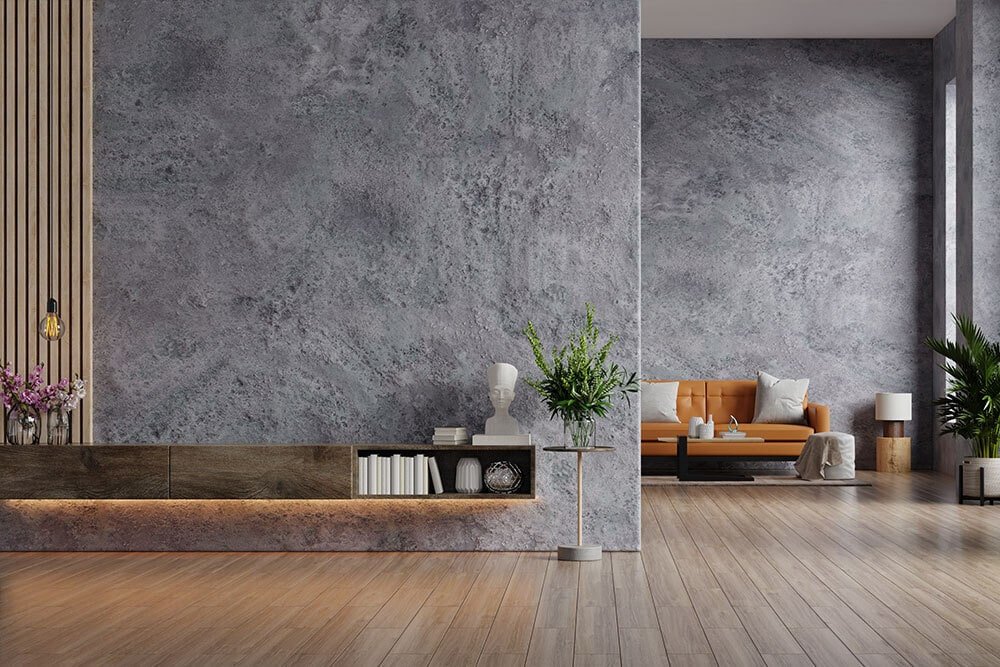
Credit: pinterest.com
Match the texture to the lighting
Bright natural light makes texture easier to see. In a room with big windows, heavy texture can become the star of the wall. In darker rooms, a lighter texture often works better because it does not make the wall feel busy.
If you use strong artificial lighting, especially from above, shadows will show texture more clearly. This is important in hallways and dining rooms. A finish that looks soft in daylight may look stronger at night.
Think about maintenance and repairs
Some textures are easier to repair than others. Orange peel and knockdown can usually be patched more easily because small differences blend in better. Smooth walls are less forgiving. A bad repair on a smooth wall can stand out from across the room.
This is one of the hidden advantages of texture: it gives you a little room for imperfection. That can matter a lot in family homes, rental properties, and busy spaces.
Consider the style of the house
Modern homes often favor smooth finish, light orange peel, or fine knockdown. More casual homes may use a slightly heavier knockdown or skip trowel. If the house already has classic details, a decorative texture may feel more natural than a flat wall.
Do not choose a texture only because you saw it in a photo. A finish should fit the architecture, the furniture, and the amount of light in the room. Good design feels connected, not random.
Tools and materials that affect the final result
Even when two walls use the same texture, the result can look very different if the tools or mud quality change. That is why drywall texture work is part technique and part material control.
- Joint compound: The base material for most textures.
- Texture sprayer: Used for orange peel and knockdown.
- Drywall knife or trowel: Used for skip trowel, knockdown, and smooth finishing.
- Brush or roller: Used for slap brush and sand swirl effects.
- Sanding tools: Important for blending and prep before painting.
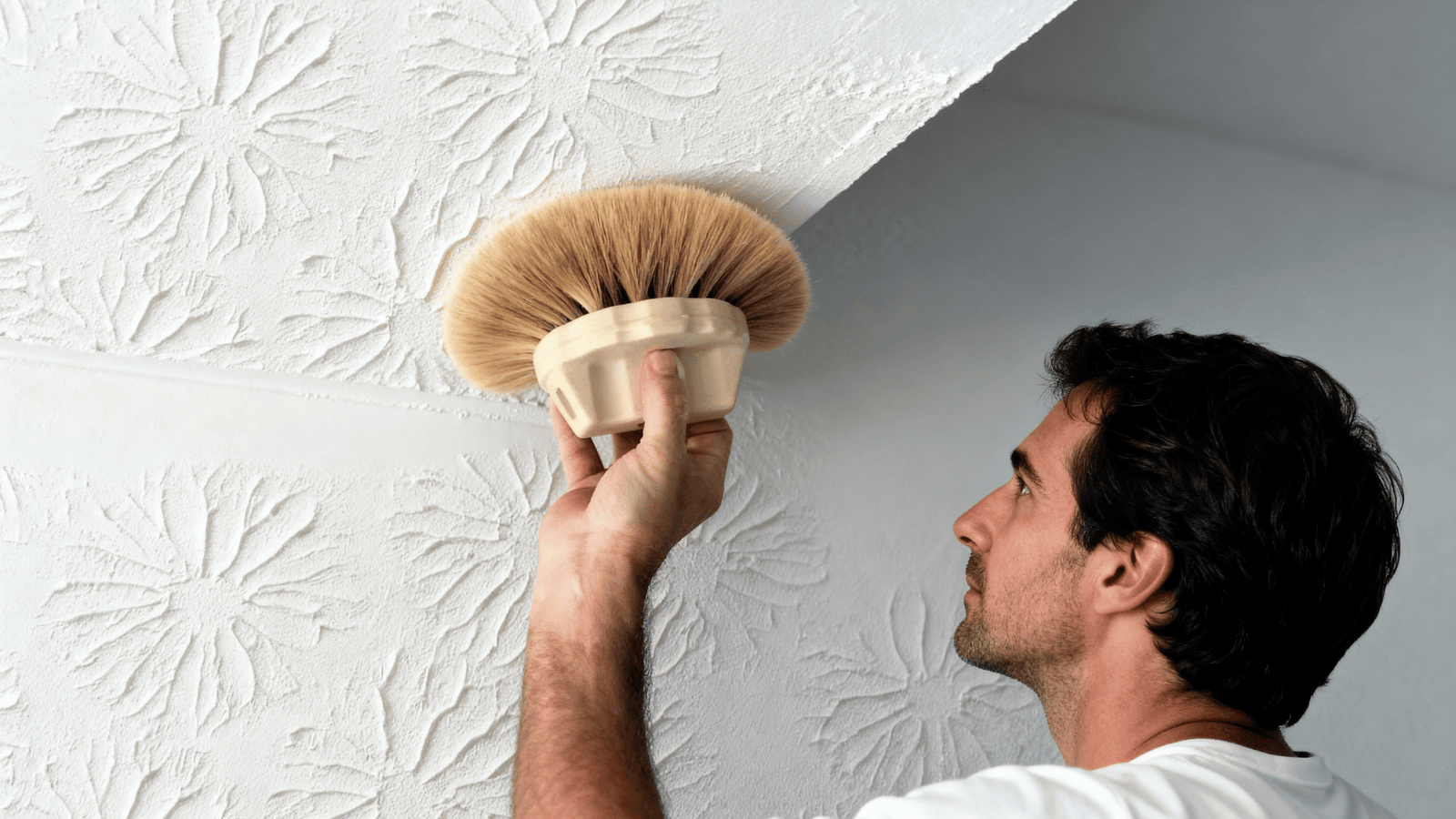
The consistency of the joint compound is often overlooked. Too thick, and the spray may spatter or clog. Too thin, and the texture can run or look weak. A good contractor adjusts the mix for the surface, the tool, and even the room temperature.
Credit: knowmodern.com
Why texture samples matter
Before finishing an entire room, test the texture on a sample board or a small hidden area. This is one of the smartest steps a homeowner can take. A sample shows how the texture looks after drying and painting. It also helps you compare a fine version and a heavier version before you commit.
Here is a simple rule: if you are unsure, go lighter. A subtle texture is usually easier to live with over time than a bold one.
Common mistakes people make with drywall texture
Many texture problems happen before paint is ever added. The wall may look rough, uneven, or patchy because the finish was rushed. Knowing the mistakes ahead of time can save money and frustration.
- Choosing too much texture for the room. Heavy texture can overwhelm small spaces.
- Ignoring lighting. The same wall can look very different under daylight and ceiling lights.
- Using bad drywall prep. Texture hides minor flaws, but it does not fix major ones.
- Mixing inconsistent mud. Uneven material creates uneven patterns.
- Trying a difficult finish without practice. Smooth finish and skip trowel need skill and patience.
Another mistake beginners miss is paint choice. A glossy paint can make texture look harsh and noisy. A flat or eggshell finish often looks better because it keeps the surface softer and more even.
What is trending now in modern wall finishes
In current design, the trend is moving toward cleaner, softer wall surfaces. That does not mean texture is gone. It means homeowners are using it more carefully. Very heavy patterns are less common in main living spaces. Fine orange peel, light knockdown, and smooth finish are leading the way.
At the same time, accent walls and ceilings are becoming more popular places for stronger texture. This allows a home to have personality without making every wall busy. In other words, modern design often uses restraint.
That shift is important. A texture should support the room, not fight it. If you want a finish that will still feel current in a few years, subtle is usually the safer choice.
Hiring a pro or doing it yourself
Some textures are realistic DIY projects. Others are better left to a professional. If you want a simple orange peel on a small wall, you may be able to handle it with the right equipment and practice. But if you want a smooth finish or a highly even knockdown in a visible room, hiring a pro often makes more sense.
Professionals bring speed, consistency, and better control over material use. They also know how to fix problems before the finish goes on. That matters because drywall texture hides some mistakes, but it also freezes the surface style in place. Once it is done, changes are harder.
Credit: ahouseinthehills.com
Good times to hire help
- The room has strong natural light.
- The drywall has many repairs or seams.
- You want a smooth or high-end finish.
- The project covers large ceilings or multiple rooms.
Final thoughts on choosing a finish
Modern drywall textures are not just decoration. They shape the feel of the whole room. They can hide flaws, reduce glare, and create a style that feels finished and balanced. The best finish is the one that fits your space, your lighting, and your comfort level with maintenance.
If you want a safe and versatile choice, orange peel and knockdown are strong options. If you want a cleaner, more architectural look, smooth finish may be the right move. If you want more personality, skip trowel or sand swirl can add depth. The right answer depends on the room, not just on trends.
Before you decide, look at your walls in different light, think about future repairs, and test a sample if possible. That small step can protect you from a finish you will not enjoy later. In drywall work, the smartest choice is often the one that looks good now and still feels right years from now.
FAQs
1. What are the most popular modern drywall texture types?
The most popular modern drywall texture types are orange peel, knockdown, smooth finish, skip trowel, slap brush, and sand swirl. Orange peel and knockdown are the most common in many homes because they look clean and hide small flaws well.
2. Is smooth drywall better than textured drywall?
Not always. Smooth drywall looks very modern and clean, but it shows every small imperfection. Textured drywall is often better if you want a finish that hides minor flaws and is easier to keep looking good over time.
3. Which drywall texture is easiest to repair?
Light orange peel and knockdown are usually easier to repair because small patch areas blend better. Smooth walls are harder to repair neatly since even small differences can stand out after painting.
4. Can I apply drywall texture myself?
Yes, some textures can be done by a careful DIY homeowner, especially simple orange peel or light knockdown on a small area. Smooth finish and detailed decorative textures are harder and often give better results when done by a professional.
5. What texture works best in modern homes?
For many modern homes, fine orange peel, light knockdown, or smooth finish works best. These options look clean, feel current, and do not overpower the rest of the room. The right choice depends on lighting, wall condition, and the style of the house.
