
If you are cutting, sanding, or removing drywall, you will almost always see a fine white cloud in the air. That dust looks harmless, but many people still ask the same question: is drywall dust toxic? The short answer is that it is usually not “toxic” in the poison sense, but it can still be a real health problem if you breathe a lot of it or if you handle it the wrong way.
Drywall dust is not just one simple material. It often contains gypsum, paper fibers, silica from joint compound, and small amounts of other additives. Most healthy people will not get seriously sick from one small exposure, but repeated exposure can irritate your eyes, nose, throat, and lungs. For some workers and DIY homeowners, the bigger risk is not immediate poisoning. It is long-term irritation and breathing strain.
This article explains what drywall dust is, when it becomes dangerous, who should be most careful, and how to clean up safely. If you work around drywall often, these details matter more than you may think.
What drywall dust is made of
Drywall is usually made from a gypsum core covered with paper on both sides. When it is cut, drilled, sanded, or broken, the material turns into a fine powder. That powder is what people call drywall dust.
The dust is often a mix of:
- Gypsum — the main mineral in drywall
- Paper fibers — from the outer layer of the board
- Joint compound particles — used to fill seams and screw holes
- Silica dust — found in some joint compounds and finishing products
- Paint particles — especially in older homes
Gypsum itself is not highly toxic in normal building use. The bigger issue is the size of the particles. Drywall dust is very fine, so it can stay in the air and be breathed deep into the lungs. That is why people often feel symptoms even when the dust “looks light.”
One important detail many beginners miss is that dust from sanding joint compound may be more irritating than dust from cutting the board. That is because the compound can contain finer minerals and sometimes silica. So not all drywall dust has the same level of risk.
Is drywall dust toxic in the usual sense?
For most people, drywall dust is not toxic like a poison. If you breathe a small amount once, you will probably not face a serious medical emergency. But that does not mean it is safe. The word “toxic” can be misleading here.
The real health concern is irritation. Drywall dust can inflame the lining of the nose, throat, and lungs. It can also irritate the eyes and skin. If exposure is heavy or repeated, symptoms can become stronger and last longer.
Here is the simple way to think about it:
| Exposure level | Likely effect | Risk level |
|---|---|---|
| Small, one-time exposure | Light irritation, coughing, watery eyes | Low for most healthy adults |
| Repeated short-term exposure | More coughing, sore throat, nasal irritation | Moderate |
| Frequent heavy exposure | Breathing problems, chronic irritation, higher lung stress | Higher |
| Exposure with silica or old paint dust | Potentially more serious lung risk | Higher still |
So, if you are asking is drywall dust toxic, the best answer is: not usually in the poison sense, but it can be harmful, especially if you breathe it often or in large amounts.
Health risks you should know about
Most drywall dust problems come from the body’s reaction to very fine particles. Your nose and lungs try to trap and clear the dust, and that can cause irritation fast.
Short-term symptoms
These can happen during or shortly after exposure:
- Coughing
- Sneezing
- Runny nose
- Scratchy throat
- Watery or burning eyes
- Dry skin or mild rash
- Chest tightness in sensitive people
Many people think they are “just allergic” when the real issue is dust irritation. That matters because the solution is not medicine alone. You must reduce exposure.
Long-term concerns
Long-term risk is more about repeated exposure than one single job. If you do drywall work often, the dust can slowly wear on your respiratory system. That may increase the chance of ongoing cough, asthma-like symptoms, or other breathing trouble.
Another non-obvious risk is the use of older finishing materials. In some homes, sanding may release dust from old paint or repair compounds. If the home was built before modern safety rules, you should be more careful and avoid assuming every dust cloud is only gypsum.
Who is more vulnerable
Some people should be extra careful around drywall dust:
- People with asthma
- People with COPD or other lung disease
- Children
- Older adults
- People with allergies or sensitive skin
- Workers who sand drywall often
These groups may react faster and more strongly. A small amount of dust that seems minor to one person may trigger a stronger response in another.
What makes drywall dust more dangerous
Not every drywall task creates the same level of risk. Some jobs produce a light dusting. Others create a thick airborne cloud that can spread through the whole room and even into HVAC systems.
Credit: bravextools.com
Sanding creates the most airborne dust
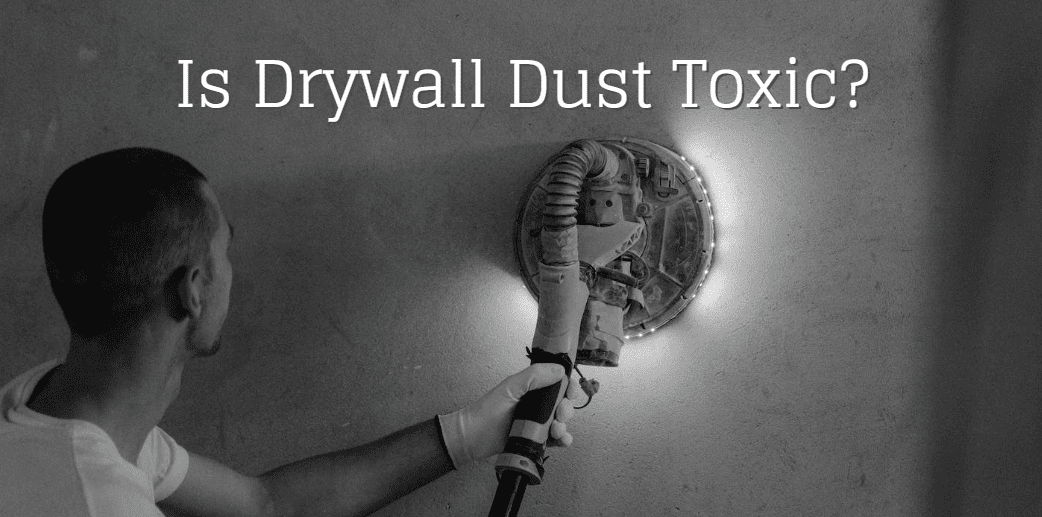
Sanding joint compound is usually the worst job for dust control. Dry sanding can send very fine particles into the air, where they stay suspended for a long time. This is one reason many professionals use dust-control sanding tools or vacuum-assisted systems.
Another important point: the dust may settle on surfaces, but it can be kicked back into the air again later by walking, fans, or sweeping. So a room can still be dusty long after the work ends.
Poor ventilation makes it worse
If the room has poor airflow, dust concentration rises fast. Closed windows, blocked vents, and no exhaust fan can turn a small job into a bigger exposure problem. Good ventilation does not remove all risk, but it helps lower the amount you breathe.
Power tools spread fine dust farther
Using a power sander without dust collection can create more airborne material than hand tools. The speed of the tool matters, but so does the cleanup method. Faster work is not always safer if it makes more dust.
Old homes can add extra risk
In older buildings, dust may mix with material from old paint, insulation, or previous repairs. That is why it is smart not to assume all dust is equal. If you are doing renovation work in an older house, wear proper protection and avoid dry sweeping until you know what you are dealing with.
How drywall dust affects your lungs
Your lungs are designed to filter air, but very fine particles can still get deep into the breathing system. Once dust enters, the body tries to clear it through mucus, coughing, and tiny hair-like structures in the airways.
If the amount is small, your body may handle it without a major issue. If the dust load is heavy, your airways can become inflamed. That inflammation is what causes the cough, tight chest, and “dusty” feeling that many people notice after a renovation job.
A common mistake is to think that only visible dust is a problem. In reality, the most irritating particles are often too small to see well. You may think the room looks clean while the air is still carrying fine particles.
If you already have asthma or another breathing condition, this can make symptoms worse very quickly. If breathing gets difficult, seek medical help right away.
How to protect yourself during drywall work
Good protection is not complicated, but it must be consistent. The biggest safety mistakes usually happen when people skip basic steps because the job “looks small.” Even small drywall jobs can create enough dust to matter.
Wear the right mask or respirator
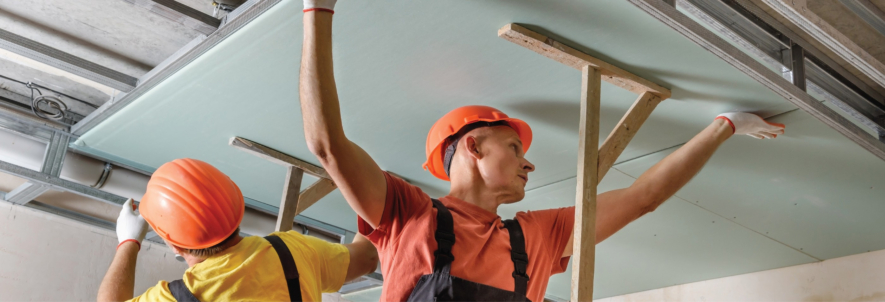
A simple cloth mask is not enough for fine drywall dust. Use at least a well-fitting N95 respirator for dusty tasks. For heavier work, a better respirator may be needed.
The key is fit. A loose mask leaks around the edges, which lowers protection. If you have facial hair, the seal may be weaker. That is something many people overlook.
Protect your eyes and skin
Wear safety glasses or sealed eye protection if dust is flying. Dust in the eyes is painful and can lead to constant rubbing, which makes the problem worse.
Long sleeves and gloves can help if your skin reacts easily. Drywall dust can dry out the skin and cause irritation, especially after repeated contact.
Control dust at the source
The best protection is not just wearing gear. It is reducing dust at the source.
- Use a vacuum attachment when sanding if possible
- Sand slowly and only where needed
- Keep the area isolated with plastic sheeting
- Use exhaust fans to move air out of the work area
- Turn off HVAC systems so dust does not spread
One practical insight many DIY users miss is that cross-contamination often causes more mess than the actual sanding. Dust walks out on shoes, sticks to tools, and spreads to other rooms. A cleanup plan matters as much as the repair itself.
Clean the right way
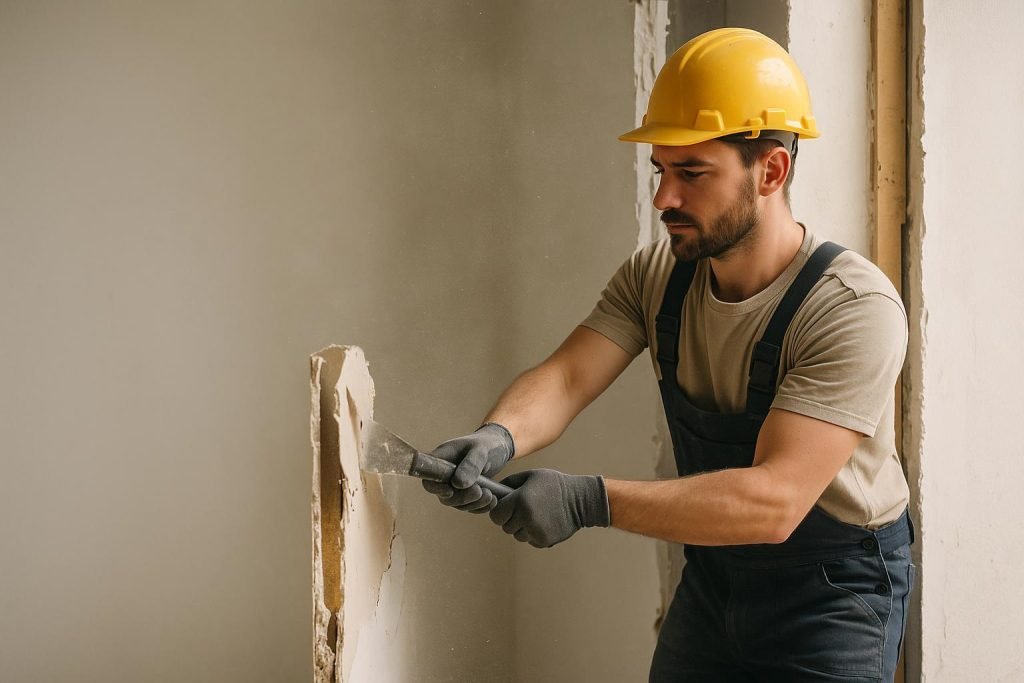
Do not dry sweep if you can avoid it. Dry sweeping throws fine dust back into the air. A vacuum with a HEPA filter is a better choice. A damp microfiber cloth can also help collect leftover dust on surfaces.
After cleanup, change or wash dusty clothes and shower if needed. This is especially useful if you work on drywall often. Dust can stay in hair, eyebrows, and cuffs long after the job is done.
Safe cleanup after drywall sanding or cutting
Cleanup is where many people make mistakes. They think the dust is finished once the wall is smooth. In reality, the dust can remain in corners, on ledges, and inside vents.
Use this simple approach:
- Let large dust settle before cleaning.
- Vacuum surfaces with a HEPA filter vacuum.
- Wipe hard surfaces with a damp cloth.
- Clean floors slowly so dust does not rise again.
- Replace or clean HVAC filters if dust may have spread.
If the room has a lot of dust, clean from top to bottom. Start with high surfaces like shelves and window frames, then move to lower areas. That way, dust falls onto areas you have not cleaned yet.
For large renovation projects, it may be worth sealing off the space for a few days and cleaning more than once. Dust can keep settling after the first cleanup.
Credit: faq.thejunkguys.ca
When drywall dust is more than a nuisance
Most home projects create irritation, not a true emergency. Still, some signs mean you should take the exposure more seriously.
Get medical advice if you have:
- Shortness of breath that does not go away
- Wheezing
- Chest pain
- Severe coughing
- Eye pain or vision changes
- Symptoms that last more than a few days
If someone inhales a large amount of dust and cannot breathe well, treat it as urgent. If you suspect the dust came from old materials with possible lead or silica exposure, do not ignore it.
For general respiratory guidance, the CDC/NIOSH offers trusted safety information about dust control and worker protection.
Drywall dust vs. other construction dust
Drywall dust is often compared with wood dust, cement dust, and silica dust. They are not the same.
Wood dust can also irritate the nose and lungs, and some wood dust exposures are linked to serious long-term risks. Silica dust is more dangerous because it can cause severe lung disease with repeated exposure. Drywall dust is usually less harmful than silica dust, but it still deserves respect.
The important lesson is this: low toxicity does not mean low risk. A material can be non-poisonous and still cause real health problems if the particle size is small and the exposure is repeated.
Simple safety habits that make a big difference
You do not need complex equipment for every small project, but you do need good habits. These small steps can cut your exposure a lot:
- Plan the job before you start
- Keep the work area closed off
- Use dust control tools when possible
- Wear a proper respirator during sanding
- Do not use household fans that spread dust
- Vacuum and wipe surfaces after the job
- Change clothes after heavy exposure
Another detail many people miss is timing. If possible, sand when others are not home, especially children, older adults, or anyone with asthma. This reduces shared exposure and makes cleanup easier.
Credit: int-enviroguard.com
Bottom line on drywall dust safety
So, is drywall dust toxic? In most normal situations, it is not toxic like a poison. But it is still a health risk because it is fine, easy to breathe in, and very irritating to the eyes and lungs. The risk rises when you sand a lot, work in a closed room, or ignore basic protection.
For a one-time small project, the danger is usually low if you use proper protection and clean up well. For repeated work, the risk becomes more serious. That is why drywall dust should be treated as a real exposure problem, not just a cleanup nuisance.
If you remember only one thing, remember this: control the dust before it reaches your lungs. That single habit does more to protect your health than any quick cleanup after the fact.
FAQs
1. Is drywall dust toxic to breathe in?
Drywall dust is usually not toxic in the poison sense, but it can irritate your lungs, throat, nose, and eyes. Breathing a small amount once is often not dangerous for healthy adults, but repeated or heavy exposure can cause bigger problems.
2. Can drywall dust make you sick?
Yes, it can make you feel sick if you are exposed to a lot of it. Common symptoms include coughing, sneezing, sore throat, watery eyes, and chest irritation. People with asthma or other lung problems may react more strongly.
3. Is it safe to sand drywall without a mask?
No, that is not a good idea. Sanding creates fine airborne dust that is easy to breathe in. A properly fitted N95 respirator or better protection is a much safer choice, especially for longer jobs.
4. How long does drywall dust stay in the air?
It depends on airflow, room size, and how much dust is made. Fine particles can stay suspended for a long time, especially in closed rooms. Even after visible dust settles, small particles may still remain in the air or on surfaces.
5. What is the best way to clean drywall dust?
Use a HEPA vacuum for dry dust and a damp microfiber cloth for surfaces. Avoid dry sweeping, because it pushes dust back into the air. If possible, clean from top to bottom and change HVAC filters if dust spread through the home.
