
If you are painting new drywall, primer is not just another step. It is the layer that helps the paint stick, look even, and last longer. Without it, the wall can absorb paint in a patchy way and make the finish look dull or uneven.
The most common answer to how many coats of primer on new drywall do you need is one full coat. In many cases, that is enough if the drywall is well finished, dust-free, and you use a good drywall primer. But there are times when a second coat helps a lot, especially if the drywall is very porous, the joints were repaired many times, or you want a very smooth final look.
The right choice depends on the condition of the wall, the primer you use, and the kind of paint finish you want. Let’s break it down in a simple way so you can avoid extra work and still get a professional result.
What Primer Really Does on New Drywall
New drywall looks smooth at first, but it is not ready for paint. The surface has paper, joint compound, dust, and open pores. These parts absorb paint at different speeds. That is why unprimed drywall often looks blotchy after painting.
Primer solves this problem in several ways:
- It seals the drywall paper and joint compound.
- It creates a more even surface for paint.
- It improves paint adhesion.
- It helps the final color look more true and consistent.
- It can reduce how much topcoat paint you need later.
One thing beginners often miss is that drywall primer is not the same as regular wall paint. Some paints are labeled “paint and primer in one,” but that does not always mean they can replace a real primer on fresh drywall. New drywall needs sealing more than it needs color.
Another detail many people overlook is dust. Even if the wall looks clean, drywall dust can weaken primer bonding. A quick wipe-down before priming can make a real difference.
The Simple Answer: How Many Coats of Primer on New Drywall Do You Need?
For most new drywall projects, one coat of primer is enough. If you use a high-quality drywall primer and apply it evenly, one coat usually seals the surface well and prepares it for paint.
However, two coats of primer may be better in these situations:
- The drywall has lots of patches or repaired areas.
- The joint compound dried unevenly.
- The wall feels extra porous or chalky.
- You are using a very light paint color over darker wall repairs.
- You want the smoothest possible finish for a high-end room.
So the real answer is: one coat is standard, two coats are sometimes wise. More than two is rarely needed unless the wall has special problems.
If you are asking how many coats of primer on new drywall do you need for a normal bedroom, living room, or hallway, one good coat is usually the right starting point.
When One Coat Is Enough
One coat works well when the wall is in good shape and the primer is made for drywall. This is the most common case in new homes and remodeling jobs.
You can usually stop at one coat if:
- The drywall seams are smooth.
- The joint compound is fully dry.
- You sanded the wall properly.
- You removed all dust before priming.
- The primer covers the surface in a solid, even layer.
A good test is visual. After primer dries, the wall should look uniform in sheen and color. It does not need to look perfect, but you should not see large dull patches, fuzzy spots, or strong color changes from one area to another.
One smart habit: shine a flashlight across the wall from the side. This helps you spot uneven areas before paint goes on. Many people only look straight at the wall and miss flaws that show up later.
When You Should Use Two Coats
Some walls simply need more sealing. In these cases, a second coat of primer can save you trouble later.
New drywall with heavy repairs
If the wall has many nail holes, seams, corner patches, or repaired dents, different areas may absorb primer differently. A second coat can help even out the surface before painting.
Very porous joint compound
Some joint compounds drink up primer fast. If the first coat sinks in too much and the wall still looks dry or uneven, a second coat can help seal it better.
Patchwork from multiple touch-ups
When a wall has been patched many times, the repaired areas may flash through the final paint. “Flashing” means certain spots look different in sheen or color after painting. Two primer coats can reduce that risk.
Dark color changes
If you are going from a dark wall color or dark patches to a light finish, one primer coat may not fully block the old surface tone. A second coat can improve coverage and reduce visible changes.
Special finish goals
If the wall will get a high-sheen paint, like satin or semi-gloss, surface flaws are easier to see. Extra priming can help create a better base.
That said, do not assume more primer always means better results. Too much primer can create its own problems, such as a thick film that hides sanding mistakes instead of fixing them.
What Kind of Primer Works Best on New Drywall
The best primer for fresh drywall is usually a drywall primer or a PVA primer. PVA stands for polyvinyl acetate. It is made to seal new drywall and joint compound efficiently.
Here is a simple way to think about it:
- PVA primer is usually the budget-friendly choice for new drywall.
- High-build primer can help if the wall needs a little extra smoothing.
- Stain-blocking primer is better if there are marks, stains, or problem spots.
For most standard projects, a quality PVA primer is enough. If you are painting over new drywall in a bathroom, kitchen, or a room with moisture issues, ask for a primer that suits the room conditions too.
If you want a trusted technical reference on primer and coating basics, the Benjamin Moore primer guide is a useful place to compare product types and uses.
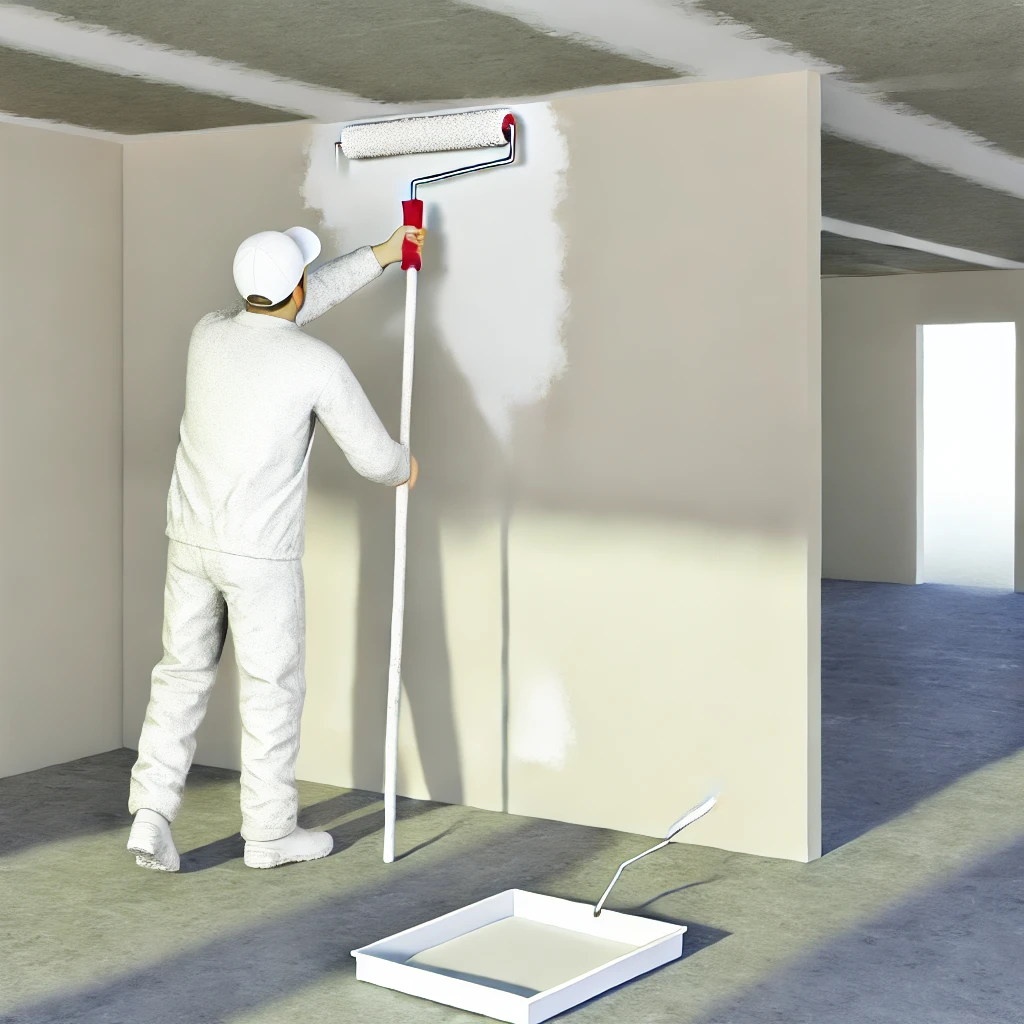
Credit: chicagohandyman.net
How to Decide Between One Coat and Two
A simple inspection can help you decide before you start painting.
| Wall condition | Primer choice | Typical result |
|---|---|---|
| Clean, smooth new drywall | 1 coat | Good sealing and paint adhesion |
| Light repairs or minor patching | 1 coat, then inspect | Usually enough |
| Many patches or uneven compound | 2 coats | Better uniformity |
| Very porous or dusty surface | 1 coat, then spot check | May need a second coat |
| High-end finish or glossy topcoat | 2 coats if needed | Smoother final look |
This table is a general guide, not a strict rule. Your wall may need less or more depending on product quality and prep work. The better the prep, the less primer you usually need.
Common Mistakes People Make on New Drywall
Many primer problems are not caused by the primer itself. They are caused by bad prep or rushed work.
Skipping sanding
Even small ridges along seams and patches can show through paint. Sanding helps level these spots before primer goes on.
Leaving dust on the wall
Drywall dust is fine and easy to miss. If primer goes over dust, the bond can be weaker. Wipe or vacuum the wall first.
Using too little primer
Some people stretch the primer too thin to save money. This often leads to weak sealing and uneven paint absorption.
Using the wrong roller nap
A very short nap may not reach textured or slightly uneven drywall well. A suitable roller helps apply a more even coat.
Assuming paint will fix everything
Topcoat paint does not hide poor prep very well, especially on fresh drywall. If the primer layer is uneven, the final paint usually looks uneven too.
One less obvious point: if the primer dries too fast because the room is hot and dry, it may not level out well. That can make the surface look rougher than expected. Good room conditions matter more than many people think.
How to Apply Primer the Right Way
Good application matters as much as the number of coats. A perfect primer choice can still fail if it is applied badly.
- Let the joint compound dry completely.
- Sand seams, edges, and patch spots until smooth.
- Remove all dust with a vacuum, microfiber cloth, or damp wipe.
- Protect floors, trim, and nearby surfaces.
- Stir the primer well before use.
- Cut in around edges with a brush.
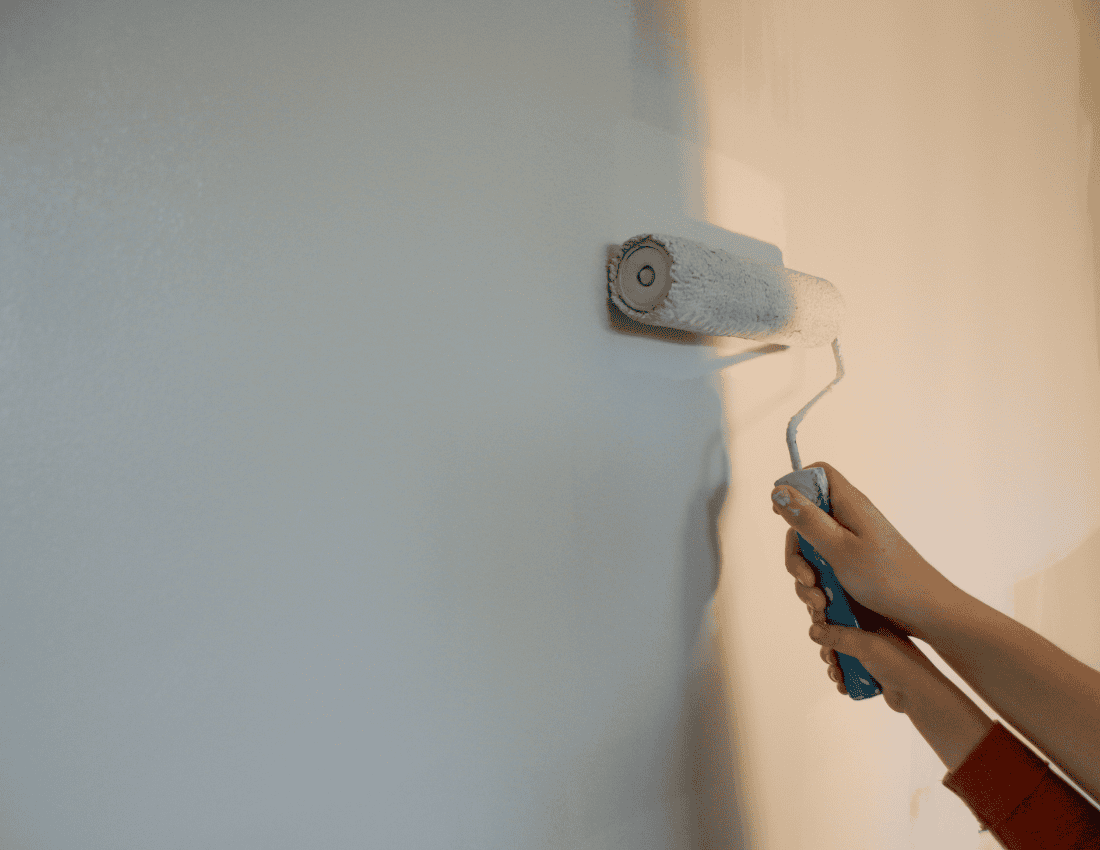
- Roll the main wall in even sections.
- Keep a wet edge so the primer blends smoothly.
- Let it dry fully before checking if a second coat is needed.
Do not rush the drying time. Dry to the touch is not the same as fully cured. If you apply paint too early, you can trap moisture and create adhesion problems later.
Credit: paintpremium.com
A practical room-by-room view
For a bedroom or office with plain new drywall, one coat is usually enough. For a bathroom, laundry room, or kitchen, the surface may need a little more attention because moisture and temperature changes can affect how coatings perform.
If the room will have strong natural light, be extra careful. Side light can make small wall flaws more visible. In those rooms, a second coat of primer may be worth the extra time if the surface is not perfect.
Do You Need Primer on Every Type of New Drywall Finish?
Not all new drywall is the same. The finishing level matters.
Level 1 to Level 3 finishes
These lower finish levels often need more care because seams and fasteners may be more visible. Primer helps, but one coat may not be enough if the finish work is basic.
Level 4 finish
This is the common standard for many painted interior walls. With proper sanding and a good primer, one coat usually works well.
Level 5 finish
This is the highest level and is often used where walls need a very smooth, premium look. One coat of primer may still be enough, but the surface quality is expected to be excellent. If not, a second coat can help refine the base before paint.
In other words, the better the drywall finish, the easier it is to use one primer coat successfully.
How Primer Affects the Final Paint Job
Primer is not just about coverage. It affects the whole paint system.
When drywall is sealed correctly, the paint goes on more evenly. You may need fewer topcoats. Colors look richer. Edges blend better. Small differences in the drywall surface become less obvious.
There is also a cost benefit. A proper primer coat can reduce how much expensive finish paint you need. That is one reason professionals rarely skip it on new drywall.
Another useful detail: if you primer well, the paint roller glides better. The work feels easier, and the finish usually looks smoother. This is especially helpful for beginners who are painting large walls for the first time.
When to Prime Again After the First Coat
After the first coat dries, look closely before deciding. You may need another coat if you see:
- Dry, chalky-looking patches
- Visible joint compound flashing
- Differences in sheen across the wall
- Areas where the primer soaked in too much
- Repair spots still showing through clearly
If the wall looks balanced and sealed, stop there. Do not add another coat just because you think “more is safer.” In primer work, the goal is even sealing, not building thickness for its own sake.
A useful rule is this: if the wall still absorbs topcoat unevenly in your test area, the primer layer probably needs one more pass. If it looks sealed and uniform, you are ready for paint.
Best Practice for Most Homeowners
If you want the safest answer, use this simple approach:
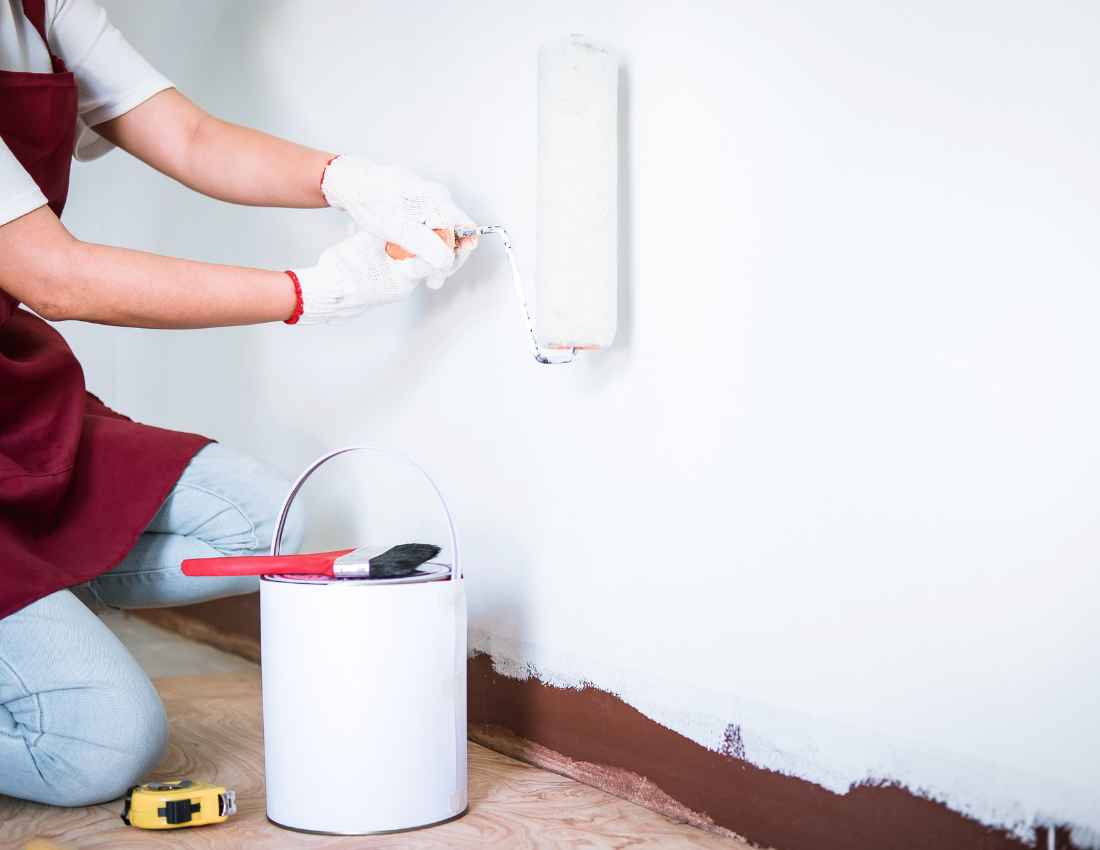
- Start with one full coat of drywall primer.
- Let it dry completely.
- Inspect the wall in strong side light.
- Add a second coat only if the surface still looks uneven or porous.
This method avoids waste and gives you control. It also helps you decide based on the real wall, not on guesswork.
For most new drywall jobs, that means the answer to how many coats of primer on new drywall do you need is still one coat first, then evaluate. That is the most practical and efficient way to do it.
If the wall is very smooth and the primer is high quality, one coat is usually enough. If the wall has heavy patching or uneven absorption, two coats can make the final paint look much better.
Credit: dcd-inc.com
Final Takeaway
New drywall should almost always be primed before painting. In most cases, one coat of primer is enough when the wall is clean, smooth, and properly sanded. A second coat is only needed when the surface is very porous, heavily patched, or still looks uneven after the first coat.
The smartest approach is not to guess. Prime the wall once, inspect it well, and add a second coat only if the drywall still needs more sealing. That way you save time, avoid excess material, and get a better paint finish.
FAQs
1. How many coats of primer on new drywall do you need for most rooms?
For most rooms, one coat is enough. If the drywall is clean, smooth, and well sanded, a single coat of good drywall primer usually seals the surface properly.
2. Can I paint new drywall without primer?
You can, but it is not a good idea. New drywall absorbs paint unevenly, so the finish often looks blotchy and dull without primer. Primer helps the paint stick and look even.
3. Do I need two coats of primer if I patch new drywall after sanding?
Not always. Small patches often need only one coat over the whole wall. But if the patched area is large or still shows through, a second coat can help even it out.
4. Is one coat of primer enough before two coats of paint?
Yes, in many cases it is. One good primer coat on new drywall is often enough before applying two finish coats of paint.
5. What happens if I use too much primer on new drywall?
Too much primer can make the surface thicker than needed and may hide prep mistakes instead of fixing them. It can also waste time and material without improving the finish much.
