
Choosing between drywall window returns vs wood is one of those small design decisions that can change how a room feels every day. The window may be the same size, but the finish around it affects light, maintenance, cost, and the whole style of the space.
Some people want a clean, modern look with sharp lines and painted surfaces. Others want the warmer feel of trim and millwork that adds depth. Both choices can work well, but they do not perform the same way in every room.
If you are planning a renovation, building a new home, or simply updating one window at a time, this guide will help you understand the real differences, the hidden trade-offs, and the best places to use each option.
What a window return actually does
A window return is the inside surface that finishes the wall opening around a window. It connects the window frame to the wall and shapes the way light enters the room. It also affects how easy the window is to clean, paint, and maintain over time.
In simple terms, the return is not just decoration. It is part of the window assembly. It helps create a neat edge, protects the wall opening, and gives the window a finished appearance.
When people compare drywall window returns vs wood, they are usually comparing two very different looks and performance profiles:
- Drywall returns use the same drywall material as the wall, then get taped, mudded, and painted.
- Wood returns use trim boards, casing, jamb extensions, or other wood details to frame the opening.
The choice affects more than style. It influences labor, durability, moisture resistance, and how forgiving the finish will be if the house moves a little over time.
Drywall window returns: clean, simple, and modern
Drywall returns are popular in modern homes, minimalist spaces, and remodels where the goal is a smooth, low-profile finish. Instead of adding trim around the window, the drywall is brought right up to the frame and finished flush.
This creates a simple look with fewer visual breaks. The window often feels larger because there is less material around it. That is one reason designers often use drywall returns in spaces with big windows and lots of natural light.
Main advantages of drywall returns
- Clean appearance: The look is simple and modern.
- Lower visual clutter: No trim lines or decorative casing competing with the window.
- Works well with minimal interiors: It fits modern, Scandinavian, and contemporary styles.
- Can feel more seamless: The wall and window opening blend together better.
One practical benefit many beginners miss is that drywall returns can make a small room feel calmer. Without trim edges, there are fewer visual interruptions. That can help the room feel more open and less busy.
Main drawbacks of drywall returns
- More visible flaws: Any uneven edge, crack, or poor finish stands out fast.
- Less forgiving over time: If the house shifts a little, cracks may appear at the corners.
- Moisture sensitivity: In damp spaces, drywall can suffer more than wood if not protected well.
- Not as decorative: It does not give the same architectural depth as trim.
Another detail people often miss is that drywall returns demand very good finishing work. The corners, taping, and paint lines have to be clean. If the workmanship is weak, the result looks unfinished, not minimalist.
Wood window returns: warm, traditional, and detailed
Wood window returns are used when the goal is to create depth, warmth, and a more finished architectural feel. Wood can appear as casing, jamb extensions, sills, or full trim packages depending on the design.
This option is common in traditional homes, craftsman styles, historic properties, and projects where the window should stand out as a feature. Wood adds texture and shape. It gives the eye something solid to follow around the opening.
Main advantages of wood returns
- More character: Wood adds detail and richness to the room.
- Better at hiding small imperfections: Trim can cover uneven drywall edges better than a flush finish.
- Strong style match for many homes: It works well in classic, rustic, and transitional interiors.
- Easier to repaint and refinish: Trim is often simpler to refresh than a fully finished drywall edge.
One non-obvious advantage is that wood gives you more control over the final proportions. A wider casing can make a plain window feel more substantial. A deeper sill can create a useful shelf for plants, decor, or practical items.
Main drawbacks of wood returns
- Can look heavy: In small spaces, trim may make the window feel more boxed in.
- More material and labor: Good wood work usually costs more than basic drywall finishing.
- Needs care in humid spaces: Wood may swell, split, or move if conditions change.
- Style can feel dated in some rooms: Very traditional trim may not suit ultra-modern design.
Wood is also more dependent on quality finishing. Poor joinery, visible nail holes, or weak caulking can quickly make a nice window look cheap. So while wood may be forgiving visually, it still needs skilled installation.
Drywall window returns vs wood: a side-by-side look
Before choosing, it helps to compare the two directly. The right answer often depends on what matters most in your room: style, budget, durability, or ease of maintenance.
| Factor | Drywall returns | Wood returns |
|---|---|---|
| Style | Modern, clean, simple | Warm, detailed, traditional |
| Visual impact | Low profile, subtle | More presence and depth |
| Maintenance | Can crack or chip more visibly | Easier to repaint, but may need touch-ups |
| Moisture resistance | Depends on finishing and location | Depends on wood type and sealing |
| Cost | Often lower in basic projects | Usually higher because of material and labor |
| Best for | Modern interiors, minimal design, large windows | Classic homes, feature windows, deeper trim details |
The table gives the basic picture, but real projects are rarely that simple. The wall thickness, window depth, climate, and finish quality all change the result.
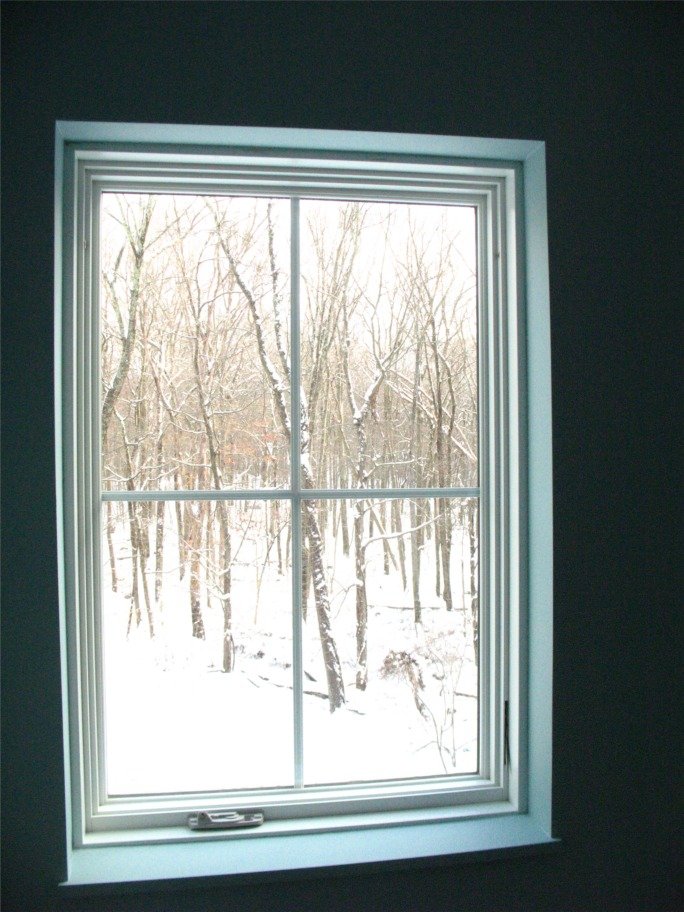
Credit: finehomebuilding.com
Cost differences that matter in real projects
Many homeowners choose based on budget first, and that makes sense. But cost is not only about the price of materials. Labor is often the bigger part of the bill, especially if the details are custom.
Drywall returns can be less expensive when the opening is straightforward and the finish is simple. The same tradesperson already working on the walls can often extend drywall into the opening with less extra material.
Wood returns usually cost more because they need cutting, fitting, joining, fastening, filling, sanding, and painting or staining. If the design includes custom profiles or stained wood, the cost rises again.
Still, the cheapest choice is not always the smartest choice. A clean drywall return in a very old house may crack repeatedly if the structure moves. A wood return in a damp bathroom may need repair sooner than expected if it is not sealed well.
Best budget insight: choose the option that matches the room conditions first, then the style. Fixing the wrong choice later often costs more than doing it right from the start.
Which option holds up better over time?
Durability depends on the environment and the craftsmanship. There is no universal winner. Each material has weak points.
Drywall is more likely to show corner cracks, dents, or water damage. If a window has condensation, leaks, or repeated temperature shifts, the drywall edge can suffer. Good sealing helps a lot, but it does not remove the risk entirely.
Wood can handle knocks better than drywall in many cases, but it can also warp, swell, or split if the moisture level is unstable. Painted wood in a dry, stable room usually holds up very well. Stained wood can be beautiful, but it may show wear faster if exposed to sunlight.
The most durable option is often the one matched to the room:
- Dry areas: Both can work well.
- Humid rooms: Use extra care with sealing and material choice.
- High-traffic spaces: Wood may resist everyday bumps better.
- Modern showpiece windows: Drywall returns can stay looking sharp if installed properly.
A detail many people overlook
Condensation is a silent problem. If cold glass creates moisture on the inside of the frame, repeated dampness can weaken drywall edges much faster than expected. In those cases, proper insulation and sealing matter as much as the finish material itself.
Style and design: what each option says about a room
Window treatment is not just technical. It shapes the mood of the room.
Drywall returns usually give a room a quieter, more open feeling. They are a good fit when the window is part of the architecture, not the decoration. This works especially well when the view outside is the main feature.
Wood returns do the opposite. They frame the window and make it feel intentional. Instead of blending in, the opening becomes a design element. That can be powerful in older homes or rooms where the architecture needs more presence.
Here is a simple way to think about it:
- Choose drywall if you want the room to feel simple, bright, and modern.
- Choose wood if you want the window to feel finished, detailed, and more traditional.
Sometimes the best answer is not pure drywall or pure wood. A mixed approach may work better. For example, you can use a clean drywall return with a subtle wood sill, or use wood trim only on the main living areas and keep bedrooms simpler.

Credit: remotestylist.com
Where drywall returns work best
Drywall returns shine in spaces where simplicity matters more than ornament. They are often a smart choice in homes with strong natural light, flat wall surfaces, and modern furniture.
Good places for drywall returns
- Modern homes with minimal trim
- Rooms with large picture windows
- Spaces where the view is more important than the frame
- Interiors with flat baseboards and clean lines
- Renovations aiming for a smooth, seamless look
They also work well when you want the walls to feel continuous. If the room already has a lot going on, drywall returns can reduce visual noise.
Drywall returns are especially useful in design styles where less is more. But they only look good when the window opening is square, the edges are clean, and the paint finish is solid.
Where wood returns work best
Wood returns are often the better choice when the window should add warmth or when the room needs more architectural shape.
Good places for wood returns
- Traditional homes
- Craftsman and cottage-style interiors
- Historic renovations
- Rooms that need more visual depth
- Spaces where decorative trim is part of the design language
Wood also works well when the window opening is not perfectly even. The trim can help hide small imperfections and create a more finished result. That is one reason wood is often used in remodels, where walls and openings may not be perfectly square.
If you want a room to feel warmer and more complete, wood usually has the edge. It gives a stronger sense of craftsmanship and can match cabinets, doors, and built-ins in the same house.
Common mistakes people make when choosing
Many homeowners focus only on looks. That is one of the biggest mistakes in the drywall window returns vs wood decision. A finish can look good in photos and still be wrong for the room.
- Choosing drywall in a high-moisture room without proper sealing. Bathrooms, laundry rooms, and some kitchens need extra care.
- Choosing wood only because it seems more premium. Premium does not always mean better for the space.
- Ignoring wall depth. Deep walls may need jamb extensions, and shallow openings may limit trim options.
- Overlooking maintenance habits. If you want low upkeep, choose the finish you can actually keep looking good.
- Not matching the rest of the home. A single window should still feel connected to the rest of the interior.
The best result comes from thinking about the whole room, not just the window itself. Trim, wall color, flooring, and natural light all affect the final look.
How to decide with confidence
If you are still unsure, use the room’s purpose to guide you. That is usually the fastest way to make a good choice.

Credit: trim-tex.com
Choose drywall returns if:
- You want a clean, modern look.
- The window is part of a simple, minimal design.
- You want fewer visual lines around the opening.
- The room is dry and stable.
- You are trying to make the space feel larger or quieter.
Choose wood returns if:
- You want more warmth and character.
- The home has traditional or classic details.
- You need to cover small framing or finishing flaws.
- The window should feel like an architectural feature.
- You want a finish that is easier to refresh with trim paint later.
In many real homes, wood is the safer choice for personality, while drywall is the safer choice for simplicity. Neither is automatically better. The best option is the one that supports the design and the room conditions at the same time.
Final take on drywall window returns vs wood
When comparing drywall window returns vs wood, the real question is not which one is better overall. It is which one fits your home, your style, and your maintenance needs.
Drywall returns are best when you want a smooth, modern, understated finish. Wood returns are best when you want warmth, detail, and a more traditional frame around the window. Drywall can feel sharper and lighter. Wood can feel richer and more grounded.
If you are building a new home with clean lines, drywall returns may be the perfect match. If you are remodeling a character home or want more depth around the opening, wood is often the stronger choice. The best finish is the one that looks right on day one and still makes sense years later.
FAQs
1. Are drywall window returns cheaper than wood?
Usually, yes. Basic drywall returns often cost less because they use fewer materials and less trim work. However, the final price depends on labor, window shape, and how much finishing is needed.
2. Do drywall returns crack more than wood?
They can. Drywall is more likely to show cracks at corners if the house moves or if the finishing is poor. Wood is usually more forgiving in that area, but it has its own risks, especially in humid spaces.
3. Which is better for modern homes?
Drywall returns are usually better for modern homes because they create a clean and simple look. They help the window blend into the wall instead of standing out as a decorative frame.
4. Can wood returns be used in bathrooms?
Yes, but they must be sealed properly and protected from moisture. In bathrooms with heavy humidity, the material choice and paint finish matter a lot. Poor sealing can lead to swelling or damage over time.
5. What is the easiest option to maintain?
It depends on the room. Wood is often easier to repaint and touch up, while drywall can be simpler in a low-moisture space if it stays in good shape. In high-humidity or high-movement areas, both may need occasional repair.
