
If you are planning a remodel, one of the first money questions is the cost to hang or install drywall. The answer is not always simple. Labor prices change based on room size, wall height, finish level, job difficulty, and local market rates. A small bedroom can be fast and cheap. A basement or a high-ceiling room can cost much more.
Drywall looks basic, but the work behind it is detailed. Sheets must be measured, cut, lifted, fastened, taped, and finished well. If the drywall is not installed correctly, you may see cracked seams, uneven walls, or bulges later. That is why labor cost matters so much. It is not just about hanging boards. It is about getting a smooth wall that lasts.
This guide explains 2026 drywall labor pricing, what affects the final bill, and how to estimate your project with more confidence. You will also see common mistakes that raise costs and a few practical ways to save money without hurting quality.
What drywall labor usually costs in 2026
In 2026, the cost to hang or install drywall usually falls into a wide range because jobs are very different from one another. For basic labor only, many contractors charge by the square foot. For full installation with taping and finishing, the price is higher.
| Project type | Typical labor cost per sq. ft. | What is usually included |
|---|---|---|
| Drywall hanging only | $1.50 to $3.50 | Measuring, cutting, lifting, fastening sheets |
| Hang + tape + mud | $2.50 to $5.50 | Hanging, taping seams, applying joint compound |
| Full finish, ready for paint | $3.50 to $7.50+ | Hanging, finishing, sanding, smooth surface prep |
These numbers are general estimates. Small jobs often cost more per square foot because contractors still have travel time, setup time, and minimum labor charges. Larger jobs usually get better pricing per square foot.
For a simple room, total labor may start around $800 to $1,500. Larger projects, complicated ceilings, or high-end finishes can easily reach several thousand dollars. If you want a smoother estimate, you need to look beyond square footage.
What changes the price the most
Two rooms with the same size can have very different labor costs. That is because drywall work is shaped by details that many homeowners do not notice at first.
Room size and total sheet count
Labor usually drops per square foot as the job gets larger. A contractor can move more quickly on a big open area than on a tiny space with many cuts. Fewer seams also mean less finishing work. That saves time.
But large rooms are not always cheaper overall. More square footage still means more material handling, more fasteners, more seam work, and more sanding. So the total project cost rises even if the per-foot labor rate improves.
Ceiling height
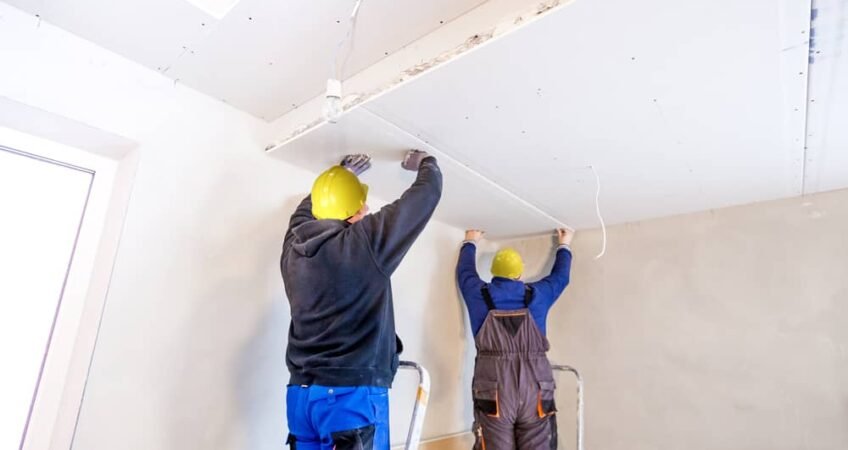
Standard 8-foot walls are the easiest and cheapest to install. Once the ceiling goes above that, labor increases fast. Taller walls need more lifting, more scaffolding, and more effort to get sheets placed correctly.
A 10-foot wall is not just “a little taller.” It can change the whole labor setup. Crews may need extra people or special equipment. That alone can push the price up.
Drywall thickness and type
Not all drywall is the same. Standard 1/2-inch boards are common and easier to handle. Thicker boards, moisture-resistant panels, fire-rated drywall, and soundproof drywall usually cost more to install because they are heavier, harder to cut, or more demanding to finish.
For example, fire-rated drywall is often used in garages, utility spaces, or around code-required areas. It may take longer to place because the sheets are heavier and the work must be more precise.
Number of corners, openings, and cutouts
Walls with many windows, doors, outlets, vents, pipes, or angled corners take more labor. Each opening needs careful measuring and cutting. That slows the job and raises the cost.
Here is a simple rule: the more time a crew spends fitting pieces around obstacles, the higher the labor bill.
Finish level
The level of finish is one of the biggest cost drivers. A basic finish for a garage does not need to look perfect. A living room or bedroom usually does.
- Basic finish: good for utility areas and low-visibility spaces
- Standard finish: common for most homes, ready for paint after sanding
- High-end finish: very smooth, used where walls get strong light or premium paint
The smoother the wall must be, the more coats, sanding, and labor it needs. That can add a large amount to the final price.
Job access and site conditions
If a crew can drive right up to the house and work in an open, clean room, labor stays lower. If they need to carry sheets through narrow halls, up stairs, or through a finished home, time goes up.
Moisture, old framing, uneven studs, and repairs also make the job slower. Drywall goes up best on a flat, prepared surface. If the framing is not ready, the installer has to work around problems before hanging begins.
Labor only vs. full drywall installation
Homeowners often compare bids without checking what the quote includes. That can be a costly mistake. Some bids cover hanging only. Others include taping and finishing. The difference can be thousands of dollars on a large project.
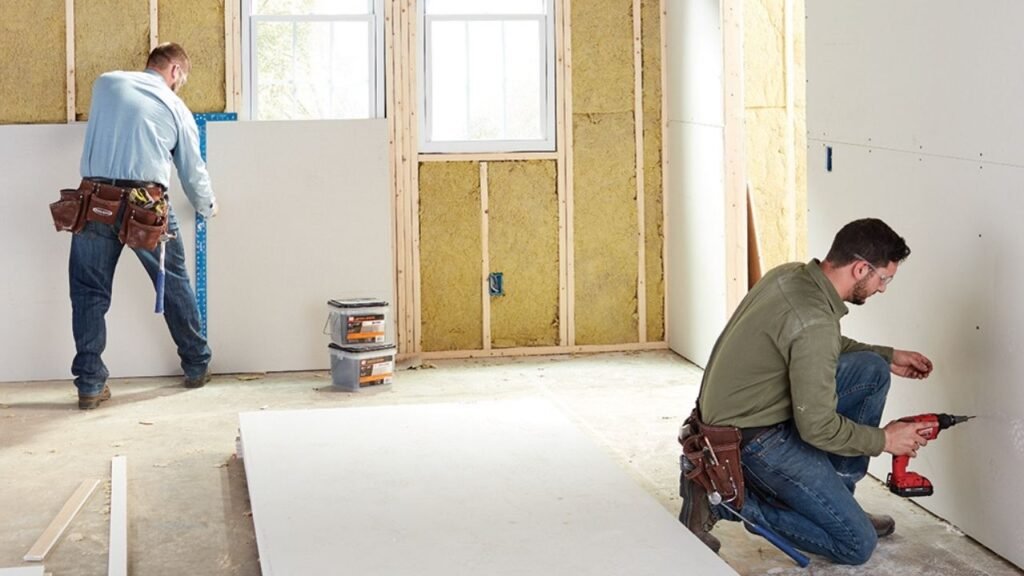
Labor only means the crew installs the drywall sheets on the framing. You may still need to pay separately for taping, mudding, sanding, priming, and cleanup.
Full installation usually means the surface is taken to a finished state and ready for paint, depending on the contract. Always ask what level of finish is included. Do not assume.
A low bid can look attractive at first, but if it excludes finish work, the real price may end up higher than a more complete quote from the start.
Credit: estimatorflorida.com
How contractors usually price drywall work
Contractors use a few common pricing methods. Knowing them helps you compare estimates the right way.
Per square foot
This is the most common method. It works well for standard rooms and larger jobs. The contractor measures wall and ceiling area, then applies a rate based on the scope of work.
This method is simple, but the rate can shift based on finish quality, sheet type, and project difficulty.
Per sheet
Some contractors price by the drywall sheet. This can be helpful on smaller jobs where exact wall area is less important than the number of boards installed. It may also be used for specific rooms or repeat work.
Day rate or minimum job charge
For small repair work, a contractor may charge by the day or set a minimum service fee. This protects them from losing money on short jobs that still require travel and setup.
If your project is only a few sheets, a minimum charge may matter more than square footage. That is why small drywall repairs sometimes feel expensive.
Example price ranges for common projects
These examples are estimates, not quotes. They can help you see how the cost to hang or install drywall changes with project size and complexity.
Small bedroom
A simple bedroom with standard 8-foot ceilings and few openings may cost about $900 to $2,000 for labor, depending on whether finishing is included.
Basement walls
Basement jobs often cost more because of moisture concerns, low access, and uneven framing. A typical labor range may be $1,500 to $4,500 or more.
Garage drywall
Garage drywall can be cheaper if the finish level is basic, but fire-rated board or code-related work can raise the price. Labor may range from $1,200 to $3,500+.
Full home remodel
A whole-home drywall project can vary greatly. Simple homes may be completed at a lower per-foot rate, while custom homes with tall ceilings and detailed finishes can cost much more.
Why finishing costs can surprise homeowners
Many people focus only on hanging because it seems like the main job. In reality, finishing often takes more skill and time than hanging. That is one of the least understood parts of drywall pricing.
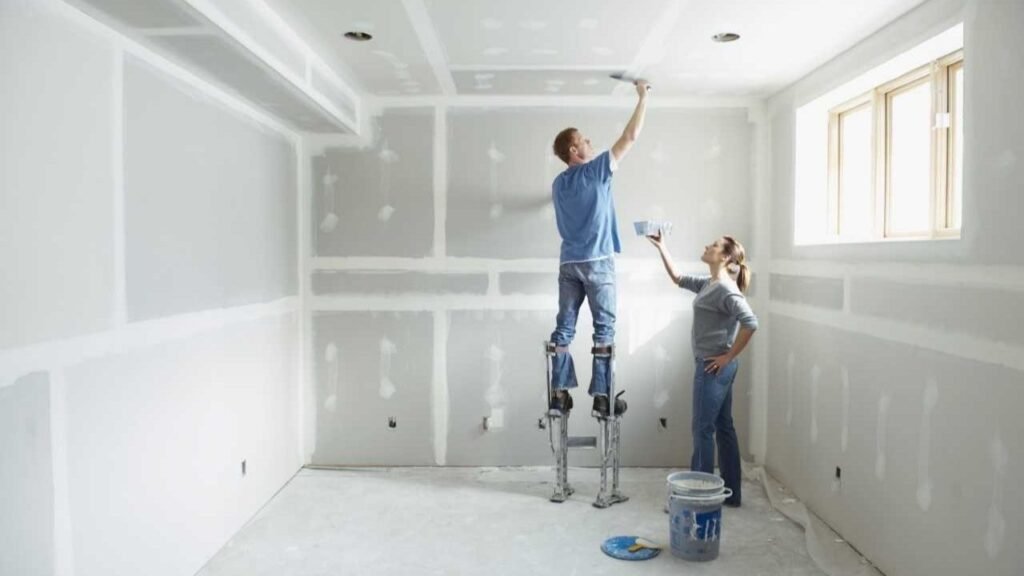
Taping the seams, embedding joint compound, letting each coat dry, and sanding between coats takes patience. If the work is rushed, seams may show later under paint. Strong side lighting can make even small flaws visible.
Here are two non-obvious points many beginners miss:
- Lighting changes the cost: rooms with lots of natural light or wall washers often need a better finish because flaws are easier to see.
- Paint choice matters: glossy or semi-gloss paint can expose drywall imperfections more than flat paint, so a better finish may be worth the extra labor.
These details do not always show up in the first estimate, but they affect the final result and your long-term satisfaction.
Local labor rates and regional price differences
Drywall labor rates are not the same everywhere. Cities with higher living costs usually have higher labor prices. Areas with strong construction demand may also charge more, especially during busy remodeling seasons.
In some places, skilled drywall finishers are harder to find. When demand is high and experienced workers are limited, prices rise. In more rural markets, labor may be cheaper, but travel fees can offset some of the savings.
If you want a realistic estimate, get at least three local quotes. National averages are useful, but they do not replace local pricing.
Credit: estimatorflorida.com
How to estimate your own project
You do not need to be a contractor to build a rough estimate. A few simple steps can help.
- Measure the wall and ceiling area you want covered.
- Count openings like doors, windows, and large cutouts.
- Decide whether you need hanging only or full finishing.
- Check ceiling height and difficult access points.
- Ask for pricing from local drywall installers.
For example, if your room has 500 square feet of drywall surface and you need hanging plus finishing at $4.50 per square foot, the labor estimate may be around $2,250. If the room has high ceilings, lots of cutouts, or a premium finish, the price may go higher.
For a basic benchmark on construction labor and wage trends, you can also review current data from the U.S. Bureau of Labor Statistics at BLS drywall installer information.
Common mistakes that raise drywall labor costs
Some costs are unavoidable. Others happen because the project was not planned well. A little preparation can save real money.
Not preparing the framing
If studs are bowed, loose, or uneven, drywall takes longer to install and finish. Good framing makes a big difference. Ask the contractor to inspect the surface before the job starts.
Changing the scope mid-job
Adding outlets, moving walls, or changing the finish level after work begins almost always increases labor costs. Even small changes can interrupt the flow of the job.
Choosing the wrong finish level
Paying for a high-end finish in a garage is usually wasted money. On the other hand, using a basic finish in a bright living room may leave you unhappy later. Match the finish to the space.
Ignoring cleanup and disposal
Drywall work creates dust and waste. Some quotes include haul-away and cleanup. Others do not. If these items are missing, the final bill may be higher than expected.
Smart ways to keep labor costs under control
Saving money on drywall does not mean choosing the cheapest bid. It means removing waste and giving the crew a clean, simple job to do.
- Keep the framing straight and ready before installation starts.
- Combine rooms into one project if possible, since larger jobs often get better rates.
- Choose the right finish level for the room, not the most expensive one.
- Make all design decisions before the crew arrives.
- Ask what is included in the quote, especially sanding, cleanup, and corner bead work.
One useful tactic is to ask for a quote with clear stages. That way, you can see how much it costs to hang the drywall and how much extra finishing adds. This makes comparison much easier.
When a higher labor price is worth it
The cheapest installer is not always the best value. A skilled drywall crew may charge more, but the result can save time and frustration later.
Pay more when the project has strong lighting, visible walls, unusual angles, or code-sensitive areas. These spaces need better craftsmanship. Poor work can show through paint, crack sooner, or require expensive fixes.
In other words, the lowest number is not always the lowest real cost.
Credit: realestimateservice.com
Final thoughts on budgeting for drywall labor
The cost to hang or install drywall in 2026 depends on more than just square footage. Room height, number of cutouts, finish level, access, and local labor rates all play a role. Hanging only is cheaper than full finishing, but most living spaces need more than basic installation.
If you want the best budget estimate, measure carefully, know your finish goal, and get multiple local quotes. Pay attention to what each bid includes. That one habit can prevent most pricing surprises.
Drywall is one of those jobs where good work looks simple, but bad work is easy to notice. A fair price is important. Good results matter even more.
FAQs
1. What is the average cost to hang or install drywall in 2026?
Most labor-only drywall hanging jobs fall around $1.50 to $3.50 per square foot. If you want taping and finishing too, the cost is often closer to $2.50 to $7.50+ per square foot, depending on the finish level and job complexity.
2. Why is drywall finishing more expensive than hanging only?
Finishing takes more time and skill. It includes taping seams, applying joint compound in coats, sanding, and checking for flaws. A smooth wall requires more labor than simply fastening the boards to the framing.
3. Do high ceilings really increase drywall labor costs that much?
Yes. Tall walls need extra lifting, staging, and time. The work is slower and often needs more workers or equipment. Even a small increase in height can raise the price noticeably.
4. Is it cheaper to hire someone for small drywall repairs or do them myself?
Very small repairs can be expensive to hire because many contractors have minimum charges. If the repair is simple, DIY may save money. But if the damage is visible or the finish must blend with existing walls, a pro may give a better result.
5. How can I get a better drywall quote from a contractor?
Be clear about the scope, finish level, ceiling height, and whether cleanup is included. Give exact measurements if you can. Ask for the quote in writing and compare the same work across all bids so you are not comparing different service levels.
