
Choosing the right wall board can save you time, money, and many future repairs. If you are deciding between cement board vs drywall, the right answer depends on where the wall will be used, how much moisture is present, and how strong the surface must be.
At first glance, both materials may look similar because they come in flat panels and are installed on wall framing. But they are built for very different jobs. Drywall is the standard choice for most indoor rooms. Cement board is made for wet areas and places where durability matters more than speed or low cost.
This guide explains the key differences, the pros and cons of each, and the best uses for both materials. If you are building, remodeling, or fixing a room, understanding these differences will help you make a smarter choice.
How these two materials are made
The biggest difference between cement board and drywall starts with what they are made of. That difference affects weight, strength, moisture resistance, and installation.
What drywall is
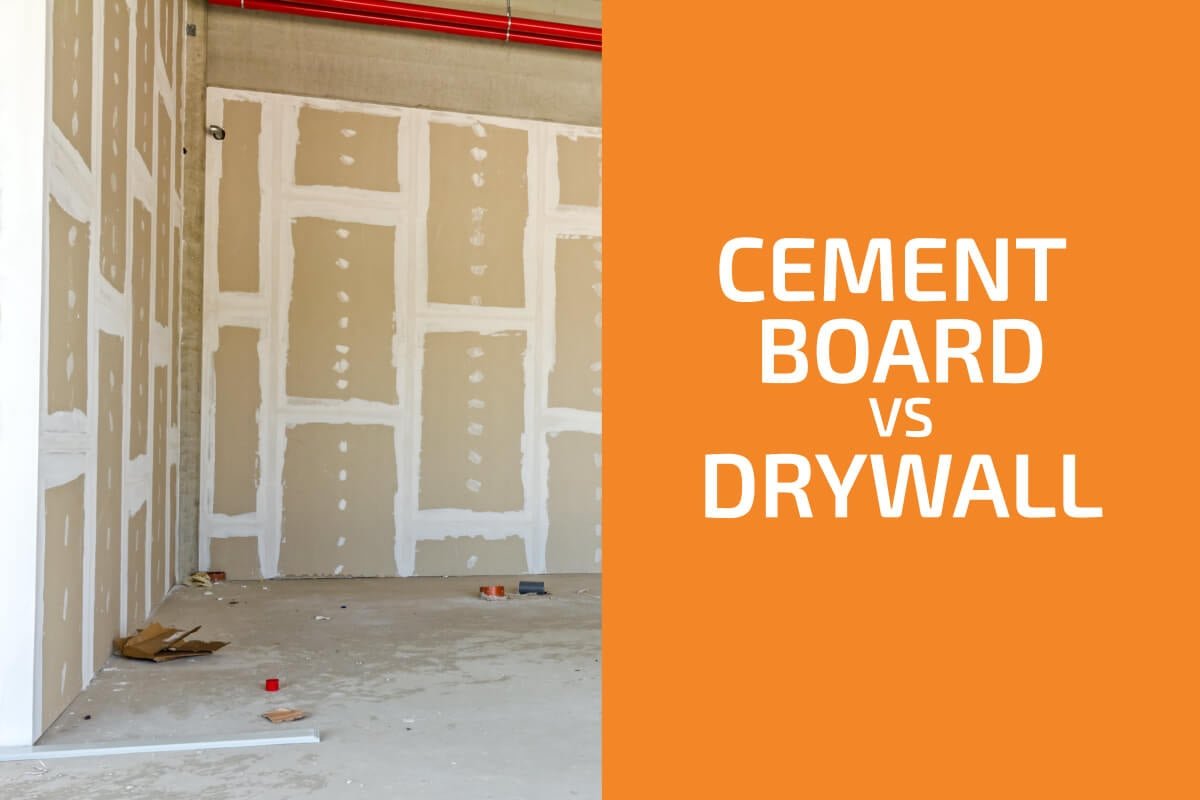
Drywall is made from a gypsum core pressed between two layers of paper. It is light, easy to cut, and fast to install. Most homes use drywall for bedrooms, living rooms, hallways, and ceilings. It is designed for dry indoor spaces where water is not a major issue.
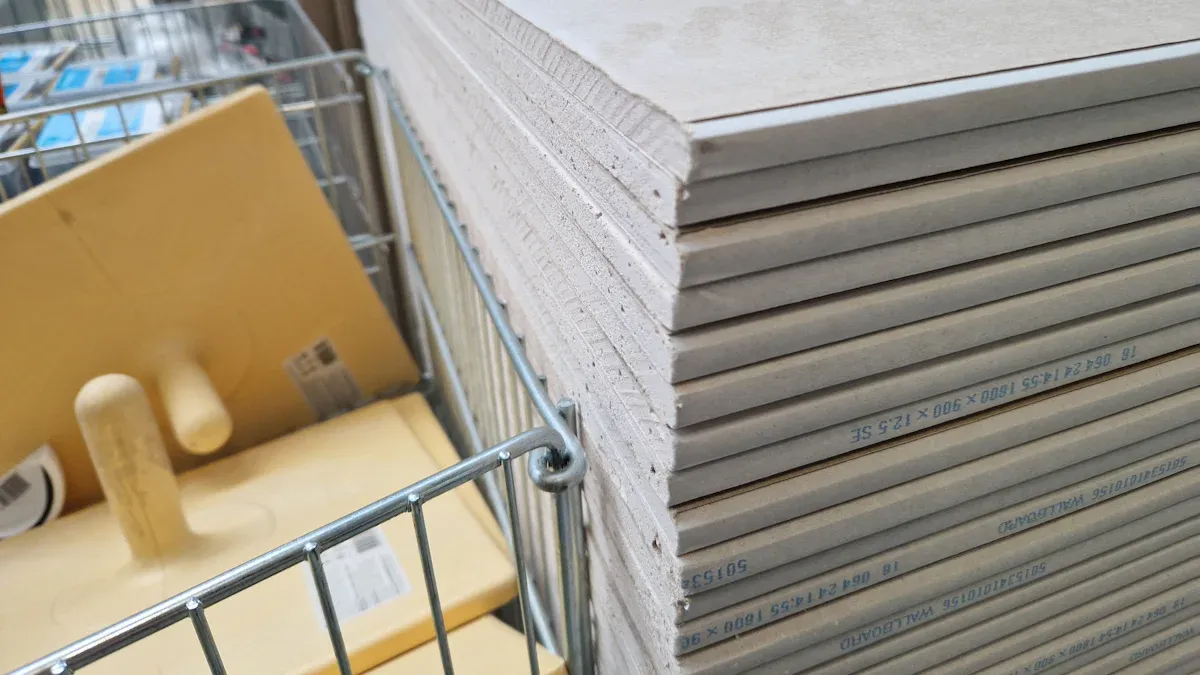
Drywall is also called wallboard or gypsum board. It comes in different thicknesses, but the most common sizes are 1/2 inch and 5/8 inch. The 5/8 inch version is often used for better fire resistance and sound control.
What cement board is
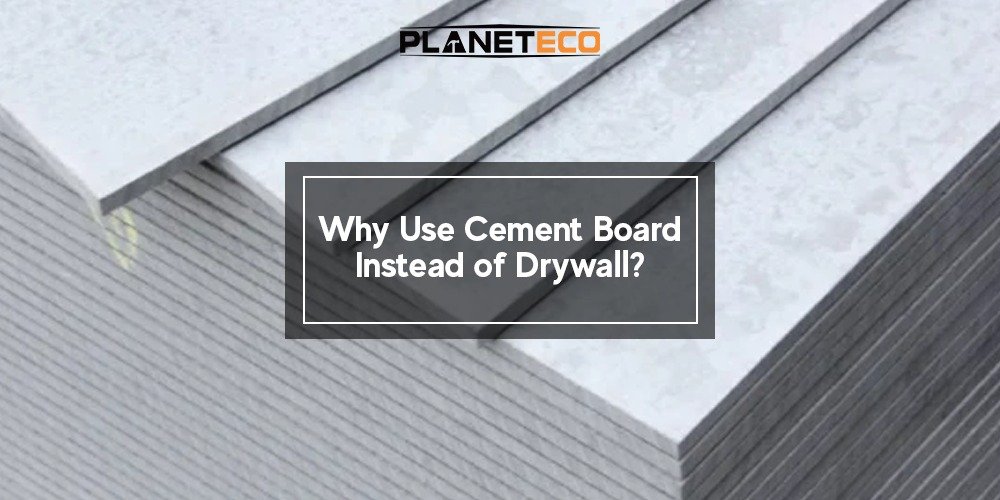
Cement board is made from cement and reinforcing fibers. It is much denser and heavier than drywall. It does not soften, swell, or break down as easily when exposed to water.
Because of this, cement board is commonly used behind tile in showers, tub surrounds, and other wet spaces. It gives tile a strong base and helps protect the wall structure behind it.
Cement board vs drywall: the main differences that matter
When people compare cement board vs drywall, they usually focus on moisture. That matters a lot, but it is not the only difference. A smart choice depends on several factors.
| Feature | Drywall | Cement board |
|---|---|---|
| Weight | Light | Heavy |
| Cutting | Easy with a knife | Harder, often needs scoring or power tools |
| Moisture resistance | Poor in wet areas | Strong in wet areas |
| Strength under tile | Not ideal for direct tile use in wet areas | Excellent tile base |
| Cost | Lower | Higher |
| Installation speed | Faster | Slower |
| Common use | General interior walls | Bathrooms, showers, and tile backer walls |
Moisture resistance
This is the most important difference. Drywall can be damaged by water. Even small leaks can cause swelling, soft spots, mold growth, and breakdown of the paper face. Once drywall gets wet enough, replacement is often the only safe fix.
Cement board handles moisture much better. It does not rot like drywall paper can, and it stays stable in damp conditions. However, one important detail many beginners miss is this: cement board is water-resistant, not waterproof. Water can still pass through grout lines, seams, and fastener holes if you do not use the right waterproofing system.
Strength and durability
Drywall is strong enough for everyday interior use, but it dents more easily. A chair, door handle, or moving furniture can damage it.
Cement board is much tougher. It resists impact better and provides a stronger base for tile. That strength is one reason it works so well in bathrooms and other tile-heavy areas. Still, it is not used for most rooms because the extra strength is not needed there.
Weight and handling
Drywall is easier to carry, lift, and install. One person can often manage a sheet alone, especially in smaller sizes. Cement board is heavier and more tiring to work with. Cutting it also creates more dust and takes more effort.
This is a practical point that beginners often miss: if you are working on a large wall or ceiling, cement board can slow the whole project down. That extra labor matters, especially if you are paying by the hour.
Cost and labor
Drywall is usually cheaper both in material price and labor. It is the standard choice because it is quick to finish and easy to repair.
Cement board costs more. You pay more for the panels, and you may also pay more for labor because the installation takes longer. For a dry room, using cement board would usually be unnecessary and expensive.
Fire and sound performance
Drywall has a useful advantage here. Thicker drywall, especially 5/8 inch panels, can improve fire resistance. It can also help reduce noise between rooms.
Cement board is not usually chosen for sound control or fire protection in the same way drywall is. It can contribute to wall mass, but that is not its main purpose. If you want better sound control in a bedroom or home office, drywall is normally the better starting point.
Pros and cons of drywall
Drywall remains the most common wall material for a reason. It is affordable, efficient, and flexible. But it has limits.
Credit: handymansworld.net
Advantages of drywall
- Low cost: It is one of the cheapest wall materials for interior use.
- Fast installation: Sheets are easy to cut, fasten, and finish.
- Easy repairs: Small holes and dents can be patched without replacing large sections.
- Good for most rooms: It works well in bedrooms, living rooms, and hallways.
- Available everywhere: It is easy to find in many sizes and thicknesses.
Disadvantages of drywall
- Poor moisture resistance: It can fail quickly in wet spaces.
- More fragile: It dents and cracks more easily than cement board.
- Not a tile backer in wet zones: It is not the right choice behind shower tile unless a proper system is used and local code allows it in a very limited way.
- Mold risk after water damage: Wet drywall often needs replacement.
Drywall is best when you want a smooth painted wall in a dry room. It is not made for direct water exposure, and that is the main rule to remember.
Pros and cons of cement board
Cement board is built for tougher environments. It is not a general-purpose wall panel, but in the right spot, it performs very well.
Advantages of cement board
- Excellent for wet areas: It holds up well in bathrooms, showers, and laundry spaces.
- Strong tile base: It supports tile without breaking down easily.
- Resists rot: Unlike paper-faced drywall, it will not deteriorate the same way in damp conditions.
- Long-lasting: It can perform well for many years when installed correctly.
Disadvantages of cement board
- Heavier to handle: It is harder to carry and install.
- More expensive: Material and labor costs are higher.
- Harder to cut: It takes more effort and creates more dust.
- Not needed for dry rooms: Using it everywhere would add cost without real benefit.
One non-obvious point: cement board often feels like a “better” product, but better is not always smarter. In a dry bedroom, its extra strength does not improve daily use enough to justify the added work.
Best uses for each material
The easiest way to decide between these two is to match the material to the room. That is where the differences really matter.
Where drywall works best
Drywall is the right choice for most indoor areas that stay dry. Use it in:
- Bedrooms
- Living rooms
- Dining rooms
- Hallways
- Closets
- Ceilings in dry spaces
- Home offices
It is also the best choice when you want a smooth surface for paint, wallpaper, or light decoration. It gives a clean finish at a reasonable cost.
Where cement board works best
Cement board is the better choice in areas that regularly see water or high humidity. Use it in:
- Shower walls
- Bathtub surrounds
- Bathroom tile walls
- Floors under tile in wet areas, when specified by the tile system
- Backsplash areas if the design calls for a tile backer with more durability
- Laundry rooms with possible splash exposure
For showers, cement board is usually part of a larger waterproofing system. That means you should not think of the board alone as the full moisture solution. Seams, corners, and penetrations also need attention.
What about kitchens?
Kitchens often confuse homeowners. In many kitchen walls, drywall is perfectly fine. A backsplash area may use drywall under tile if it is in a low-moisture zone and local building rules allow it.
But behind sinks, dishwashers, or places with regular splash, a more durable backer may make sense. If the wall is likely to get wet often, cement board or another approved backer is safer.
Installation differences you should know
Installation is another major reason the choice between cement board vs drywall matters. A material can look good on paper, but if it takes too much time or creates mistakes, the job becomes harder.
Credit: sulfycor.com
How drywall is installed
Drywall is relatively simple to install. It is cut with a utility knife, fastened to studs with drywall screws, and then taped and finished with joint compound. After sanding, it is ready for primer and paint.
Because the process is standard and familiar, many builders can install drywall quickly. That speed lowers labor cost and shortens project time.
How cement board is installed
Cement board needs more effort. It is cut using special scoring tools, a saw, or a carbide blade. The panels are then fastened with corrosion-resistant screws made for cement board.
Joints are usually taped with alkali-resistant mesh tape and filled with thin-set mortar, not standard drywall compound. In wet spaces, a waterproofing membrane may also be required. That extra step is easy to miss, but it is one of the most important parts of the job.
If you are using tile, you should also check the tile manufacturer’s instructions. Some systems call for a specific backer and a specific waterproofing method. That is a detail many beginners skip, and it can lead to failed tile work later.
Common installation mistakes
- Using drywall in a shower: This is one of the worst mistakes. Drywall does not belong in a direct wet zone.
- Skipping waterproofing behind cement board: Cement board alone is not enough in many shower systems.
- Using the wrong screws: Standard fasteners can rust or fail in cement board applications.
- Not sealing seams properly: Gaps can let moisture reach the framing behind the wall.
- Assuming tile makes the wall waterproof: Tile is not a waterproof layer by itself.
Cost and long-term value
At first, drywall seems like the cheaper win. In many cases, it is. But total value depends on the room and the risk of water exposure.
Drywall gives the best value in dry spaces because it is affordable and easy to maintain. If it gets a small dent or hole, it is usually easy to repair.
Cement board gives better long-term value in wet areas. Yes, it costs more upfront. But if you use drywall where cement board should go, you may pay much more later for water damage, mold cleanup, and full wall replacement.
That is why the smartest choice is not always the cheapest material. It is the material that avoids future failure. For shower walls, that almost always means a cement board system or another approved wet-area substrate.
If you want a trusted technical reference on tile installation and wet-area standards, the Tile Council of North America is a helpful authority.
Which one should you choose?
The choice becomes much easier when you ask one simple question: Will this wall be exposed to moisture?
Choose drywall if:
- The room is dry.
- You want a smooth painted surface.
- You need a budget-friendly material.
- You want faster installation and easier repairs.
Choose cement board if:
- The area gets wet often.
- You are installing tile in a shower or tub surround.
- You need a tougher base for a moisture-prone space.
- You want better long-term performance in a bathroom or similar room.
Another useful way to think about it is this: drywall is for comfort and convenience, while cement board is for protection and durability. Most homes need both, but in different places.
Practical examples that make the choice clear
Credit: planeteco.com
Example 1: A bedroom remodel
For a bedroom, drywall is the natural choice. It is fast, affordable, and easy to finish. Cement board would add cost with no real benefit.
Example 2: A shower renovation
For a shower, cement board is the better choice. A wet shower environment will quickly damage drywall. Using the right backer board and waterproofing system is essential here.
Example 3: A bathroom vanity wall
A wall near a sink may use drywall if it is not getting regular direct water exposure. But if splashing is heavy or tile is being installed in a damp area, cement board may be a safer option.
Example 4: A laundry room
This depends on the layout. If the wall sits behind a utility sink or near frequent splash zones, cement board may be helpful. If the room stays mostly dry, drywall is enough.
Final takeaway
The debate over cement board vs drywall is not really about which material is better overall. It is about using the right material in the right place. Drywall is the better choice for most dry interior rooms because it is simple, low cost, and easy to finish. Cement board is the better choice in wet areas because it stands up to moisture and supports tile much better.
For beginners, the most common mistake is using drywall in spaces that need a moisture-safe backer. The second common mistake is using cement board everywhere, even where standard drywall would work just fine. If you match the material to the room, you will get better results and fewer problems later.
FAQs
1. Is cement board better than drywall?
Cement board is better in wet areas, especially behind shower tile. Drywall is better in dry rooms because it is easier to install and more affordable.
2. Can you use drywall in a bathroom?
Yes, in many bathroom areas that do not get direct water exposure. But it should not be used inside showers or other places where water will hit the wall often.
3. Does cement board need waterproofing?
Yes, in most wet-area applications it still needs waterproofing. Cement board resists moisture, but it is not fully waterproof by itself.
4. Is cement board hard to install?
It is harder to install than drywall because it is heavier, tougher to cut, and needs special screws and finishing methods.
5. What is the best board for shower walls?
Cement board is one of the most common choices for shower walls, but it should be used as part of a proper waterproofing system for the best result.
