
Drywall is one of the most common building materials in homes. People use it for walls and ceilings because it is cheap, easy to install, and gives a smooth finish. But many homeowners still ask one important question: can you burn drywall?
The short answer is that drywall does not act like wood or paper. It does not catch fire the same way, and it can slow fire for a while. But that does not mean it is fireproof or safe in every situation. The material inside drywall can change when it gets very hot, and fire can still pass through it.
If you are planning a remodel, cleaning up after a fire, or simply trying to understand fire safety in your home, it helps to know what really happens when drywall is exposed to flame. The details matter more than most people think.
What drywall is made of and why it resists fire
Drywall is usually made from a core of gypsum, which is a mineral that contains water in its natural structure. That is one of the main reasons it performs better in a fire than many other common building materials.
When heat reaches drywall, the water inside the gypsum begins to turn into steam. This process uses energy, which helps slow the rise in temperature. In simple words, the drywall sacrifices itself for a while to delay heat spread. That is why drywall is often used in fire-rated wall systems.
The outer layers of drywall are usually made of paper. This paper can burn, but the gypsum core helps protect it for a time. Standard drywall and fire-rated drywall are not the same, though. Fire-rated drywall is specially designed to last longer under heat.
Why this matters in real homes
Many people think a wall is safe just because it is made of drywall. That is not true. A wall is a system, not just one board. The studs, insulation, screws, tape, paint, and openings all affect how fire moves. Drywall may slow fire, but gaps, outlets, and poor installation can weaken that protection.
Can you burn drywall with a lighter, torch, or open flame?
Can you burn drywall directly? In a basic sense, yes, but not in the same way you burn paper or wood. If you hold a lighter against drywall, the paper facing may char or scorch. If the heat is strong enough and long enough, the surface can break down. However, the gypsum core will not behave like a normal fuel source.
A torch or strong open flame can damage drywall much faster. The paper facing can burn away, and the core can crack, crumble, or turn powdery. In some cases, the board may still not burst into flames like wood would. Instead, it fails by breaking down, losing strength, and falling apart.
That does not mean it is harmless. A flame applied to drywall can still spread fire to nearby trim, paint, insulation, dust, or framing. Smoke and toxic gases may also come from other materials in the wall assembly.
What happens at different heat levels
- Low heat: The paper face may brown, smoke, or blister.
- Moderate heat: The board may crack, weaken, and start to crumble.
- High heat: The paper can burn away, and the gypsum core can break down quickly.
- Very high heat: The wall system around the drywall may fail, even if the board itself does not act like fuel.
What happens when drywall catches fire
When drywall is exposed to fire, the visible damage is often only part of the story. The surface may blacken first. Then the paper facing can peel, blister, or burn off. After that, the gypsum core may dry out, crack, and collapse in chunks.
As the board heats up, it can lose much of its strength. A wall that looks mostly intact from far away may already be badly damaged inside. This is why fire-damaged drywall often needs to be removed, even if it seems only lightly scorched.
The fire itself may not stay inside the drywall. If flames get behind the board through a gap, outlet, pipe opening, or damaged seam, the fire can move into wall cavities. That is one reason building codes care so much about proper drywall installation.
Fire-rated drywall behaves differently
Fire-rated drywall, sometimes called Type X, contains added glass fibers and is designed to resist fire longer than standard drywall. It is not magic, but it can improve protection in garages, stairwells, shared walls, and other areas where fire resistance matters.
Even fire-rated drywall eventually fails in extreme heat. The real benefit is time. Those extra minutes can help people escape and give firefighters more time to respond.
Is drywall flammable?
People often use the word flammable loosely, but it helps to be precise. Drywall is not highly flammable like paper, cardboard, or dry wood. The gypsum core does not easily support combustion. However, the paper covering can burn, and drywall can still be damaged by heat.
This means drywall is better described as fire-resistant or noncombustible in part, depending on the product and test standard. But “resistant” is not the same as “safe forever.”
One thing many beginners miss is that the wall surface is only part of the risk. Paint, wallpaper, adhesive, wood framing, insulation, and hidden wiring can all change how a wall behaves in a fire. So the answer to “can you burn drywall” depends on what else is attached to it and what is behind it.
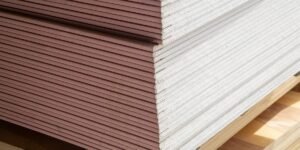
Credit: millennialhomeowner.com
What signs show that drywall has been heat damaged
Fire damage is not always obvious. Sometimes drywall looks only a little discolored, but its strength is already reduced. After heat exposure, watch for these signs:
- Brown, yellow, or black stains
- Blistered or peeling paper facing
- Soft spots when you press the wall
- Cracks that spread from one point
- Powdery edges or crumbling corners
- Strong smoke odor trapped in the board
If drywall has been exposed to flame or heavy smoke, simple cleaning is often not enough. Heat can weaken the core, and smoke can seep deep into the wall surface. In those cases, replacement is usually the safer choice.
A less obvious warning sign: hidden moisture after a fire
Firefighting often uses a lot of water. That can leave drywall wet long after the flames are out. Wet drywall is dangerous in a different way. It can sag, grow mold, or lose more strength as it dries unevenly. So after a fire, do not focus only on burn marks. Check for water damage too.
Safety risks when trying to burn drywall on purpose
Some people ask whether drywall can be burned for disposal or testing. This is a bad idea. Burning drywall can release dust, smoke, and harmful particles. It can also damage nearby structures and create a fire that is much harder to control than expected.
There is another problem: drywall may contain additives, joint compound, paint, or old coatings that are not meant to be burned. If the wall is from an older building, there may be more serious concerns about contaminants. You should never burn construction waste in a backyard fire pit unless local laws clearly allow it, and even then drywall is usually a poor choice.
One practical point many people miss is that drywall debris can also hurt equipment. If gypsum dust gets into a burn area, it can create a mess that is hard to clean and may damage tools, filters, and nearby surfaces.
Common dangers include
- Uncontrolled spread to nearby wood or plastic
- Smoke inhalation from paper, paint, and other wall materials
- Damaged structural framing behind the drywall
- Higher risk of hidden fire inside wall cavities
- Cleanup and disposal problems after the burn
How drywall reacts in a house fire
In a house fire, drywall is part of the barrier that tries to slow the flames. It helps protect escape routes and can delay the spread from one room to another. That delay is very important, but it is limited.
As fire temperature rises, the paper face burns first. Then the gypsum core starts to release chemically bound water. This cooling effect slows fire spread for a short time. After that, the board becomes brittle and starts to break apart. Once it fails, flames and heat can move freely through the opening.
That is why damaged drywall is such a serious issue. A small hole, a cut for wiring, or poor seam sealing can let fire jump into the cavity. In real homes, fire often spreads through hidden spaces before it burns through the visible wall surface.
| Condition | What you may see | What it means |
|---|---|---|
| Light heat exposure | Yellowing, browning, smoke marks | Surface damage may be limited, but check behind the wall |
| Moderate fire exposure | Blistered paper, cracks, weak spots | Board strength is likely reduced |
| Heavy fire exposure | Charring, crumbling, collapse | Replacement is usually needed |
| Fire behind the wall | Little surface damage at first | Hidden danger may be severe |
Can drywall stop fire?
Drywall can help slow fire, but it cannot stop every fire. Its main job is to buy time. In a standard wall assembly, a layer of drywall may slow heat transfer and delay flame spread. That delay can be the difference between a small fire and a major one.
But the fire resistance of a wall depends on the full system. For example, a correctly installed fire-rated wall can perform much better than a basic wall with the same boards but poor sealing. Even small details matter, such as electrical boxes, cutouts, and penetrations for pipes.
Another important point is that insulation inside the wall can change the result. Some insulation products perform better in fire than others. So if you are making safety decisions, do not judge protection by drywall alone.
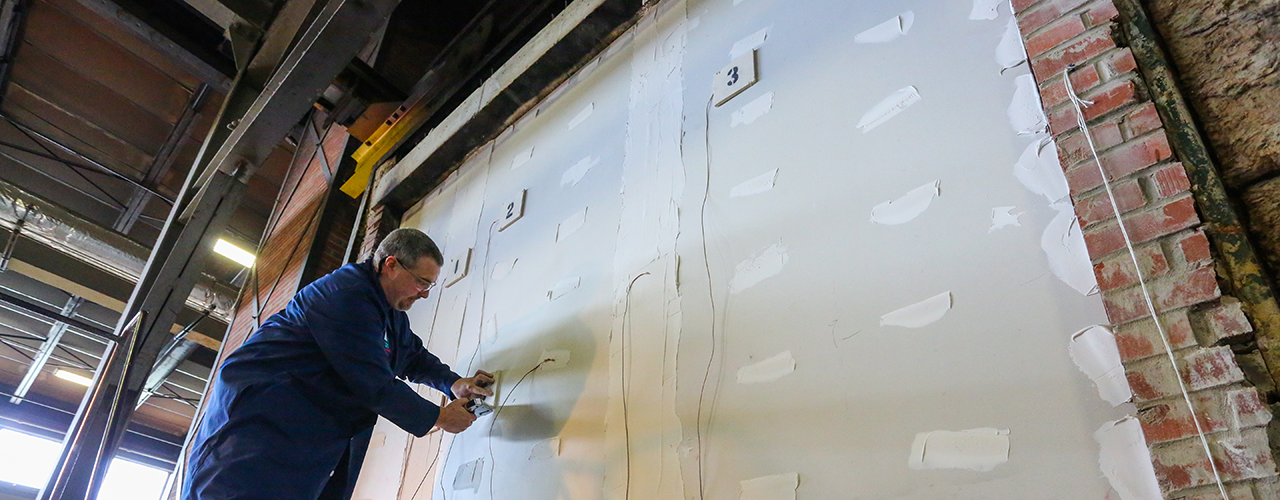
Credit: nationalgypsum.com
When a fire-rated wall makes the biggest difference
Fire-rated drywall is most useful where people need more time to escape, where property boundaries matter, or where garages and living areas connect. It is also common in apartment buildings and shared walls.
If you are unsure whether a wall in your home has fire-rated drywall, check the product markings or ask a licensed contractor. Do not assume all drywall gives the same level of protection.
What to do with fire-damaged drywall
If drywall has been burned, charred, or exposed to heavy smoke, the safest step is usually removal and replacement. Surface cleaning may work only for very minor damage. Once the board has lost strength or absorbed smoke deeply, repair is often not enough.
Before removing damaged drywall, make sure the area is safe. Turn off power to affected circuits if needed, and check for hidden structural damage. If the fire was significant, call a qualified fire restoration professional. They can test the area and tell you whether the wall cavity is safe to open.
If the damage is small and local, you may be able to cut out the affected section and patch it. But if the board is soft, cracked, or smells strongly of smoke, replacing the section is usually smarter than trying to save it.
Why “just painting over it” is a bad idea
Paint does not restore fire strength. It also does not remove smoke odor trapped in drywall. Painting over heat damage may hide the problem for a while, but the underlying material can still fail later. If fire or heat has affected the board deeply, replacement is the right fix.
Fire safety tips around drywall
Drywall is passive protection, not active protection. You still need good fire habits in the home. A few practical steps can reduce risk and improve the way your walls perform in an emergency.
- Keep electrical boxes, outlets, and cable openings sealed properly.
- Do not leave gaps around pipes or vents in fire-sensitive areas.
- Use fire-rated drywall where building codes require it.
- Replace damaged drywall instead of hiding it.
- Keep flammable items away from walls, especially in garages and utility rooms.
One often overlooked detail is wall penetrations. A neat-looking wall can still fail early in a fire if the openings around pipes and cables are not sealed. That small gap can act like a chimney inside the wall.
For broader home fire safety guidance, the National Fire Protection Association is a trusted authority with useful safety resources.
Bottom line: can you burn drywall or not?
So, can you burn drywall? Yes, in the sense that the paper facing can ignite and the board can be damaged by heat and flame. But drywall is not a normal fuel source like wood. Its gypsum core helps slow fire and gives limited protection, which is why it is used in so many buildings.
The key thing to remember is that drywall is a fire-resistant material, not a fireproof one. It can char, crack, crumble, and fail under enough heat. In a real fire, its job is to delay spread, not stop it forever.
If drywall has been exposed to fire, treat it seriously. Check for hidden damage, water damage, and smoke contamination. And if you are thinking about burning drywall on purpose, do not do it. It is unsafe, messy, and often illegal.

Credit: reddit.com
FAQs
1. Can you burn drywall with a match or lighter?
Usually only the paper facing may scorch or burn at first. The gypsum core does not burn like wood, but it can still break down with enough heat. So a match may damage it, but it will not act like a normal flammable material.
2. Is drywall fireproof?
No. Drywall is fire-resistant, not fireproof. It can slow fire for a period of time, especially in fire-rated systems, but it will still fail under enough heat.
3. What happens if drywall gets too hot?
The paper face may blister or burn, then the gypsum core can dry out, crack, and crumble. If the heat is strong enough, the wall loses strength and may need to be replaced.
4. Can you safely burn old drywall in a fire pit?
No, this is not a good idea. Burning drywall can release smoke, dust, and harmful particles, and it may also spread fire to nearby materials. Proper disposal is safer and usually required.
5. Should fire-damaged drywall always be replaced?
Not always for very small surface marks, but if the board is charred, soft, cracked, or smells strongly of smoke, replacement is usually the safer choice. Hidden damage is common after fire exposure.
