
If you have ever held a small bag of fasteners and wondered why some screws bite into wood easily while others need a pre-made hole, you are not alone. The confusion between wood screw vs machine screw is very common, especially for beginners who work on furniture, repairs, or DIY projects.
These two screws may look similar at a glance, but they are built for very different jobs. Using the wrong one can lead to weak joints, damaged materials, or a project that simply does not stay together for long. The good news is that the difference is easy to learn once you know what to look for.
In this guide, you will learn how wood screws and machine screws differ, where each one works best, and how to choose the right fastener for your project. You will also see a few practical details that many beginners miss, such as thread shape, pilot holes, and material thickness.
What Makes These Two Screws Different
The main difference between a wood screw and a machine screw is the material they are meant to grip. A wood screw is designed to cut into wood fibers and hold itself in place. A machine screw is made to go into a threaded hole, nut, or metal insert. It does not create its own threads in plain wood.
This difference affects almost everything about the screw: thread shape, tip style, holding method, and the way it should be installed. If you match the screw to the right material, the joint becomes stronger and easier to build. If you do not, the screw may strip, wobble, or pull out under stress.
One useful way to think about it is this: wood screws grip by biting into soft material, while machine screws grip by matching an already threaded hole. That simple idea explains most of their behavior.
Thread Shape and Tip Design
Wood screws usually have deep, coarse threads. These threads are spaced farther apart so they can hold tightly in wood, which is softer and more fibrous than metal. Many wood screws also have a sharp point, which helps them start without much effort.
Machine screws usually have finer, more even threads. Their tip is often blunt rather than sharp. That is because they are meant to go into threaded metal holes, nuts, or inserts, not to cut a new path through wood grain.
This is one of the easiest ways to tell them apart in your hand. If the screw looks like it is built to “dig in,” it is likely a wood screw. If it looks like it is meant to “match” another thread, it is likely a machine screw.
How They Hold Material
Wood screws hold by compressing and biting into wood fibers. This creates friction and a firm mechanical grip. In many projects, this is enough to hold pieces together without extra hardware.
Machine screws need a matching thread to hold. That matching thread may be inside a metal part, inside a threaded insert, or on a nut. Without that partner, the screw will just spin or fall through the hole.
This is why a machine screw is often used with washers, nuts, or special hardware. It is not meant to work alone in raw wood in the same way a wood screw does.
Where Wood Screws Work Best
Wood screws are the better choice whenever you are fastening one piece of wood to another, or attaching hardware to wood. They are common in furniture building, cabinets, framing, shelving, and general repairs around the house.
They are also useful when you need a fastener that can be installed quickly. Since many wood screws are sharp and coarse-threaded, they can grab fast and hold well with less setup.
Common Uses for Wood Screws
- Assembling wooden furniture
- Mounting hinges, brackets, or hinges to wood
- Installing shelves or wooden trim
- Repairing broken wooden parts
- Building outdoor wood structures, when the screw material is suitable
Wood screws are especially helpful when the connection must resist pull-out force. For example, a shelf bracket mounted to wood needs a screw that can hold strongly in the grain, not one that depends on a nut behind the board.
Why Pilot Holes Matter in Wood
One mistake beginners often make is driving wood screws straight into hard wood without a pilot hole. This can split the wood or make the screw sit crooked. A pilot hole gives the screw a cleaner path and reduces stress on the material.
Another detail many people miss is that the pilot hole should match the screw size and the wood type. Soft woods may need only a small guide hole. Hard woods usually need a more careful pilot hole to prevent cracking. The right hole size can make the difference between a neat joint and a damaged board.
Where Machine Screws Work Best
Machine screws are the better choice when the fastener must go into metal, a threaded insert, or a nut. You will find them in appliances, electronics, machinery, automotive repairs, and metal furniture. They are also common in projects where parts may need to be removed and reinstalled later.
Because their threads are finer and more precise, machine screws are excellent for controlled fastening. They help parts line up well and stay tight under repeated use.
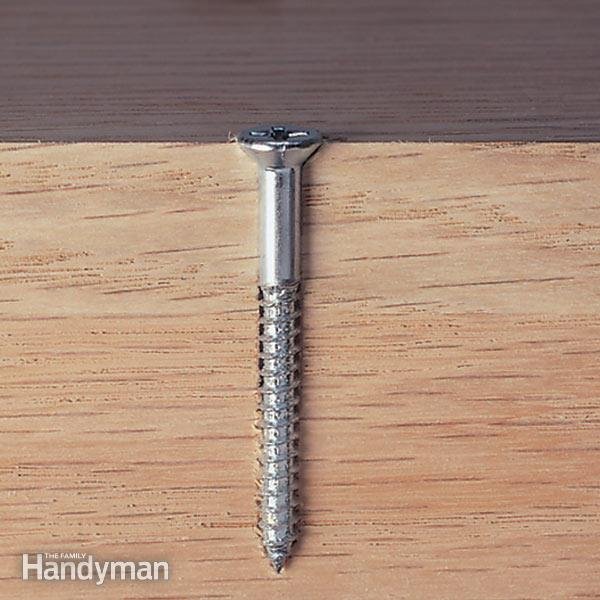
Credit: woodworking.stackexchange.com
Common Uses for Machine Screws
- Fastening metal panels
- Assembling machinery and equipment
- Holding parts in electronics and appliances
- Joining components with nuts or threaded inserts
- Repairs that may need frequent disassembly
Machine screws are especially useful where a clean, repeatable fit is important. For example, in electronics, the parts may need to be opened for service. A machine screw can be removed and reused without damaging the mating thread if installed correctly.
Why They Do Not Belong in Raw Wood
A machine screw can sometimes be forced into wood, but that does not make it the right choice. Since it is not designed to cut deep threads into wood fibers, it often holds poorly unless the wood has a threaded insert or nut behind it.
This is a subtle point that beginners often miss. A screw that “fits” a hole is not always a screw that “works” in that hole. A machine screw may go in, but if it cannot create a strong grip, the joint may fail later.
Wood Screw vs Machine Screw: Side-by-Side Differences
A simple comparison can help you see the main differences at a glance. The table below shows the key points that matter most in real projects.
| Feature | Wood Screw | Machine Screw |
|---|---|---|
| Main material used with | Wood | Metal, threaded inserts, or nuts |
| Thread style | Coarse and deep | Fine and even |
| Tip | Sharp | Usually blunt |
| How it holds | Bites into wood fibers | Matches existing threads |
| Pilot hole needed? | Often yes, especially in hard wood | Usually yes in metal or with inserts |
| Best for | Wood-to-wood or hardware-to-wood joints | Metal assemblies and threaded fittings |
| Typical removal and reuse | Can wear out wood after repeated use | Better for repeated assembly if threads stay intact |
One important insight here is that thread style matters more than many people think. A coarse wood screw may seem “stronger” because it looks more aggressive, but a machine screw can actually be the better choice in the right threaded system. Strength depends on the match between screw and material, not just on appearance.
How to Choose the Right Screw for Your Project
Choosing between a wood screw and a machine screw becomes much easier when you ask a few simple questions. What material are you fastening? Will the screw go into raw wood, or into a threaded hole? Will the joint need to come apart later?
The best screw is the one that fits the job, not the one that happens to be in your toolbox. A little planning can save a lot of frustration.
Start With the Base Material
If the screw is going directly into wood, choose a wood screw. If it is going into metal or a threaded insert, choose a machine screw. This is the first and most important filter.
If you are attaching hardware to wood, like a hinge or bracket, wood screws are usually the answer. If you are fastening two metal parts together, machine screws are usually the answer.
Think About Load and Movement
Not all fasteners face the same type of stress. Some joints mainly hold weight. Others deal with vibration, repeated opening, or side pressure. The wrong screw may loosen over time even if it feels tight at first.
For example, a decorative wooden panel may not need a high-strength connection, but a chair joint or cabinet hinge may need a screw that resists repeated movement. In those cases, screw size and material matter as much as screw type.
Check Whether You Need to Remove It Later
If you expect to take the joint apart in the future, machine screws often give better service. They work well with nuts and threaded inserts, which are designed for repeated assembly.
Wood screws can be removed too, but repeated removal can weaken the wood fibers around the hole. After several uses, the hole may become loose. This is a small detail, but it is one of the main reasons machine screws are preferred in serviceable equipment.
Match the Screw Head to the Job
Head style is another part of the choice. Flat heads sit flush in countersunk holes. Round heads and pan heads stay above the surface and are common in many assemblies. The head style should suit both the look and the function of the project.
For example, if a screw head will rub against another part, the wrong head style can cause wear or prevent proper movement. This is a detail beginners often overlook when focusing only on screw type.
Common Mistakes People Make
Many screw problems come from simple mix-ups, not from bad tools. If you avoid a few common mistakes, your project will usually go much better.
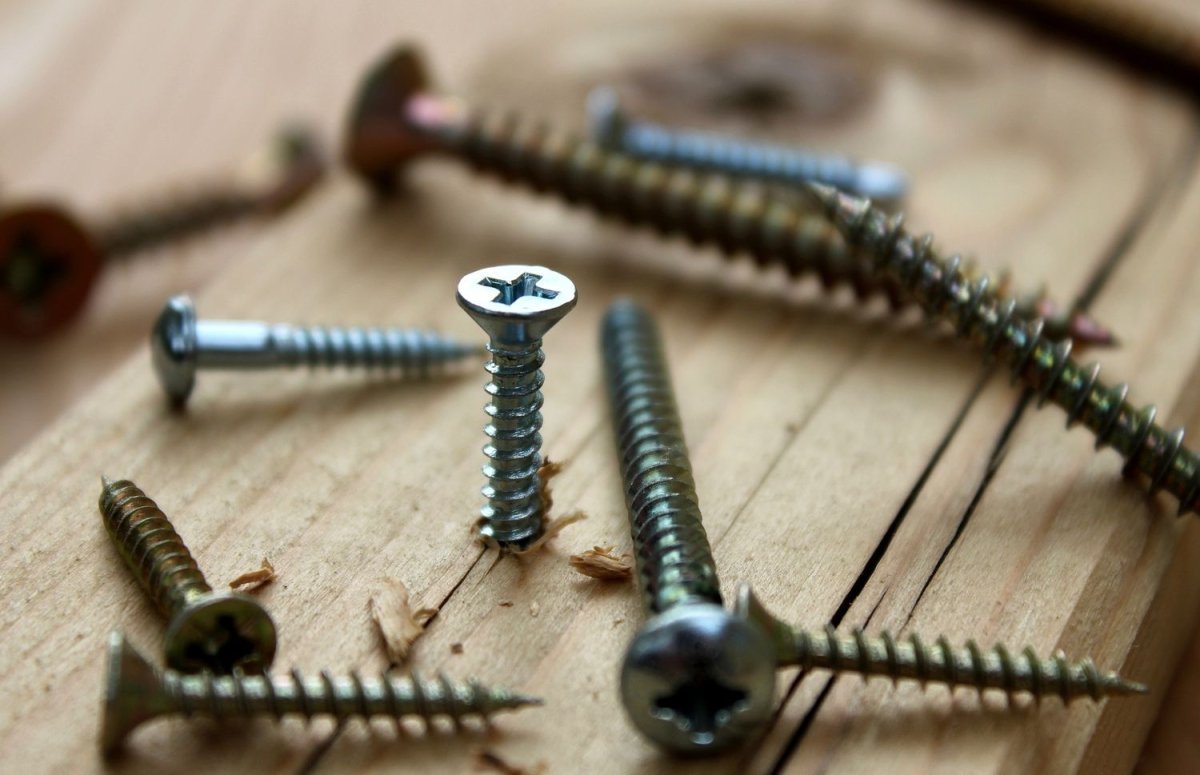
Credit: homediyer.com
Using a Wood Screw in Metal
Wood screws are not made for metal threads. If you force one into metal, the threads may strip or the screw may not seat properly. In some cases, the fastener can damage the part and make later repair harder.
Using a Machine Screw in Bare Wood
This mistake is also common. A machine screw may seem to work at first, but it often has weak holding power in raw wood. Without a threaded insert or nut, the connection may fail when pulled or vibrated.
Ignoring Hole Size
Hole size matters for both screw types. Too small, and the screw may split the material or bind. Too large, and the screw may not grip well. The proper hole size helps the fastener do its job cleanly.
Choosing by Length Alone
Many beginners focus only on screw length. Length is important, but not enough. Thread type, head style, material, and intended use all matter. A long screw with the wrong thread can still fail.
This is another non-obvious insight: a longer screw does not always mean a stronger joint. If the threads are wrong for the material, extra length may only create more damage, not more grip.
Material, Coating, and Corrosion Resistance
The screw material matters almost as much as the type. Steel, stainless steel, brass, and coated screws each behave differently. The right choice depends on indoor use, outdoor use, moisture, and appearance.
For outdoor wood projects, corrosion resistance is important. A screw that rusts can weaken the joint and stain the wood. For many indoor jobs, regular steel may be enough. For damp areas, stainless steel or coated fasteners are often better.
If you want a good general reference on fastener standards and basics, the Engineering ToolBox fastener overview is a useful starting point.
Wood Movement Also Matters
Wood expands and shrinks with changes in humidity. This means a screw joint in wood should not be treated like a metal joint. In some builds, you want the screw to hold firmly but still allow a little movement without splitting the wood.
That is why proper pilot holes and correct screw placement are important. Screws placed too close to the edge can cause cracking over time, especially in dry or dense wood.
Which Screw Is Stronger
This is a common question, but the answer is not as simple as many people expect. Neither screw is “stronger” in every situation. Each one is strong in the material it is designed for.
A wood screw can be very strong in wood because it is made to grip wood fibers directly. A machine screw can be very strong in metal or a threaded insert because it locks into a matching thread. The stronger choice is the one that matches the material and load.
If you want maximum holding power in wood, use a proper wood screw, the correct length, and the right pilot hole. If you want repeated assembly in metal or with inserts, use a machine screw. Strength comes from fit, not just from size.
Quick Decision Guide
If you want a fast way to choose, use this simple logic:
- If the screw goes into raw wood, choose a wood screw.
- If the screw goes into a nut, insert, or threaded hole, choose a machine screw.
- If the joint may need to be removed often, machine screws are often better.
- If the screw must bite directly into the material, wood screws are usually the right pick.
- If you are unsure, check whether the hole already has threads. If it does, it is likely a machine screw job.
This short test solves most everyday cases. It is much better to spend 30 seconds checking the material than to spend an hour fixing stripped threads or split wood.
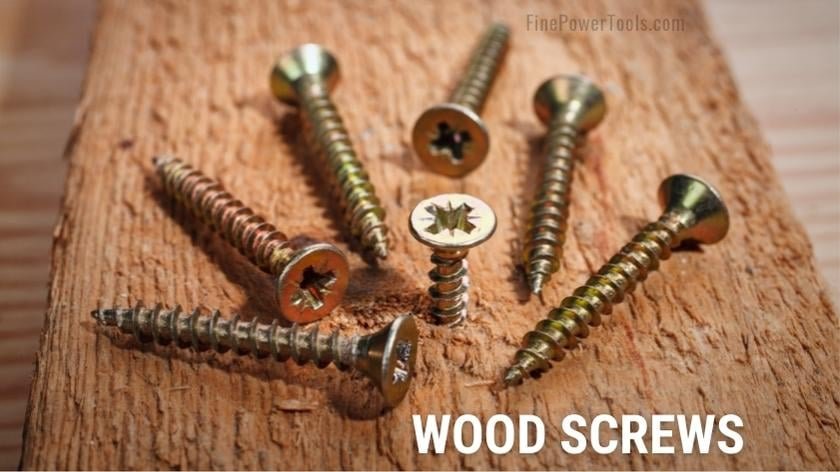
Credit: finepowertools.com
Final Thoughts
The wood screw vs machine screw choice is not about which fastener is better overall. It is about which one fits the material, the load, and the way the joint will be used. Wood screws are made for wood and grip by cutting into fibers. Machine screws are made for threaded holes, nuts, and inserts.
Once you understand that difference, choosing becomes much easier. You can avoid weak joints, damaged parts, and wasted effort. In many projects, the right screw is a small decision that makes a big difference in how long the finished work lasts.
When in doubt, remember the basic rule: wood screws bite into wood, machine screws match a thread. That one idea will save you from many common mistakes.
FAQs
1. Can I use a wood screw instead of a machine screw?
Usually no, not if the screw must go into metal, a nut, or a threaded insert. A wood screw is made to grip wood fibers, not match an existing thread. Using it in the wrong place can cause poor holding or damage the part.
2. Can I use a machine screw in wood?
Only if the wood has a threaded insert or a nut on the other side. In raw wood, a machine screw usually does not hold well because it is not designed to cut strong threads into wood fibers.
3. How do I tell a wood screw from a machine screw?
Look at the threads and the tip. Wood screws usually have coarse threads and a sharp point. Machine screws usually have finer threads and a blunt tip. The intended material is the biggest clue.
4. Do wood screws need pilot holes?
Often yes, especially in hard wood or near the edge of a board. Pilot holes help prevent splitting and make the screw go in more smoothly. In soft wood, the need may be smaller, but a pilot hole can still improve the result.
5. Which screw is better for furniture repair?
It depends on the repair. If you are joining wood parts, a wood screw is usually best. If the furniture uses threaded inserts or metal hardware, a machine screw may be the correct choice. Check the original fastener type before replacing it.
