
When you choose the wrong screw, the job can go wrong fast. The wood may split. The drywall may crumble. The joint may feel weak even if it looks fine at first. That is why knowing the difference between a wood screw vs drywall screw matters more than many DIY beginners think.
At a glance, both screws may look similar. They are small, sharp, and easy to buy in any hardware store. But they are built for very different jobs. One is made to hold wood parts tightly together. The other is made to fasten drywall to framing, not to carry heavy loads. If you use them the wrong way, you can waste time, damage materials, and create a weak result.
In this guide, you will learn how each screw is built, where each one works best, and which one to choose for common projects. You will also see a few mistakes beginners often miss, so you can avoid them before you start.
Why these two screws are not interchangeable
The biggest mistake people make is assuming all screws work the same way. They do not. A wood screw and a drywall screw may both drive into material, but they are designed with different shapes, coatings, and holding styles.
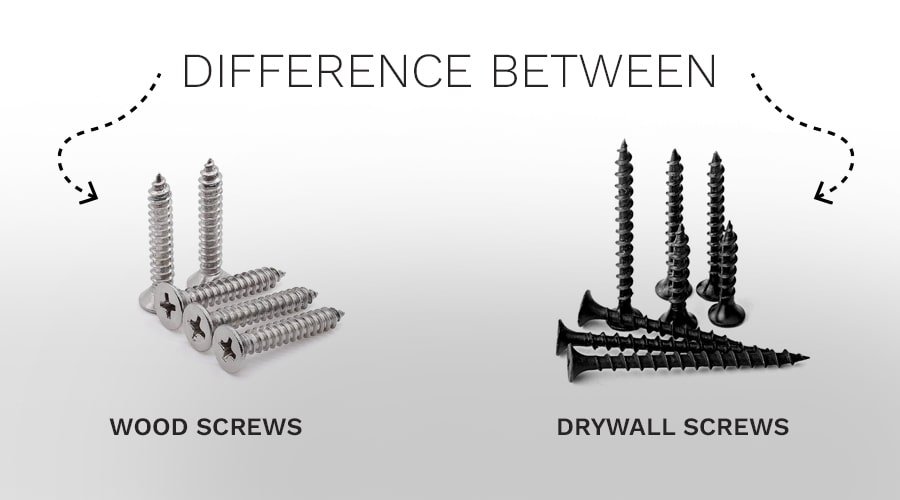
Wood screws are made for strength, grip, and long-term hold in wood. They often have a thicker body, a stronger head, and a design that helps them pull two pieces of wood tightly together.
Drywall screws are made for speed and clean installation in drywall and framing. They usually have a thin body, sharp point, and bugle head that sits neatly in the drywall paper without tearing it too much.
That design difference is important. A screw that works well in drywall may snap or strip in wood. A screw made for wood may be too aggressive or too bulky for drywall and can damage the surface.
How a wood screw is built
A wood screw is made to bite into wood fibers and hold them under pressure. It is usually stronger than a drywall screw and better suited for furniture, cabinets, trim, and many general carpentry jobs.
Main features of a wood screw
- Thicker shank: Helps the screw hold more weight and resist bending.
- Deeper threads: Grip wood fibers firmly and improve pull-out resistance.
- Sharp point: Helps start the screw in wood more easily.
- Stronger head: Designed to handle higher torque during installation.
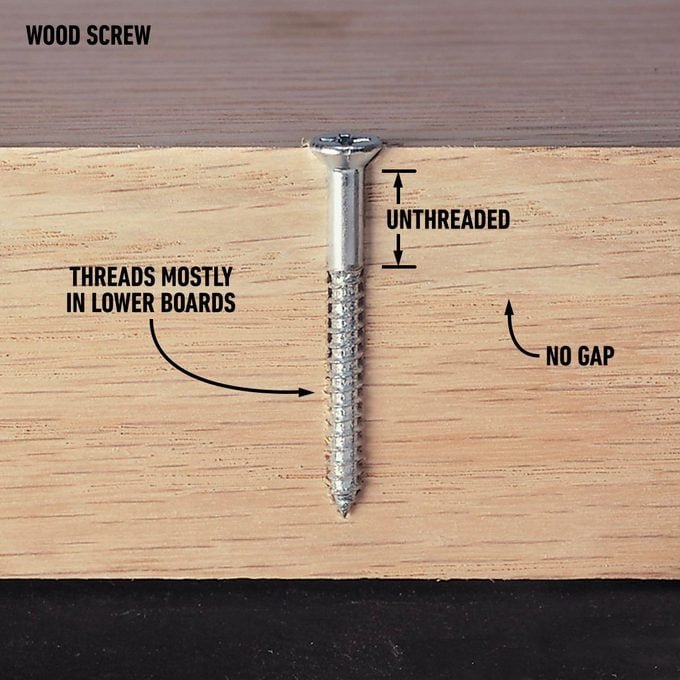
- Often partially threaded: Some wood screws pull two pieces of wood together more tightly.
One detail many beginners miss is that some wood screws are designed to create clamping force between two boards. The smooth section under the head can help one board pull against the other. This is useful in joinery, where a tight connection matters more than speed.
Best uses for wood screws
Wood screws are the better choice when the final joint must stay strong for years. Common uses include:
- Furniture assembly
- Cabinet building
- Wood framing
- Trim and molding installation
- Outdoor wood projects, when the coating matches the environment
- Repairs that need a firm structural hold
If you are fastening solid wood to another piece of wood, a wood screw is usually the safer and stronger option.
How a drywall screw is built
Drywall screws are made for fast installation into drywall sheets and wood or metal studs. They are not designed as general-purpose structural screws. Their shape is focused on speed, not maximum strength.
Main features of a drywall screw
- Thin shank: Makes driving easier and faster, especially in drywall.
- Sharp point: Helps the screw start quickly without pre-drilling in many cases.
- Bugle head: Sits below the drywall surface without tearing the paper too much.
- Deep, coarse threads or fine threads: Coarse threads are common for wood studs; fine threads are often used for metal studs.
- Brittle metal: Many drywall screws are harder and more likely to snap under strong side stress.
Here is a non-obvious point beginners often miss: drywall screws are made to hold drywall sheets, not heavy hanging loads by themselves. The screw may hold the drywall in place very well, but the drywall itself is weak compared with wood. If you hang a heavy shelf only on drywall screws and drywall, the weak point is usually the wall material, not just the screw.
Best uses for drywall screws
Drywall screws are best for:
- Installing drywall sheets to studs
- Fastening drywall to wood framing
- Fastening drywall to metal framing with the correct screw type
- Some light indoor projects where the load is very small
For almost any project outside drywall installation, you should pause and ask if another screw type would be better.
Wood screw vs drywall screw: the key differences
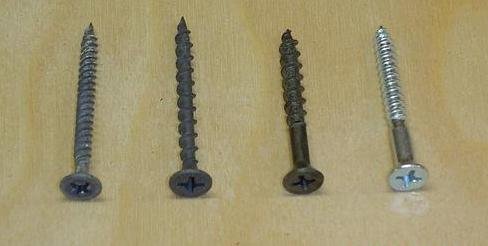
The easiest way to compare them is by looking at what each screw is built to do. The following table shows the main differences in a simple way.
| Feature | Wood screw | Drywall screw |
|---|---|---|
| Primary purpose | Join wood pieces securely | Attach drywall to framing |
| Shank thickness | Usually thicker | Usually thinner |
| Strength | Higher overall strength for wood work | Lower strength under heavy stress |
| Head shape | Flat, oval, or washer-style depending on type | Bugle head |
| Thread style | Designed for strong wood grip | Coarse or fine depending on stud type |
| Best material | Wood | Drywall and framing |
| Risk if used wrong | Can split thin material if oversized | Can snap, strip, or fail under load |
The wood screw vs drywall screw decision becomes much easier when you focus on the job, not the appearance. If the job needs structural grip in wood, use wood screws. If the job is drywall installation, use drywall screws.
Credit: woodbin.com
Thread shape and what it changes
Threads are one of the most important differences, even if they are easy to overlook. Threads are what allow the screw to bite into the material and stay in place.
Wood screw threads
Wood screws often have threads designed to grab wood fibers deeply. Many have a smoother upper section and threaded lower section. This helps pull two pieces together tightly and reduces stress near the head.
This design matters when you are building furniture or joining boards. The screw does not just sit in the hole. It helps clamp the pieces together.
Drywall screw threads
Drywall screws usually have coarse threads for wood studs or fine threads for metal studs. Coarse threads work better in wood because they grip quickly. Fine threads are better for metal because they cut and hold differently.
A beginner mistake is using a fine-thread drywall screw in wood framing when a coarse-thread screw is needed. It may still go in, but the grip can be weaker than expected.
Head design and why it matters
The head is not just the part you drive with a screwdriver or drill. It affects how the screw sits in the surface and how much pressure it can handle.
Wood screw head
Wood screws come in different head types depending on the job. Flat heads can sit flush. Oval heads can leave a neat finish. Washer heads spread pressure better on some projects.
For visible work, head style matters because it affects appearance and surface finish. For hidden joints, strength and fit matter more.
Drywall screw head
Drywall screws usually have a bugle head. This shape helps the screw sink into the drywall paper without tearing it too much. The goal is to create a slight dimple that can be covered with joint compound.
If a drywall screw is driven too deep, it can break the paper and weaken the hold. If it is not driven deep enough, it can stick out and make finishing harder.
Strength, holding power, and common load mistakes
One of the most important facts in the wood screw vs drywall screw debate is this: drywall screws are not built for the same strength demands as wood screws.
A wood screw usually offers better holding power in wood joints. It is a better option when the screw must resist pull-out force, vibration, or long-term stress.
Drywall screws can hold drywall to framing very well, but they are more brittle. They may break if you use them in a project where the screw needs to handle side load, impact, or weight that keeps shifting over time.
Here is the second non-obvious insight many beginners miss: the strongest screw is not always the best screw. In drywall, a super-strong screw can actually be a bad choice if its head tears the paper or if its shape does not seat correctly. The right screw is the one designed for the material, not just the one that feels toughest.
When to use a wood screw
Use a wood screw when the main material is wood and the joint must stay strong. That includes many indoor and outdoor woodworking jobs.
Credit: familyhandyman.com
Good examples
- Building a bookshelf from plywood and solid wood
- Repairing a loose table leg
- Attaching braces to a wooden frame
- Fastening hardware to wood
- Joining two boards in a cabinet frame
If the wood is soft or thin, you may still need to pre-drill a pilot hole. That small step can prevent splitting and help the screw enter straight.
When to use a drywall screw
Use a drywall screw when attaching drywall sheets to wood or metal framing. That is what it was made for.
Good examples
- Hanging drywall on a new wall
- Repairing a section of damaged drywall
- Fastening drywall to wall studs
- Installing drywall on ceilings
For drywall work, spacing, depth, and consistency matter a lot. A good drywall screw should sit just below the paper surface without tearing it.
If you want a reliable technical reference on drywall screw use and wall system basics, the Gypsum Association is a useful authority to explore.
Can you use a drywall screw in wood?
Sometimes people do this when they are in a hurry, but it is usually not the best choice. A drywall screw may hold a light wood piece for a short time, but it is not a proper replacement for a wood screw in most cases.
Why? Because drywall screws are often more brittle and have a thinner body. If the wood joint faces stress, movement, or vibration, the screw may fail sooner than expected.
For a very light indoor fix, a drywall screw may work in a pinch. But for real woodworking, it is better to use the correct screw from the start.
Can you use a wood screw in drywall?
Yes, but usually it is not ideal. A wood screw may be too bulky or too aggressive for drywall. It can damage the paper, create a messy finish, or make the hole too large.
Also, drywall is weak compared with wood. Using a stronger screw does not automatically make the wall stronger. In many cases, the drywall itself will fail before the screw reaches its limit.
So if the job is drywall installation, stick with drywall screws. That is the cleaner and safer choice.
How to choose the right screw for the job
If you are unsure, ask three simple questions before you buy:
- What material am I fastening? Wood, drywall, or metal?
- How much load will the screw carry? Light hold or real structural stress?
- Do I need a clean finished surface? Visible, hidden, or covered later?
These three questions solve most screw confusion.
Simple rule of thumb
- If the job is wood to wood, choose a wood screw.
- If the job is drywall to studs, choose a drywall screw.
- If the job is heavy-duty or structural, check whether you need a different fastener entirely.
Common mistakes people make
Many screw problems come from simple selection errors, not bad tools. Avoid these common mistakes.
1. Using drywall screws for furniture
This is one of the biggest mistakes. Furniture needs more reliable strength and better resistance to stress. Drywall screws are not built for that kind of work.
2. Forcing a screw without the right pilot hole
Wood can split if the screw is too large or the wood is too dry. A pilot hole helps guide the screw and reduce damage.
3. Driving drywall screws too deep
When the head breaks through the drywall paper, the sheet loses holding power at that point. That can lead to a weak spot and finishing problems.
4. Using the wrong thread type
Fine-thread drywall screws are better for metal studs. Coarse-thread drywall screws are usually better for wood studs. Mixing them up can reduce grip.
5. Ignoring coating and environment
Indoor and outdoor jobs are not the same. Moisture can cause rust if you use the wrong coated screw. In outdoor or damp areas, the coating matters more than many people realize.
Best applications at a glance
Here is a quick way to think about the wood screw vs drywall screw decision in real life.
- Wood screw: Best for strong wood joints, furniture, cabinets, trim, and general carpentry.
- Drywall screw: Best for attaching drywall sheets to wood or metal framing.
- Neither may be ideal: For heavy structural work, outdoor framing, masonry, or metal fabrication, you may need a specialty fastener.
This is another useful insight: the right screw is not just about material type. It is also about the kind of stress the joint will face. A shelf bracket, a cabinet hinge, and a drywall panel all need very different fastening behavior.
Credit: lpscrew.com
Practical buying tips
When you shop for screws, do not only look at length. Length matters, but it is only one part of the decision.
- Check the material you are fastening.
- Choose the right thread type.
- Match the head style to the finish you want.
- Use a coating suited to the room or outdoor setting.
- Buy the correct drive type so your bit fits well and does not slip.
Also, do not buy screws that are much longer than needed. A longer screw is not always better. It can split wood, pass through a hidden side, or create a messy result.
Final takeaway
The difference between a wood screw and a drywall screw is bigger than the name suggests. Wood screws are built for stronger grip in wood and are the better choice for furniture, framing, and joinery. Drywall screws are built for fast, clean drywall installation and should be used mainly for that purpose.
If you remember one thing, remember this: match the screw to the material and the load. That one habit will save you from most beginner mistakes and help your projects last longer.
FAQs
1. What is the main difference between a wood screw and a drywall screw?
A wood screw is made for strong fastening in wood, while a drywall screw is made for attaching drywall to framing. Wood screws are usually stronger and better for load-bearing joints.
2. Can I use drywall screws for wood projects?
You can use them for very light temporary fixes, but it is not recommended for furniture, framing, or any joint that needs long-term strength. Wood screws are a better choice.
3. Can I use wood screws for drywall installation?
It is possible in some cases, but it is not ideal. Wood screws may damage the drywall paper or not sit correctly. Drywall screws are the proper choice for drywall sheets.
4. Which screw is stronger?
In general, wood screws are stronger for wood applications. Drywall screws are more specialized and are not designed for heavy structural stress.
5. Do I need pilot holes for wood screws?
Often yes, especially in hardwood or thin wood pieces. Pilot holes help prevent splitting and make driving the screw easier and cleaner.
