
If you are planning to attach heavy wood parts, build a deck, or mount something that must stay firm for years, you may have heard the term what are lag screws. They look simple, but they are one of the most trusted fasteners for strong wood connections.
Lag screws are not the same as regular wood screws. They are larger, stronger, and made for jobs where grip matters more than speed. When used the right way, they can hold serious weight and give a very solid connection.
In this guide, you will learn what lag screws are, how they work, where to use them, how to choose the right size, and how to install them correctly. You will also learn common mistakes, so you do not damage the wood or weaken the joint.
How Lag Screws Work in Real Projects
Lag screws are heavy-duty fasteners with a thick body and a hex head. They are designed to bite deeply into wood and create a strong hold. People often use them when they need more strength than a standard screw can give.
The name can be confusing because many people call them lag bolts. In daily use, both terms are often used for the same fastener. Technically, a lag screw is driven into wood, while a bolt usually needs a nut on the other side. Still, in most hardware stores, you will hear both names used for the same type of screw.
These screws are popular because they hold well in structural wood connections. They are often used with a washer to spread the load and prevent the head from sinking into the surface.
One important point beginners often miss is this: a lag screw does not work well if you just force it into wood without a pilot hole. The pilot hole helps reduce splitting and makes installation much easier. Another thing people miss is that the strength of the connection depends not only on the screw itself, but also on the wood type, depth, and spacing from edges.
What makes lag screws different
- Thicker body: They are built for stronger holding power.
- Hex head: They are usually driven with a wrench or socket, not a Phillips screwdriver.
- Deep threads: The threads grip wood firmly.
- Heavy-duty use: They are made for structural or high-load applications.
Common Uses for Lag Screws
Lag screws are used anywhere a strong wood-to-wood or wood-to-metal connection is needed. They are a favorite in construction and outdoor projects because they handle weight well.
1. Deck building
Decks often rely on lag screws to fasten ledger boards and framing parts. This is one of the most common uses. Since decks carry people and furniture, a secure fastener is essential.
2. Attaching heavy brackets
If you are installing shelf brackets, wall mounts, or support arms, lag screws can help keep them stable. This is especially important for items that carry constant weight.
3. Framing and timber work
In wood framing, lag screws can join large structural pieces. They are often chosen when the connection needs more strength than a normal screw can provide.
4. Mounting equipment
People use lag screws to attach hardware, machines, and outdoor equipment to wooden surfaces. They are useful when vibration or movement could loosen weaker fasteners.
5. Outdoor projects
Fences, pergolas, benches, and garden structures often use lag screws. In outdoor spaces, the combination of strength and corrosion resistance matters a lot.
If you want a good technical reference on fastener grades and wood fastening basics, the Simpson Strong-Tie site is useful for structural hardware guidance.
Lag Screw Sizes and What They Mean
Choosing the right size is one of the most important parts of the job. A lag screw that is too small may fail under load. A screw that is too large may split the wood or be hard to install.
Lag screws are usually described by diameter and length. For example, a 3/8 inch by 4 inch lag screw has a 3/8 inch diameter and a 4 inch length.
The diameter affects strength. The length affects how deep the screw can bite into the material. For best results, the screw should go deep enough into the base wood to hold firmly, but not so deep that it weakens the piece.
Here is a simple guide to common lag screw sizes:
| Diameter | Common Lengths | Typical Use |
|---|---|---|
| 1/4 inch | 1 1/2 to 4 inches | Light wood fastening, small brackets |
| 5/16 inch | 2 to 6 inches | Medium-duty wood joints |
| 3/8 inch | 2 1/2 to 8 inches | Deck parts, framing, heavier mounts |
| 1/2 inch | 3 to 10 inches | Heavy structural connections |
| 5/8 inch | 4 to 12 inches | Very heavy-duty timber work |
These sizes are common, but the right choice depends on your project. Bigger is not always better. The surrounding wood must be strong enough to support the screw without cracking.
How to choose the right size
- Match the load: Heavier items need thicker screws.
- Check wood thickness: The screw must not go too close to the other side.
- Leave edge space: Screws placed too near the edge can split the wood.
- Use enough embedment: The screw needs enough depth in the base material to hold well.
A useful rule is to make sure most of the screw length is anchored in the main support piece, not just the board being attached. That is where the holding power comes from.
Materials and Coatings That Matter
Not all lag screws are the same. The metal and coating can change how long they last, especially outdoors or in damp places.
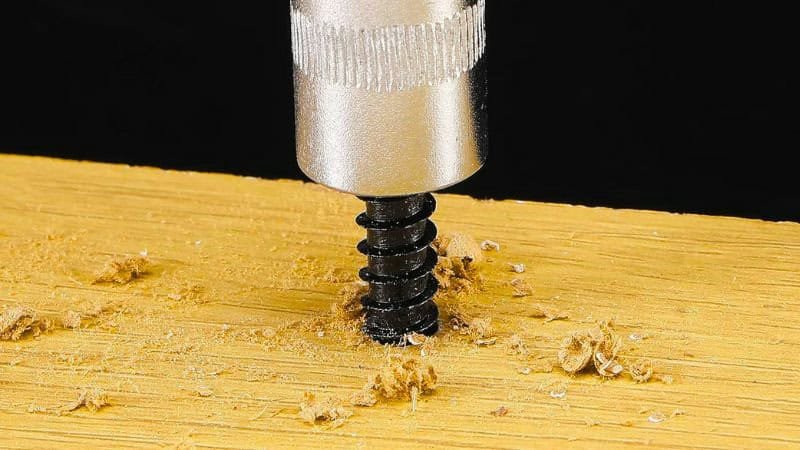
Credit: oukailuo.com
Common materials
- Steel: Strong and common for general use.
- Stainless steel: Better for moisture, weather, and corrosion resistance.
- Zinc-coated steel: Good for many indoor or lightly exposed jobs.
For outdoor work, stainless steel or hot-dipped galvanized lag screws are often a better choice. They resist rust better than plain steel. This matters because rust can weaken the fastener over time and stain the wood.
Another detail beginners sometimes overlook is compatibility. If you are using treated lumber, you should choose fasteners approved for that material. Some treated wood can speed up corrosion if the wrong coating is used.
Tools You Need Before Installation
Installing lag screws is not hard, but the right tools make the job cleaner and safer.
- Drill: For making pilot holes.
- Drill bits: Sized correctly for the lag screw.
- Socket wrench or ratchet: For driving the screw.
- Washer: Helps spread the pressure under the head.
- Measuring tape: For correct placement.
- Clamp: Useful for keeping parts in position.
- Level: Helpful for accurate alignment.
You do not need fancy tools, but you do need the right size bit and a driver that fits the hex head well. A poor fit can damage the head and make tightening difficult.
How to Install Lag Screws the Right Way
Good installation is just as important as good size choice. Even a strong lag screw can fail if it is installed badly.
Step 1: Mark the position
Measure carefully and mark the exact points where the screws will go. If you are using more than one screw, make sure the spacing is even. Do not place them too close to edges or corners.
Step 2: Drill a pilot hole
This step is essential. Drill a pilot hole into the wood before driving the screw. The pilot hole should be slightly smaller than the screw’s body diameter. This helps the screw cut into the wood without causing cracks.
For harder woods, the hole may need to be slightly larger than it would be in softwood. That is because hard wood resists the screw more. If you are unsure, follow the screw maker’s size chart.
Step 3: Drill a clearance hole in the attached piece if needed
When fastening two pieces of wood together, the top piece often needs a clearance hole. This lets the screw pass through that piece without binding. The lower piece is the one that should grip the threads.
Step 4: Place the washer
Put a washer under the screw head if the project calls for one. This helps reduce surface damage and spreads the force more evenly.
Step 5: Drive the screw slowly
Use a socket wrench, ratchet, or drill with the right attachment. Drive the screw slowly and steadily. Stop when the head is snug. Do not over-tighten, because that can strip the hole or crush the wood fibers.
Step 6: Check the connection
After the screw is installed, check for movement. The joint should feel firm. If the screw turns too easily, the hole may be too large or the wood may be damaged.
Simple installation tips
- Use sharp drill bits.
- Keep the screw straight as you drive it.
- Do not force a lag screw into wood without a pilot hole.
- For very hard wood, apply steady pressure and go slowly.
Common Mistakes to Avoid
Many lag screw problems come from small mistakes, not from the screw itself. If you avoid these errors, your connection will be much stronger and safer.
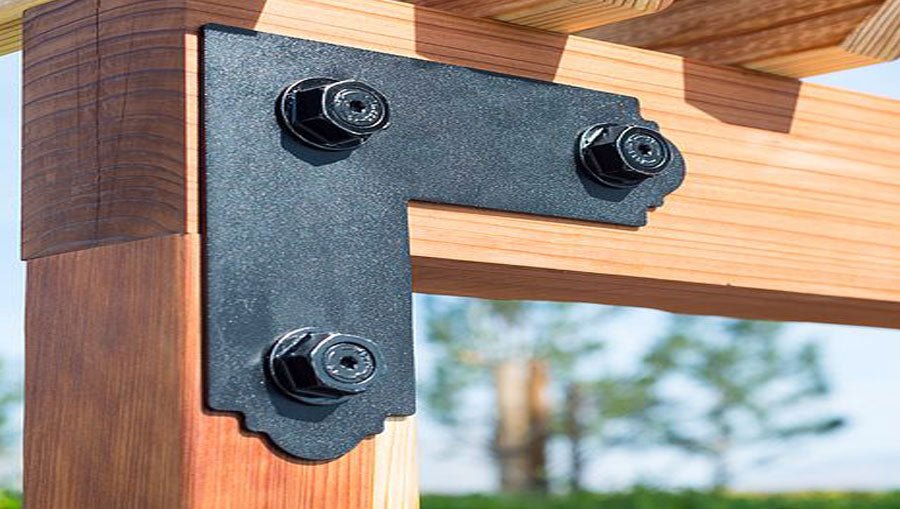
Credit: factorydirectsupplyonline.com
Using the wrong pilot hole size
If the pilot hole is too small, the wood can split or the screw may bind. If it is too large, the screw will not hold firmly. This is one of the most common errors.
Driving too close to the edge
Wood near the edge is weaker. A screw placed too close can create cracks. This is especially risky in dry wood or hardwood.
Over-tightening
Some people think tighter is always better. It is not. Over-tightening can strip the threads in the wood, bend the screw, or crush the material.
Using the wrong fastener for outdoor use
Plain steel fasteners can rust outside. Rust reduces life and can damage the project. Always match the screw material to the environment.
Ignoring load direction
Lag screws work best when the load is understood. A screw holding straight-down weight behaves differently from one resisting pull or side force. The connection should be planned for the actual stress.
Lag Screws vs Wood Screws vs Bolts
People often confuse lag screws with other fasteners. The differences matter, because the wrong choice can weaken the project.
| Fastener | Best For | Main Difference |
|---|---|---|
| Lag screw | Heavy wood fastening | Thick, hex head, deep grip in wood |
| Wood screw | Light to medium wood jobs | Usually smaller and easier to drive |
| Bolt | Through-fastening with nut | Needs access on both sides |
Lag screws sit in the middle of convenience and strength. They are stronger than standard wood screws in many heavy applications, but they do not need the full through-bolt setup with a nut.
That makes them very useful when one side of the joint is hidden or hard to reach.
How to Know If a Lag Screw Is Right for Your Project
Lag screws are a good choice when you need a strong hold in wood and want a fastener that is simpler than a bolt. They are especially helpful when the connection must carry weight for a long time.
They may not be the best choice if the wood is very thin, if the material is soft and fragile, or if the connection needs to be taken apart often. In those cases, another type of fastener may work better.
As a practical rule, use lag screws when:
- You need strong support in wood.
- You cannot use a bolt with a nut.
- The project must handle meaningful load.
- You want a long-lasting mechanical connection.
They are less ideal when:
- The wood is too thin to grip well.
- The area is too close to an edge.
- You need frequent removal and reinstallation.
- The material is not suitable for a threaded wood fastener.
Safety and Performance Tips That Save Time Later
Two details often separate a good result from a bad one: spacing and moisture. If you place screws too close together, the wood between them can weaken. If you install the fasteners in wet wood and the wood later dries, the joint can loosen.
Also, do not assume one large screw is always better than two smaller ones. In many cases, two correctly placed lag screws spread the load more safely than one oversized screw. This is a small but important point that beginners often miss.
If the project is structural, always follow local building rules or ask a qualified professional. Some jobs, like ledger board attachment, have special requirements for fastener size, spacing, and material type.
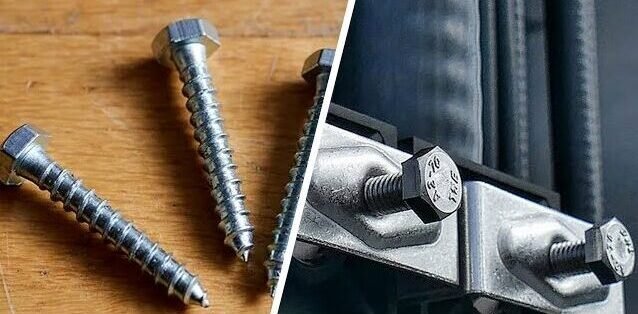
Credit: engineeringexpress.com
Final Thoughts on Choosing and Using Lag Screws
Lag screws are simple on the outside, but very useful in real construction and woodworking. They offer strong holding power, especially in wood projects where you need a reliable connection without using a bolt and nut.
If you remember only a few things, remember these: pick the right size, drill the right pilot hole, use the right material for the environment, and avoid over-tightening. Those steps do more for performance than most people expect.
So, if you have been wondering what are lag screws, the answer is straightforward: they are heavy-duty wood fasteners made for strength, stability, and long service life when installed correctly.
FAQs
1. What are lag screws used for?
Lag screws are used for strong wood connections. They are common in decks, framing, heavy brackets, furniture support, and outdoor structures.
2. Do lag screws need a pilot hole?
Yes, they usually do. A pilot hole helps prevent wood splitting and makes the screw easier to drive. It also improves the quality of the connection.
3. Are lag screws stronger than wood screws?
In most heavy-duty wood applications, yes. Lag screws are thicker and designed for stronger grip. Standard wood screws are better for lighter jobs.
4. What is the difference between a lag screw and a lag bolt?
In practice, the terms are often used the same way. Technically, a lag screw goes into wood, while a bolt usually works with a nut on the other side.
5. Can lag screws be used outdoors?
Yes, but choose the right material. Stainless steel or galvanized lag screws are better for outdoor use because they resist rust and corrosion.
