
When people talk about different types of screwdrivers, they often think there are only a few common tools in a box. In reality, screwdrivers come in many shapes, sizes, and tip styles, and each one is made for a specific job. Using the wrong one can strip a screw, damage the tool, or make a simple task much harder than it should be.
If you are fixing furniture, opening a battery cover, building a cabinet, or working on electronics, the right screwdriver matters. Some tips grip better. Some fit deep screws. Some are made for safety. Others are designed to protect delicate parts. Knowing the main shapes and uses helps you work faster and avoid mistakes.
This guide explains the most useful different types of screwdrivers, how they work, when to use them, and what to look for before buying one. You will also learn a few details many beginners miss, like why tip quality is often more important than handle style and why one “general-purpose” screwdriver is not always enough.
What makes one screwdriver different from another
At first glance, most screwdrivers look similar. They all have a handle, a shaft, and a tip. But small changes in the tip shape, shaft length, and grip can completely change how the tool performs. The main job of a screwdriver is to transfer turning force from your hand to the screw head without slipping.
The most important difference is the tip type. A flat tip fits a slot-shaped screw. A Phillips tip fits a cross-shaped screw. A Torx tip fits a star-shaped screw. Each one is designed to match the screw head closely. That close fit gives better control and reduces wear.
Another difference is the size. A screwdriver that is too small can wobble in the screw. A tool that is too large may not fit at all. Even when the tip shape is correct, the size must also match. This is one reason why many tool sets include several sizes of the same type.
Non-obvious insight: A cheap screwdriver often fails not because of the handle, but because the tip is too soft or poorly shaped. A well-made tip can grip a screw far better than a fancy handle ever will.
For a clearer tool match, it helps to know the parts of a screwdriver, how a screw gun differs from a drill, and when the fastener itself is better understood through a bolt vs screw comparison.
Screwdriver types chart: main shapes and uses
The most useful way to understand different types of screwdrivers is by looking at the tip shape. This is what decides whether the screwdriver fits the screw properly.
| Tip type | Shape | Common use | Main advantage |
|---|---|---|---|
| Flathead | Single flat blade | Simple screws, old furniture, small repairs | Works on many basic slot screws |
| Phillips | Cross shape | Furniture, appliances, general household work | Good grip and easy alignment |
| Pozidriv | Cross with extra lines | European furniture, wood screws | Less cam-out than Phillips |
| Torx | Six-point star | Electronics, cars, machines | Strong grip and less slipping |
| Hex | Six-sided socket | Furniture, bikes, equipment | High torque with low damage risk |
| Robertson | Square | Carpentry, construction | Very secure fit |
| Specialty | Varies | Security screws, electronics, precision work | Designed for special jobs |
Flathead screwdrivers
The flathead screwdriver is one of the oldest and simplest tools. Its tip is a single straight blade that fits into a single slot. You will still find it in many homes, especially in older furniture, switches, light fixtures, and simple mechanical items.
It is easy to use, but it can also slip more easily than newer tip designs. If the blade is too narrow, too wide, or too thin, it may damage the screw head. For that reason, matching the slot size matters a lot.
Flathead screwdrivers are also useful for small tasks that are not about screws at all, such as prying open certain covers or adjusting old hardware. Still, use them carefully. They are not true pry tools, and forcing them can bend the shaft.
Phillips screwdrivers
Phillips screwdrivers are very common in homes, workshops, and repair kits. The cross-shaped tip centers itself well in the screw head, which makes starting a screw easier. This is why many people first learn to use this style.
They are often used in furniture assembly, electronics cases, appliances, and general repair work. Their design helps the screwdriver stay in the screw, but it also has a downside: when too much force is applied, the tip can slip out. This is called cam-out.
Non-obvious insight: Many beginners think a Phillips screw is loose when it really just needs the correct size. A #1 and #2 Phillips may look similar, but using the wrong one can damage both the screw and the tip.
Pozidriv screwdrivers
Pozidriv screwdrivers look similar to Phillips screwdrivers, but they are not the same. A Pozidriv tip has extra smaller lines between the main cross arms. This gives a better grip and reduces cam-out. It is common in European-made furniture, wood screws, and some building products.
If you try to use a Phillips screwdriver on a Pozidriv screw, it may seem to fit at first, but it will not grip as well. That can lead to slipping and stripped screws. This is one of the most common mistakes people make when working with imported furniture or hardware.
If you are unsure whether a screw is Phillips or Pozidriv, look closely at the head. The difference is small but important.
Torx screwdrivers
Torx screwdrivers have a star-shaped tip with six points. They are popular because they handle torque very well. That means they allow more turning force before slipping. This is why they are used in cars, machines, electronics, bicycles, and many modern appliances.
Torx screws are less likely to strip than Phillips screws. They also give a more secure feel during use. Many professionals like them because they reduce frustration and speed up work.
Some Torx screws come in security Torx style, which has a small pin in the center. These need a special matching driver. You will often see them in public equipment, laptops, and anti-tamper applications.
Hex screwdrivers
Hex screwdrivers fit six-sided screw heads and hex sockets. They are common in furniture, bikes, small machines, and assembly kits. Many people also know them as Allen drivers when the tool is shaped like a hex key.
Hex screws can handle good torque if the tip fits properly. They are a smart choice when you want a secure grip and less chance of stripping. This makes them very useful in mechanical and furniture work.
One thing to watch for is rounding inside the socket. If the tool is worn or the wrong size, the corners of the hex head can wear down. Once that happens, removal becomes difficult.
Robertson screwdrivers
Robertson screwdrivers, also called square drivers, have a square-shaped tip. They are especially common in Canada and in construction work. Their square design gives a very stable fit and makes one-handed screw starting easier.
These screwdrivers are liked by many builders because the screw stays on the tip better than with some other styles. That makes overhead work and repetitive fastening easier. They are also less likely to slip out when used correctly.
In places where they are common, Robertson screws are often preferred for wood and construction jobs. In other regions, they are less common, so they may surprise beginners.
Special screwdriver types for specific tasks
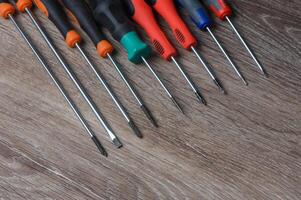
Not every screw can be handled with a standard household screwdriver. Some jobs need special designs. These tools may look unusual, but they solve very real problems.
Credit: vecteezy.com
Precision screwdrivers
Precision screwdrivers are small tools made for tiny screws. They are often used for eyeglasses, watches, phones, laptops, cameras, and small electronics. Their narrow shafts and fine tips allow careful work without damaging delicate parts.
These are not just “mini screwdrivers.” They are designed for control. The handle is often small enough to let your fingers make fine movements. That helps when a screw is tight or fragile.
Precision work also needs good lighting and steady hands. A wrong move can strip a screw quickly because the parts are so small.
Insulated screwdrivers
Insulated screwdrivers are made for electrical work. They have a protective coating on the shaft and handle to help reduce electrical risk. They are used when working near live circuits or electrical components.
These are not a full safety guarantee, and they should never replace proper electrical training or safety habits. But they are an important extra layer of protection for electricians and careful DIY users.
If you work on electrical systems, always choose tools that are rated for the task and in good condition. Damaged insulation can make the tool unsafe.
Offset screwdrivers
Offset screwdrivers have an angled shape, often with a bend between the handle and tip. They are useful in tight spaces where a straight screwdriver cannot fit. They are common in appliance repair, automotive work, and cramped mechanical areas.
Because of their shape, they are not always the best choice for high torque. But when access is limited, they can save a lot of time and frustration.
Ratcheting screwdrivers
Ratcheting screwdrivers let you turn a screw without lifting and resetting the tool on every turn. This makes work faster, especially for repeated fastening. Many models use interchangeable bits, so one handle can work with several screw types.
These tools are very helpful for home repair and assembly jobs. They reduce hand strain and make basic work more efficient. Still, for very tight screws, a solid fixed screwdriver may feel more stable and give better control.
Security screwdrivers
Security screwdrivers are made for screws that are designed to resist tampering. These may include Torx with pin, spanner, triangle, tri-wing, or other unusual shapes. They are often found in public equipment, electronics, toys, and safety covers.
These tools are useful when you need to open a device that uses special fasteners. They are also helpful for repair workers and technicians who deal with many product types.
Do not buy security tools only because they look advanced. Buy them because you know the screws you face actually require them.
How to choose the right screwdriver
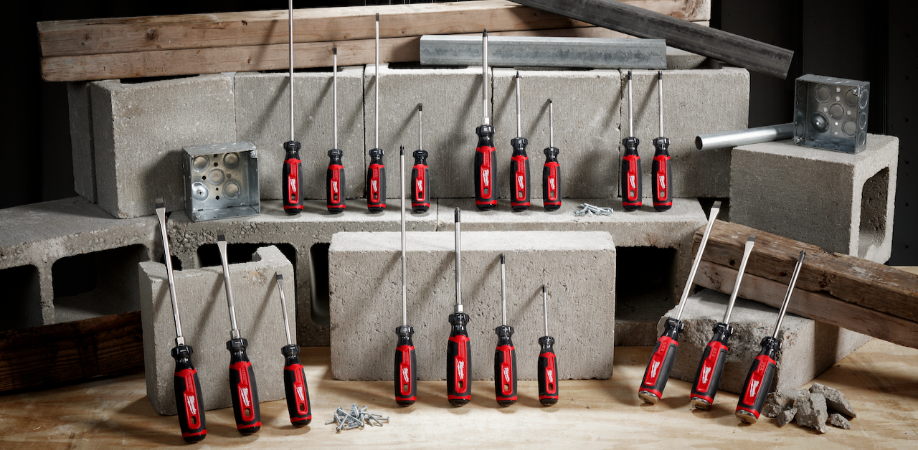
Choosing the best screwdriver is not about collecting the most tools. It is about having the right ones for the work you actually do. A small, useful set is often better than a large cheap one.
Credit: midlandtool.com
Match the tip to the screw
This is the first rule. The screwdriver tip must match the screw head shape exactly. Even a good tool will fail if the shape is wrong. If you work with furniture, check whether the screws are Phillips, Pozidriv, hex, or Torx before you start.
Choose the correct size
Size matters just as much as shape. A tip that is too small may slip. A tip that is too large will not fit. If possible, test the fit before applying force. The screwdriver should sit firmly in the screw with little movement.
Think about the job
For home repairs, a few common screwdrivers may be enough. For electronics, precision tools are better. For building and mechanical work, stronger Torx, hex, and Phillips drivers may be needed. For electrical work, insulated tools are important.
Look at shaft length
Long shafts help reach deep screws. Short shafts give better control in tight places. Many beginner buyers forget this detail and end up with a tool that fits the screw type but cannot reach the screw head properly.
Check the handle comfort
A comfortable handle helps when you need to apply pressure. Soft grips can improve comfort, but the shape should also let you hold the tool firmly. A handle that is too large or too slippery can make work harder.
Pay attention to tip quality
High-quality steel and well-shaped tips usually last longer and grip better. If you often use tools, this matters more than people expect. A strong tip saves time and prevents damage. That is one of the biggest differences between a tool you keep and a tool you replace.
Helpful authority link: For basic safety guidance when working near electricity, see the OSHA electrical safety information.
Common mistakes people make with screwdrivers
Many screw problems are not caused by the screw itself. They happen because the wrong tool was used or the user rushed. These mistakes are easy to avoid once you know them.
- Using the wrong tip shape and forcing it into the screw head.
- Picking the wrong size, which causes slipping and rounding.
- Using a worn tip that no longer grips well.
- Applying too much force before the tip is fully seated.
- Using a screwdriver as a pry bar, which can bend or break it.
- Ignoring screw type differences, especially between Phillips and Pozidriv.
Non-obvious insight: Many stripped screws happen during the first few turns, not the last. If the tool is not seated correctly at the start, damage begins right away. Slow, careful alignment prevents most problems.
How different screwdriver sets are built
Most people buy screwdrivers in sets, and that can be a smart choice. A good set covers the most common screw types and sizes. The best set for you depends on your work style.
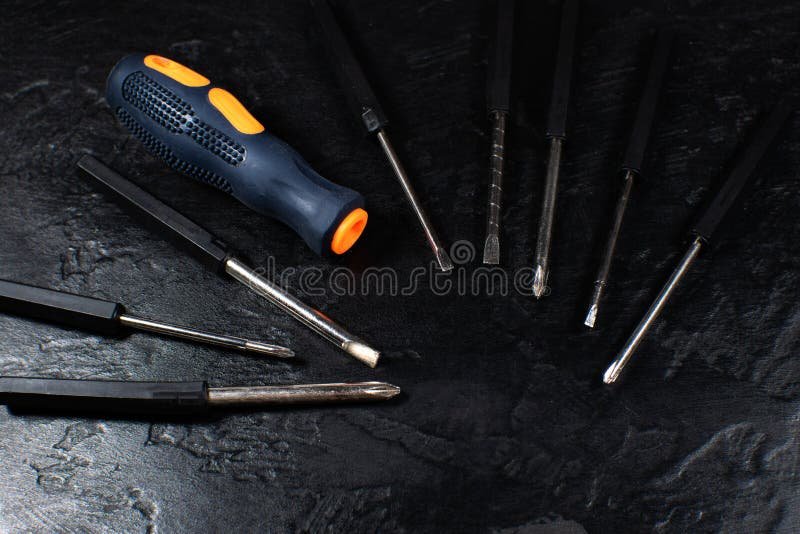
Some sets include individual fixed drivers. These are strong and simple. Others use interchangeable bits with one handle. These are compact and flexible. Bit sets are great for saving space, but fixed screwdrivers can feel more solid in use.
If you want a basic home kit, look for:
- At least one flathead driver
- Several Phillips sizes
- One or two Torx drivers
- A hex driver or bit set
- A small precision set for electronics or small items
For heavier use, choose better steel, stronger handles, and clear size markings. Good labeling saves time and prevents the wrong tool from being picked during repair work.
Which screwdrivers are most useful in a home tool kit
If you only want the most practical tools, start with the ones that cover the widest range of home tasks. Many people do not need every specialty screwdriver right away. They need the most common ones first.
- Phillips screwdriver – Used in furniture, appliances, and everyday repair jobs.
- Flathead screwdriver – Helpful for older screws and basic adjustments.
- Torx screwdriver – Very useful for modern furniture, electronics, and hardware.
- Hex driver – Common in furniture, bikes, and some assembly projects.
- Precision screwdriver set – Needed for phones, glasses, and small devices.
This small group handles a large share of common tasks. If you later work more with cars, electrical systems, or special equipment, you can add specialty drivers as needed.
Credit: dreamstime.com
How to store and care for screwdrivers
Even the best screwdriver wears out if it is mistreated. Good care keeps the tool ready and helps it last longer.
Keep tips clean and dry. Rust can damage the metal and reduce grip. Store tools in a box, pouch, or rack so the tips do not knock against each other. Do not use a screwdriver as a chisel, punch, or pry bar unless it is truly made for that use.
Check the tips now and then. If they look rounded, bent, or chipped, replace the tool before it causes screw damage. A worn screwdriver is one of the easiest ways to ruin a good fastener.
Final thoughts on choosing the right screwdriver
Understanding different types of screwdrivers makes repair and assembly work easier, safer, and less frustrating. The right tool depends on the screw shape, screw size, working space, and type of job. A small, well-chosen set can handle most home tasks, while specialty drivers help with electronics, electrical work, and tamper-resistant screws.
If you remember only one idea, make it this: match the screwdriver to the screw, not just to the job. That one habit prevents most stripping, slipping, and wasted effort. It also helps you work with more confidence, whether you are tightening a loose chair or repairing a small device.
The best screwdriver is not always the most expensive one. It is the one that fits well, feels steady in your hand, and matches the fastener exactly. Once you understand the main shapes, you can choose tools with much more confidence.
FAQs
1. What are the most common different types of screwdrivers?
The most common types are flathead, Phillips, Pozidriv, Torx, hex, and Robertson screwdrivers. These cover most home repair, furniture, and basic mechanical tasks.
2. How do I know which screwdriver fits a screw?
Match the tip shape first, then check the size. The tip should fit snugly in the screw head with little movement. If it wobbles or slips, it is probably the wrong size or type.
3. Are Phillips and Pozidriv screwdrivers the same?
No. They look similar, but Pozidriv has extra contact lines and a better grip. Using a Phillips screwdriver on a Pozidriv screw can cause slipping and damage.
4. Do I need a precision screwdriver set?
If you work on glasses, phones, watches, laptops, or small electronics, yes. Precision screwdrivers make tiny screws easier to handle and reduce the risk of damage.
5. Which screwdriver type is best for general home use?
For most homes, a Phillips screwdriver, flathead screwdriver, Torx driver, hex driver, and a small precision set are the most useful starting point.
