
If you have ever stood in a hardware store and stared at rows of fasteners, you are not alone. Construction screws vs wood screws is one of those topics that sounds simple, but the difference matters more than many people think. The wrong screw can split wood, hold weakly, or make a project harder than it should be.
Both screws are used in wood. Both can look similar at first glance. But they are designed for different jobs. One is built for speed, strength, and modern construction work. The other is made for cleaner wood joining and finer control. Knowing which one to choose can save time, money, and frustration.
In this guide, you will learn the key differences, where each screw works best, and how to choose the right one for your project. You will also see a few mistakes beginners often make, especially when they assume all screws are the same.
For related fastener choices, compare types of wood screws, review wood screw vs drywall screw, and see what self-tapping screws are before choosing hardware.
What makes these two screws different
The biggest difference between construction screws and wood screws is not just the name. It is how they are engineered. Construction screws are made for structural jobs, faster installation, and stronger grip in framing and heavy-duty builds. Wood screws are designed for general wood fastening, furniture, cabinetry, and cleaner joints where appearance and precision matter.
That means the best screw is not always the strongest one. A screw can be very strong but still be the wrong choice if it damages the material or makes the joint look rough. The right screw depends on the load, the type of wood, and how visible the fastener will be.
One simple way to think about it: construction screws are the work boots, while wood screws are the finer tool for detailed work. Both are useful, but not for the same task.
Construction screws in plain English
Construction screws are made for fast, reliable fastening in building projects. They are common in framing, decking, subfloor work, fencing, and other jobs where strength matters more than a hidden finish. Many are designed to replace nails in places where a stronger grip is needed.
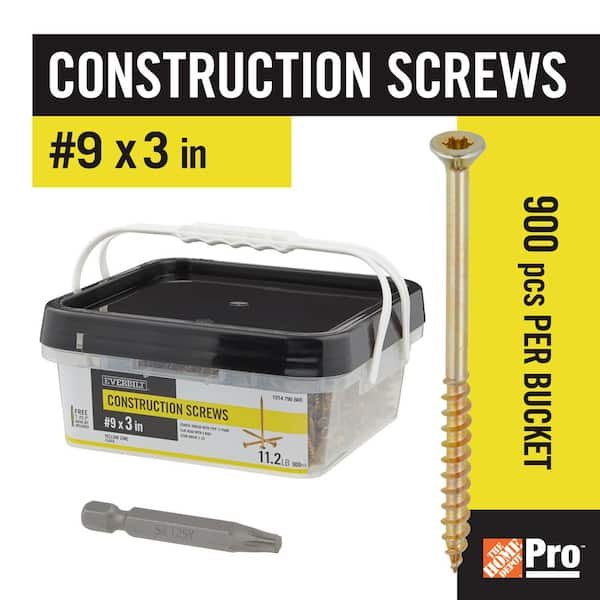
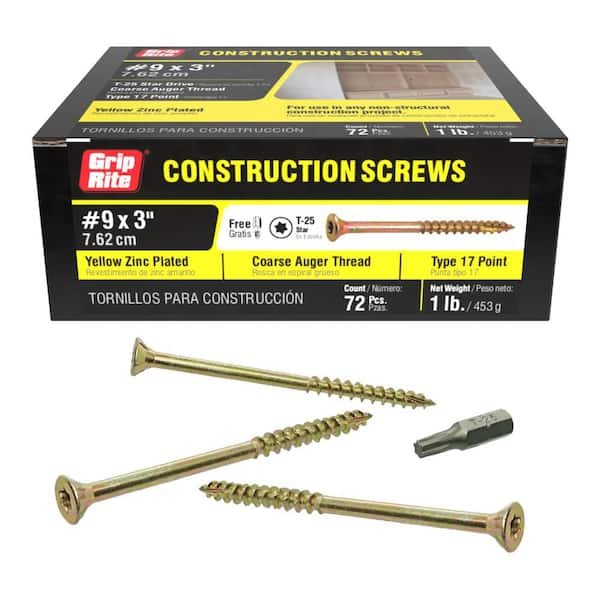
They usually have sharp tips, deep threads, and strong heads that resist stripping. Many also use special drive types like star or Torx, which help transfer torque better than older screw heads. This is one reason they are popular with contractors.
Another advantage is speed. Construction screws often go in faster with less predrilling, especially in softwood. That can make a big difference on large jobs. If you are building a deck or framing a wall, time matters as much as strength.
Common features of construction screws
- Heavy-duty shank for higher strength
- Coatings that help resist rust outdoors
- Deep threads for strong pull-out resistance
- Drive heads that reduce cam-out and stripping
- Designed for fast installation in construction work
One detail many beginners miss is that not all construction screws are equal. Some are made for indoor structural use, while others are rated for outdoor exposure. If the screw will be used in a damp area or outside, the coating matters a lot. A strong screw with poor corrosion resistance can fail earlier than expected.
Wood screws and what they are best at
Wood screws are the classic choice for joining wood parts. They are often used in furniture, cabinets, trim, and general woodworking. They are known for their tapered shape, which helps them pull two pieces of wood tightly together.
Traditional wood screws often have a smooth shank near the head and threads that start lower down. This design helps create a strong clamp when driven into a predrilled hole. In fine woodworking, that clamping action is valuable because it reduces gaps between parts.
Wood screws are usually better when the joint needs a neat finish. They are also a good choice when you want more control over how the screw enters the wood. For many detailed projects, they offer a cleaner result than a heavy construction screw.
Where wood screws shine
- Furniture assembly
- Cabinet building
- Trim and molding work
- Joinery in softwood and hardwood
- Repairs where appearance matters
Another point that beginners often overlook is predrilling. Wood screws, especially in hardwood, usually work better with a pilot hole. Skipping this step can split the wood or make the screw wander. A construction screw may sometimes handle direct driving better, but a wood screw often needs more care for the cleanest result.
Construction screws vs wood screws: side-by-side comparison
The table below shows the practical differences in a simple way.
| Feature | Construction screws | Wood screws |
|---|---|---|
| Main use | Framing, decking, structural fastening | Furniture, cabinets, trim, general woodworking |
| Strength focus | High load support and strong hold | Reliable hold with cleaner joint control |
| Drive speed | Usually faster | Often slower and more careful |
| Appearance | More utilitarian | Better for visible wood joints |
| Predrilling need | Sometimes not required in softwood | Often recommended, especially in hardwood |
| Thread style | Usually aggressive, deep threads | Often tapered or designed for controlled pull-in |
| Outdoor use | Many are coated for outdoor exposure | Some are indoor only unless specially coated |
| Best for | Fast, strong building work | Precise wood joining and finish projects |
This comparison shows an important point: strength is not the only factor. A screw can be strong but still be a poor choice if the joint needs to look smooth or if the material is delicate. The best fastener is the one that fits the job, not just the one with the biggest claims on the box.
Credit: thehousemag.com
How design affects performance
Small design details change how a screw behaves. This is where many people make mistakes. They look at length and thickness, but ignore the shape of the threads, the head, and the coating. Those details decide how well the screw holds and how easy it is to install.
Thread style
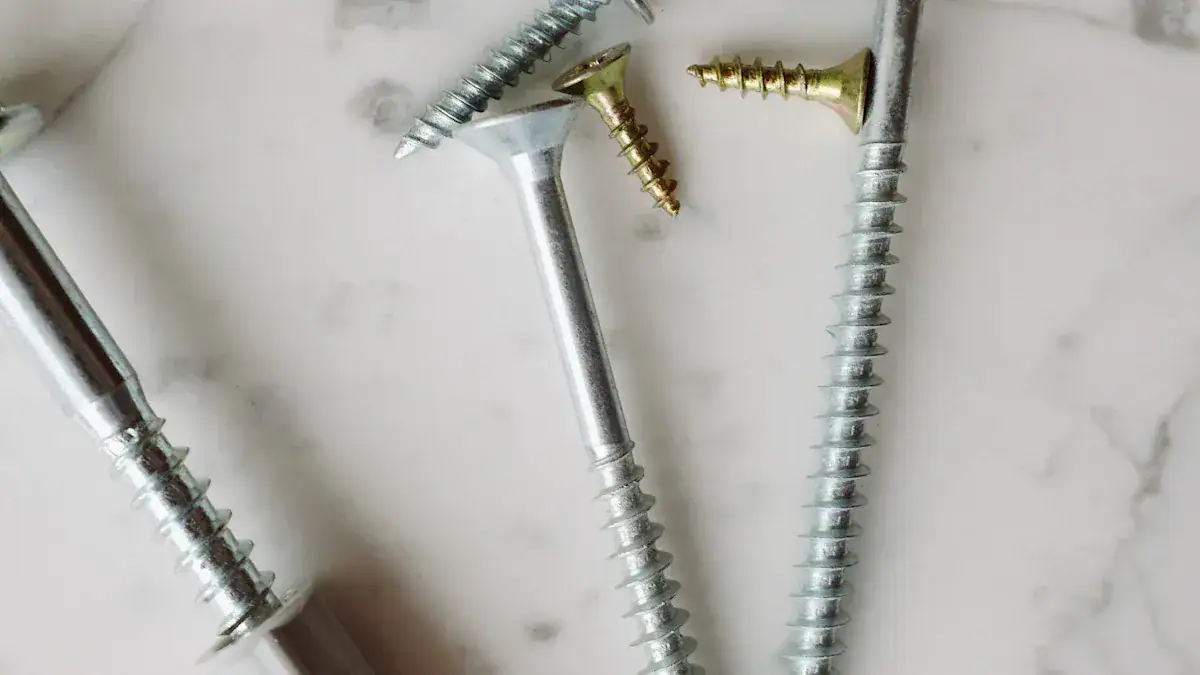
Construction screws often have deeper and more aggressive threads. This helps them bite quickly into framing lumber and resist pull-out. Wood screws may have threads that are shaped to pull pieces tightly together without damaging the surface as much.
If you need fast grip in construction lumber, deeper threads are useful. If you need a joint that closes neatly, a more controlled thread pattern is often better.
Head design
Many construction screws use star or Torx heads because they reduce slipping. That matters on the job site, where speed and torque are high. Wood screws may come in flat, oval, or round head styles depending on the finish you want. Flat heads can sit flush, while decorative heads may stay visible.
Shank and body
Traditional wood screws may have a smooth shank under the head that helps draw two pieces together. Construction screws often rely on thread design and overall body strength instead. That makes them better for fast work, but not always better for fine joinery.
Coating and corrosion resistance
If a screw is exposed to moisture, it can rust. That is why coatings matter. Outdoor construction screws often have protective coatings for decks, fences, or treated lumber. For treated wood, you should use fasteners that are approved for that material. For reliable guidance, the American Wood Council is a helpful authority on wood construction and fastening practices.
When to use construction screws
Use construction screws when the job is about strength, speed, and durability. They are a smart choice in situations where the screw will take structural load or where many screws must be driven quickly.
Good use cases
- Framing – For studs, joists, and other structural wood connections.
- Deck building – Especially when you need exterior-rated fasteners.
- Subfloor installation – Useful where floor panels need a strong hold.
- Fencing – Good for outdoor durability and fast installation.
- General construction repairs – Helpful when strength matters more than finish.
Construction screws are also useful when you are working with a power tool and want fewer slips. The better head grip can reduce stripped fasteners, which saves time on repetitive jobs.
Here is a useful rule: if the joint will be hidden, structural, or exposed to rough use, construction screws are often the better pick.
When to use wood screws
Use wood screws when the project needs a cleaner look, a more controlled joint, or more traditional woodworking behavior. They are often the better choice for visible furniture parts and detailed woodwork.
Good use cases
- Furniture – Tables, chairs, shelves, and similar projects.
- Cabinets – Especially where alignment and appearance matter.
- Trim work – Good when you need a neat, flush finish.
- Wood repairs – Helpful for restoring older furniture or joinery.
- Precision woodworking – Better for joints that need careful fit.
Wood screws are especially useful when you can predrill and take time with the joint. That extra step improves accuracy and lowers the chance of splitting. For many indoor projects, the slower method gives a better result.
If the screw will be seen, wood screws often win. If the screw will be hidden and the joint needs brute strength, construction screws usually make more sense.
Common mistakes people make
One of the biggest mistakes is assuming a longer or thicker screw is always better. It is not. A screw that is too long can come out the other side or weaken the material. A screw that is too thick can split the wood, especially near edges.
Another mistake is using indoor screws outdoors. Moisture changes everything. Rust can weaken the fastener and stain the wood. In outdoor work, always check the coating and rating, especially for pressure-treated lumber.
A third mistake is using the wrong drive bit. A poor match between bit and head causes slipping, stripped heads, and wasted time. This is common with people who switch from wood screws to construction screws without changing tools.
One more issue beginners miss is wood movement. Wood expands and contracts with changes in humidity. A screw that works fine in a dry room may behave differently in a damp shed or outdoor deck. The fastener choice should match the environment, not just the material.
Credit: homedepot.com
How to choose the right one for your project
Choosing between construction screws vs wood screws gets easier when you ask a few simple questions.
1. Is the joint structural or decorative?
If the joint must hold weight or resist stress, construction screws are usually the better option. If the joint is visible and part of the finished look, wood screws may be better.
2. Will the screw be seen?
Visible screws should look neat and fit the style of the project. Wood screws often give a cleaner result. If the screw will be hidden, appearance matters less.
3. Is the wood soft or hard?
Softwood is easier to drive into. Hardwood often needs predrilling, especially with wood screws. Construction screws may still need pilot holes in harder materials or near edges.
4. Will the project stay indoors or outdoors?
Outdoor projects need corrosion resistance. Choose screws with the right coating and rating. This is not a place to save money with the wrong fastener.
5. Do you want speed or precision?
Construction screws are better for speed and repeated installation. Wood screws are better for careful fitting and clean alignment.
A practical shortcut: if you are building a deck frame, choose construction screws. If you are building a bookshelf or chair, wood screws are often the better fit.
Which screw is stronger?
This question comes up often, but it needs a careful answer. In pure structural use, construction screws are usually stronger in the kinds of jobs they are designed for. They often have better thread bite, stronger bodies, and better torque resistance.
But strength is not only about the screw itself. The wood type, the screw length, the edge distance, and whether the pilot hole is correct all matter. A well-chosen wood screw in the right joint can outperform a badly chosen construction screw.
So the real answer is this: construction screws are usually stronger for construction tasks, while wood screws are often stronger in the sense of giving a tighter, cleaner woodworking joint.
Can you use them interchangeably?
Sometimes, yes. But it is not always the best idea. Many small home projects will still work if you use one instead of the other. The problem is that “works” is not the same as “works well.”
For example, using construction screws in a cabinet may make the result look rough or create unnecessary splitting. Using wood screws in framing may mean slower work and a less secure hold than you wanted. So interchangeability is possible in some cases, but it should not be the default habit.
A good builder does not just ask, “Will it fit?” The better question is, “Will it do this job properly for years?”
Best practices for better results
If you want better fastening results, a few simple habits help a lot.
- Use the right screw length for the thickness of the material.
- Match the drive bit to the screw head exactly.
- Predrill near edges and in hardwood to reduce splitting.
- Choose coated or corrosion-resistant screws for outdoor use.
- Do not force a screw that is fighting too much resistance.
Also, pay attention to the first screw in a project. If the first one splits the wood or strips easily, stop and check the setup. That usually means the pilot hole, screw type, or angle needs adjustment.
One non-obvious tip: in many projects, the failure point is not the screw itself but the material around it. Wood can crush, split, or wear out before the fastener fails. That is why better screw selection often means better hole prep and better placement, not just a bigger screw.
Credit: homedepot.com
Final choice: construction screws vs wood screws
If your project is heavy-duty, outdoor, or structural, construction screws are usually the smarter choice. They are built for strength, speed, and job-site use. If your project is furniture, trim, cabinets, or any visible woodwork, wood screws often give a cleaner and more controlled result.
The best choice depends on what the joint must do. Strength matters. But so do appearance, ease of installation, and the type of wood you are using. Once you understand that, choosing becomes much easier.
So the next time you compare construction screws vs wood screws, do not just look at size or price. Look at the job, the material, and the finish you want. That is how you pick the right fastener the first time.
FAQs
1. Are construction screws better than wood screws?
Not always. Construction screws are better for structural and outdoor jobs. Wood screws are often better for furniture, cabinets, and clean indoor woodworking.
2. Can I use wood screws for framing?
Usually, that is not the best choice. Framing needs strong, fast, and reliable fastening. Construction screws are generally better for that job.
3. Do wood screws need pilot holes?
Often, yes. Pilot holes help prevent splitting and make it easier to drive the screw straight, especially in hardwood.
4. Are construction screws okay for furniture?
They can work, but they may not give the cleanest finish. For visible furniture joints, wood screws are usually the better option.
5. What should I check before buying screws?
Check the length, thickness, head type, coating, and whether the screw is meant for indoor or outdoor use. These factors matter more than many beginners realize.
