
When people talk about a pressure washer, they often focus on PSI, GPM, or the spray nozzle. But the pump is the part that really shapes how the machine works day after day. If you choose the wrong pump, the washer may wear out too fast, lose pressure, or cost more to fix than it should.
That is why understanding the types of pressure washer pumps matters so much. The pump controls water flow, pressure stability, service life, and repair cost. Some pumps are built for short home jobs. Others are made for long, heavy use in cleaning businesses. The right choice depends on how often you clean, what you clean, and how much time and money you want to spend on maintenance.
In this guide, you will learn the main pump types, how they differ, which one fits your needs, and which mistakes buyers often make. By the end, you will know how to choose a pump with more confidence and less guesswork.
Why the pump matters more than many buyers realize
The pump is the heart of the pressure washer. It takes water from the supply line and pushes it out at high pressure. If the pump is weak or poorly matched to the machine, even a strong engine or motor will not help much.
A good pump affects three things that matter most:
- Cleaning power — steady pressure helps remove dirt faster.
- Machine life — a better pump usually lasts longer under regular use.
- Total cost — the cheapest pump is not always the cheapest choice over time.
One mistake beginners make is buying by PSI alone. That number looks impressive, but the pump design often tells you more about real-world performance. For example, a machine with a lower PSI but a better pump can clean better over time because it holds pressure more steadily and needs fewer repairs.
The main types of pressure washer pumps
The types of pressure washer pumps are usually grouped by how they handle water pressure and how they are built for use. The four most common types are wobble pumps, axial cam pumps, triplex pumps, and plunger pumps. You may also see direct drive and belt drive systems, which describe how the pump is connected to the motor or engine.
1. Wobble pumps
Wobble pumps are usually found in entry-level electric pressure washers. They are simple, low-cost, and made for light home cleaning.
Inside the pump, a moving part creates water pressure in a basic way. This design keeps the price low, but it also limits how long the pump can run before wear starts to show.
Best for: small patios, bicycles, garden tools, cars, and light dirt around the house.
Main advantage: low price.
Main drawback: shorter life and less repairability.
Many beginners buy a wobble pump for occasional use and stay happy with it. The problem starts when they expect it to work like a commercial pump. It is not built for long cleaning sessions or frequent weekend use.
2. Axial cam pumps
Axial cam pumps are very common in consumer-grade pressure washers. They are more efficient than wobble pumps and can handle more regular use. In this design, the pump pistons move in line with the shaft, which makes the system compact and practical.
These pumps are often found in gas and electric models used for home cleaning. They are a strong middle-ground choice for many buyers.
Best for: homeowners who clean driveways, decks, siding, fences, and vehicles a few times a month.
Main advantage: better performance and longer life than wobble pumps.
Main drawback: usually not as repair-friendly as triplex pumps.
Here is a detail many people miss: axial cam pumps often perform well when the pressure washer is used in short bursts. If you run the machine for a long time without breaks, heat can build up and reduce pump life. So if you choose this type, give it rest periods during bigger jobs.
3. Triplex pumps
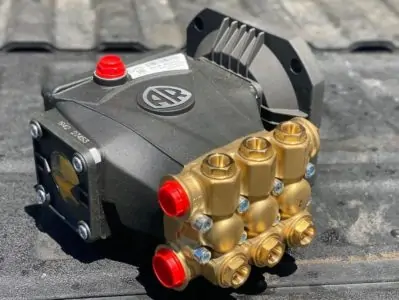
Triplex pumps are the workhorses of the pressure washer world. They use three plungers, which creates smoother water flow, better pressure consistency, and a longer service life. These pumps are commonly used in professional and commercial machines.
Triplex pumps are often serviceable, meaning some parts can be repaired or replaced. That makes them a smart long-term choice if you use your washer often.
Best for: cleaning contractors, commercial sites, farms, fleet washing, and serious property maintenance.
Main advantage: long life, better cooling, and repair options.
Main drawback: higher price and usually more weight.
If you plan to use a pressure washer every week or for long jobs, a triplex pump is often worth the extra cost. It may not be the cheapest machine in the store, but it can save money later because you replace the pump less often.
4. Plunger pumps
Plunger pumps are built for heavy-duty and industrial use. They are similar in purpose to triplex pumps, but the design is usually made for much higher output and tougher work. These pumps are found in advanced commercial systems, not basic home models.
Best for: industrial cleaning, large facilities, and demanding professional setups.
Main advantage: excellent durability under extreme use.
Main drawback: expensive and often more than a normal homeowner needs.
If your work includes constant pressure washing in harsh conditions, this type can be a strong choice. But for most homeowners, it is overkill. Buying more pump than you need can waste money and make the machine harder to handle.
Direct drive vs belt drive pumps
Besides the pump design itself, you should also look at how the pump is connected to the motor or engine. This can change the feel and durability of the machine.
Direct drive
In a direct drive system, the motor or engine connects directly to the pump shaft. This makes the machine compact and often more affordable.
Pros:
- Lower cost
- Smaller size
- Lighter weight
Cons:
- Higher pump speed
- More heat and wear in some models
- Less ideal for long daily use
Belt drive
In a belt drive system, a belt connects the engine to the pump. This reduces pump speed and can help the pump run cooler.
Pros:
- Longer pump life
- Better for extended use
- Smoother operation
Cons:
- Higher upfront cost
- More parts to maintain
- Bulkier setup
One non-obvious point: many buyers compare only pump type and ignore drive type. That is a mistake. A good triplex pump with a poor drive setup may not last as long as a similar pump with a better belt drive system. The pump and drive should be judged together.
How to match pump type to your real cleaning needs
The best pump is not the strongest one on paper. It is the one that fits your actual use. Start by asking how often you clean, how long each job takes, and what surfaces you clean most.
| Pump type | Typical use | Durability | Maintenance | Best value for |
|---|---|---|---|---|
| Wobble pump | Light home cleaning | Low | Low repair value | Rare users |
| Axial cam pump | Regular home cleaning | Medium | Limited to moderate | Homeowners |
| Triplex pump | Heavy home or commercial use | High | Good | Frequent users |
| Plunger pump | Industrial cleaning | Very high | Professional service | Industrial buyers |
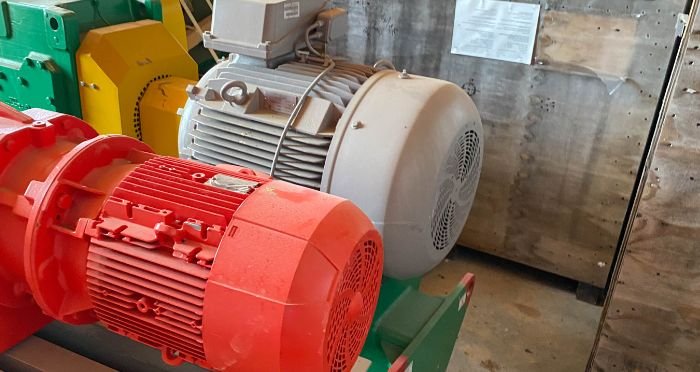
If you clean a car, a few outdoor chairs, and a small patio once in a while, an axial cam pump is usually enough. If you wash multiple vehicles, a driveway, and siding several times a month, triplex becomes more attractive. If your machine will work all day in a business, you should think beyond consumer models and move into commercial-grade options.
Credit: outerguide.com
What else affects pump performance besides the type
Choosing between the types of pressure washer pumps is important, but it is not the full story. Other factors can change performance a lot.
Credit: ohsospotless.com
Material quality
Pump heads can be made from aluminum, brass, or other metals. Brass usually lasts longer and handles heat and pressure better. Aluminum is cheaper and lighter, but it may wear faster in hard use.
If you want a pump for frequent use, material quality matters more than many ads admit. A basic pump made with cheaper parts may look similar from the outside, but it may not handle repeated stress well.
Thermal relief valve
This small part protects the pump from overheating. When water sits too long inside the pump, heat rises quickly. A thermal relief valve helps release hot water before damage builds up.
This is a small feature, but it can save a pump. If you stop spraying during a job, do not let the machine sit under pressure for too long. That habit can shorten pump life, even on a good model.
Detergent use
Some pumps handle detergents better than others. If you plan to wash siding, cars, or greasy surfaces, check whether the pump and injector setup supports cleaning chemicals properly.
Another detail many buyers miss: not all soap systems are the same. A weak soap draw system can make the washer feel less effective, even if the pump itself is decent.
Water supply quality
Dirty water, low water flow, or air in the supply line can damage a pump over time. Even a strong pump can fail early if it is starved for water.
Always make sure the hose is clear, the inlet filter is clean, and the water supply is enough for the machine. This is one of the easiest ways to protect your pump.
Common mistakes people make when buying a pressure washer pump
Many pump problems start at the buying stage. A smart purchase can prevent frustration later.
- Buying only by PSI. Pressure matters, but pump design and flow rate matter too.
- Choosing the cheapest option for heavy use. A low-cost pump may be fine for occasional cleaning, but not for regular work.
- Ignoring repairability. Some pumps are not worth fixing. Others can be serviced and kept running much longer.
- Overbuying for simple jobs. A commercial pump is not helpful if you only clean once a month.
- Forgetting about drive type. Direct drive and belt drive affect heat, life, and maintenance.
A useful rule is this: if you are unsure, buy one level above your current need, not three levels above it. That gives you some room to grow without paying for industrial strength you may never use.
Which pump type is best for different users
There is no single best pump for everyone. The best choice depends on your use case.
For occasional home cleaning
An axial cam pump is usually the best balance of price and performance. It gives better value than a wobble pump and should handle most home jobs well.
For frequent residential use
A higher-quality axial cam pump or a light-duty triplex pump makes sense. If you use your washer often, the extra durability can pay off quickly.
For professional cleaning work
A triplex pump is usually the safer choice. It is built for longer sessions and offers better service options. If your work is daily or intense, belt drive is often worth considering too.
For industrial use
Plunger pumps are the strongest option, especially when the job demands heavy output, long runs, and tough conditions.
One more important insight: think about downtime, not just purchase price. A cheaper pump that fails in the middle of a busy season can cost more in lost work than a better pump would have cost upfront.
How to extend the life of any pressure washer pump
No matter which pump you buy, good care makes a big difference. Even a strong pump can wear out early if it is used badly.
- Do not run the pump without water.
- Flush detergent out after use.
- Check inlet filters often.
- Let the machine rest during long jobs.
- Use clean water and the right hose size.
- Store the washer properly in cold weather.
Cold weather matters more than many people think. Water left inside the pump can freeze and crack the housing. If you live in a cold area, winterizing the machine is not optional. It is basic protection.
For general safety and equipment care guidance, the OSHA website is a useful authority for safe pressure washing practices in work settings.
Credit: sudspumper.com
Final thoughts on choosing the right pump
The best way to choose among the types of pressure washer pumps is to be honest about how you will use the machine. If your work is light and occasional, a simple pump is enough. If you clean often, invest in stronger construction. If you clean for business, choose a pump that is built for long service, not just a low sticker price.
Many buyers focus on the most visible numbers and forget the pump is the part that does the hard work. That is a costly mistake. A well-matched pump can give you stable pressure, better cleaning, and fewer breakdowns. In the long run, that usually matters more than a flashy spec sheet.
If you remember only one thing, remember this: choose the pump for the job you do most, not the job you do once in a while. That simple rule leads to better buying decisions and fewer regrets later.
FAQs
1. What are the main types of pressure washer pumps?
The main types are wobble pumps, axial cam pumps, triplex pumps, and plunger pumps. Each one fits a different level of use, from light home cleaning to heavy commercial work.
2. Which pressure washer pump lasts the longest?
Triplex and plunger pumps usually last the longest because they are built for tougher use and are often easier to service. Belt drive systems can also help extend pump life.
3. Is an axial cam pump good for home use?
Yes, an axial cam pump is a strong choice for most homeowners. It works well for regular cleaning tasks and offers a better balance of price and durability than a wobble pump.
4. Why do some pressure washer pumps fail early?
Common reasons include running the pump without water, overheating, using dirty water, poor storage in winter, and choosing a pump that is too weak for the work.
5. Should I buy a more expensive pump than I need?
Usually, no. It is better to choose a pump that fits your real cleaning needs with a little extra room. Buying far above your needs can waste money and make the machine harder to use.
