If you need to clean a driveway, patio, fence, car, or siding, a pressure washer can save a lot of time. But buying one is not always the smartest money move. In many cases, renting gives you the same cleaning power for far less cash. In other cases, owning is cheaper over time and much more convenient.
The real question is not just the sticker price. The smarter question is how often you will use it, what kind of job you need to do, and what extra costs come with ownership. When people compare renting vs buying pressure washer options, they often look only at the first payment and miss the bigger picture.
This guide breaks down the real costs, hidden fees, and practical trade-offs. By the end, you will know which option is likely to save you more money for your situation.
What You Pay For in Each Option
The cost difference between renting and buying is easy to see at first, but the full picture is more than the price tag. A rental may look expensive for one day, yet it avoids storage, maintenance, and repairs. Buying may seem better if the machine is used often, but the total cost can rise over time if you choose the wrong model or do not use it enough.
Here is the simple truth: renting is usually best for one-time or rare jobs, while buying makes more sense for repeat use. The break-even point depends on the machine price, rental rate, and how many times you clean each year.
Typical rental costs
Pressure washer rental prices vary by store, location, and machine size. A small electric unit may cost around $30 to $50 per day, while a gas model can cost $50 to $100 or more per day. Weekly rentals may lower the daily rate, but they still add up fast if the job takes longer than planned.
Some rental stores also require a deposit, cleaning fee, or late fee. If you need accessories like a surface cleaner or special nozzle, those may cost extra too. That means the real rental cost can be higher than the advertised price.
Typical buying costs
Consumer pressure washers often range from about $100 to $500. Heavy-duty models can cost much more. A basic electric washer is usually cheaper to buy, but it may not handle large or stubborn jobs as well as a gas unit.
Buying also brings extra costs that people often forget:
- Maintenance such as pump care, oil changes, and hose replacement
- Storage space in a garage, shed, or basement
- Repairs if the pump, engine, or wand breaks
- Accessories like extension hoses, soap tanks, and surface cleaners
- Depreciation, which means the machine loses value over time
These extra costs matter because the cheapest unit on the shelf is not always the cheapest option over its life.
The Real Break-Even Point
To decide between renting and buying, you need to know how many uses it takes before ownership becomes cheaper. This is the break-even point. Once your total rental cost passes the cost of buying and maintaining a washer, ownership starts to win.
For many people, the break-even point is surprisingly low. If you rent a pressure washer several times a year, you may pay more in one or two seasons than the cost of a decent machine.
| Option | Typical upfront cost | Extra costs | Best for |
|---|---|---|---|
| Renting | $30 to $100 per day | Deposit, late fees, accessories | Rare, one-time jobs |
| Buying | $100 to $500+ one time | Maintenance, storage, repairs | Frequent use, long-term ownership |
Here is a simple example. If you rent a washer for $60 per day and use it four times in a year, you may spend $240. If a good washer costs $250 and lasts several years, buying may already be the better deal. But if you only need it once a year, renting is likely smarter.
A hidden point many beginners miss
The break-even point changes based on time, not just use count. If you rent a washer for one day but your project takes two days because of weather or a larger-than-expected job, your cost doubles. Ownership avoids that risk. On the other hand, if you own a machine and only use it once a year, your money sits idle for most of the time.
That is why the real question is not “How much does it cost today?” It is “How many total uses will I get over the next two to five years?”
When Renting Saves More Money
Renting usually saves the most money when your need is occasional. That is because you pay only for the time you use the machine, and you do not carry the cost of storage, upkeep, or breakdowns.
Renting is often the better choice in these cases:
- You need to clean one driveway, deck, or patio once in a while.
- You do not have space to store a bulky machine.
- You want to use a stronger model without paying full price.
- You are not sure which pressure washer type is right for you.
- You want to avoid repairs and maintenance.
Renting also works well for people who live in apartments or small homes. If the washer would sit unused most of the year, ownership becomes a poor value. In that case, the machine is more of a burden than an asset.
Credit: ultimateequipmentrentals.com
Renting is smart when the job is one-time
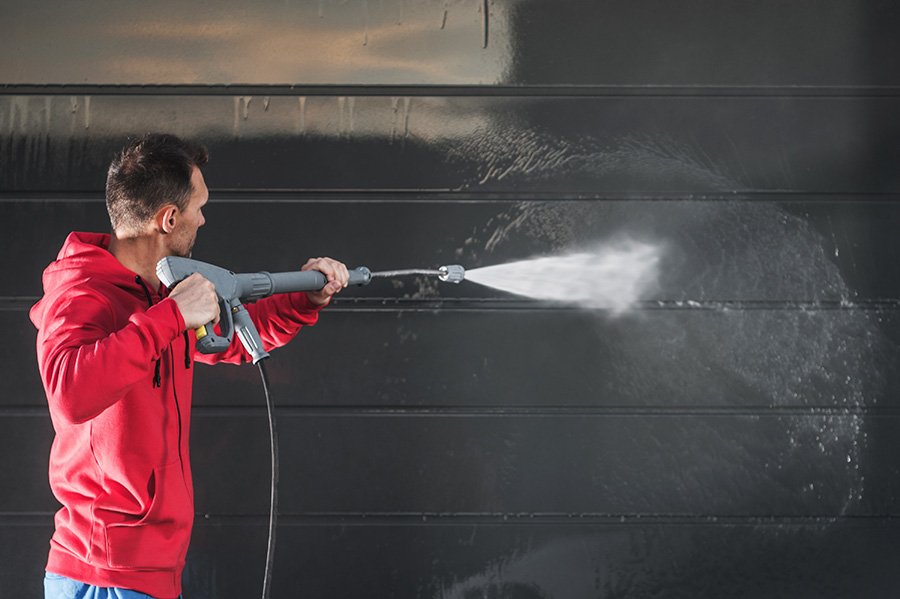
Some cleaning tasks happen only once or twice a year. Think about spring cleaning the patio, washing a rental property before a move-out, or preparing a fence before painting. For these tasks, paying a rental fee for one day or one weekend is often much cheaper than buying a machine you rarely touch.
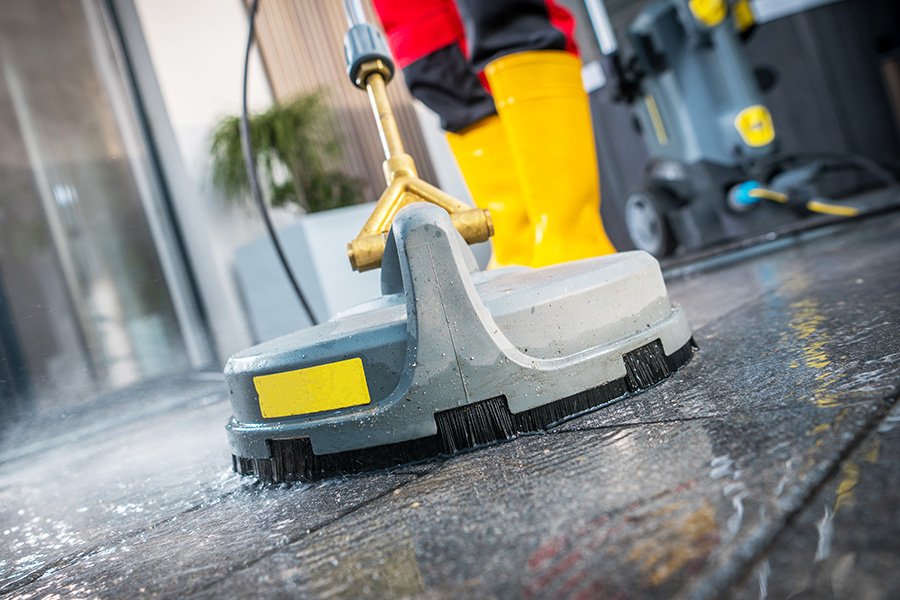
There is another advantage here. A rental store often gives you access to a more powerful model than you would buy for home use. That means you can finish the job faster, which is useful if time matters.
Renting avoids the hidden cost of ownership
Many people focus on the purchase price and ignore what comes after. Pressure washers need care. Gas units need fuel and periodic maintenance. Pumps can fail if water is not drained properly. Hoses crack. Nozzles clog. Small problems can turn into costly repairs.
When you rent, those risks belong to the store. You use the machine and return it. For many homeowners, that peace of mind is worth a lot.
When Buying Saves More Money
Buying usually saves more money when you expect repeated use. If you clean your driveway every season, wash your car often, or manage multiple outdoor spaces, ownership can quickly become the lower-cost option.
Buying is often better when:
- You will use the washer several times per year.
- You need it on short notice.
- You want to clean at your own pace.
- You have space to store it safely.
- You want the freedom to use it anytime without rental rules.
One of the biggest money-saving benefits of ownership is convenience. You do not lose time driving to a rental store, waiting in line, or dealing with return deadlines. That may not show up on a receipt, but it still has value.
Buying works better for regular maintenance
If you use a pressure washer for regular home care, ownership often becomes cheaper very fast. For example, a homeowner who washes the driveway, patio, siding, and car multiple times a year may get enough use to justify the purchase within a short time.
It also helps if you buy the right type from the start. An electric washer is often enough for light tasks. A gas washer is better for bigger jobs, but it can cost more to own and maintain. Choosing too much machine can waste money.
The mistake of buying too early
A common mistake is buying because the price seems low, even when the washer will not be used much. People see a $150 model and think it is a bargain. But if it only gets used once a year, the cost per use becomes high over time.
Another mistake is buying a stronger machine than you need. More power is not always better. For simple home cleaning, a smaller electric washer may be the smarter financial choice. Extra power often means extra cost, more weight, and more maintenance.
Hidden Costs People Often Forget
To compare renting vs buying pressure washer options fairly, you must count the hidden costs. These costs are easy to ignore, but they change the final answer.
For renting
- Delivery or transport if the washer is too large for your car
- Cleaning fee if the machine comes back dirty
- Damage fee if a part is broken during use
- Late return fee if the job takes longer than planned
- Accessory rental for hoses, wands, or surface cleaners
For buying
- Replacement parts such as hoses, nozzles, and seals
- Fuel and oil for gas-powered units
- Electricity and water use, which are small but real
- Seasonal maintenance to keep the machine working
- Storage damage from moisture, freezing, or poor handling
Here is a less obvious point: some buyers forget that a cheap washer may break sooner if it is stored badly or used only once a year without care. In other words, a machine you own can become expensive simply because it sits unused for too long.
What Type of User Gets the Best Value?
The best money choice depends on your use pattern, not just your budget. Two people can buy the same washer, but one may save money while the other wastes it.
Credit: ultimateequipmentrentals.com
Best for renters
Renting is usually best for:
- First-time users who are still learning
- People with very small homes or no storage
- Anyone who needs a stronger machine for a rare project
- Homeowners who clean only once or twice a year
If this sounds like you, renting protects your wallet and reduces risk.
Best for buyers
Buying is usually best for:
- Families who clean outdoor areas often
- People who wash vehicles at home regularly
- DIY users who like having tools ready anytime
- Small business owners or property managers
If you know the washer will be used often, ownership usually offers better long-term value.
How to Decide Based on Your Real Usage
The easiest way to choose is to look at your own pattern of use. Ask yourself a few simple questions:
- How many times will I use it in the next 12 months?
- Will I need it for one day or several days each time?
- Do I have storage space?
- Do I want to handle maintenance?
- Would a rental delay my project?
If you will use it once or twice a year, renting often wins. If you expect three, four, or more uses every year, buying usually starts to make more sense. But the answer is even clearer when you compare total cost over time.
Simple cost example over three years
Let’s say a rental costs $60 per day. If you rent it twice a year for three years, that is six rentals. Your cost becomes $360, not counting late fees or transport.
Now compare that with buying a $250 washer. Add maybe $50 to $100 over three years for maintenance and small parts. Your total may be around $300 to $350. In this case, buying and renting are close. If you use it more often, buying wins. If you use it less often, renting wins.
This kind of math is where many buyers go wrong. They compare one rental day to one purchase price, but the smarter comparison is total cost over several years.
Choosing the Right Pressure Washer Type Matters Too
Not all pressure washers have the same cost pattern. The type you choose affects the money decision.
Electric models
Electric pressure washers are usually cheaper to buy, lighter, and easier to maintain. They are good for cars, patios, and light home cleaning. If your jobs are small, buying an electric model may be a low-cost solution.
Gas models
Gas pressure washers are stronger and better for large or dirty jobs. They are also more expensive to buy and maintain. For one-time heavy projects, renting a gas model is often a smart move. For regular large jobs, buying may still be worth it.
Commercial-grade machines
These are built for frequent use and higher performance. They cost more, but they can make sense for contractors or property managers. For normal homeowners, this level is often unnecessary.
One useful external resource for safer machine use is the U.S. Consumer Product Safety Commission. It shares safety guidance that can help you avoid accidents during cleaning.
Money-Saving Tips No Matter Which Option You Choose
Even after you decide between renting and buying, there are ways to keep costs lower.
- Match the machine to the job. Do not pay for more power than you need.
- Book rental time carefully. Try to finish the work in one day if possible.
- Inspect rental machines before leaving the store. This can help avoid damage disputes later.
- Store owned machines properly. Good storage can extend life and reduce repair costs.
- Use the correct nozzle. The wrong nozzle can damage surfaces and create extra expenses.
Another smart point: if you are buying, look at long-term parts support. A cheap washer with no replacement parts available can become a throwaway item. A slightly better model with good service support may save money over time.
Credit: forbes.com
So, Which Option Saves You More Money?
In most cases, renting saves more money for occasional use, while buying saves more money for regular use. That is the simplest answer. The best choice depends on how often you clean, how long each job takes, and whether you want the convenience of always having the machine ready.
If you only need a pressure washer once or twice a year, renting is usually the lower-cost option. If you use one several times a year or want long-term convenience, buying is often the better deal.
The biggest mistake is assuming that the cheaper first payment is the cheaper final choice. That is not always true. The real winner is the option with the lowest total cost for your actual habits.
So when you compare renting vs buying pressure washer options, think beyond today’s price. Think about use frequency, storage, upkeep, and time. That is how you choose the option that truly saves money.
FAQs
1. Is renting a pressure washer cheaper than buying one?
Yes, renting is usually cheaper if you only need the machine once or a few times a year. If you use it often, buying usually becomes the lower-cost option over time.
2. How often should I use a pressure washer before buying makes sense?
For many people, buying starts to make sense if they use it three or more times per year. The exact break-even point depends on rental rates, purchase price, and maintenance costs.
3. What hidden costs come with renting a pressure washer?
Common hidden costs include deposits, late fees, cleaning fees, damage fees, transport costs, and extra charges for accessories like hoses or surface cleaners.
4. What hidden costs come with owning a pressure washer?
Ownership costs can include maintenance, repairs, fuel, oil, storage space, replacement parts, and depreciation. These costs are easy to miss when comparing prices.
5. Should I rent or buy if I only need a pressure washer for one big project?
Renting is usually the smarter choice for one big project, especially if the job will take only a day or two. It gives you strong cleaning power without long-term costs.
