
Using a pressure washer can save a lot of time. It can clean driveways, walls, patios, cars, fences, and outdoor furniture much faster than scrubbing by hand. But strong water pressure can also damage surfaces, strip paint, or cause injuries if you do not use it the right way.
If you want to know how to use pressure washer equipment safely and get good results, the key is not force. The key is control. A pressure washer works best when you match the right nozzle, pressure, and distance to the surface you are cleaning.
This guide will show you each step in a simple way. You will learn how to prepare, clean safely, avoid common mistakes, and get a better finish with less effort.
Get the right setup before you start
Good results begin before you switch the machine on. Many beginners focus only on the cleaning part, but the setup matters just as much. The wrong nozzle, a loose hose, or too much pressure can turn a simple job into a problem.
Before you start, read the pressure washer manual. Different models work in different ways. Electric machines are usually lighter and easier for small jobs. Gas models are stronger and better for larger outdoor surfaces. If you are learning how to use pressure washer tools for the first time, start with a smaller task.
Check your machine and supplies
- Make sure the hose has no cracks or leaks.
- Check that the trigger gun and wand are tightly connected.
- Inspect the power cord if you use an electric model.
- Have clean water ready.
- Choose the correct nozzle for the surface.
- Wear shoes with good grip.
Never use a pressure washer with damaged parts. Water under pressure can escape from small cracks and hit your skin. That can cause serious injury.
Choose the right nozzle
Nozzles control how the water sprays. A narrow spray gives stronger cleaning power. A wide spray is safer for soft surfaces. The wrong nozzle is one of the most common beginner mistakes.
| Nozzle color | Spray angle | Best use |
|---|---|---|
| Red | 0° | Very small, tough spots; use with care |
| Yellow | 15° | Concrete, brick, hard stains |
| Green | 25° | Decks, patios, fences, general cleaning |
| White | 40° | Cars, windows, soft surfaces |
| Black | Soap nozzle | Applying detergent at low pressure |
A wider spray is often safer than people expect. Beginners often think stronger pressure means better cleaning. In reality, the right nozzle does more work than extra force.
Prepare the area before washing
Pressure washing can move dirt fast, but it can also move objects fast. Loose stones, toys, plant pots, and outdoor cushions can become dangerous. A few minutes of preparation makes the work safer and cleaner.
Clear and protect nearby items
- Remove furniture, toys, and garden tools.
- Close windows and doors.
- Cover electrical outlets and light fixtures if needed.
- Move plants away from chemical spray when possible.
- Check for cracked siding, loose paint, or damaged grout.
If you are washing a house wall, be careful around vents, seams, and roof edges. Water can get behind panels and cause hidden damage. That is one of the less obvious risks beginners miss.
Pre-rinse the surface
Use plain water first if the surface is dusty or covered with loose dirt. This helps reduce scratching and gives a more even clean. It also helps detergent spread better later.
For oily or greasy areas, a detergent made for pressure washers can help break down the dirt. Do not use a strong chemical unless the product label says it is safe for your surface and your machine.
Set up the pressure washer safely
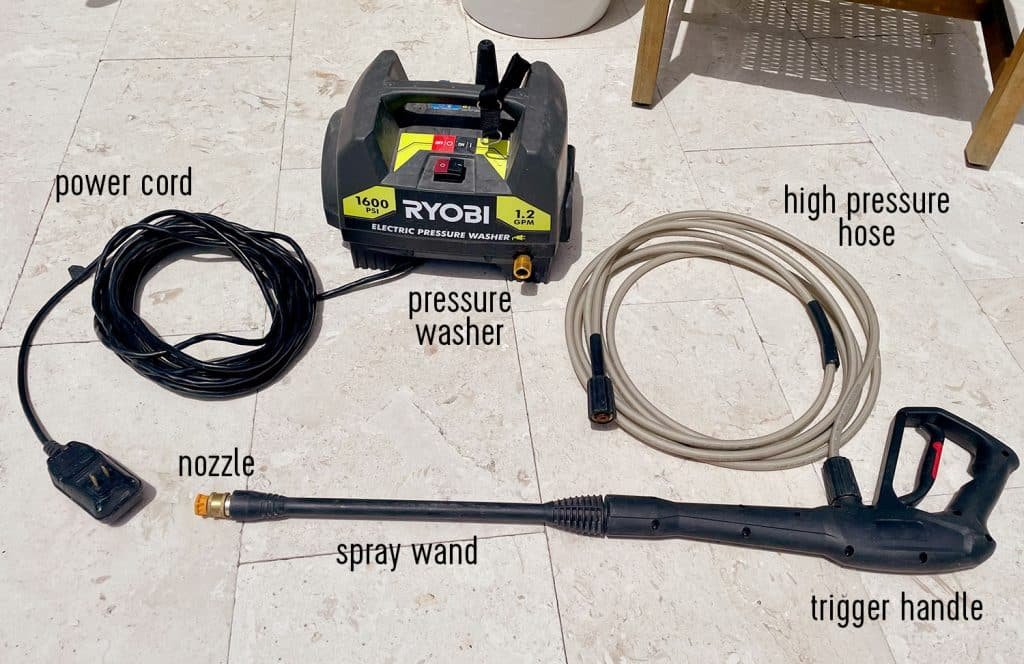
Now it is time to connect everything. This part is simple, but do it in order. A wrong start-up can damage the pump or create hose problems.
Basic setup steps
- Place the pressure washer on a flat surface.
- Connect the garden hose to the water inlet.
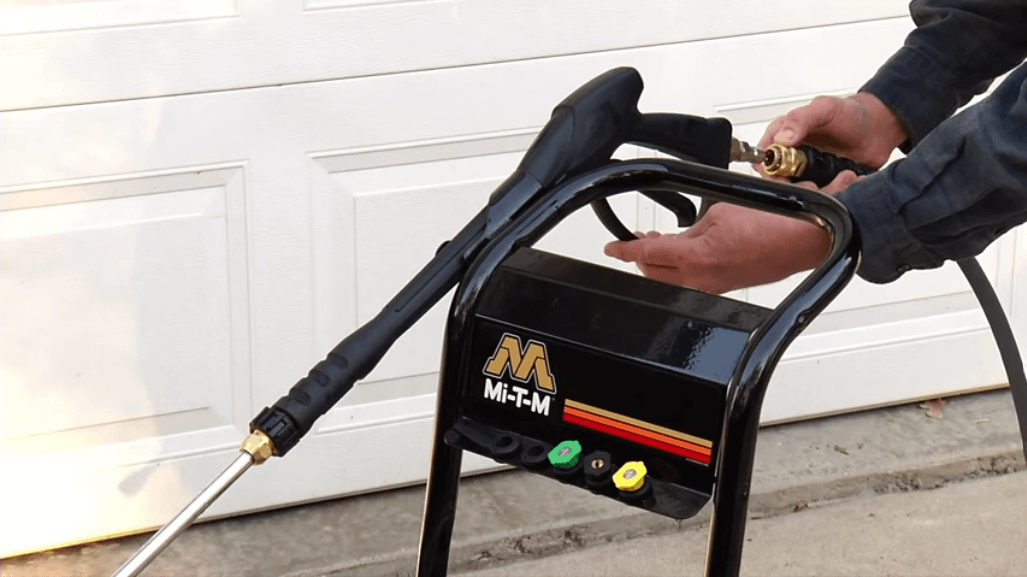
- Attach the high-pressure hose to the machine and spray gun.
- Install the nozzle you need.
- Turn on the water supply.
- Release air from the hose by squeezing the trigger before starting the motor or engine.
That last step matters more than many people think. If air stays inside the system, the washer may start poorly or spray unevenly. Letting water flow through first helps protect the pump.
Safety gear matters
A pressure washer can throw debris back at your face. It can also make surfaces slippery. Wear safety glasses, long pants, and closed-toe shoes. Gloves can help with grip, especially when the wand vibrates or gets wet.
If you are using a gas model, work in a well-ventilated area. Never run it inside a garage or enclosed space. Exhaust fumes can be dangerous.
Learn the right cleaning technique
The best way to how to use pressure washer equipment well is to move slowly and evenly. Do not hold the spray in one place. Do not stand too close. Let the water do the cleaning, not your force.
Credit: mitm.com
Start with a test spot
Before you clean the whole area, test a small hidden section. This shows you if the pressure is too strong or if the nozzle is safe for the surface. A test spot can save paint, wood grain, and sealant.
This step is especially important on older surfaces. Age makes many materials weaker than they look. A deck, for example, may seem solid but still splinter under high pressure.
Use steady, overlapping passes
Hold the wand at a slight angle and move in smooth lines. Overlap each pass a little so you do not leave streaks. Keep the spray moving from top to bottom or side to side in a controlled pattern.
For many jobs, a distance of 12 to 18 inches is a good starting point. For softer surfaces, stay farther away. If dirt does not come off, try a wider pass or a better detergent before moving closer.
Simple motion tips
- Keep two hands on the wand when possible.
- Move at a steady pace.
- Do not spray directly at windows, seals, or cracks.
- Work from cleaner areas toward dirtier areas.
- Rinse each section before moving on.
Use detergent the right way
Some jobs need soap. Detergent helps loosen grime, mold, and grease. But pressure washer soap should usually be applied at low pressure with the black nozzle. Let it sit for the time shown on the label, then rinse it off with clean water.
Do not let soap dry on the surface. It can leave marks or make rinsing harder. Work in smaller sections if the weather is hot.
Match the pressure to the surface
One of the biggest secrets to good cleaning is knowing that not every surface can take the same power. More pressure is not always better. In fact, too much pressure can cause expensive damage.
What different surfaces need
| Surface | Recommended approach | Extra care point |
|---|---|---|
| Concrete | Medium to high pressure | Watch for loose mortar and etched marks |
| Wood deck | Low to medium pressure | Keep the wand moving to avoid splintering |
| Vinyl siding | Low pressure with wide nozzle | Do not spray upward into seams |
| Car paint | Very low pressure | Keep distance and avoid sharp nozzle tips |
| Brick | Medium pressure | Check mortar joints first |
Many people damage surfaces not because the machine is too strong, but because they stand too close. Distance matters almost as much as pressure. A gentle spray from the right distance can clean better than a strong blast held too near.
Watch for hidden damage
Some problems are not obvious at first. A surface may look clean, but the water may have forced dirt into cracks, opened up paint edges, or lifted old sealant. If you see flaking, stop and reduce pressure.
On wood, the grain can raise after washing. On painted surfaces, edges can peel. On concrete, too much pressure can leave visible lines. These are signs to slow down and adjust your method.
Clean different areas the right way
Different outdoor surfaces need different care. Using the same method everywhere is a common beginner mistake. Here is how to handle the most common jobs more safely.
Credit: younghouselove.com
Driveways and concrete
Concrete can usually handle stronger pressure than other surfaces. Start with a 25-degree nozzle and work in even passes. If there is oil or deep dirt, use a detergent first. A surface cleaner attachment can also give more even results and reduce striping.
Work from the highest point to the lowest point so dirty water flows away from cleaned areas. That simple habit can save time later.
Wood decks and fences
Wood needs extra care. Use lower pressure and keep the wand moving at all times. Spray along the grain, not against it. If you spray across the grain too hard, you can leave permanent marks.
After cleaning, let wood dry before sealing or staining. Wet wood may look clean but still hold moisture inside.
Cars and outdoor furniture
Use only light pressure and a wide spray. Never use a red nozzle on a car. Wash from top to bottom and rinse soap off well. Keep the tip away from trim, mirrors, badges, and rubber seals.
For furniture, check the material first. Plastic, metal, and coated wood can often be cleaned safely with a softer spray, but old paint may peel if you get too close.
House siding
For siding, aim the spray across the surface, not upward. Spraying up can force water behind panels. Work in sections and rinse from top to bottom. If the siding has mildew, use a cleaning solution that is safe for exterior use.
For more general safety guidance, the Consumer Reports pressure washer guide is a helpful external resource.
Avoid the mistakes that cause damage
When people first learn how to use pressure washer equipment, they often make the same errors. These mistakes are easy to avoid once you know what to watch for.
Common mistakes to avoid
- Using too much pressure on soft surfaces.
- Standing too close to the target.
- Using the wrong nozzle.
- Spraying windows, electrical boxes, or vents directly.
- Letting soap dry on the surface.
- Starting without testing a small area first.
- Forgetting to rinse dirt away as you go.
Another mistake many beginners miss is cleaning in bright hot sun during a warm day. Water and soap dry too fast, which can leave streaks or spots. If possible, work in shade or during cooler hours.
Finish the job properly
Cleaning is not done the moment the dirt disappears. A proper finish helps prevent streaks, water spots, and leftover soap. It also helps you inspect the surface for damage.
Rinse and inspect
After washing, rinse the entire surface with clean water. Look closely at corners, edges, and lower areas where dirt can collect. Check for spots you missed and clean them before packing up.
If you used detergent, make sure no residue remains. Leftover soap can attract dirt and make the surface look dull.
Shut down the machine correctly
- Turn off the motor or engine.
- Turn off the water supply.
- Squeeze the trigger to release remaining pressure.
- Disconnect the hose and wand.
- Drain water from the system if the manual says to do so.
This final pressure release step is important. If the system stays pressurized, it can be harder and less safe to disconnect later.
Store your pressure washer the right way
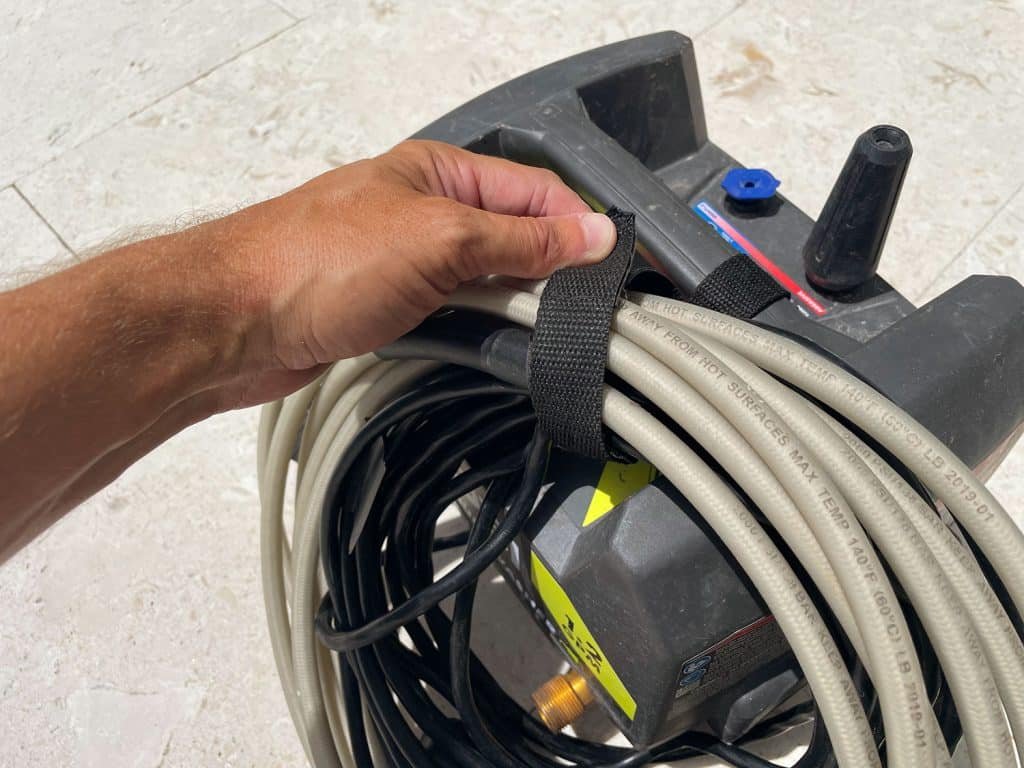
Good storage helps the machine last longer. Water left inside hoses or pumps can cause wear, freezing problems, or bad smell. A little care after each use can save money later.
Credit: younghouselove.com
Storage tips
- Drain leftover water from hoses and accessories.
- Coil hoses neatly without tight bends.
- Store the unit in a dry place.
- Keep nozzles and small parts together.
- Check the machine before the next use.
If you live in a cold area, take extra care before winter. Frozen water can damage the pump. Follow the manufacturer’s winter storage instructions if your model has them.
Why safe technique gives better results
Many people think safety rules slow the job down. In reality, safe technique often makes cleaning faster. When you use the right nozzle, right distance, and right speed, you need fewer repeat passes and less repair work later.
That is the real value of learning how to use pressure washer tools properly. You do not just clean. You clean in a way that protects your surfaces, saves water, and reduces mistakes.
The best users are not the ones who spray the hardest. They are the ones who know when to use less pressure, when to use soap, and when to stop and test first. That habit saves time and protects your property.
Frequently asked questions
1. What pressure washer should a beginner use?
A beginner should usually start with a smaller electric pressure washer for light to medium jobs. It is easier to control and safer for learning. If you only plan to clean patios, cars, or outdoor furniture, a lower-powered model is often enough.
2. How far should I hold the pressure washer from the surface?
A good starting distance is about 12 to 18 inches, but it depends on the surface and nozzle. Soft surfaces need more distance. Hard surfaces like concrete can handle a closer pass, but always start farther away and move closer only if needed.
3. Can I use a pressure washer on a house siding?
Yes, but use low pressure and a wide spray. Never spray upward into seams or gaps. That can push water behind the siding and cause damage inside the wall.
4. Do I need detergent with a pressure washer?
Not always. Plain water is enough for light dirt. Detergent helps with grease, mildew, and heavy grime. Use a pressure-washer-safe product and apply it at low pressure before rinsing.
5. What should I do if the pressure washer is not spraying properly?
Check the water supply, hose connections, nozzle, and trigger gun first. Make sure the hose is not kinked and the nozzle is not clogged. If the machine still does not work, stop and follow the manual before using it again.
