
Many homeowners want a clean roof, but they do not want to damage shingles, tiles, or themselves in the process. That is why learning how to pressure wash a roof the right way matters so much. A roof can look simple from the ground, but once you climb up there, the risks rise fast. Water can drive under shingles, break seals, or push dirt into places that should stay dry.
The good news is that a roof can be cleaned safely if you use the right method, the right pressure, and the right technique. In many cases, the safest approach is not “more power,” but less pressure and more control. The goal is to remove moss, algae, mildew, and loose dirt without harming the roof surface or creating a slip hazard.
This guide explains the full process in a clear way. You will learn what to check before starting, what tools to use, how to work step by step, and what mistakes to avoid. By the end, you will understand not just how to pressure wash a roof, but how to do it in a way that protects your home and your safety.
What to know before you clean the roof
Before you turn on any washer, you need to know what kind of roof you have. This is one of the most important parts of the job. A roof is not like a driveway or patio. It has layers, edges, seals, vents, and sometimes fragile material that can be damaged by strong water.
As a general rule, pressure washing is risky on many roof types. Asphalt shingles, for example, can lose granules. Older shingles can crack. Tile roofs can break under foot pressure. Metal roofs may handle cleaning better, but even there, strong pressure can force water into seams or damage coating.
If you are not sure whether your roof can handle pressure washing, check the manufacturer’s care guide or speak with a roofing expert. For general roof cleaning safety guidance, the Angi roof cleaning guide is a helpful starting point.
Know the difference between cleaning and blasting
Many people think roof cleaning means using a powerful spray to strip away dirt fast. That is a mistake. A roof should be cleaned, not attacked. The best approach uses controlled water flow, proper angle, and the lowest pressure that still works.
If heavy moss or black streaks are the main problem, you may need a pre-treatment before rinsing. This reduces the need for force and helps protect the roof surface.
Check the weather first
Do not pressure wash a roof on a windy day, during rain, or when the roof is already wet and slippery from dew. Mild, dry weather is best. Too much sun can also make cleaning solutions dry too quickly, leaving marks. A cool, dry morning is often ideal.
The tools and safety gear you need
Roof cleaning is not a job where you should guess your way through. The right tools make the work safer and more effective. They also help reduce the chance of damage.
| Item | Why it matters |
|---|---|
| Pressure washer with adjustable settings | Lets you use low pressure instead of a harsh spray |
| Extension wand | Helps you stay farther from the roof surface |
| Soft wash nozzle or wide fan nozzle | Spreads water out and lowers impact |
| Non-slip boots | Improves grip on the roof |
| Safety harness and anchor | Reduces fall risk on steep roofs |
| Eye protection and gloves | Protects against spray and cleaning agents |
| Roof-safe cleaning solution | Helps loosen stains and biological growth |
| Garden hose | Useful for pre-wetting and rinsing nearby areas |
One non-obvious point many beginners miss is that the nozzle matters as much as the pressure. A narrow nozzle can damage a roof even if the machine is set at a moderate level. A fan spray spreads energy across a wider area, which lowers the risk of harm.
Another important detail is that safety gear is not optional just because the roof “looks low.” Many roof accidents happen on short, single-story homes. The danger is not only height. Wet surfaces and sudden slips are common causes of injury.
Choose the right cleaning method for the roof type
Not every roof should be cleaned in the same way. The best method depends on the surface, age, and condition of the roof.
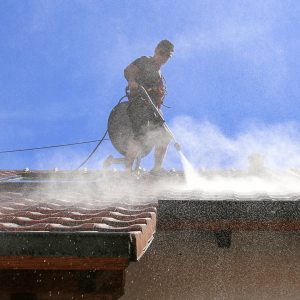
Credit: homesmiles.com
Asphalt shingles
These roofs are common, but they are also easy to damage. High pressure can remove protective granules and shorten the life of the shingles. In many cases, a soft wash method is safer than direct pressure washing. If you still use a pressure washer, keep pressure very low and hold the spray well away from the surface.
Tile roofs
Clay and concrete tiles can crack if you step in the wrong place. The cleaning process is often more about careful movement than strong water. Use low pressure and avoid spraying up under the tiles. That can push water into the underlayment.
Metal roofs
Metal roofs can often handle cleaning better than shingles or tile, but they still need care. Strong spray can damage coatings, loosen sealants, or force water into fasteners and seams. Work with low to moderate pressure and spray in the direction of the roof slope.
Wood shakes
Wood is delicate and usually should not be pressure washed in a strong way. Water can rough up the surface, force moisture deep into the wood, and speed up decay. If your roof is wood, get expert advice before cleaning.
How to pressure wash a roof step by step
Now let’s get into the practical part. If you want to learn how to pressure wash a roof safely, follow these steps in order. Do not skip the setup. Most problems happen before the actual washing starts.
1. Inspect the roof and repair damage first
Look for loose shingles, cracked tiles, rust spots, exposed nails, damaged flashing, or blocked gutters. If you see clear damage, repair it before cleaning. Pressure washing a weak area can make it worse.
Also check for soft spots. If a roof area feels unstable, do not walk there. That may signal hidden damage or rot.
2. Protect the area around the house
Move outdoor furniture, cover plants if needed, and close windows. If you are using a cleaning solution, rinse nearby plants before and after the job. Wet plants absorb less chemical if they are already watered.
Also protect electrical fixtures, vents, and skylights where needed. Water should be controlled, not allowed to travel wherever it wants.
3. Set the washer to the safest possible pressure
Start low. Very low. That is the smart choice. Increase only if needed, and only in small steps. Most roof cleaning does not need the kind of pressure used on concrete.
Use a wide spray pattern rather than a concentrated jet. Keep the wand moving. Never hold the spray in one spot for long.
4. Apply cleaner if needed
If there is algae, moss, mold, or dark staining, a roof-safe cleaning solution can help loosen the buildup. Apply it carefully and let it sit for the recommended time. This reduces the need to force the dirt off with water alone.
This is another point beginners often miss: chemistry can replace pressure. A good cleaning agent usually does more work than a stronger machine setting. That means less damage and often a cleaner result.
5. Rinse from the top down
Always work from the higher part of the roof toward the lower edge. This follows the natural flow of water. It also helps prevent dirty runoff from going back over cleaned areas.
Use smooth, overlapping passes. Keep the spray angled so water flows away from shingle edges, not under them. If you see water forcing its way under the roof material, stop and reduce the pressure.
6. Treat stubborn spots carefully
For moss or heavy stains, do not immediately move to stronger pressure. First, try a second light application of cleaner. Let it work. Then rinse again. Scraping or blasting can damage the surface and shorten the roof’s life.
7. Rinse gutters and nearby surfaces
Cleaning the roof sends dirt and residue into gutters and downspouts. Flush them out after the roof is washed. Check that water flows freely away from the house. Standing water near the foundation can create another problem.
8. Inspect the roof again after cleaning
When the roof is dry enough to inspect, look for loose material, missed spots, and signs of damage. Check attic areas later if possible. If water got where it should not, you may notice damp insulation or ceiling marks.
How much pressure is too much?
There is no single perfect number for every roof, but the rule is simple: use the lowest pressure that gives a clean result. For roof work, lower is usually better.
Too much pressure can do more than remove dirt. It can:
- strip protective granules from shingles
- break tile edges
- force water under flashing
- damage seals around vents and skylights
- make the roof surface more likely to leak later
Think of pressure as a tool of last resort, not the main cleaning method. If the roof still looks dirty after a mild wash, the issue may be that the cleaner needs more time, not that the washer needs more power.
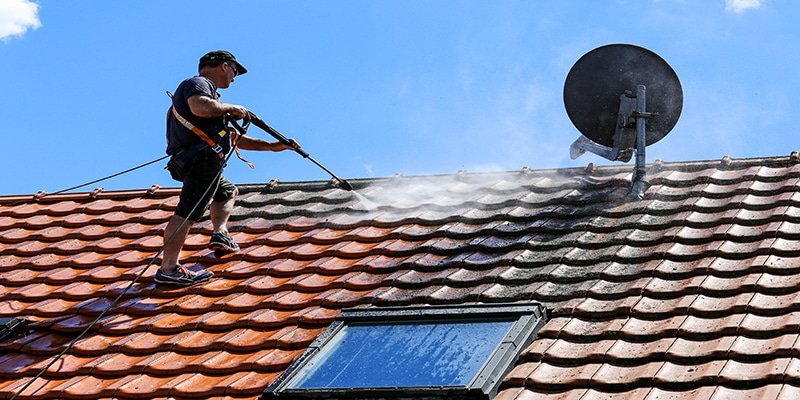
Credit: washh.com
Common mistakes that cause roof damage
Some errors happen again and again. If you avoid them, you greatly improve your chance of success.
Using the same settings as driveway cleaning
This is one of the biggest mistakes. A driveway can usually handle far more force than a roof. Roof materials are more delicate and more expensive to repair.
Spraying upward under the roof surface
Water should flow down, not up. Spraying upward can push moisture under shingles or tiles and into the attic space.
Standing too close
The closer the wand is, the stronger the impact. Many users think they are saving time by moving in close. In reality, they raise the risk of damage.
Walking too much on the roof
Every step adds risk. Limit movement to the areas you truly need to reach. Use extension tools when possible. On fragile roofs, this matters even more than the spray itself.
Ignoring runoff
Dirty water can stain siding, kill plants, and clog gutters. Good roof cleaning includes control of the water after it leaves the roof.
When soft washing is the better choice
Sometimes the safest answer to how to pressure wash a roof is not to pressure wash it at all. Soft washing uses low pressure and cleaning agents to remove dirt, algae, and mildew. It is often better for older roofs and for surfaces that cannot take hard spray.
Soft washing is usually the better choice when:
- the roof is old or brittle
- the shingles already have wear
- there is heavy algae or moss growth
- the roof has many seals, vents, or fragile edges
- you want less risk of surface damage
For many homeowners, soft washing gives a cleaner and safer result than high-pressure washing. The roof stays in better shape, and the work is easier to control.
How to stay safe while working on the roof
Cleaning the roof is only half the job. Staying safe is the other half. A clean roof is not worth a serious fall.
Use a proper ladder placed on stable ground. Keep three points of contact when climbing. Do not work alone if you can avoid it. Have someone nearby who knows you are on the roof and can help in an emergency.
Wear shoes with strong grip. Wet roofs can be extremely slick, even on shallow slopes. If your roof pitch is steep, a harness is strongly recommended. Some jobs are best left to trained professionals, especially if the roof is high, damaged, or hard to access.
Also be careful with chemicals. Read the label. Mix only as directed. Never combine products unless the label says it is safe. Fumes and splashes can cause harm fast.
Aftercare that helps the roof stay clean longer
The job does not end when the washer is turned off. A few simple follow-up steps can help the roof stay cleaner for longer.
Trim overhanging tree branches. Less shade and fewer falling leaves often mean less moss and algae growth. Keep gutters clear so water drains properly. Standing water and debris encourage staining and biological growth.
It also helps to inspect the roof once or twice a year. Early signs of algae or buildup are easier to treat than a full roof covered in growth. Regular care is less stressful than major cleaning.
A small but useful tip: if your roof gets dirty fast, the source may be nearby trees, poor drainage, or roof design, not just “bad luck.” Solving the cause can reduce how often you need cleaning.
When to call a professional
There are times when DIY roof cleaning is not the smart choice. Call a professional if the roof is very steep, very high, heavily damaged, or made from a delicate material. You should also get help if you are not comfortable working at height or if the roof has signs of leaks.
A trained contractor can often choose the correct method faster and with less risk. In some cases, that can save money by preventing roof damage that would cost far more to fix later.
If you do decide to do it yourself, be honest about your limits. Confidence is good. Overconfidence is expensive.
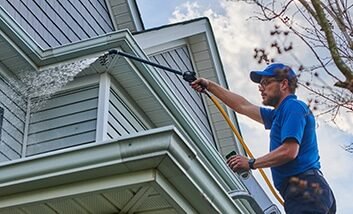
Credit: gotruecleanpowerwash.com
Simple summary of the safest approach
If you want the shortest possible answer to how to pressure wash a roof, it is this: inspect the roof first, use the lowest pressure possible, spray downward with a wide fan, apply cleaner when needed, and avoid forcing water under the roofing material. Keep safety gear on, watch your footing, and do not treat the roof like concrete.
Good roof cleaning is controlled, careful, and patient. It is not about power. It is about protecting the roof while removing the buildup that makes it look old and neglected. Done correctly, the roof looks better and lasts longer.
FAQs
1. Can I pressure wash any type of roof?
No. Some roofs, especially older asphalt shingles, wood shakes, and fragile tiles, can be damaged by pressure washing. Always check the roof material first. In many cases, soft washing is safer.
2. What is the safest pressure setting for a roof?
The safest setting is usually the lowest one that still removes dirt. There is no universal number for every roof, but high pressure is rarely a good idea. Start low and only increase if truly needed.
3. Should I use soap or cleaning solution before rinsing?
Yes, often you should. A roof-safe cleaner helps loosen moss, algae, and stains so you do not need to rely on pressure alone. This usually improves results and lowers the risk of damage.
4. Is it safe to walk on the roof while pressure washing?
Only if the roof is stable, the pitch is manageable, and you use proper safety gear. Even then, limit movement as much as possible. Wet roofs are slippery, so falling is a real risk.
5. How often should a roof be cleaned?
Most roofs do not need frequent washing. Many homes only need cleaning when there is visible algae, moss, or heavy dirt buildup. In areas with trees or humidity, an inspection once or twice a year is helpful.
