
If you have ever stood in a hardware store and stared at two tools that look almost the same, you are not alone. The hammer vs mallet choice confuses many people. Both tools strike objects. Both have a handle and a head. But they are not built for the same job.
Using the wrong one can damage your work, waste energy, or even make the task harder than it should be. The good news is simple: once you understand how each tool works, the choice becomes very easy.
This guide explains the real difference between a hammer and a mallet, when to use each one, what to look for before buying, and the mistakes beginners often make. By the end, you will know exactly which tool belongs in your hand for the job in front of you.
Why these two tools are not the same
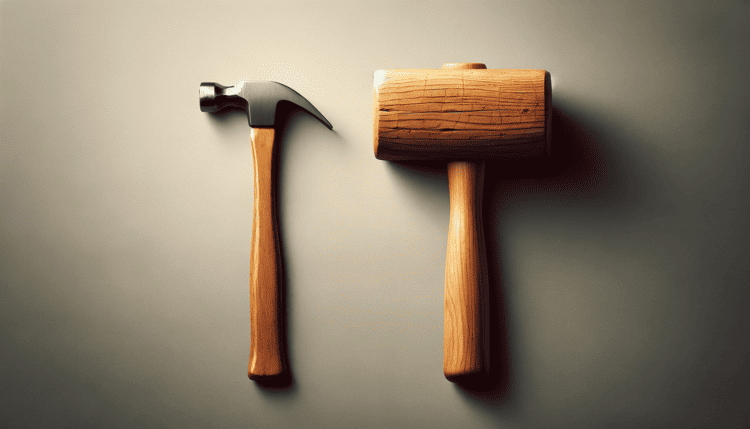
At first glance, a hammer and a mallet may seem like close cousins. But their purpose is different. A hammer is made for force and precision. A mallet is made for impact without damage. That single difference changes how they feel, how they work, and what they should be used for.
A hammer usually has a metal head. It is designed to drive nails, break small objects, shape metal, or deliver a sharp hit. A mallet often has a softer head made from rubber, wood, plastic, or rawhide. It delivers a gentler blow that spreads force across a larger area.
Here is the simplest way to think about it: if you need to push something in hard, use a hammer. If you need to hit something without leaving marks or crushing it, use a mallet.
The basic design difference
The head material is the biggest clue. Most hammers have a steel head. Most mallets use softer materials. That is not just a small detail. It affects how each tool transfers energy.
A steel hammer head concentrates force into a smaller point. That helps drive nails and makes the strike more powerful. A mallet head spreads the force out. That makes it safer for wood, leather, tile, furniture, and assembled parts that should not be dented.
The handle also matters. Many hammers have handles shaped for control and repeat strikes. Mallets often have a more balanced feel for controlled tapping. Some mallets are designed to reduce rebound, which is useful when you want steady, repeated strikes.
What a hammer is really for
A hammer is a striking tool built for force and accuracy. The most common use is driving nails into wood. But a hammer can do much more than that.
Carpenters use hammers to assemble frames, remove nails, and make quick adjustments on job sites. Mechanics and metal workers may use special hammers for shaping or separating parts. A claw hammer, in particular, is one of the most common tools in homes because it can drive and remove nails.
For most people, a hammer is the tool for tasks that need a strong, direct hit. It is the better choice when the surface can handle impact and the goal is to move a fastener or break resistance.
Common hammer types
Not all hammers are the same. The right type depends on the task.
- Claw hammer – Used for driving and removing nails.
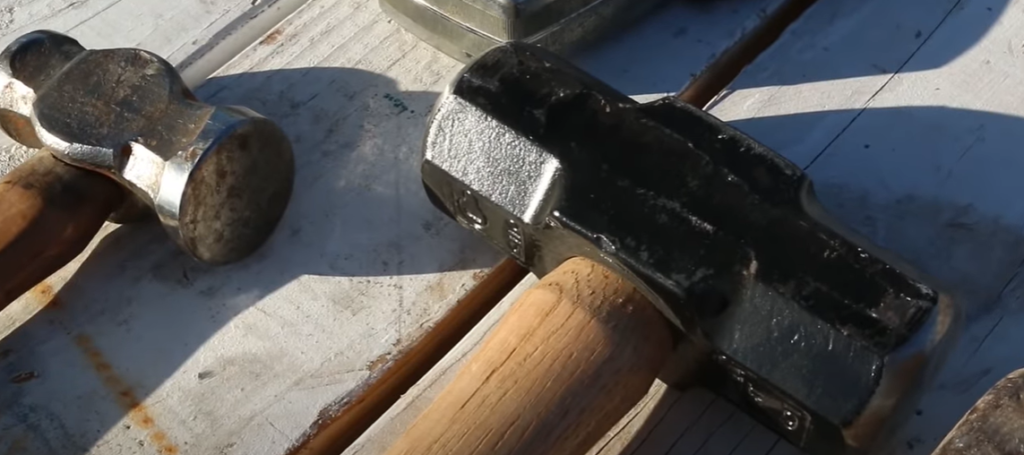
- Ball peen hammer – Used in metalwork and shaping metal.
- Framing hammer – Heavier and built for construction work.
- Dead blow hammer – A special hammer that reduces rebound, often used in automotive or assembly work.
Each hammer type is made for a different level of force and control. That is why “hammer” is not just one single tool. It is a broad category.
What a mallet is really for
A mallet is made for softer impact. It helps you strike with control while protecting the material you are working on. This is why woodworkers, furniture builders, tile setters, leather workers, and craftsmen often use mallets instead of hammers.
For example, when fitting wooden joints, a mallet can tap pieces together without denting the wood. In leatherwork, a mallet can shape material without cutting or marking it. In tile work, a rubber mallet can help position tiles gently.
The key idea is simple: a mallet lets you apply force without harsh damage.
Common mallet types
- Rubber mallet – Best for gentle tapping and surface protection.
- Wooden mallet – Often used in woodworking and carving.
- Rawhide mallet – Used when a softer, less damaging strike is needed.
- Plastic mallet – Good for light assembly work and general use.
Different mallet materials create different levels of softness, rebound, and durability. A rubber mallet is common for general home use. A wooden mallet is more traditional in fine craft work. A plastic mallet often sits somewhere in the middle.
Hammer vs mallet: the real difference in how they hit
The most important difference in the hammer vs mallet discussion is not just the material. It is the way the force behaves when the tool hits something.
A hammer concentrates energy. That makes it strong, sharp, and efficient for hard tasks. A mallet spreads energy. That makes it gentler and less likely to leave marks.
This difference matters more than many beginners realize. A hammer can damage soft wood, split a surface, or deform a part if used carelessly. A mallet may not provide enough force to drive a nail, but it can protect an expensive surface from dents and scratches.
So the question is not “Which one is stronger?” The better question is “What kind of force does this job need?”
| Feature | Hammer | Mallet |
|---|---|---|
| Head material | Usually metal | Usually rubber, wood, plastic, or rawhide |
| Best for | Nails, breaking, shaping, heavy striking | Gentle tapping, assembly, protecting surfaces |
| Impact style | Focused, strong, direct | Broader, softer, less damaging |
| Risk of damage | Higher on soft surfaces | Lower on delicate surfaces |
| Common users | Carpenters, builders, mechanics | Woodworkers, tile setters, craftsmen |
Credit: woodworkingtrade.com
When to use a hammer
Use a hammer when you need force, speed, and precision. It is the better tool for tasks that involve nails, fasteners, or hard materials that can handle a strong hit.
Here are the most common times to choose a hammer:
- Driving nails into wood
- Removing nails with a claw hammer
- Breaking apart small wooden pieces
- Shaping or striking metal with the right hammer type
- Construction work where a strong strike is needed
One useful but often missed detail: if you are working with nails in tight places, the weight and balance of the hammer matter as much as the head shape. A hammer that is too light may force you to swing harder. A hammer that is too heavy may slow you down and reduce control.
Signs you need a hammer, not a mallet
If the job involves a nail, spike, pin, or metal fastener, a hammer is usually the right choice. If the tool has to transfer direct force to make something move, a hammer is likely better.
Another clue is sound. If the work area can handle a sharp, loud strike, a hammer is often fine. If noise, surface protection, or accuracy is more important, a mallet may be safer.
When to use a mallet
Use a mallet when you need controlled force without damage. It is ideal for joining parts, adjusting pieces, and tapping materials into place.
Here are common mallet jobs:
- Assembling furniture or wooden joints
- Setting tiles gently into place
- Working with chisels in woodworking
- Shaping leather or soft materials
- Tapping parts that should not be scratched or dented
One useful insight many beginners miss is that a mallet is often better even when the task feels “strong.” For example, if you are assembling a wooden frame, a hammer may seem faster. But a hammer can bruise the wood and weaken the finish. A mallet gives enough force to seat the joint while protecting the surface.
Signs you need a mallet, not a hammer
If the material is soft, finished, polished, painted, or fragile, a mallet is usually the safer choice. If the goal is to fit parts together without leaving marks, a mallet is the right tool.
Also, if you find yourself trying to “control” a hammer by hitting very lightly, that is often a sign you should switch to a mallet. The softer head gives better results with less risk.
Which one should you use at home?
For general home use, a hammer is often the first tool people buy. It covers a wide range of basic jobs. But a mallet quickly becomes useful once you start doing furniture assembly, small repairs, or DIY projects with wood and delicate materials.
If your home toolkit is small, start with a good claw hammer and a rubber mallet. That pair covers most common needs. The hammer handles nails and basic repair work. The mallet handles gentle assembly and surface-safe tapping.
That is the practical answer for most people: you do not need to choose only one forever. But if you are deciding which one to reach for right now, let the job decide.
A simple rule for home projects
If the surface can be damaged by a dent, use a mallet. If the task needs a nail driven in, use a hammer. If you are unsure, stop and think about the material first, not the tool first.
That small habit saves a lot of mistakes. Many people choose the tool they already know best. Better results come from choosing based on the material and the finish.
What beginners often get wrong
Most mistakes in the hammer vs mallet choice come from misunderstanding force. People think “stronger” is always better. It is not.
Here are the biggest mistakes:
- Using a hammer on soft wood – This often leaves dents and marks.
- Using a mallet to drive nails – The softer head does not deliver the right kind of force.
- Choosing the wrong weight – A tool that is too heavy or too light reduces control.
- Ignoring handle comfort – A bad grip can make the tool harder to control and more tiring to use.
- Using one tool for everything – This usually leads to poor results and damaged materials.
A second non-obvious point: rebound matters. Some striking tools bounce back after impact more than people expect. That can affect accuracy, especially when working on repeated taps. A tool that feels “soft” is not always weaker. Sometimes it is just better controlled.
Credit: toolsprofy.com
Material matters more than many people think
The head material changes the whole experience. This is one of the most important buying factors, yet many people ignore it.
Steel heads are durable and powerful. Rubber heads are forgiving. Wooden heads sit in the middle for certain craft jobs. Plastic heads can be useful when you want a light, clean tap. Rawhide heads are more specialized and are often used in fine work.
There is also a difference in how each material reacts over time. A steel hammer lasts a long time under hard use, but it can damage a delicate surface quickly. A rubber mallet may wear down sooner, but it protects the job better. So durability and usefulness are not the same thing.
How to choose the right head material
- Choose steel for nails, force, and tough jobs.
- Choose rubber for general soft tapping and home projects.
- Choose wood for woodworking and hand tool use.
- Choose plastic for light assembly and cleaner handling.
If you work on different materials often, having more than one striking tool is smarter than forcing one to do everything.
Handle length, balance, and comfort
Many buyers focus only on the head. That is a mistake. The handle affects control, fatigue, and accuracy.
A longer handle gives more swing power, but it may feel less precise in close spaces. A shorter handle gives better control, but less striking force. The shape of the grip matters too. A comfortable grip reduces slipping and hand strain.
Balance is another detail beginners often miss. A tool that feels balanced will land where you aim it more easily. That is important for both a hammer and a mallet, especially if you are doing repeated work.
If possible, hold the tool before buying it. A good hammer or mallet should feel steady in your hand, not awkward or top-heavy.
Safety tips that apply to both tools
Even simple striking tools can cause injury if used carelessly. A bad swing can hurt your hand, damage the work, or send material flying.
Keep these habits in mind:
- Wear eye protection when striking hard materials.
- Keep your fingers away from the impact area.
- Check that the head is secure before use.
- Use controlled swings instead of wild force.
- Match the tool to the surface and the task.
One of the best safety habits is to pause before the first strike. Ask yourself what will happen if the hit is a little too hard. If the answer is “the project may get damaged,” then you probably need a mallet or a different approach.
How to decide quickly in real life
If you want a fast answer, use this rule:
- Need to drive or remove a nail? Use a hammer.
- Need to tap parts together without damage? Use a mallet.
- Working with soft, finished, or delicate material? Use a mallet.
- Working with hard fasteners or construction tasks? Use a hammer.
If you are still unsure, think about the material first. Hard surfaces and fasteners usually call for a hammer. Soft, polished, or assembled surfaces usually call for a mallet.
For more detailed tool safety and handling advice, the OSHA website is a helpful authority for workplace safety basics.

Credit: gettyimages.com
The bottom line on hammer vs mallet
The difference between a hammer and a mallet is simple, but the right choice matters a lot. A hammer is for force, nails, and direct impact. A mallet is for gentle tapping, controlled assembly, and surface protection.
If you are doing everyday home repairs, a hammer will probably be your most used tool. If you work with wood, furniture, tiles, or delicate materials, a mallet will save you from damage and frustration. In many cases, the smartest setup is to own both.
So the next time you face the hammer vs mallet question, do not ask which one is stronger. Ask which one will do the job cleanly, safely, and with the least damage. That is the real answer.
FAQs
1. Can a mallet replace a hammer?
Not fully. A mallet is good for gentle force, but it is not made to drive nails or handle hard striking jobs the way a hammer can.
2. Is a rubber mallet better than a wooden mallet?
It depends on the job. A rubber mallet is better for general tapping and surface protection. A wooden mallet is often better for woodworking and chiseling tasks.
3. Why do hammers have metal heads?
Metal heads concentrate force into a small area. That makes them effective for driving nails, striking hard surfaces, and delivering a strong impact.
4. What is the safest tool for furniture assembly?
In many cases, a mallet is safer because it helps seat parts without denting or scratching the surface. A rubber mallet is a common choice.
5. Should a beginner buy both a hammer and a mallet?
Yes, that is usually the best option. A hammer covers nails and basic repair work, while a mallet helps with assembly and delicate materials.
