
If you are new to cutting metal, one question comes up again and again: does a plasma cutter need gas? The short answer is yes, but not always the same kind of gas, and not in the way many beginners expect. Some plasma cutters use compressed air. Others use special gases or gas mixes. A few machines even use water in part of the process.
This is important because the gas does more than help the machine run. It helps make the plasma arc, controls cut quality, and affects how fast, clean, and safe the cut will be. If you choose the wrong setup, you may get rough edges, poor arc start, or fast wear on parts. If you choose the right one, the machine can cut smoothly and last longer.
In this guide, you will learn what gas plasma cutters really use, why gas matters, when air is enough, and how to choose the right setup for your work. You will also see common mistakes that beginners make, plus practical tips that save time and money.
How a plasma cutter actually works
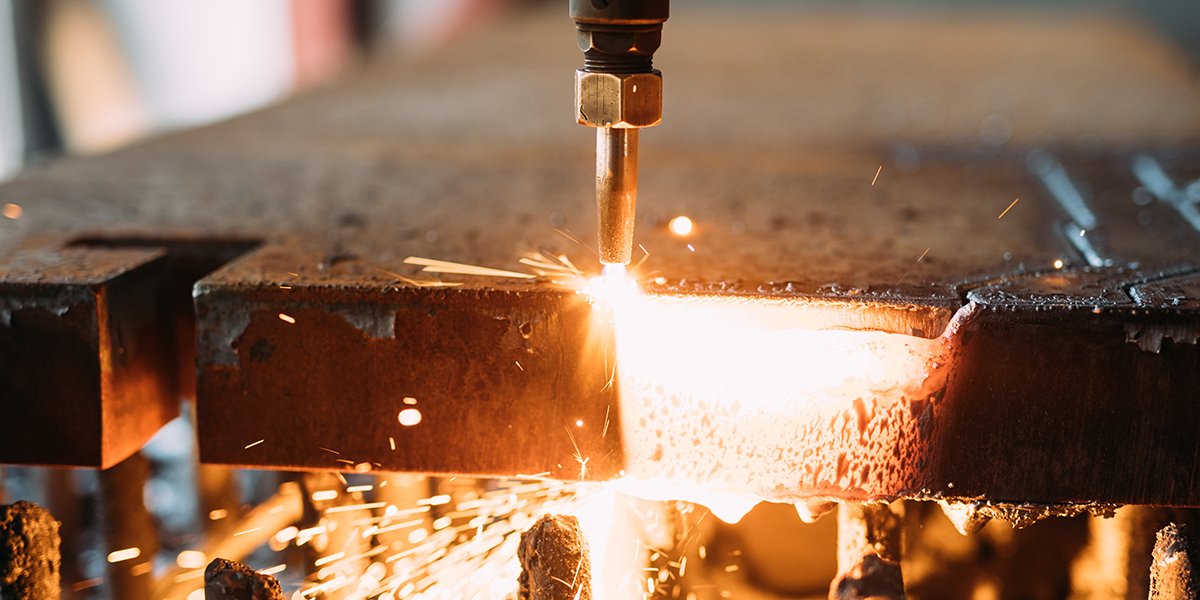
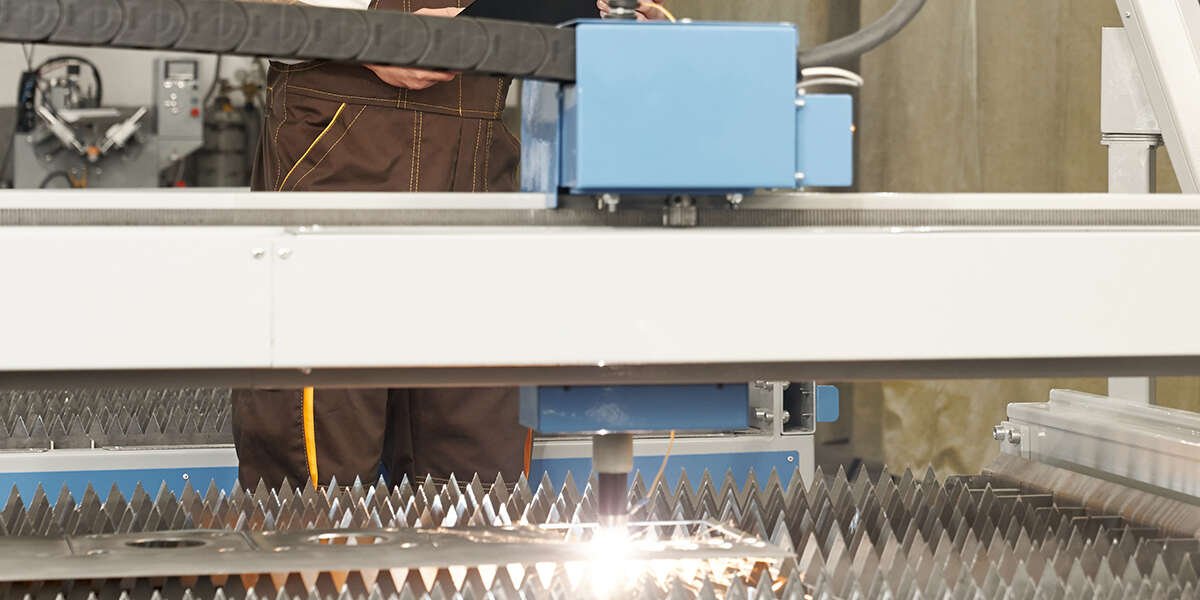
A plasma cutter uses electricity, pressure, and gas to create an extremely hot stream of ionized gas called plasma. That plasma melts the metal. At the same time, the force of the gas blows the melted metal out of the cut line.
The basic process is simple, but the details matter. Inside the torch, the gas passes through a small opening. The machine creates an electrical arc. That arc turns the gas into plasma. Once the plasma jet forms, it can cut through steel, stainless steel, aluminum, and other conductive metals.
The gas is not just a side feature. It is part of the cutting system. Without gas flow, the plasma arc cannot form correctly. So when people ask, does a plasma cutter need gas, the most accurate answer is that it needs a gas or gas-like medium to make the cut possible.
Why the gas matters so much
The gas inside the torch affects several things at once:
- Arc formation — it helps create the plasma stream.
- Heat control — it helps direct the heat to the cut line.
- Cut speed — the right gas flow supports faster cutting.
- Cut quality — it helps reduce dross, rough edges, and wide kerfs.
- Consumable life — the torch tip and electrode last longer when gas flow is correct.
Many beginners think the electricity does all the work. It does not. The gas is part of the cutting power.
What gas do plasma cutters use?
The most common gas is compressed air. This is why many people call these machines “air plasma cutters.” For many home shops, small fabrication jobs, and repair work, air is the simplest and cheapest choice.
But compressed air is only one option. Depending on the machine and the type of cutting work, plasma cutters may use:
- Compressed air
- Oxygen
- Nitrogen
- Argon-hydrogen mixes
- Water injection or water shielding in some systems
Most small and medium plasma cutters run on clean, dry compressed air. Industrial systems may use specialty gases for better edge quality, higher speed, or specific metal types.
| Gas type | Common use | Main benefit | Best for |
|---|---|---|---|
| Compressed air | Most small and mid-size plasma cutters | Low cost, easy to find | General cutting, repair, DIY |
| Oxygen | Some high-definition cutting setups | Cleaner cuts on mild steel | Production work |
| Nitrogen | Stainless steel and aluminum cutting | Better edge quality, less oxidation | Fabrication and finish work |
| Argon-hydrogen | Thicker material and special applications | Very hot arc, strong cut performance | Industrial use |
| Water-assisted systems | Advanced plasma systems | Reduced heat and better edge control | Precision cutting |
Can a plasma cutter work without a gas tank?
Yes, in many cases it can. This is one of the biggest reasons plasma cutters are popular. A small air plasma cutter may only need a compressor, air filter, and hose. You do not always need a heavy gas cylinder.
That said, “without a gas tank” does not mean “without gas.” It usually means the machine uses shop air instead of bottled gas. The compressor still supplies the compressed air that the cutter needs.
This is a useful non-obvious point: many new users think they can plug in a plasma cutter and start cutting right away. But if the machine uses air, the air must be clean, dry, and steady. Dirty or wet air can cause weak arcs, poor starts, and damaged consumables.
Credit: cyriousmetalworks.com
Why clean air is more important than many people think
Moisture is one of the biggest hidden problems in plasma cutting. Water in the air line can cause:
- Hard arc starts
- Uneven cuts
- Excess spatter or dross
- Short torch life
- Poor performance on thicker metal
So even if your plasma cutter is “air-based,” air quality still matters a lot.
When compressed air is enough
For most home users, small workshops, and mobile repair jobs, compressed air is enough. It is simple, affordable, and easy to maintain. If you cut mild steel, sheet metal, farm equipment, or light fabrication parts, an air plasma cutter is often the smartest choice.
Compressed air works well when you need:
- Lower operating cost
- Simple setup
- Good cutting speed
- Less equipment to manage
- Easy portability
It is also the most practical choice if you are learning. You do not need to handle gas cylinders or learn specialty gas settings right away.
The limits of air plasma cutting
Air is great for many jobs, but it is not perfect. Compared with specialty gases, air can leave more oxidation on the cut edge. It may also produce more dross on some materials, especially if settings are not tuned well.
Another thing beginners often miss is that compressor size matters. A small compressor may not keep up with the cutter. When air pressure drops, the cut quality drops too. In some cases, the machine may even stop cutting properly.
If you plan to cut thick metal for long periods, check the duty cycle of both the plasma cutter and the compressor. They must work together.
When a plasma cutter needs special gas
Some plasma cutters are designed for more than basic air cutting. These machines may use special gases to improve speed, edge finish, or performance on certain metals. This is common in industrial and high-definition plasma systems.
Special gases are often used when:
- You need cleaner edges with less cleanup
- You cut stainless steel or aluminum often
- You work with thick material
- You need high production speed
- You want lower oxidation on the cut face
For example, nitrogen is often used to improve cut quality on stainless steel. Oxygen can improve cutting performance on mild steel in some setups. Argon-hydrogen mixes may be used for thick or difficult materials because they produce a very hot arc.
Why specialty gas is not always the better choice
Special gases can improve results, but they also add cost and complexity. You may need gas bottles, regulators, storage space, and more setup knowledge. For a small shop, that extra effort may not be worth it.
Also, using the wrong gas in the wrong machine can damage performance. Plasma systems are often designed for specific gas types and pressure ranges. Always check the manufacturer’s manual before changing gas.
Gas pressure is as important as gas type
It is not enough to ask what gas a plasma cutter uses. You also need to ask how much pressure it needs. The correct pressure helps form a stable plasma arc and clears molten metal from the cut.
If pressure is too low, the arc may become weak or unstable. If pressure is too high, the arc can blow out too much material, which may create a wider cut or rough edge.
This is one of the most overlooked facts by beginners. Many people blame the machine when the real problem is incorrect air pressure. Even a good plasma cutter will cut badly if the pressure is off.
How to know the right pressure
The best answer is simple: follow the machine manual. Different models need different pressure ranges. Many units have a built-in regulator or a recommended pressure listed in PSI or bar.
If the manual says the cutter needs 70 PSI at the machine, do not guess. Check the pressure while the air is flowing, not only when the system is idle. Pressure can drop when the torch starts.
Does a plasma cutter need a compressor?
If your plasma cutter uses compressed air, then yes, it needs a compressor or another air supply. The compressor must provide enough airflow, not just pressure. This is a key point many buyers miss.
A plasma cutter may show a pressure number like 60 or 70 PSI, but it also needs enough CFM for the job. CFM means cubic feet per minute. It tells you how much air the compressor can supply over time.
A compressor that cannot keep up may cause the cutter to work for a few seconds, then perform poorly as the air supply drops. That leads to weak arc starts, bad cuts, and frustration.
Credit: cyriousmetalworks.com
Common compressor mistake
One common mistake is buying a plasma cutter first and checking the compressor later. That often leads to disappointment. The machine may be fine, but the air system is too small.
Before buying, match these three things:
- Required PSI
- Required CFM
- Compressor duty cycle
If you are unsure, choose a compressor with more capacity than the minimum. Extra margin is better than running at the edge.
How gas choice affects cut quality
Gas choice has a direct effect on the result. It influences edge smoothness, amount of slag, cut speed, and how much cleanup is needed after the cut.
With air, cuts are practical and cost-effective. With specialty gas, cuts can be cleaner and more consistent. But that does not mean air is “bad.” It simply means each gas type has a purpose.
What you may see on the finished cut
- Dross — melted metal that sticks to the bottom edge
- Oxidation — a colored or rough surface on the edge
- Kerf width — the width of the cut line
- Bevel — a slanted edge instead of a straight one
If you are doing rough repair work, some dross may not matter. If you are preparing parts for welding or final assembly, edge quality matters much more.
Here is a helpful rule: choose the gas system based on the final use of the part, not just on the cutting machine’s power rating.
Safety matters when using any gas-based plasma cutter
Plasma cutting is fast, but it is also hot and loud. The gas system adds a few safety points you should never ignore.
- Use proper ventilation.
- Wear eye protection and a face shield rated for plasma work.
- Keep hoses and fittings in good condition.
- Drain water from the compressor tank often.
- Keep gas cylinders secure if your setup uses bottled gas.
You should also keep the area free from flammable material. The arc can throw sparks far from the cut line. Hot metal can stay dangerous for a long time after cutting.
For official safety guidance on plasma cutting and general welding hazards, the OSHA welding, cutting, and brazing page is a helpful reference.
How to choose the right gas setup for your needs
If you are buying or using a plasma cutter, start with your real work. Do not choose based only on price or marketing words like “high performance.” Think about what you will cut most often.
Choose compressed air if you want:
- Simple setup
- Lower cost
- Good general-purpose cutting
- Easy maintenance
Choose specialty gas if you want:
- Better edge finish
- Less oxidation
- More production-focused cutting
- Better results on specific metals
Also think about your power source. A small portable cutter for farm repairs has different needs than a CNC table in a fabrication shop.
Two beginner mistakes to avoid
First, do not assume a stronger machine automatically gives better cuts. Gas flow, pressure, consumables, and technique all matter.
Second, do not ignore air quality. A cheap compressor with wet air can make an expensive plasma cutter perform poorly. That is one of the most expensive small mistakes a beginner can make.
Maintenance tips that improve gas performance
Good maintenance helps the gas system work properly and keeps your cuts more consistent.
- Check air filters regularly. Dirty filters reduce airflow and hurt cut quality.
- Drain moisture from the tank. Water in the air line causes many cutting problems.
- Inspect hoses and fittings. Small leaks can reduce pressure at the torch.
- Replace worn consumables. A worn tip or electrode can mimic a gas problem.
- Follow the recommended pressure settings. Guessing often leads to poor cuts.
Another useful tip: if a cut starts to look worse over time, do not only blame the gas. Check the torch parts first. Many “gas” issues are really consumable issues.
Credit: engweld.co.uk
So, does a plasma cutter need gas?
Yes, a plasma cutter needs gas or an air supply to work. In most small and mid-size machines, that gas is compressed air. In more advanced systems, it may be oxygen, nitrogen, argon-hydrogen, or another special gas mix.
The important idea is this: the gas is not optional. It is part of how the plasma arc is created and controlled. What changes from machine to machine is the type of gas, the pressure, and the quality of the air supply.
If you remember only one thing, remember this: the right gas setup can make a basic plasma cutter perform much better than a poor setup on a more expensive machine. That is why gas choice, pressure, and clean air matter so much.
FAQs
1. Does a plasma cutter need oxygen?
Not always. Most small plasma cutters use compressed air instead of oxygen. Some industrial systems do use oxygen for better cutting performance on certain metals, especially mild steel.
2. Can I use a plasma cutter without an air compressor?
Only if your machine uses bottled gas or another special setup. Most air plasma cutters need a compressor or another air source to supply clean, dry air at the right pressure.
3. What happens if the air pressure is too low?
The arc may become weak, the cut may stop, and the edge quality may get worse. Low pressure can also make the torch harder to start and reduce consumable life.
4. Is compressed air the same as gas for a plasma cutter?
Yes, in practical terms it is the gas source for many plasma cutters. When people talk about air plasma cutters, they usually mean machines that run on compressed air.
5. Why does my plasma cutter cut better after I change the air filter?
A clean filter improves airflow and removes dirt and moisture from the line. That helps the plasma arc stay stable and can improve cut quality right away.
