
If you want cleaner cuts, less burning, and better control, the number of teeth on your saw blade matters more than many people think. A blade is not just “sharp” or “dull.” Its tooth count changes how fast it cuts, how smooth the edge looks, and how much strain it puts on your saw.
This circular saw blade teeth guide will help you choose the right tooth count for different jobs without confusion. You will see when to use a low-tooth blade for fast ripping, when to use a high-tooth blade for smooth crosscuts, and why the “best” blade is not the same for every material.
By the end, you will know how to match tooth count to your cut, avoid common mistakes, and get better results from the saw you already own.
Why tooth count changes the cut
The teeth on a circular saw blade do more than slice wood. They control how much material each tooth removes, how fast sawdust leaves the cut, and how much friction builds up during work. That is why two blades with the same diameter can behave very differently.
In simple terms, fewer teeth usually mean faster cutting and rougher edges. More teeth usually mean smoother cutting and slower feed speed. But this is not the whole story. Tooth shape, gullet size, blade thickness, and the material you are cutting also matter.
For most beginners, the biggest mistake is choosing a blade by tooth count alone. A 60-tooth blade is not “better” than a 24-tooth blade. It is better for a different kind of cut.
What fewer teeth do
A blade with fewer teeth removes more wood with each tooth. That makes it cut quickly. It is great for ripping lumber along the grain, where speed matters and edge finish is less important.
These blades also clear chips well because the spaces between teeth, called gullets, are larger. That helps reduce clogging when cutting thick stock.
What more teeth do
A blade with more teeth takes smaller bites. That gives you a smoother edge and less tear-out, especially across the grain. It is the better choice for finish cuts, plywood, laminate, and trim work.
The tradeoff is heat. More teeth mean more friction. If you push too hard or feed too fast, the blade can burn the wood or bog down the saw.
Common tooth ranges and what they are best for
There is no single perfect number, but most circular saw blades fall into a few useful ranges. Once you understand these ranges, blade choice becomes much easier.
| Tooth Count | Typical Use | Cut Quality | Speed |
|---|---|---|---|
| 18 to 24 | Fast ripping, rough framing, thick lumber | Rough | Very fast |
| 24 to 40 | General purpose cuts, mixed work | Medium | Fast |
| 40 to 60 | Crosscuts, plywood, cleaner woodworking cuts | Smooth | Medium |
| 60 to 80+ | Finish work, fine trim, laminate, cabinet cuts | Very smooth | Slower |
This range chart is useful, but it should not be used like a strict rulebook. Blade design can change the result a lot. A high-quality 40-tooth blade may cut cleaner than a cheap 60-tooth blade.
Choose the tooth count based on the cut type
The easiest way to pick the right blade is to think about the direction of the cut. Are you cutting along the grain or across it? Are you making a rough framing cut or a visible finish cut?
For ripping with the grain
Ripping means cutting wood lengthwise, following the grain. This is where low tooth counts shine. A blade with 18 to 24 teeth is often the best choice for fast, straight ripping.
Why? Because the blade can move material out of the kerf quickly. This reduces drag and helps the saw keep moving without overheating.
If you use too many teeth for ripping, the blade may feel slow and start to scorch the wood. That is a common sign the blade is wrong for the job.
For crosscutting across the grain
Crosscutting is when you cut across wood fibers. This usually needs more teeth, often in the 40 to 60 range. More teeth reduce splintering and leave a cleaner edge.
This matters a lot on visible surfaces, such as furniture parts, trim, and hardwood boards. A rough edge can save time at the saw, but it often creates more sanding later.
For plywood and sheet goods
Plywood, MDF, and melamine need cleaner cuts because their surfaces are easy to chip. A 40- to 80-tooth blade is often better here, depending on the material and the finish you want.
One important detail many beginners miss: plywood is not just about tooth count. Blade geometry matters too. A high tooth count with the wrong tooth shape can still chip the top veneer. For sheet goods, a fine finish blade or a blade designed for plywood usually works better than a general blade with the same tooth count.
For trim and finish carpentry
When cutting baseboard, crown molding, or other visible trim, you want a smooth cut that needs little cleanup. A blade in the 60-tooth or higher range is usually a smart choice.
If you are cutting painted trim or fragile materials, a finer tooth count helps reduce tear-out at the edges. That saves time and gives you a cleaner joint.
Material matters as much as tooth count
Not every cut is about wood. The right tooth count changes when the material changes. A blade that works well on framing lumber may perform badly on laminate or plastic.
Credit: woodcraft.com
Softwood
Softwood like pine cuts easily. For rough cuts, low-tooth blades work well. For visible cuts, a medium or higher tooth count gives a cleaner finish.
Softwood can still burn if you use a dull blade or feed too slowly. A high tooth count is not always safer just because the material is soft.
Hardwood
Hardwood is denser and usually benefits from more teeth. A 40- to 60-tooth blade is a good starting point for cleaner cuts in hardwood boards.
With hardwood, a blade that is too coarse can leave a jagged edge and may pull the saw off line more easily.
Plywood, MDF, and melamine
These materials chip easily, especially on the top veneer or coating. Fine-tooth blades help, but feed rate matters too. Go steady and avoid forcing the cut.
Another detail many people miss: support the sheet well near the cut line. Even the right blade can leave a poor edge if the sheet flexes while cutting.
Plastic and composite materials
Plastic and some composite boards often need a blade that cuts cleanly without melting the edge. A blade with more teeth can help, but too much heat can still soften the material.
Use moderate speed and do not linger in the cut. Heat buildup can spoil the finish even with the right blade.
Tooth count is only part of blade performance
If you want better results, you should look beyond tooth count. Three other details can change the cut just as much.
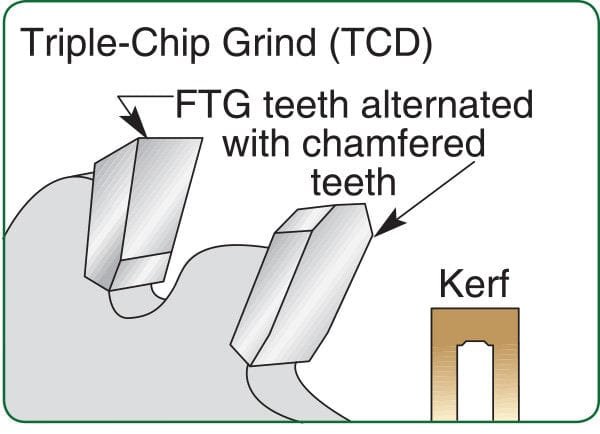
Tooth shape
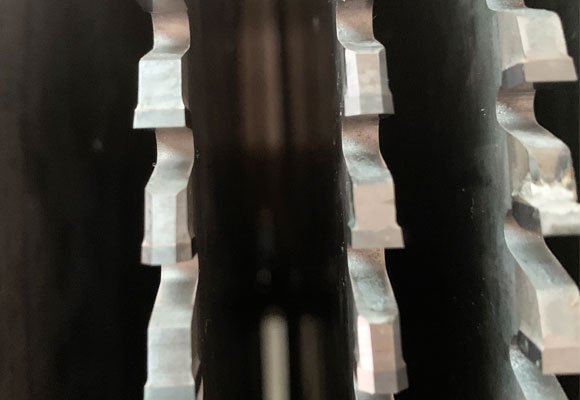
Different tooth shapes are made for different tasks. Some are made for aggressive ripping. Others are designed for cleaner crosscuts and fine finishing.
A blade with the right tooth shape and a medium tooth count may outperform a high-tooth blade with a less suitable design. This is one of the most overlooked parts of blade selection.
Gullet size
Gullets are the spaces between teeth. Bigger gullets carry away more waste. This is useful for ripping because the blade has to move a lot of material fast.
Smaller gullets are common on fine finish blades. They help create smoother cuts, but they are not ideal for heavy ripping.
Blade thickness
A thin-kerf blade removes less material, so the saw works less hard. This can help with cordless saws and smaller motors. But a thin blade may also vibrate more if the design is poor.
Do not assume thin-kerf always means better. Match the blade to the tool and the job.
How saw power changes the best tooth count
The size and power of your saw matter a lot. A powerful corded saw can handle fine-tooth blades better than a small cordless saw in some cases, but a small saw may struggle if the tooth count is too high.
If your saw has a weaker motor, a blade with fewer teeth may move easier through thick wood. This is especially important for cordless saws, where battery life also matters.
A more powerful saw can often use a higher tooth count for cleaner cuts without losing too much speed. Still, even a strong saw can overheat if the blade is wrong or dull.
A practical rule for saw power
If the saw feels like it is forcing you to slow down too much, the blade may be too fine for that job. If the edge looks rough and torn, the blade may be too coarse. The best choice balances cut quality and cutting speed.
When more teeth can actually make things worse
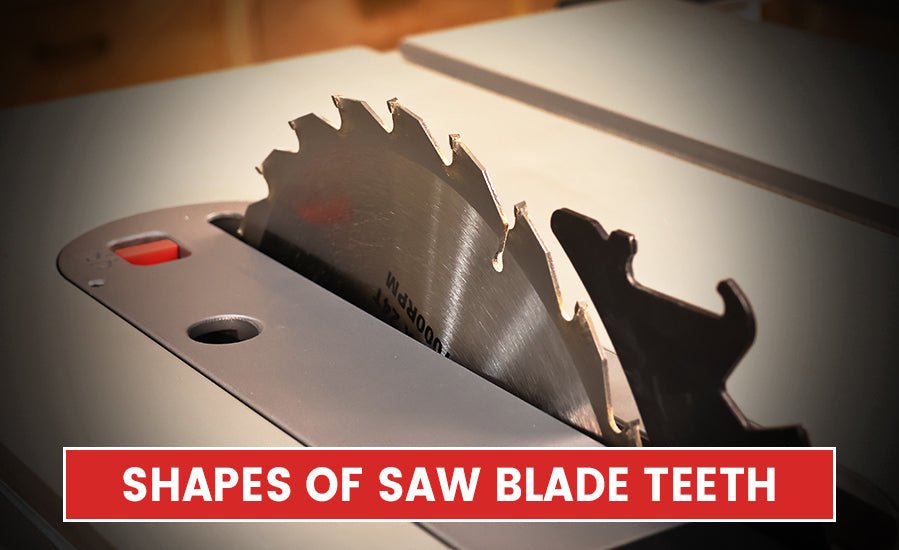
Many beginners think “more teeth = better cut.” That is only partly true. In some situations, too many teeth create problems.
Credit: findbuytool.com
1. The saw can overheat
More teeth means more contact with the wood. That can create heat, especially if you push too hard or cut too slowly. Heat can burn the wood and shorten blade life.
2. The blade can clog
If you use a fine-tooth blade for ripping, the small gullets may pack with chips. When this happens, cutting slows down and the saw may start to vibrate or smoke.
3. Battery saws may lose runtime
Fine-tooth blades can make cordless saws work harder. That can reduce battery life. For large jobs, a lower tooth count may be more efficient.
Matching tooth count to real-world jobs
Here is a simple way to choose without overthinking it. Start with the cut you want, then match the blade to the finish you need.
- Framing lumber and rough cuts: choose 18 to 24 teeth.
- General home projects: choose 24 to 40 teeth.
- Crosscuts in wood: choose 40 to 60 teeth.
- Plywood and finish work: choose 60 to 80+ teeth.
That simple range solves most blade decisions. If you work with many materials, a 40-tooth general-purpose blade is often a useful middle ground. It is not perfect for every job, but it can handle a lot of everyday work well.
Example 1: building a deck
For deck framing, you will make many fast cuts in softwood. A 24-tooth blade is often ideal. It cuts quickly and does not waste time on perfect edges that will be hidden.
Example 2: making cabinet panels
For cabinet parts or visible plywood panels, a 60-tooth or finer blade is usually better. The slower cut is worth it because the edges are cleaner and need less sanding.
Example 3: cutting hardwood trim
For visible trim, choose a higher tooth count. This reduces tear-out and helps the joints fit better. If the trim is painted or finished, a cleaner cut matters even more.
Common mistakes people make with saw blade teeth
Choosing the right tooth count is not hard, but a few mistakes show up again and again.
Using one blade for every job
This is the biggest mistake. A single blade can do many things, but it will not do everything well. A rough framing blade is not the best choice for finish work.
Ignoring the material
Some people only look at tooth count and ignore what they are cutting. That leads to chipped plywood, burned hardwood, or slow cuts in thick stock.
Cutting too fast with a fine blade
More teeth often means you need a calmer feed rate. If you rush, the blade may heat up and the motor may strain.
Using a dull blade and blaming tooth count
A dull blade can make any cut look bad. If the saw burns, wanders, or tears the wood, the blade may simply need replacement or sharpening.
One non-obvious point: a blade can be “wrong” for a task even if it is still sharp. Sharpness and suitability are not the same thing.
Simple buying advice for the right blade
When shopping, do not stop at the tooth number on the box. Check the blade’s intended use, tooth design, and kerf. These details tell you more than tooth count alone.
If you mostly do framing or rough carpentry, keep a low-tooth blade ready. If you often cut sheet goods or trim, keep a higher-tooth blade for clean work. Many woodworkers use at least two blades for this reason.
If you want a reliable source for blade safety and woodworking basics, the WOOD Magazine site is a helpful place to continue learning.
Also, remember blade diameter. A 24-tooth 7-1/4 inch blade is not the same as a 24-tooth 10 inch blade. The number of teeth matters, but the blade size and design change how those teeth behave.
How to get better cuts from any tooth count
The right blade helps, but good technique improves results even more. A few small habits can make a big difference.
- Let the blade reach full speed before entering the material.
- Feed the saw at a steady pace. Do not force it.
- Support the workpiece well so it does not pinch the blade.
- Keep the blade clean. Resin buildup can reduce performance.
- Use the right blade for the material, not just the project.
There is also a useful test: listen to the saw. A smooth sound usually means the blade and feed speed are matched well. Loud strain, burning smell, or heavy vibration are warning signs.
Another beginner mistake is assuming a smoother blade always means a slower cut is okay. In reality, some fine blades cut best at a steady pace. If you move too slowly, they can burn. If you move too fast, they can chatter. Balance matters.
Credit: konetool.com
Final thoughts on choosing tooth count
The right tooth count depends on the cut, the material, and the finish you want. Low-tooth blades are best for fast ripping and rough work. Higher-tooth blades are better for smooth crosscuts, plywood, trim, and finish carpentry. That simple idea will help you make better choices on most jobs.
This circular saw blade teeth guide is most useful when you treat tooth count as one part of the whole picture. Blade shape, gullet size, saw power, and feed speed all affect the result. Once you start matching these details to the job, your cuts will look better and feel easier.
If you remember only one thing, remember this: the best blade is not the one with the most teeth. It is the one that matches what you are cutting.
FAQs
1. How many teeth is best for a circular saw blade?
There is no single best number. For rough ripping, 18 to 24 teeth is common. For general use, 24 to 40 teeth works well. For cleaner crosscuts and finish work, 40 to 80+ teeth is often better.
2. Is a higher tooth count always better?
No. Higher tooth count gives a smoother cut, but it also cuts slower and can create more heat. For ripping thick wood, too many teeth can make the blade clog and burn the material.
3. What tooth count should I use for plywood?
For plywood, a blade in the 40 to 80 tooth range is usually a good choice, depending on how clean you want the edge to be. A fine finish blade is often best for visible cuts.
4. Can I use the same blade for ripping and crosscutting?
Yes, a general-purpose blade can handle both jobs to some degree. But it will not be the best choice for either one. If you do both types often, having two blades gives better results.
5. Why does my saw burn wood even with a sharp blade?
Burning can happen if the blade has too many teeth for the cut, if you feed too slowly, or if the blade is dirty. It can also happen if the blade is dull or not suited to the material.
