
If you need to make a clean cut in a concrete slab, paver, curb, or block, an angle grinder can help you do it with control and good accuracy. It is not the fastest tool for very thick concrete, but for small to medium jobs, it is one of the most useful tools you can own.
The key is not force. The key is using the right blade, the right cutting method, and the right safety steps. Concrete dust is heavy, sharp, and dangerous to breathe. The tool can also kick back if you push too hard. So the best way to learn how to cut concrete with angle grinder is to work slowly and prepare well.
This guide shows you the full process, from choosing the blade to making the final cut. You will also learn common mistakes, useful tips, and when an angle grinder is not the best choice.
What you need before you start
Before you cut anything, make sure you have the right setup. Concrete is hard on tools, so the wrong blade or weak grinder can waste time and create poor cuts.
Tools and supplies
- An angle grinder, usually 4.5-inch or 5-inch for small jobs
- A diamond blade made for concrete
- Measuring tape
- Chalk line or marker
- Straightedge or guide board
- Safety glasses
- Hearing protection
- Dust mask or respirator
- Gloves
- Knee pads if you are working on a floor
- Shop vacuum or dust control attachment, if available
- Water source only if your setup allows wet cutting safely
Choose the right blade
For concrete, you need a diamond blade, not a wood or metal blade. Diamond blades are made to grind through hard material. They do not have large teeth. Instead, they use a bonded edge with diamond particles.
There are two common types. A segmented blade cuts faster and handles heat better. It is a strong choice for most concrete work. A continuous rim blade gives smoother cuts and is better for tile or fine finishing, but it can overheat faster in concrete.
One beginner mistake is buying the cheapest blade and expecting good results. A low-quality blade may dull quickly, cut unevenly, or even glaze over and stop cutting well. A better blade usually saves time and gives cleaner results.
Know the limits of your grinder
An angle grinder is great for shallow cuts, control joints, trimming pavers, and small sections of slab. But it has limits. A 4.5-inch grinder usually cuts only about 1 inch deep, while a 9-inch grinder can cut much deeper. Still, even with a larger grinder, you often need to cut from both sides to go all the way through thicker concrete.
This is an important point many beginners miss: the blade size does not equal the maximum cutting depth exactly. The guard, blade shape, and angle all affect depth. Always check your tool’s real cutting depth before starting.
How to prepare the concrete for a clean cut
Good preparation makes the job easier and safer. It also helps you avoid chipped edges and crooked lines.
Mark the cut line clearly
Measure carefully and mark the cut line with chalk, pencil, or a marker. If the cut must be straight, use a straightedge or snap a chalk line. For long cuts, recheck the line from both ends. A line that looks right from one angle may drift a little when viewed from another side.
If you are cutting a visible surface, mark both sides if possible. That way, you can keep the blade aligned even if dust covers the first mark.
Check what is inside the concrete
Concrete can hide rebar, wire mesh, pipes, or electrical lines. This is one of the biggest dangers. Before cutting into a slab or wall, try to confirm what is inside. If you are not sure, use a detector or inspect the area from below or nearby access points.
Never assume a concrete piece is solid and empty inside. Hidden metal can stop the blade suddenly and cause kickback. Hidden pipes or cables can create serious damage and safety risk.
Clear and secure the work area
Move away loose objects, cords, and anything flammable. Concrete dust spreads fast, so protect nearby surfaces too. If possible, work outdoors or in a very open area. Indoors, seal the space as much as you can and use dust control.
If you are cutting a loose paver or block, place it on a stable surface. If it moves while you cut, the blade may bind. Support both sides of the material, but leave enough space under the cut so the blade does not hit your work surface.
Safety steps you should never skip
Safety is not a side issue here. It is part of the job. Concrete cutting creates dust, noise, sparks, and sharp fragments. A few minutes of preparation can prevent a bad injury.
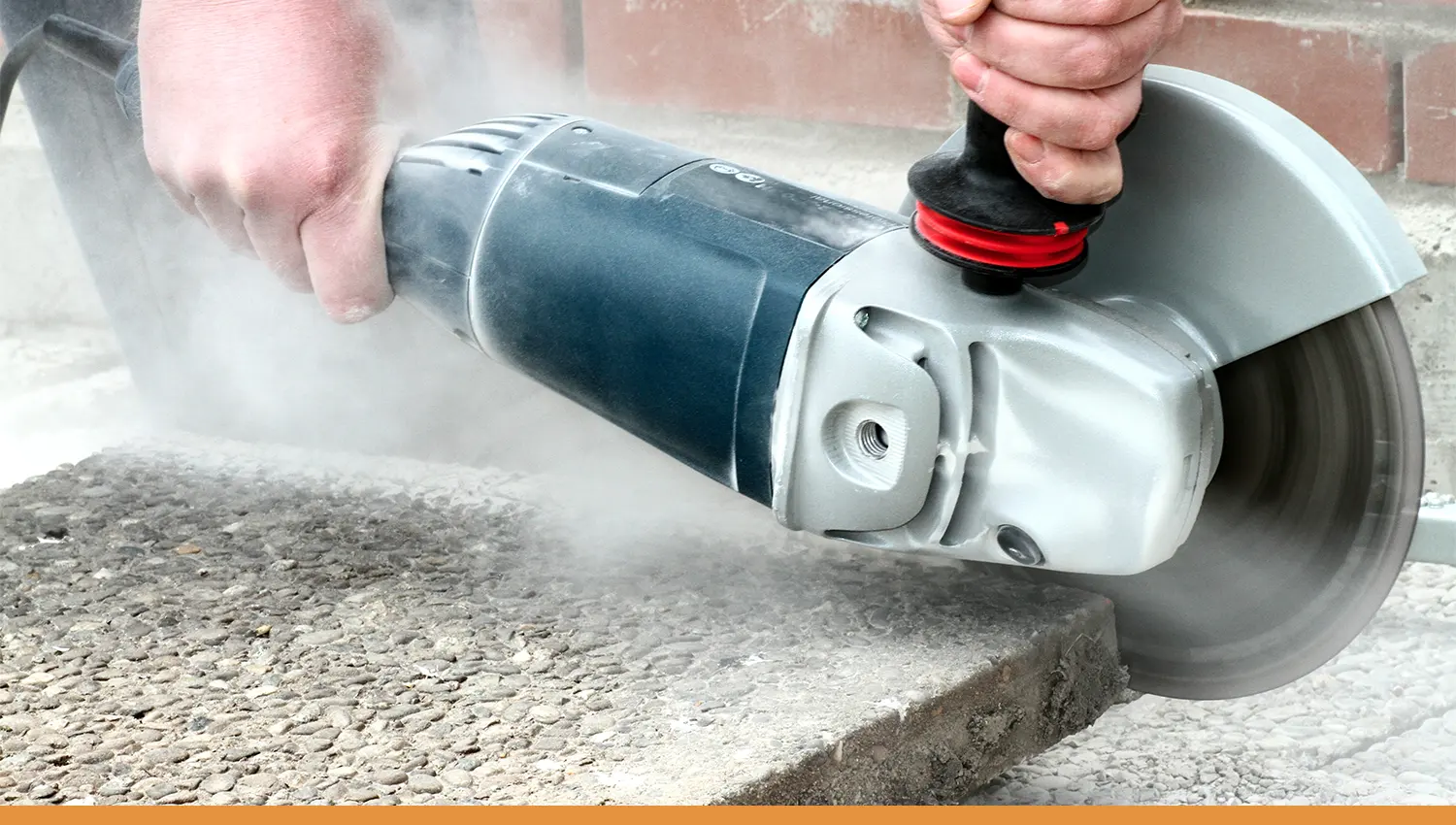
Credit: bigrentz.com
Wear proper protection
- Eye protection: Use safety glasses or a full face shield.
- Breathing protection: Use at least a dust mask, and better still a respirator rated for fine dust.
- Hearing protection: Angle grinders are loud enough to damage hearing.
- Hand protection: Wear gloves with a firm grip.
- Body protection: Wear long sleeves, long pants, and closed shoes.
Silica dust from concrete can be very harmful when breathed in. For reliable guidance on silica safety, the U.S. Occupational Safety and Health Administration has useful information at OSHA’s crystalline silica page.
Use the grinder the right way
Hold the tool with both hands. Keep a balanced stance and stand slightly to the side of the blade path. That way, if the grinder kicks back, your body is not in direct line with the tool.
Let the blade do the work. Do not force the grinder into the concrete. A hard push can overheat the blade, slow the motor, and increase kickback risk. Slow, steady pressure works better.
Control the dust
Dry cutting creates a lot of dust. If your grinder and setup allow it, use a vacuum attachment or dust shroud. This can make a major difference, especially indoors.
Some jobs allow wet cutting, which helps reduce dust. But water and power tools can be dangerous together if the equipment is not designed for it. Only use water if your grinder and blade are suitable for that method and your electrical setup is safe.
Step-by-step: how to cut concrete with angle grinder
Once your area is ready, the cutting process becomes much easier. Move slowly and stay in control from the first pass to the last.
1. Test the grinder and blade
Before you touch the concrete, run the grinder for a few seconds. Listen for strange sounds or vibration. Make sure the blade is mounted tightly and spins in the correct direction. A loose blade or damaged blade can ruin the cut and become dangerous.
2. Start with a shallow score cut
Begin with a very shallow pass along the marked line. Do not try to reach full depth on the first pass. This score cut creates a guide groove and helps the blade stay on line.
This is a small but important tip: the first pass is about control, not speed. Many beginners try to cut too deep too soon. That often causes the blade to wander, chip the edge, or stall in the concrete.
3. Deepen the cut in several passes
After the groove is set, go over the line again and slowly deepen it. Each pass should go a little deeper than the last. If the concrete is thick, you may need many passes.
Keep the grinder moving. Do not sit in one spot too long, or the blade may overheat and create rough edges. If the blade begins to slow down or smoke, pause and let it cool before continuing.
4. Follow the line with steady pressure
Watch the line closely. Use both hands to keep the blade straight. If you have a straightedge guide, let the grinder ride along it carefully. A guide helps a lot on long cuts, but do not press so hard that you bend or jam the tool against it.
Keep your body relaxed but stable. A tense grip can make the tool jerk more. Smooth movement gives a cleaner result.
5. Cut from both sides if needed
If the concrete is too thick for the blade to reach all the way through, cut as deep as you safely can from one side, then turn the material over and continue from the other side. This works well on pavers, blocks, and smaller pieces.
For a slab or wall, you may need to finish the cut with a hammer and chisel after scoring deeply on both sides. Do not use force to break the concrete unless you are sure the remaining section is small and controlled.
6. Finish the cut carefully
As you near the end of the cut, reduce pressure even more. The last section can break or chip if you rush it. Support the piece if it may snap off suddenly. This is especially important with edges that are already cracked or weathered.
Once the cut is complete, stop the grinder fully before setting it down. Wait for the blade to stop spinning completely.
Different concrete jobs and how to approach them
Not every concrete cut is the same. The best method depends on what you are cutting and how visible the final edge will be.
Cutting concrete pavers
Pavers are usually the easiest concrete material to cut with an angle grinder. They are smaller, thinner, and easier to support. Use a diamond blade and make several passes until you reach the needed depth. For a neat edge, cut a little slowly and keep the paver steady on a work surface.
Cutting a concrete slab
Slabs are thicker and often harder to manage. You may be cutting a floor for a repair, drain line, or trench. In this case, line control matters more than speed. Score the surface first, then deepen the cut gradually. If you expect rebar, slow down near that area and be ready for extra resistance.
Cutting concrete block
Concrete block can chip easily if you go too fast. A shallow score on all sides can help create a cleaner break. If you need a decorative or visible edge, take your time and finish with a masonry file or rubbing stone if needed.
Cutting reinforced concrete
Reinforced concrete is harder because the blade may hit steel. A grinder can sometimes cut small rebar, but it will slow down and wear the blade faster. If the steel is heavy or the job is large, a different tool may be smarter. Forcing the grinder through thick reinforcement is not a good idea.
Common mistakes that cause bad cuts
Most poor cuts happen for a few simple reasons. If you avoid these mistakes, your result will be much better.
- Using the wrong blade: A blade not made for concrete cuts poorly and wears out fast.
- Trying to cut too deep at once: This causes wandering, heat, and kickback.
- Skipping safety gear: Concrete dust and flying chips can injure you quickly.
- Not checking for hidden material: Rebar, pipe, or wire can stop the blade suddenly.
- Forcing the tool: The grinder should cut at its own pace.
- Poor support under the work: A moving piece can break unevenly or bind the blade.
Another mistake people miss is ignoring blade wear. A blade may still spin, but that does not mean it is cutting well. If cutting becomes slower, louder, or rougher, the blade may need replacement. A worn blade often causes more heat and more dust, which makes the job harder.
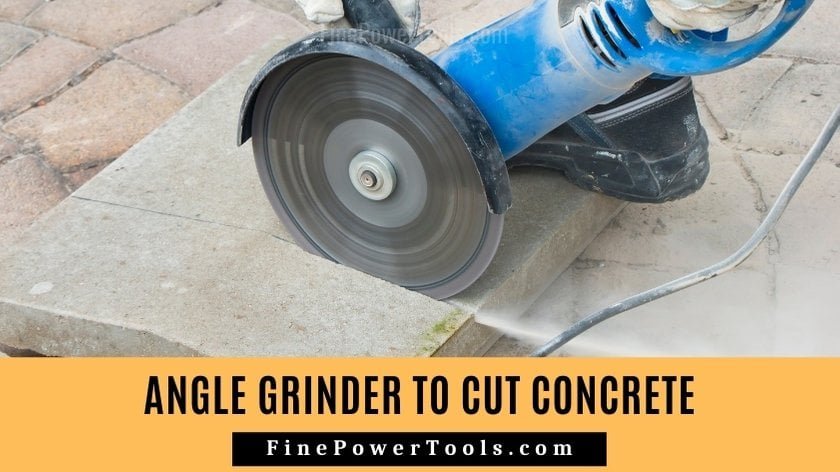
Credit: finepowertools.com
Useful cutting tips for better results
These small habits can improve your cut and make the work feel easier.
Use a guide for long cuts
A straightedge can help keep the grinder on line. It is especially useful when cutting tile-like edges in concrete pavers or making a long trench line in a slab. Just remember that the grinder still needs room to move. Do not clamp the tool in a way that creates pressure on the blade.
Work in short sections
If the cut is long, break it into sections mentally. Focus on one small part at a time. This helps you stay accurate and reduces fatigue. Long, tired cuts often become uneven.
Let the blade cool when needed
When the blade becomes too hot, it can cut worse and wear out sooner. If you notice smoke, strong smell, or a drop in cutting speed, stop and let it cool. A cool blade usually cuts cleaner.
Finish edges if needed
Some cuts need a smooth edge after the main cut is done. A rubbing stone, masonry file, or light pass with the grinder can remove rough spots. This step is useful when the cut will be visible or when another piece needs to fit against it.
Wet cutting or dry cutting: which is better?
Both methods can work, but they serve different needs. Dry cutting is easier because it does not need water setup. It is common for small outdoor jobs or quick cuts. The downside is dust. A lot of dust.
Wet cutting can reduce airborne dust and may keep the blade cooler. That sounds better, and often it is. But it also adds risk if your tool, outlet, and work area are not suited for water. Many people choose dry cutting with strong dust control because it is simpler and safer for the equipment they already have.
If you must cut indoors, dust control becomes even more important. In that case, a vacuum shroud and a good respirator can be more valuable than trying to manage water in a tight space.
When an angle grinder is not the best tool
An angle grinder is useful, but it is not the perfect answer for every concrete cut. If the concrete is very thick, heavily reinforced, or the cut is long and deep, a concrete saw, cut-off saw, or wall saw may be a better choice.
Choose a different tool when:
- The slab is too thick for the grinder’s blade depth
- You need a very straight, deep cut across a large area
- The concrete has heavy rebar
- Dust control is difficult and the job is large
- Speed matters more than a small tool’s control
Knowing when not to use an angle grinder is a sign of experience. The best tool is not always the one you already own. It is the one that does the job safely and well.
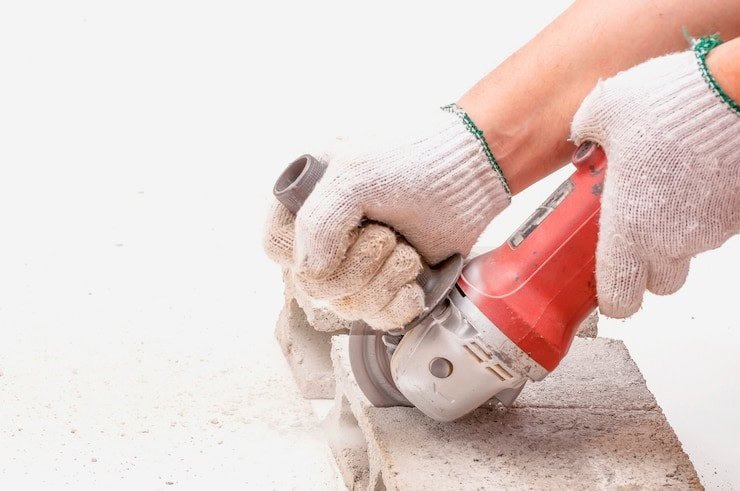
Credit: diatoolscn.com
Simple maintenance after the cut
After you finish, clean the grinder and blade area. Concrete dust gets into vents and moving parts. Wipe the tool down and remove buildup from the guard if needed. Check the blade for wear, cracks, or missing segments before you store it.
If the blade was used heavily, let it cool before putting it away. Store it dry and keep it separate from blades used on wood or metal. That helps you avoid mixing tools and using the wrong blade on the next job.
Final thoughts
Learning how to cut concrete with angle grinder is mostly about patience, control, and preparation. The tool can give you very good results on many small and medium concrete jobs, but only if you use the correct blade, follow the line carefully, and respect the dust and safety risks.
Start with a shallow score, deepen the cut in stages, and stop if the blade begins to struggle. Take your time with setup, because good preparation often matters more than speed. Once you understand the process, cutting concrete becomes much easier and far less stressful.
FAQs
1. Can I cut concrete with a normal angle grinder blade?
No. A normal blade for wood or metal should not be used on concrete. You need a diamond blade made for masonry or concrete. The wrong blade can wear out fast and may be dangerous.
2. How deep can an angle grinder cut concrete?
It depends on the grinder size and blade. A 4.5-inch grinder usually cuts around 1 inch deep. Larger grinders can cut deeper, but very thick concrete may still need a different tool or cutting from both sides.
3. Is it safe to cut concrete indoors with an angle grinder?
It can be done, but dust control is very important. Use a vacuum attachment or another dust-reducing method, and wear proper respiratory protection. Concrete dust should never be ignored.
4. Why does my concrete cut look rough or chipped?
This usually happens when the blade is forced, dull, or moving too fast through the material. A shallow first pass, steady pressure, and a sharp diamond blade usually give a cleaner edge.
5. What should I do if the blade hits rebar?
Stop and assess the situation. The blade may cut light rebar, but it will slow down and wear faster. If the steel is heavy or the cut becomes unsafe, use a different tool or get professional help.
