
Choosing between an electric screwdriver and a drill looks simple at first. Both spin a bit. Both help you put things together. But in real work, they do very different jobs.
If you buy the wrong tool, you may feel frustrated fast. A screw may not go in deep enough. A hole may be too slow to make. Or the tool may feel too heavy for small tasks. That is why understanding electric screwdriver vs drill matters before you spend money.
This guide explains the key differences, what each tool is best for, common buying mistakes, and how to choose the right one for your home, workshop, or DIY projects. By the end, you will know which tool fits your needs with less guesswork.
What each tool is built to do
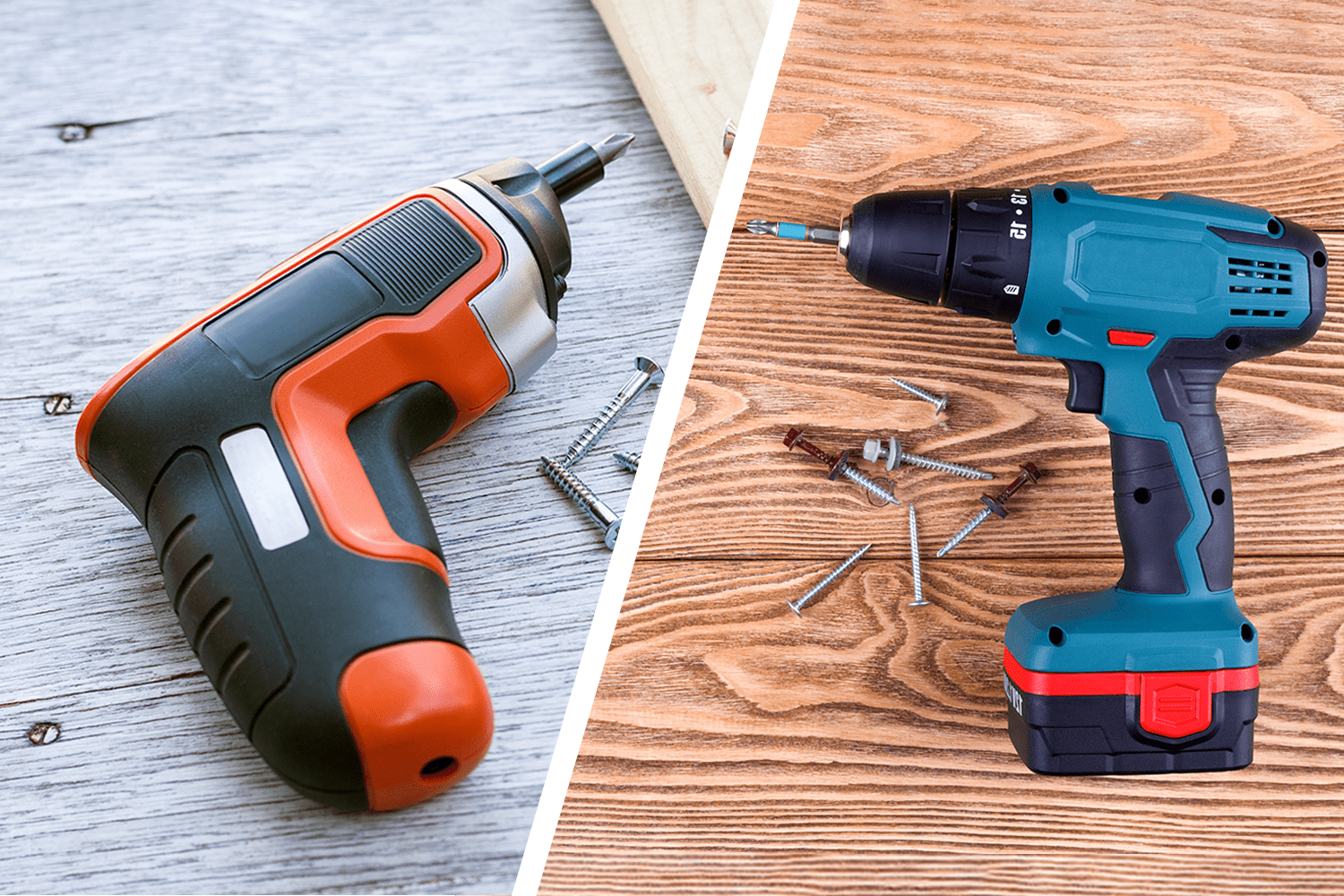
An electric screwdriver is made mainly for driving screws in and out. It is small, light, and easy to control. Many people use it for flat-pack furniture, cabinet work, light repairs, and small jobs around the house.
A drill is made for more force and more job types. It can drive screws too, but its main strength is drilling holes in wood, metal, plastic, and sometimes masonry. Many drills also have a clutch, speed control, and different modes for different tasks.
The simplest way to think about it is this: an electric screwdriver is a screw-focused tool, while a drill is a multi-purpose power tool.
Main differences between an electric screwdriver and a drill
These tools may look similar in a tool bag, but their design is not the same. The differences below matter more than many beginners realize.
| Feature | Electric screwdriver | Drill |
|---|---|---|
| Main purpose | Driving screws | Drilling holes and driving screws |
| Power | Lower | Higher |
| Size and weight | Smaller and lighter | Larger and heavier |
| Torque | Usually lower | Usually much higher |
| Speed | Good for small screw jobs | Faster and stronger for mixed tasks |
| Drilling holes | Not ideal | Yes, this is one of its main jobs |
| Control | Very easy for beginners | Needs a little more skill |
| Best use | Light assembly and simple repairs | Home projects, building, and drilling |
One thing many people miss is that torque is often more important than speed. Torque is the turning force of the tool. Low torque is fine for small screws in soft material. But if the screw is long, the wood is hard, or the material is dense, the tool may stop early or slip.
Another detail beginners overlook is battery and grip comfort. A small screwdriver may feel easy for five minutes, but a poorly shaped handle can become tiring during long assembly work. A drill may be stronger, yet if it is too heavy for your hands, you may avoid using it for simple jobs.
How an electric screwdriver works
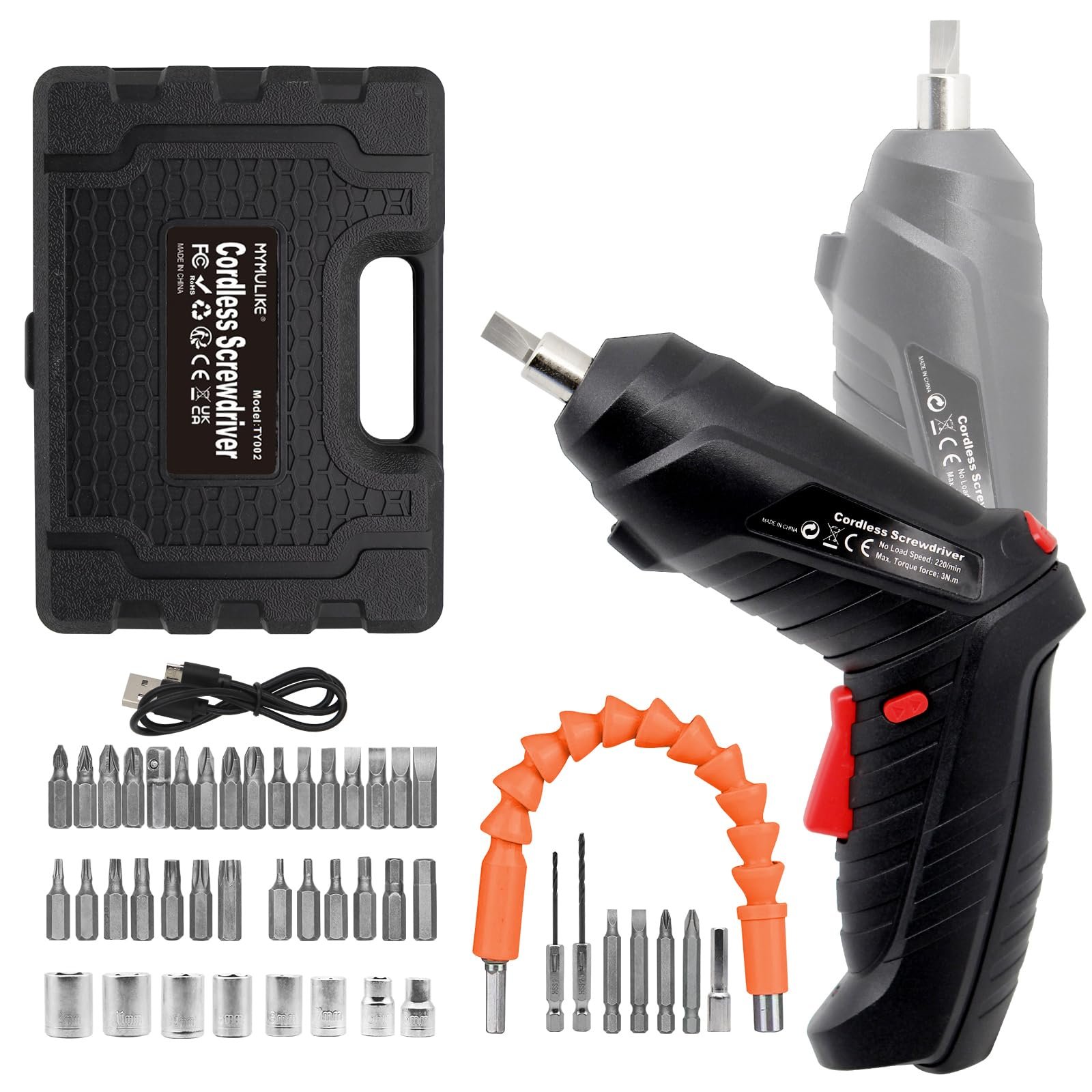
An electric screwdriver uses a small motor to rotate a bit. You place the bit into the screw head, pull the trigger or press the button, and the tool turns the screw for you. Many models are cordless and rechargeable.
Most electric screwdrivers are built for convenience. They are often compact, easy to carry, and simple to store in a drawer. Some have a forward and reverse switch, a small LED light, and a basic torque limit.
Where it performs best
- Furniture assembly
- Small home repairs
- Installing cabinet hardware
- Opening and closing electronics cases, when the right bit is used
- Light-duty screw work in soft materials
Because it is small, an electric screwdriver is often easier for beginners and for people who do not want a heavy tool. It gives enough help to save your wrist, but not so much power that it becomes hard to control.
Its limits
An electric screwdriver is not a strong drilling tool. It usually cannot make clean holes in wood, metal, or concrete. It also may struggle with long screws, large fasteners, or tough material like hardwood.
If you try to use it like a drill, you may get slow progress, motor strain, or poor results. That is not a defect. It is simply not what the tool was built for.
How a drill works
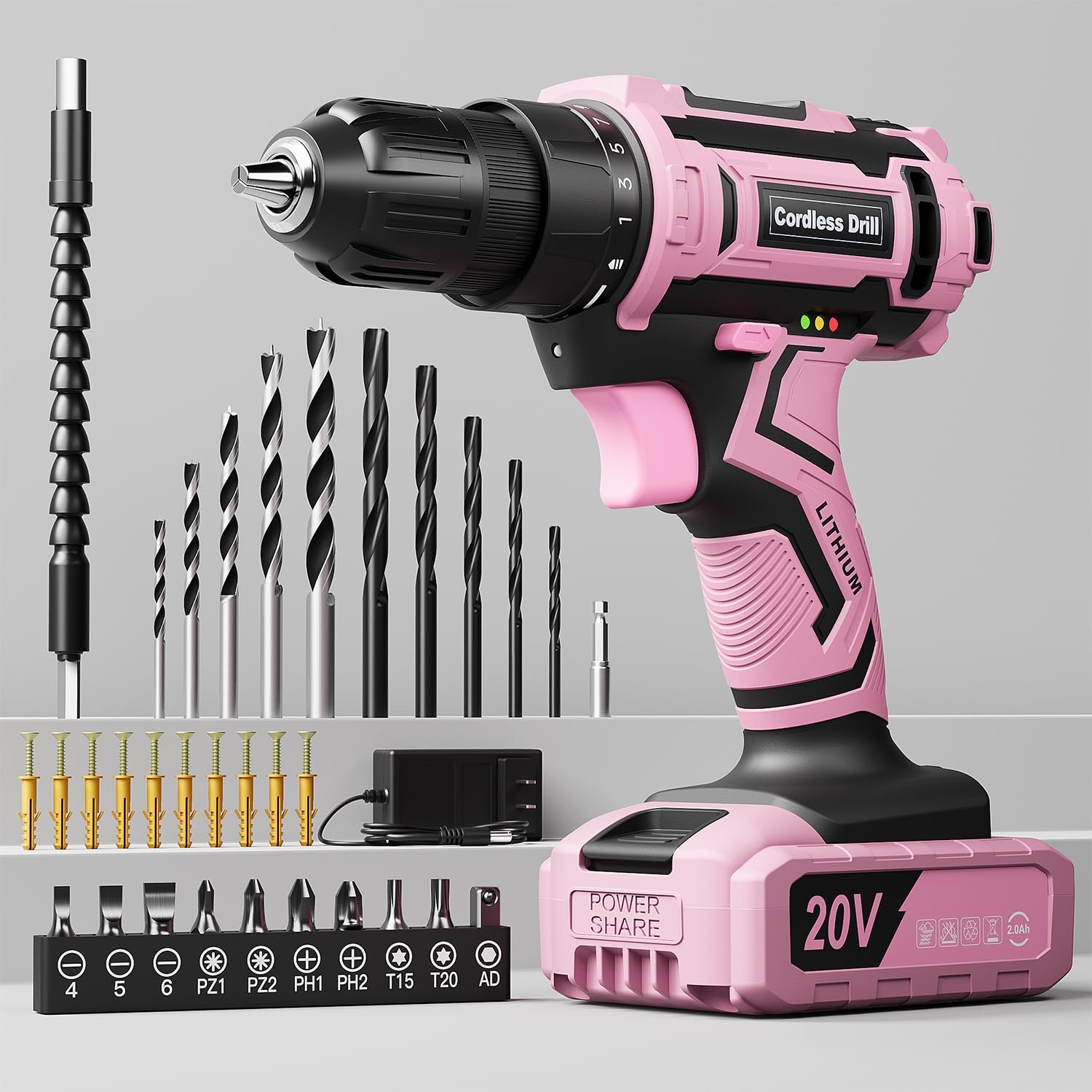
A drill uses a stronger motor and higher torque. It can spin drill bits for making holes. It can also use driver bits to insert screws. Many cordless drills have adjustable clutch settings, which help control how much force goes into the screw.
Drills often come in two main types: corded and cordless. Corded drills give steady power as long as they are plugged in. Cordless drills are more portable and easier to use in different places.
Credit: familyhandyman.com
Where it performs best
- Drilling pilot holes before driving screws
- Hanging shelves and wall fixtures
- Building furniture and wooden frames
- Light renovation work
- Working with wood, metal, and some masonry
A drill gives you flexibility. If you need one tool for many household tasks, it is usually the better choice. You can drill a hole, switch the bit, and drive a screw without changing tools.
Its limits
A drill is more powerful, but that does not always mean it is the right tool. For tiny screws, delicate parts, or long assembly work, a drill can feel too strong or too bulky. It can also strip screw heads if you use too much force or skip clutch control.
That is an important point many first-time buyers miss: more power can be a problem when the job is small and delicate.
Which tool is better for common jobs?
Let us make this practical. Real buyers usually do not ask about specs first. They ask, “Will this tool help me finish my job?”
Furniture assembly
An electric screwdriver is often enough for ready-to-assemble furniture, especially when screws are small and the material is soft. It is lighter and easier to use over and over.
That said, if you often build larger furniture or work with dense wood, a drill can be more useful because it helps with pilot holes and stronger screws.
Hanging shelves or brackets
A drill is usually the better choice. You may need to make pilot holes, especially in wood or wall material. The extra power also helps when you need better control with longer screws.
Small repairs around the house
An electric screwdriver works well for light repairs like fixing loose cabinet handles, changing faceplates, or tightening small screws. It is quick and convenient.
DIY building projects
A drill is the better buy for most DIY projects. It handles drilling and driving, which gives you more freedom. If you build anything from wood, you will likely use it more than an electric screwdriver.
Working in tight spaces
An electric screwdriver usually wins here. It is small, easy to point, and less tiring when your hand is in an awkward position. A drill may be too long or too heavy in narrow spaces.
Electric screwdriver vs drill: which one is more beginner-friendly?
If ease of use is your top concern, the electric screwdriver is often more beginner-friendly. It is lighter, less powerful, and less likely to damage a small screw if used carefully.
But beginner-friendly does not always mean better value. If you want a tool that can grow with your skills, a drill may be the smarter purchase. It lets you do more as your projects become bigger.
For many homeowners, the best answer is not “one or the other.” It is often “buy a drill first, then add an electric screwdriver later if you do a lot of small screw work.”
Things to check before you buy
Buying based only on price can lead to regret. A cheap tool may work for one or two tasks, then become annoying. These points matter more than flashy marketing.
1. Torque and speed
Higher torque means more turning force. For screws in hard material, that helps a lot. For drills, variable speed is also important because it gives better control during both drilling and driving.
2. Battery life
For cordless tools, battery life matters. A weak battery may stop your work in the middle of a task. If you choose a cordless drill, look for a battery that can handle longer jobs without frequent charging.
3. Weight and balance
A tool that feels good in your hand is easier to use well. This is especially true if you do overhead work or repeated screw driving. Balance can matter as much as raw power.
4. Chuck type on a drill
The chuck holds the bit. A keyless chuck is faster and easier for most home users. If you change bits often, this saves time and frustration.
5. Clutch settings
A clutch helps stop the screw from going in too far. This is valuable for soft wood, furniture, and projects where screw heads can strip easily. Many beginners ignore this feature, but it can save a lot of damaged materials.
6. Bit compatibility
Not all bits are equal. A good set of driver bits and drill bits matters almost as much as the tool itself. A strong tool with poor bits can still give poor results.
Common mistakes people make when choosing
People often buy based on one big number, like power, and ignore the real job. That is a mistake.
- Buying too much power for simple work — A heavy drill may be more than you need if all you do is occasional furniture assembly.
- Buying too little power for real projects — A small screwdriver may feel fine at first, then fail when you try to do more serious work.
- Ignoring comfort — If the tool feels awkward, you will use it less.
- Forgetting about drill bits and driver bits — The tool alone is not enough.
- Not checking whether the tool is cordless or corded — Portability matters more than many buyers think.
One non-obvious insight: if you work mostly on soft materials and small screws, too much torque can be a problem. It can strip heads faster than a weaker tool would. That is why control often matters more than raw strength.
Credit: amazon.com
When an electric screwdriver is the smarter choice
Choose an electric screwdriver if most of your work is light and repetitive. It is a smart pick for people who want speed, comfort, and simple handling.
You will likely prefer it if you:
- Build furniture often
- Do small repairs at home
- Work with tiny or medium screws
- Want a very light tool
- Do not need to drill holes
It is also a good second tool if you already own a drill. In that case, the screwdriver becomes your fast, easy tool for jobs where you do not want to carry a larger drill.
When a drill is the smarter choice
Choose a drill if you want one tool that can handle more jobs. It is the better all-round tool for most homeowners and DIY users.
You will likely prefer it if you:
- Need to drill holes often
- Build or repair wooden projects
- Hang shelves, frames, or wall fixtures
- Want stronger performance for screws
- Only want to buy one main power tool
For many people, a drill is the best first buy because it covers both drilling and screw driving. You can always use it like a screwdriver when needed.
Can a drill replace an electric screwdriver?
In many cases, yes. A drill can drive screws and drill holes, so it covers a wider range of tasks. If you use the right bit and a careful clutch setting, it can do most jobs an electric screwdriver can do.
But the reverse is not true. An electric screwdriver cannot replace a drill for hole-making or heavier work. That is the main reason the drill is usually the more flexible tool.
Still, there is one practical exception. If you work mostly on small, repeated screw tasks, an electric screwdriver may feel better and save time. It is not about which one is stronger. It is about which one fits your real work.
How to decide fast
If you want a quick answer, use this simple rule:
- Choose an electric screwdriver if your main job is light screw driving and comfort matters most.
- Choose a drill if you need one versatile tool for screws and holes.
If you are still unsure, ask yourself these three questions:
- Will I drill holes often?
- Do I need more power for wood or harder material?
- Will I use this tool for many different jobs?
If the answer is “yes” to any of those, a drill is probably the better choice. If the answer is mostly “no,” an electric screwdriver may be enough.
For a reliable basic tool overview and safe use habits, you can also check guidance from a trusted national safety authority when working with power tools near vehicles or in garage spaces, especially if your tasks include battery care or workshop safety.
Credit: amazon.com
Final verdict
The electric screwdriver vs drill choice is not about which tool is better in general. It is about which tool matches your work.
An electric screwdriver is best for light, repeated screw jobs. It is easy to hold, simple to use, and comfortable for small tasks. A drill is better for drilling holes, tougher materials, and users who want one tool that can do more.
If you only do light assembly and repairs, an electric screwdriver can be enough. If you want the safest long-term choice for home projects, a drill usually offers more value.
FAQs
1. Can an electric screwdriver drill holes?
Usually no, or only very small holes in soft material. It is not designed for drilling. A drill is the correct tool for that job.
2. Is a drill harder to use than an electric screwdriver?
It can be a little harder because it is stronger and heavier. But most people learn it quickly. Once you understand speed and clutch control, it becomes easy to use.
3. Which is better for furniture assembly?
An electric screwdriver is often better for simple furniture assembly because it is lighter and easier to control. For larger furniture or harder wood, a drill may be more useful.
4. Do I need both tools?
Not always. Many people can start with a drill and be fine. If you do lots of small screw jobs, adding an electric screwdriver later can make work faster and more comfortable.
5. What is the biggest mistake buyers make?
The biggest mistake is buying for power alone. The right choice depends on the type of work, the material, the size of the screws, and how comfortable the tool feels in your hand.
