
When people compare soldering iron vs soldering gun, they are often looking for one simple answer: which tool should they buy? The real answer depends on the kind of work you do, how often you solder, and how much control you need. These two tools may look similar at first, but they behave very differently in practice.
If you work on electronics, small wires, circuit boards, or delicate repairs, one tool is usually a much better fit. If you need fast heat for thicker wire, home repair jobs, or quick fixes, the other tool can save time. Choosing the wrong one can make soldering harder, messier, and less reliable.
This guide explains the key differences in simple language. You will learn how each tool works, where it performs best, what beginners often miss, and how to choose the right one for your projects.
What makes these two tools different
A soldering iron and a soldering gun do the same basic job: they heat solder so it melts and joins two metal parts. But the way they deliver heat is not the same. That difference changes everything, from precision to speed to safety around sensitive parts.
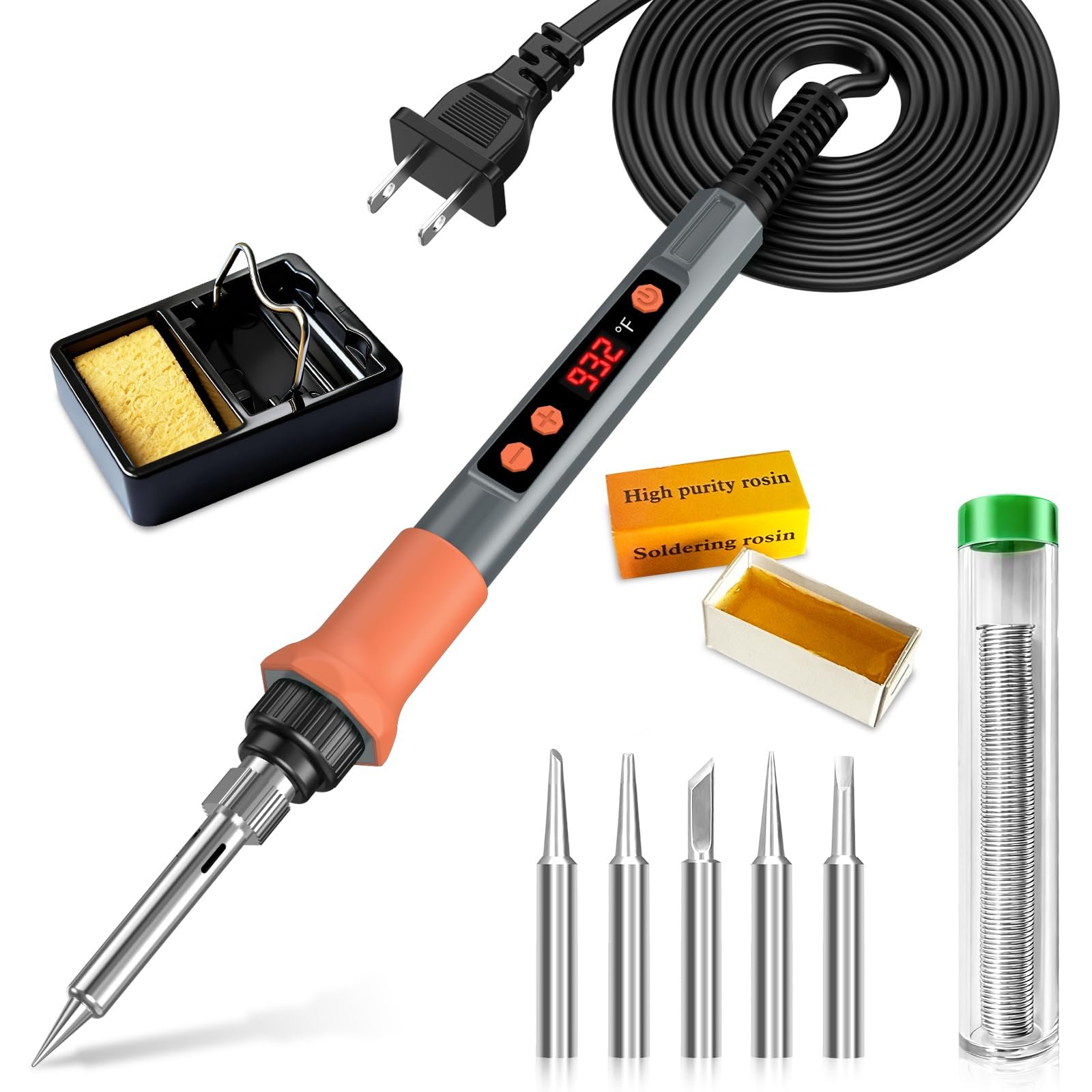
A soldering iron is usually a slim tool with a pencil-like shape. It stays hot for steady work and gives you more control. A soldering gun is shaped more like a trigger tool. It heats up quickly and is often used for heavier jobs. The gun is more about power and speed, while the iron is more about accuracy and finesse.
That is the core of the soldering iron vs soldering gun debate. One is not simply “better” than the other. Each one is built for a different kind of soldering.
Heat control is the biggest difference
The most important difference is heat behavior. A soldering iron usually keeps a stable temperature, especially if it is a temperature-controlled model. That steady heat helps you avoid overheating small parts.
A soldering gun, on the other hand, can produce a burst of high heat very quickly. This makes it useful for larger joints, but it is easier to damage small electronics if you are not careful. Many beginners do not realize that too much heat can ruin circuit boards, lift pads, or melt nearby plastic.
Tip shape and contact area matter too
Soldering irons usually come with small, fine tips. That makes it easier to work on tiny solder points. Soldering guns often have larger loop-style tips. Those tips transfer heat faster to bigger metal parts, but they are less suitable for fine electronic work.
This is one of those details beginners often miss. The tip is not just a piece of metal. It affects how quickly heat moves into the joint, how much solder you can control, and how neat the final result looks.
How each tool works in real use
To choose well, you need to picture the actual job. A tool that looks powerful on paper may be awkward in your hand during real soldering work. The best choice depends on what you touch most often.
Soldering iron use
A soldering iron is best for small, precise work. It is commonly used for:
- Electronic repair
- Circuit board assembly
- Small wire connections
- Arduino and hobby projects
- Audio gear repair
- Jewelry and craft soldering in some cases
Because it is steady and controlled, a soldering iron helps create clean joints. It is easier to keep the solder where you want it. That matters a lot when the parts are close together.
Soldering gun use
A soldering gun is usually better for thicker materials and quick heating. It is often used for:
- Thick wires
- Battery terminals
- Light electrical repairs
- Metal connectors
- Jobs that need fast heat build-up
The gun is handy when the joint needs more power than a small iron can comfortably provide. It can get hot fast, which saves time on certain repairs. But that same speed can become a problem if the work area is small or heat-sensitive.
Key differences at a glance
Here is a simple way to compare them without overthinking the technical details.
| Feature | Soldering Iron | Soldering Gun |
|---|---|---|
| Shape | Pen-like, slim | Gun-shaped with trigger |
| Heat style | Steady and controlled | Fast and powerful |
| Best for | Electronics and precision work | Thicker wires and larger joints |
| Tip size | Small and fine | Larger loop-style tip |
| Learning curve | Easier for careful electronics work | Simple for basic heavy-duty jobs |
| Risk of damage | Lower on delicate parts | Higher on sensitive components |
| Portability | Usually lighter and easier to use for long sessions | Bulkier, but still portable |
One useful insight here is that the best tool is not always the one with more heat. In soldering, control often matters more than raw power. A hot tool that cannot be managed well often creates worse results than a cooler tool used correctly.
Credit: amazon.com
Which one is better for electronics
For electronics, the soldering iron usually wins. Most circuit boards, small connectors, and delicate parts need careful heat control. A soldering gun can be too aggressive for this kind of work.
Electronics soldering often involves small pads, fine wires, and parts that can be damaged by excess heat. A good iron lets you heat the joint just enough to flow the solder without cooking the board. That makes the work cleaner and safer.
Why an iron is usually the better electronics tool
There are a few clear reasons:
- It gives more precise heat control
- It fits small spaces better
- It lowers the risk of overheating components
- It creates cleaner joints on circuit boards
Another detail beginners often overlook is tip size. A very large tip can still damage small electronics even if the temperature is not extreme. The right tip size helps heat transfer where needed without touching nearby areas too much.
When a gun might still be useful
In some cases, a soldering gun can help with electronics-like work that uses thicker wire or larger connectors. But this is more the exception than the rule. If you plan to repair phones, computers, audio boards, drones, or other delicate devices, a soldering iron is the safer choice.
Which one is better for home repairs
For general household electrical work, both tools can have a place. But the soldering gun is often more useful for quick repairs on thicker wire, terminals, or larger connectors. If your work is mainly basic wiring, the gun can save time.
Still, a soldering iron is more flexible overall. It can handle many small repair tasks, and if you choose a temperature-controlled model, it gives better results on a wider range of jobs.
Good examples of home repair tasks
- Fixing a broken lamp wire
- Repairing a loose connector
- Reconnecting speaker wire
- Working on battery packs
- Small appliance wire repair
For these jobs, the best tool depends on wire thickness. Thin wire and small joints usually favor an iron. Thick wire and heavy terminals may favor a gun. If you only want one tool for mixed home use, the soldering iron is often the safer long-term choice.
Speed, accuracy, and comfort
Speed is not everything. A fast tool is useful only if it still gives good results. This is where the soldering iron vs soldering gun comparison becomes practical instead of theoretical.
Soldering iron: slower, but more accurate
An iron often takes a little longer to heat a large joint, but it gives better control. That means less cleanup, fewer mistakes, and a lower chance of overheating nearby parts. If you work slowly and carefully, the iron usually feels more comfortable.
Soldering gun: faster, but less precise
A gun heats quickly and can finish larger jobs fast. That can be helpful when you do not want to wait. But speed can also make it easier to rush. If you hold the trigger too long, the tip can get too hot, and the work can go wrong before you notice.
Comfort matters too. For long work sessions, a lighter soldering iron often feels easier on the hand. A gun may feel more tiring, especially if you keep squeezing the trigger many times during a project.
What beginners should know before buying
Many first-time buyers focus only on wattage. That is a common mistake. Wattage matters, but it is not the whole story. The real question is how the heat is delivered and whether you can control it well.
Credit: amazon.com
Common beginner mistakes
- Buying a soldering gun for delicate electronics
- Choosing a very cheap iron with poor temperature control
- Using the wrong tip for the job
- Heating the joint too long instead of letting the tip do the work
- Ignoring cleaning and tip care
Tip care is especially important. A dirty tip transfers heat poorly, which makes people press harder or hold the tool longer. That can damage the work. A clean tip usually performs better than a hotter tool with a dirty tip.
Do not confuse power with quality
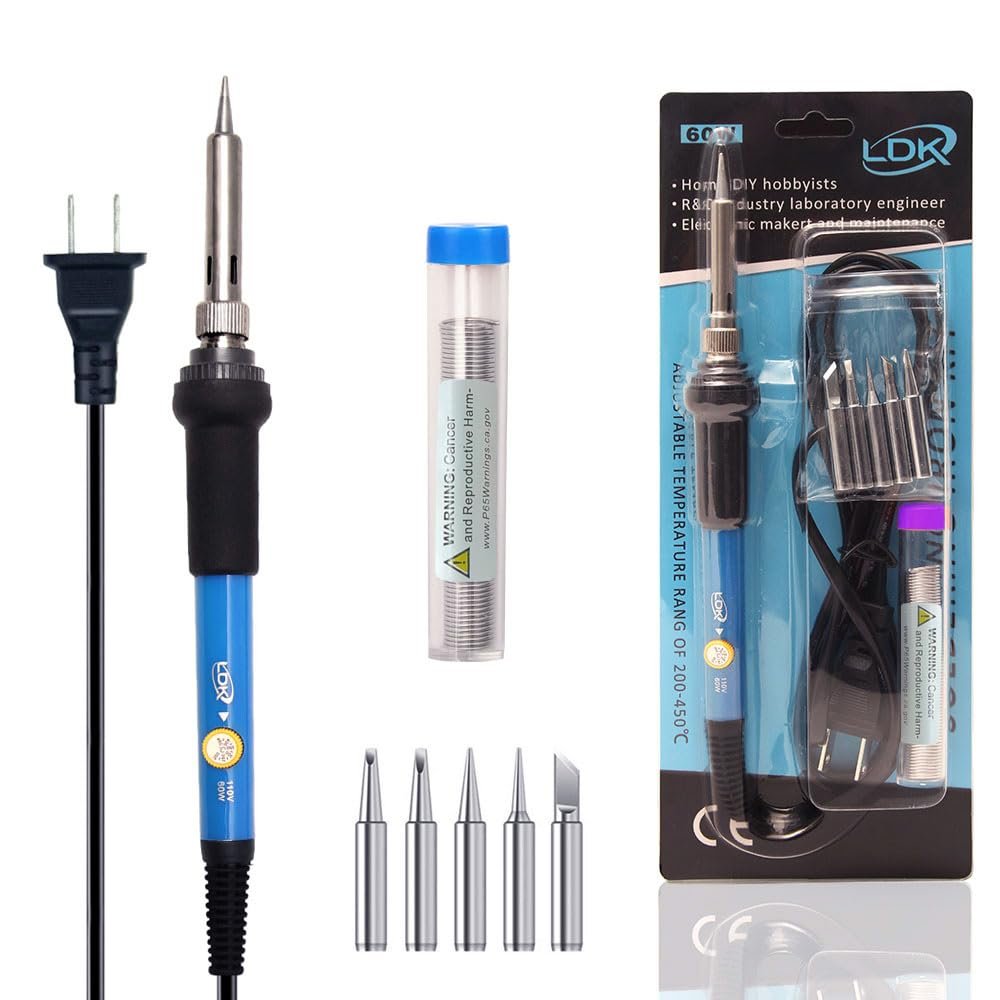
A higher number on the box does not always mean a better tool. What matters more is how stable the heat stays under load. A 60W temperature-controlled iron can outperform a cheaper tool with a higher rating if the heat remains consistent.
This is one of the most useful beginner lessons: good soldering is about stable heat, clean contact, and good timing. Not just strength.
Safety and handling differences
Both tools get hot enough to burn skin or damage materials. But they do not create the same risks.
Soldering iron safety
An iron stays hot for a long time, so you need a proper stand. Never leave it on a desk where it can roll or touch cables. Also, keep the cord clear of the tip. Since the iron is often used close to delicate parts, you must be careful not to touch surrounding plastic.
Soldering gun safety
A gun heats up quickly and can surprise beginners. The tip can become extremely hot in a short time. Also, because guns are often used on thicker materials, people sometimes assume they are safer. They are not. They can still cause burns and fire risk if used carelessly.
For more detailed soldering safety basics, the Fluke soldering basics guide is a helpful external resource.
Which tool is better for different users
The better choice depends on your main use case. Here is the simplest way to decide.
Choose a soldering iron if you:
- Work on electronics
- Need fine control
- Want a more versatile tool
- Repair circuit boards or small devices
- Prefer cleaner, more accurate joints
Choose a soldering gun if you:
- Work mostly with thicker wire
- Need quick heat for larger joints
- Do basic home electrical repairs
- Do not need fine precision
If you are a beginner and can buy only one tool, the soldering iron is usually the better first purchase. It teaches better soldering habits and handles more types of work. A gun can be added later if your projects need more power.
What to look for when choosing a soldering iron or gun
Buying wisely matters more than chasing the most famous brand. A good tool should match your work, your skill level, and your budget.
Credit: amazon.com
Important factors for a soldering iron
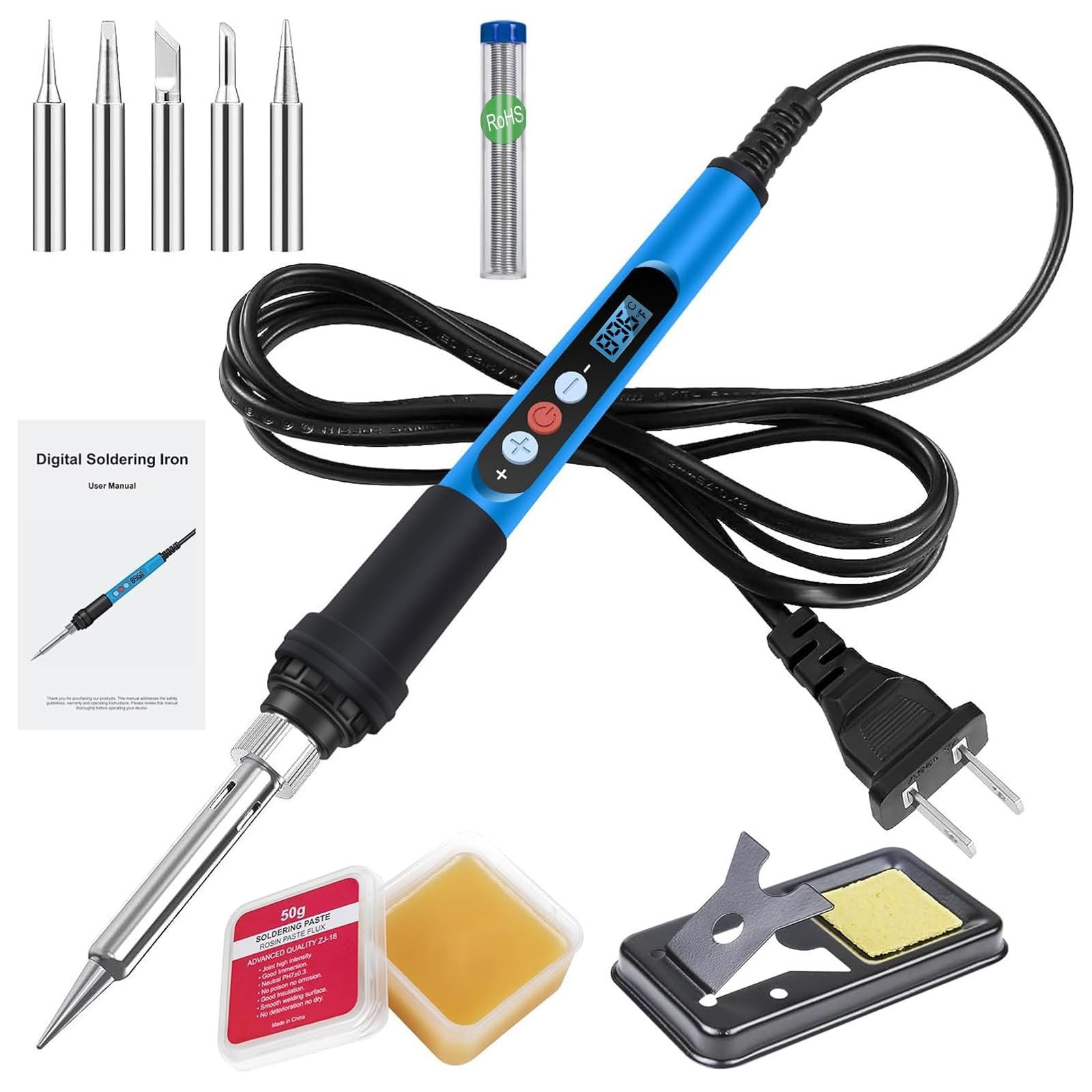
- Temperature control
- Comfortable handle
- Replaceable tips
- Fast warm-up time
- Stable heat output
Important factors for a soldering gun
- Fast trigger response
- Enough wattage for thicker joints
- Durable tip design
- Good grip and balance
- Simple, reliable build quality
One non-obvious detail: replacement tips can matter as much as the tool itself. If tips are hard to find, the tool becomes less useful over time. This is especially important if you plan to use the tool for years.
The final verdict
In the soldering iron vs soldering gun comparison, the better tool depends on the job. For delicate electronics and general-purpose soldering, the soldering iron is usually the winner. It offers better control, cleaner results, and more flexibility. For thicker wire, larger connections, and quick heat needs, a soldering gun can be the better choice.
If you are still unsure, start with a good soldering iron. It is the safer option for most beginners and the more useful tool for modern electronics work. Buy a soldering gun only if your projects clearly need faster, heavier heat.
The best tool is the one that matches the work in front of you. When heat, control, and tip size all fit the job, soldering becomes much easier and the results improve fast.
FAQs
1. Is a soldering iron better than a soldering gun for beginners?
Yes, for most beginners a soldering iron is better. It gives more control and is safer for small electronics. It also helps you learn clean soldering habits.
2. Can a soldering gun be used on circuit boards?
It can be used in some cases, but it is usually not recommended for delicate circuit boards. The heat is often too strong and can damage small parts.
3. Which tool heats up faster?
A soldering gun usually heats up faster. That is one reason people use it for larger or thicker connections that need quick heat.
4. Do I need both a soldering iron and a soldering gun?
Not always. Many people only need a soldering iron. If you also work with thicker wire or heavier joints, a soldering gun may be useful as a second tool.
5. What wattage is good for a soldering iron?
For general electronics, a temperature-controlled iron around 40W to 60W is often a good choice. The exact need depends on the size of the joints you work on.
