
Choosing the right pressure washer can save you time, money, and a lot of frustration. But the choice is not always simple. Many buyers compare electric and gas models and still feel unsure about which one fits their cleaning needs best.
The truth is, both types can clean very well. The better choice depends on what you clean, how often you clean, and where you plan to use the machine. A small patio, a car, and a fence do not need the same power level. A driveway full of deep stains is a different story.
If you are trying to decide between electric vs gas pressure washer, this guide will help you understand the real differences in power, cost, noise, maintenance, and daily use. By the end, you will know which one matches your work better and which one may create extra trouble you do not need.
What really separates electric and gas models
The biggest difference is simple: electric pressure washers use electricity, while gas pressure washers use fuel, usually gasoline. But that basic difference affects almost everything else about the machine.
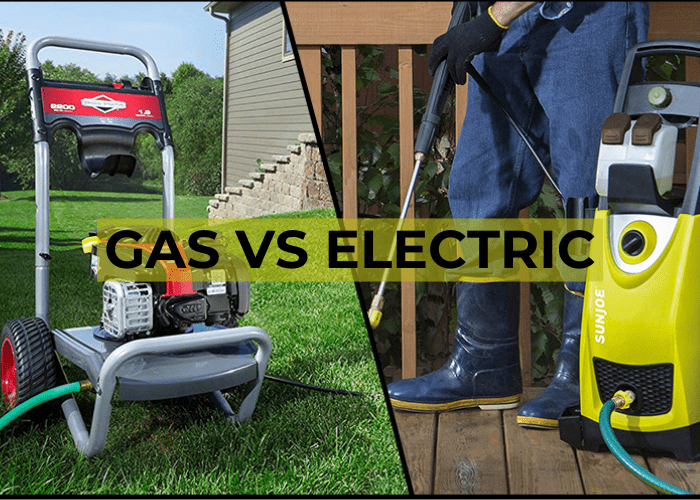
Electric models are usually lighter, quieter, easier to start, and easier to maintain. They are often designed for light to medium jobs. Gas models are usually stronger, more portable in large outdoor spaces, and better for heavy-duty cleaning. They are made for tougher messes and larger areas.
Many buyers focus only on pressure numbers. That is a common mistake. Cleaning power depends on more than one number. You should look at PSI and GPM. PSI means pounds per square inch, or pressure force. GPM means gallons per minute, or water flow. In real cleaning, flow matters a lot. A machine with strong pressure but weak water flow may feel less effective than expected.
Why power is not the whole story
Some people think the highest PSI automatically means the best washer. That is not always true. A car wash job needs careful cleaning, not extreme force. Too much pressure can damage paint, trim, or seals. For that work, a smaller electric model is often safer and easier to control.
On the other hand, oil stains on concrete, moss on stone, or thick grime on farm equipment often need more muscle. In those jobs, gas pressure washers usually perform better because they deliver stronger cleaning power and can run for long periods without worrying about cords or outlet access.
Best uses for electric pressure washers
Electric pressure washers work best for home cleaning tasks that are frequent but not extreme. They are a strong choice if you want convenience and simplicity.
Common uses include:
- Washing cars, bikes, and motorcycles
- Cleaning patios, decks, and fences
- Removing dirt from outdoor furniture
- Cleaning garage floors with light grime
- Rinsing siding and windows with care
They are usually the better fit if you live in a neighborhood with nearby outlets and limited storage space. Most electric models are compact and easy to move. They also start fast. Plug them in, turn them on, and begin. There is no pulling a starter cord or mixing fuel.
Another advantage is control. Electric washers usually feel gentler, which helps beginners. If you are worried about damaging surfaces, this lower intensity can be a big plus. A first-time user often gets better results with a manageable machine than with a powerful one they cannot fully control.
What electric models do especially well
Electric pressure washers are often more than enough for regular household maintenance. If you clean once in a while and your jobs are not deeply stained, you may never need gas power. They also make sense if you value low noise. In many areas, quiet operation matters because you may want to clean early in the morning or without disturbing neighbors.
One less obvious benefit is indoor or semi-enclosed cleaning. Some garage and workshop users prefer electric units because they do not produce exhaust fumes. That can make them more comfortable and safer in areas with limited airflow. You still need to follow all safety rules, but the lack of exhaust is a real advantage.
Best uses for gas pressure washers
Gas pressure washers are the heavy workers of the group. They are built for bigger, harder jobs and for users who need more mobility outdoors.
They are often used for:
- Deep-cleaning driveways and sidewalks
- Stripping dirt from brick or stone
- Cleaning large decks and fences
- Removing mud from trailers and equipment
- Commercial cleaning and frequent heavy use
If you have a large property, a gas washer is often easier to use because you do not need to stay near a power outlet. That freedom matters when cleaning long driveways, barns, large patios, or remote spaces. You can move farther and work longer without cord limits.
Gas models also tend to handle tougher buildup better. If a surface has years of dirt or oil, a gas washer often gives faster results. For some jobs, the machine can cut cleaning time enough to justify the higher cost and more maintenance.
When gas power is worth it
Gas is worth it when the cleaning job is large, frequent, or demanding. It also makes sense for people who use a pressure washer as part of business work. Landscapers, contractors, property managers, and maintenance crews often need the stronger output and portability.
One detail beginners miss is run time. Electric washers depend on the electrical source, but gas washers depend on fuel. As long as you have gas and engine maintenance under control, they can keep working in places where electric models would be impractical. That freedom is a major reason many professionals choose gas.
Electric vs gas pressure washer: the key differences that matter most
Here is where the choice becomes clearer. Instead of asking which one is “better” in general, compare them based on the factors that affect your daily use.
| Feature | Electric pressure washer | Gas pressure washer |
|---|---|---|
| Power | Good for light to medium jobs | Stronger for heavy-duty cleaning |
| Noise | Quieter | Louder |
| Maintenance | Lower maintenance | More maintenance |
| Portability | Limited by cord length | More freedom outdoors |
| Starting | Easy, usually one button | May need pull start |
| Price | Usually lower to buy | Usually higher to buy |
| Operating cost | Electricity only | Fuel plus maintenance |
| Best for | Cars, patios, decks, home use | Driveways, large areas, heavy grime |
This chart gives a quick overview, but your real choice should depend on the kind of dirt you face most often. A machine that seems weak on paper may still be the best one for your home. The “better” washer is the one you will actually use without stress.
Credit: hydrotek.us
Cleaning performance in real life
In real use, gas models often clean faster. That does not always mean they are better. It means they are stronger. If you clean rough surfaces or thick grime, that strength matters. If you clean delicate surfaces, too much force can create problems.
Electric models are usually more than enough for regular home care. They remove dust, mud, pollen, and surface dirt with little effort. If you clean often, you may not need massive power because the dirt never gets a chance to build up.
A simple way to judge performance
Ask yourself one question: Do I need force, or do I need convenience?
If the answer is force, gas may be the better pick. If the answer is convenience, electric often wins. This simple test is more useful than comparing product labels alone.
Another smart idea is to think about the surface. Softwood, painted surfaces, and vehicles need care. Concrete, brick, and old stone often tolerate more pressure. Matching the washer to the surface is more important than chasing the highest number.
Cost: purchase price and long-term value
Electric pressure washers are usually cheaper to buy. That makes them attractive for homeowners with smaller budgets. They also cost less to maintain because they have fewer moving engine parts. There is no oil change, spark plug, or gas storage to worry about.
Gas pressure washers cost more upfront and usually cost more over time. Fuel, oil, and regular engine care add up. Still, that extra cost can be worth it if you use the machine often or need stronger cleaning. For heavy users, the saved time may be more valuable than the maintenance cost.
A useful detail many first-time buyers miss is storage cost. Gas models need fuel handling, safe storage, and sometimes more space. Electric models are easier to tuck away in a garage or shed. If your storage area is small or shared, that may matter more than the sticker price.
Maintenance and ease of use
This is one of the biggest reasons people choose electric models. They are simple. Plug in, use, store. There is less to check and fewer parts that can fail. For casual users, that simplicity makes a big difference.
Gas washers need more attention. You may need to:
- Check and change oil
- Use fresh fuel
- Maintain the engine
- Winterize the unit if needed
- Replace worn spark plugs or filters
Some owners do not mind this. Others hate it. If you do not enjoy machine maintenance, gas can become a burden. A machine that sits unused for months can also develop fuel problems if it is not stored properly.
Credit: greenworkstools.com
Two beginner mistakes that cause problems
First, many people buy a gas washer for one tough job, then avoid using it because it feels too heavy and complex. That is wasted money. If the machine does not fit your routine, the power is not helping you.
Second, some buyers get an electric model and expect it to perform like a gas unit on deep stains. That leads to disappointment. Electric washers are good tools, but they are not magic. The key is matching the machine to the job from the start.
Noise, fumes, and comfort
Electric pressure washers are much quieter. This makes them easier to use in neighborhoods, early mornings, or places where noise is a concern. They also create no exhaust fumes, which is a big comfort advantage.
Gas washers are louder and produce fumes. That means you should never use them in closed or poorly ventilated spaces. Even outdoors, the noise can be tiring during longer jobs. If you are sensitive to sound or you live close to others, electric may feel much better.
These comfort factors may sound small, but they often decide whether a machine gets used regularly. A washer that is annoying to start, loud to run, or difficult to move often stays in storage. A simpler machine gets used more often, and regular cleaning is usually easier than deep cleaning later.
Portability and storage
Gas models offer more freedom because they are not tied to an outlet, but they are often heavier. Electric models are lighter, but the cord limits range. So portability is not just about weight. It is also about how freely you can move around the area you clean.
If your cleaning area is small and near the house, electric is usually easier. If your cleaning area is wide and far from power, gas makes more sense. For some people, a long extension cord solves the problem. For others, the cord becomes a trip hazard or a nuisance.
Storage also matters. Electric machines usually take up less space and are easier to carry upstairs, into closets, or onto shelves. Gas machines need safer fuel handling and a bit more care after every use.
Which one is safer for beginners?
For most beginners, electric pressure washers are safer and easier to learn. They usually have less force, easier controls, and simpler startup. That makes them a better first machine for homeowners who only need occasional cleaning.
But safety is not only about power. It is also about how the washer is used. A weak washer can still damage skin, glass, wood, or plants if handled badly. Always use the right nozzle, keep a proper distance, and avoid spraying people or animals.
If you want practical safety guidance from an authority, the U.S. Consumer Product Safety Commission has useful general safety information for home equipment and outdoor tools.
Which one is better for your cleaning needs?
The best choice depends on your most common jobs.
Choose electric if you:
- Clean cars, bikes, patios, and light dirt often
- Want lower noise
- Prefer simple setup and low maintenance
- Have limited storage space
- Do not need far-reaching outdoor mobility
Choose gas if you:
- Clean large driveways, stone, or heavy grime
- Need strong power for deep stains
- Work far from outlets
- Use the machine often or professionally
- Do not mind engine maintenance
A good rule is this: if your cleaning tasks are mostly light and regular, electric is usually the smarter buy. If your tasks are big, dirty, or demanding, gas usually gives better results.
Credit: pressurekinginc.com
My practical recommendation
For most homeowners, an electric pressure washer is the better value. It covers common cleaning jobs well, costs less, and is easier to own. For people with larger properties or tough surfaces, gas is the stronger tool.
The best decision is not about choosing the “most powerful” option. It is about choosing the machine that fits your real routine. That is the difference between a tool you use and a tool that just takes space in your garage.
Final thoughts
When comparing electric vs gas pressure washer models, the right answer depends on your cleaning needs, not just the power rating. Electric is simpler, quieter, and better for most home users. Gas is stronger, more mobile, and better for heavy-duty work.
If you clean light dirt, cars, outdoor furniture, and regular home surfaces, electric will likely serve you well. If you deal with tough grime, large concrete areas, or frequent outdoor jobs, gas may be worth the extra cost and care. The best washer is the one that matches your surfaces, your budget, and how often you clean.
FAQs
1. Is an electric pressure washer powerful enough for home use?
Yes, for many home jobs it is powerful enough. Electric models work well for cars, patios, decks, fences, and light grime. If the dirt is deep or the area is very large, gas may be better.
2. Are gas pressure washers harder to maintain?
Yes, usually. Gas washers need fuel care, oil checks, and more engine maintenance. Electric models are simpler and usually easier for beginners to own.
3. Which pressure washer is better for washing cars?
Electric is usually better for cars. It is easier to control and less likely to damage paint or trim if used correctly. Gas can be too strong for careful vehicle cleaning.
4. Do gas pressure washers clean faster than electric ones?
Often yes, especially on tough surfaces like concrete or brick. They usually have more power and water flow, so they can remove heavy dirt faster than most electric models.
5. Which one should I buy if I only use it a few times a year?
For occasional use, electric is usually the better choice. It is easier to store, easier to start, and needs less maintenance. That makes it a better fit for light seasonal cleaning.
