
If your driveway looks dull, stained, or covered in black marks, pressure washing can make a big difference fast. It can remove dirt, oil spots, algae, mildew, and years of built-up grime. The tricky part is knowing what you should expect to pay. The cost to pressure wash driveway can change a lot based on size, material, stain level, and where you live.
Many homeowners want a simple price, but the real answer is usually a range. A small concrete driveway may cost much less than a large paver driveway with heavy oil stains. Labor, equipment, cleaning method, and water access also matter. If you understand the pricing factors, you can compare quotes with confidence and avoid overpaying.
This guide explains average prices, what affects the final bill, and how to save money without hurting the result. You will also learn a few details many beginners miss, such as why a cheap quote is not always a good deal and why some stains need more than basic pressure washing.
Average price ranges for driveway pressure washing
Most homeowners pay somewhere between $100 and $350 for a standard driveway pressure wash. Small jobs can be lower, while larger or more difficult driveways can cost much more. Some companies charge by the square foot, while others use a flat rate based on the driveway size and condition.
For a basic job on a typical driveway, here is a common pricing pattern:
| Driveway size | Typical cost range | Notes |
|---|---|---|
| Small driveway | $75 to $150 | Often one-car width or a short driveway |
| Medium driveway | $120 to $250 | Common for two-car homes |
| Large driveway | $200 to $400+ | More surface area and more labor |
| Heavy stain removal | $250 to $500+ | Oil, rust, algae, or deep grime may increase cost |
Some contractors price by square foot, often around $0.10 to $0.30 per square foot for basic pressure washing. Special treatments, deep cleaning, or sealing are usually extra.
One non-obvious point: the lowest price is not always the best value. If the contractor uses the wrong pressure, they can leave wand marks, strip surface material, or fail to remove stains properly. A slightly higher price from an experienced cleaner often saves money later.
What affects the cost to pressure wash driveway
The final price depends on more than just size. Contractors look at several factors before giving a quote. Knowing these helps you understand why two driveways of similar size can have very different prices.
Driveway size and shape
Size is the biggest pricing factor. A larger driveway needs more time, more water, and more labor. A simple rectangle is easier to clean than a driveway with curves, tight corners, or extra parking pads.
Driveways with many edges, slopes, or connected walkways take longer because the contractor must move equipment more often and clean carefully around borders.
Surface material
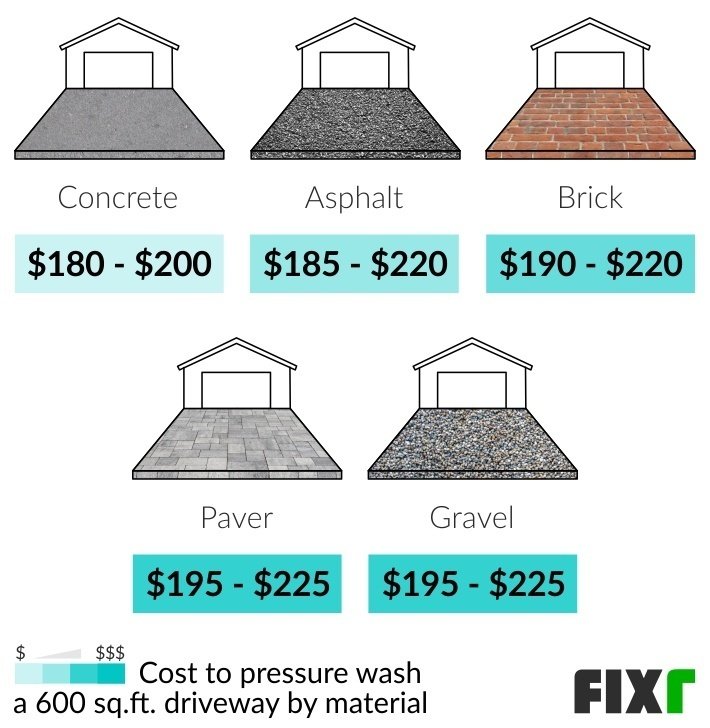
Not all driveways are cleaned the same way. Concrete is common and usually easier to wash. Asphalt needs a gentler approach. Pavers can take longer because dirt settles in joints, and too much pressure can damage sand lines or shift loose pieces.
Stamped concrete may also need special care. A skilled contractor will adjust the pressure and nozzle choice to protect the finish.
Level of dirt and staining
A driveway with light dust and pollen is faster to clean than one with oil, tire marks, mold, rust, or leaf stains. Deep stains may need pre-treatment, dwell time, scrubbing, or a second pass. These extra steps add labor and chemicals.
Oil stains are a common surprise. Basic pressure washing often removes surface dirt but does not fully erase oil that has soaked into the material. In some cases, a stain remover or degreaser is needed before washing.
Local labor rates and service area
Prices vary by city and region. Areas with higher labor costs, busy demand, or long travel distances often see higher quotes. If a contractor must drive far to reach your home, travel fees may be added.
Season also matters. Spring and early summer are busy for exterior cleaning, so prices may be higher than in slower months.
Water access and setup
Easy access to an outdoor water spigot makes the job simpler. If the contractor has to bring extra water, use a water tank, or work around limited access, the cost may rise. Difficult setup can also take more time.
This is one of those details people often forget to ask about. A driveway with poor access can look cheap to clean from the outside, but setup time can change the quote quickly.
Add-on services
Some pressure washing companies include only surface cleaning. Others offer extras such as:
- Pre-treatment for stains
- Degreasing for oil spots
- Mold and algae treatment
- Rinsing nearby sidewalks
- Sealing after cleaning
These extras can improve the final look, but they also raise the total cost. If you want the lowest possible price, ask what is included in the base quote.
Pressure washing methods and why they matter
Not every driveway is cleaned with the same tools. The method used can affect both the final result and the price. Understanding the difference helps you compare quotes more accurately.
Credit: bobvila.com
Standard pressure washing
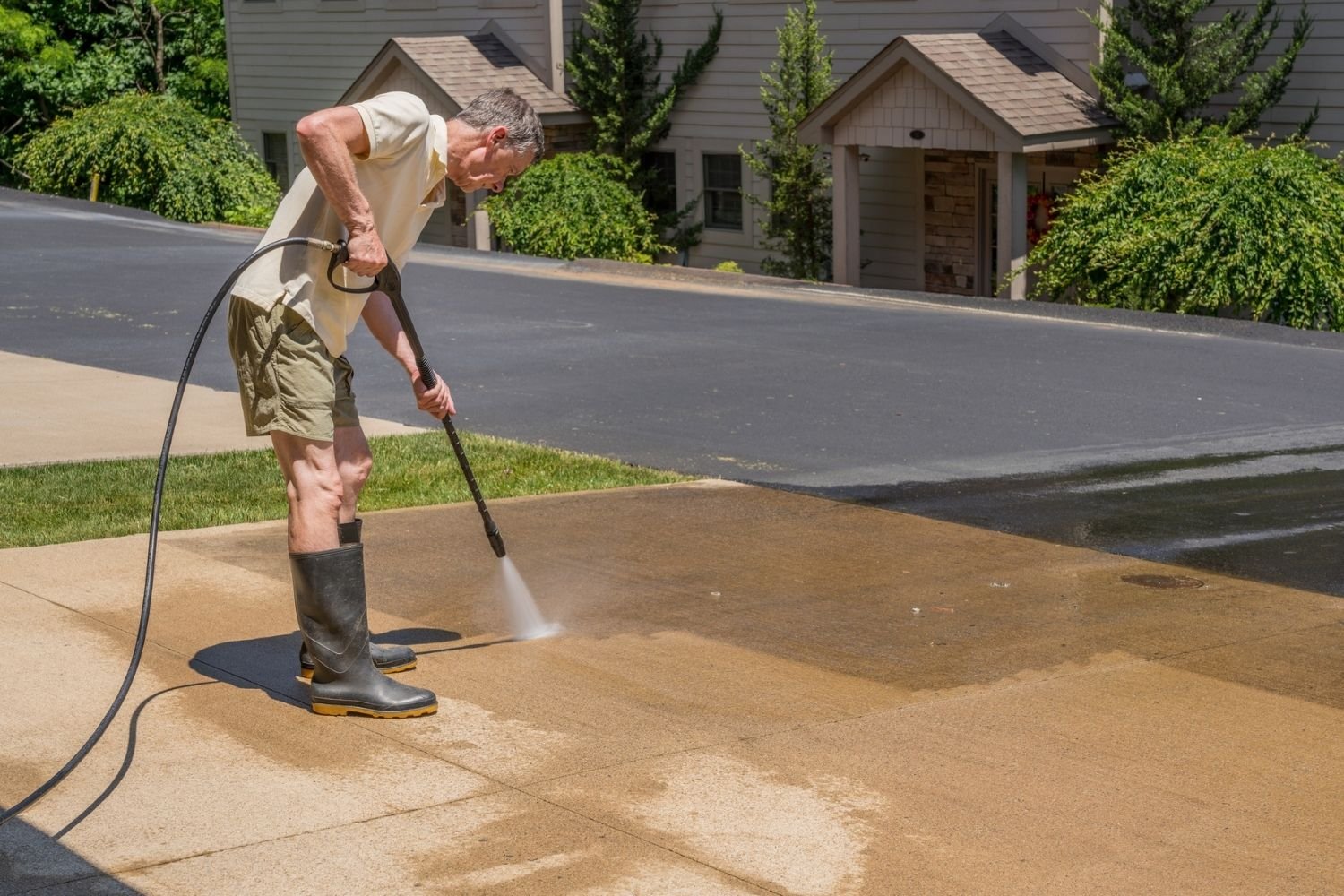
This uses high-pressure water to remove loose dirt, mildew, and grime. It works well for many concrete driveways, especially when the surface is in good condition. It is often the most affordable option.
Soft washing
Soft washing uses lower pressure with cleaning solutions. It is more common for roofs and siding, but it may be used on sensitive surfaces or to treat biological growth before rinsing. It is not usually the main method for concrete driveways, but it can be helpful for some materials.
Surface cleaning with a rotary cleaner
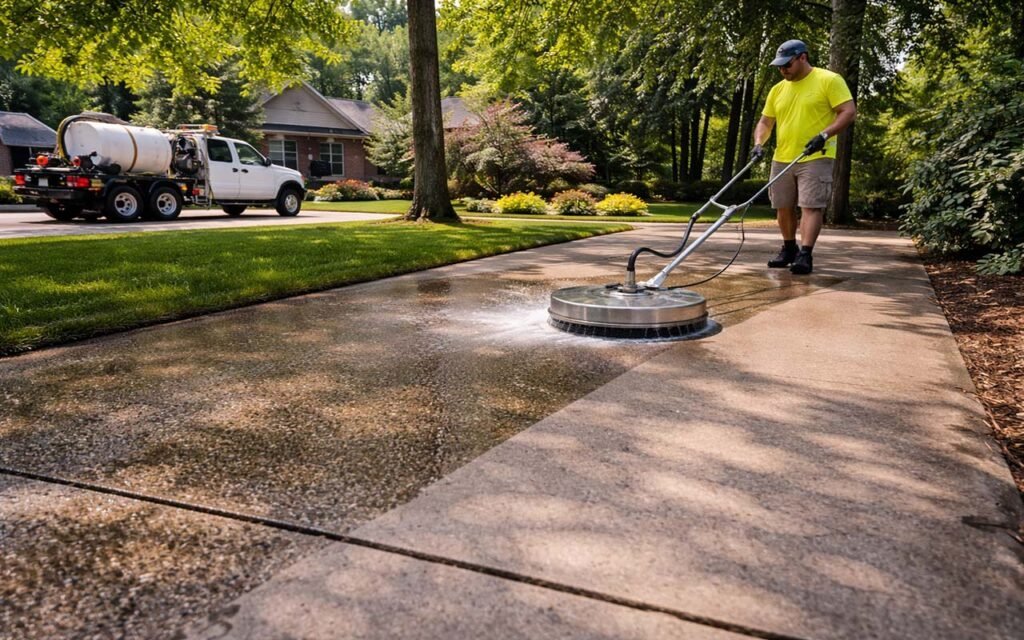
This is often the best method for driveways. A rotary surface cleaner has spinning nozzles under a round housing. It gives a more even clean and avoids the streaks that can happen with a regular wand. It also speeds up the work on larger areas.
Another detail many homeowners miss: a faster machine does not always mean a rougher result. In many cases, a professional surface cleaner gives a smoother finish than a DIY wand because it keeps pressure even across the entire slab.
How driveway material changes the job
The driveway surface does more than affect appearance. It also changes cleaning speed, water pressure, chemical use, and overall risk. That is why material is such a strong price factor.
Concrete driveways
Concrete is the most common and usually the easiest to clean. It can handle standard pressure if the surface is in good shape. However, older concrete may be brittle. If it has cracks or flaking, the cleaner must work more carefully.
Asphalt driveways
Asphalt is softer than concrete. It needs lower pressure to avoid damage. Since it is more sensitive, cleaning may take extra care and sometimes more time. That can increase the price a little.
Paver driveways
Pavers look great, but they often cost more to clean. Dirt collects between joints, weeds may grow between stones, and the sand can wash out if the pressure is too strong. A careful contractor may use lower pressure and more controlled cleaning. If the pavers are loose or uneven, the job becomes slower.
Brick driveways
Brick can be beautiful but delicate. Mortar joints and older brick surfaces need careful handling. The contractor must balance cleaning power with surface protection. That often means more time and a slightly higher cost.
What a professional quote usually includes
Before hiring anyone, ask what the quote covers. A clear estimate should explain what is included so you can compare companies fairly. Some quotes look cheaper only because they leave out basic services.
A solid quote often includes:
- Driveway surface cleaning
- Basic rinsing of dirt and debris
- Travel to the property within a normal service zone
- Use of standard pressure washing equipment
- Labor and setup
It may not include:
- Oil stain removal
- Rust treatment
- Sealing
- Cleaning of sidewalks or garage floors
- Extra fees for heavy buildup or hard access
If you want an accurate price, send photos before asking for a quote. Photos help the contractor see stains, cracks, slopes, and surface type. That can prevent surprise charges later.
When the price is higher than expected
Sometimes a homeowner gets a quote that feels too high. In many cases, there is a real reason behind it. The price may rise if the contractor sees one or more of these issues.
Credit: 615softwash.com
Heavy oil or grease stains
Driveways near garages or cars often collect oil. These stains can require special cleaning agents and more time. If the stain has been there for years, removal may only improve it, not erase it fully.
Mold, algae, and mildew
Dark green or black growth can make a driveway slippery and ugly. It often needs pre-treatment before washing. This adds steps, but it also helps prevent growth from returning too fast.
Rust and irrigation stains
Rust from metal items or orange staining from sprinklers can be harder to remove than dirt. These stains usually need targeted chemical treatment. Not every pressure washing company handles them the same way.
Damaged or aging surface
If the driveway has cracks, loose pavers, or surface erosion, the contractor may need to reduce pressure and work more slowly. That can increase labor time. In some cases, they may also warn you about areas that should not be washed aggressively.
DIY or hire a pro?
Doing it yourself can save money upfront, but it is not always the cheapest choice in the long run. Renting a pressure washer, buying detergent, and spending a full afternoon can still add up. More important, the wrong technique can damage the driveway or leave obvious streaks.
Here is a simple way to think about it:
- DIY works best for light cleaning, small driveways, and people who already know how to use a washer safely.
- Hiring a pro is better for large driveways, heavy stains, pavers, or older surfaces that need careful handling.
DIY often seems cheaper, but beginners can make mistakes such as using too much pressure, holding the nozzle too close, or cleaning unevenly. Those errors may create visible lines that are hard to fix. That is a hidden cost people do not always expect.
Ways to save money on driveway pressure washing
You do not need to choose between a clean driveway and a fair price. A few smart moves can lower your cost without cutting quality.
Get more than one quote
Prices can vary a lot between companies. Ask at least three local providers. Make sure each quote covers the same work so you can compare fairly.
Bundle services
Some companies offer a discount if you clean more than one surface at the same time. For example, you may save money by adding sidewalks, patios, or house washing to the same visit.
Schedule during slower seasons
If your area has busy spring and summer demand, consider booking during a slower month. Some companies give better rates when their schedule is lighter.
Prepare the area yourself
Move cars, pots, toys, and outdoor furniture before the crew arrives. Clear the driveway so they can start right away. This saves time, and some contractors appreciate it enough to keep the quote lower.
Handle light cleaning before calling
If the driveway only has loose dirt, a broom or leaf blower may help reduce the amount of work needed. Do not try to remove deep stains on your own unless you know the proper product to use.
Ask what stain treatment costs extra
Some providers charge separately for degreasing, rust removal, or mold treatment. If your driveway has only light dirt, you may be able to skip those add-ons and keep the job basic.
For homeowners who want a simple reference on safe cleaning methods and surface care, the U.S. Environmental Protection Agency offers helpful general guidance on water use and cleaning safety.
How often should you pressure wash a driveway?
Most driveways benefit from pressure washing once a year. Some may need it every six months if they sit under trees, get heavy vehicle traffic, or collect a lot of algae and dirt. Others may only need cleaning every 18 to 24 months.
The right schedule depends on climate, shade, and use. A damp, shaded driveway grows algae faster. A sunny driveway in a dry area may stay clean longer.
Regular cleaning can also reduce future cost to pressure wash driveway surfaces. When dirt and stains are allowed to sit too long, they become harder to remove. That means more labor and sometimes more chemicals.
Common mistakes that raise the bill
Many homeowners pay more than they need to because of small planning mistakes. Avoiding these can keep your project simple and affordable.
- Waiting too long and letting stains settle deep into the surface.
- Getting a quote without photos, which can lead to surprise charges later.
- Choosing the cheapest quote only, without checking what is included.
- Forgetting to ask about stain removal before the job starts.
- Not preparing the driveway, which can waste labor time.
A good quote should feel clear, not confusing. If the contractor avoids simple questions about pressure level, stain treatment, or surface protection, that is a warning sign.
Credit: fixr.com
What a fair price looks like in real life
For a standard two-car concrete driveway, a fair price is often in the $120 to $250 range, depending on local rates and staining. A small clean driveway may cost less. A large paver driveway with oil spots and algae may cost much more.
To judge a quote, ask yourself three questions:
- Does the price match the driveway size and condition?
- Does the quote explain what is included?
- Does the company seem experienced with your surface type?
If the answer to all three is yes, the price is probably reasonable. If not, keep shopping.
FAQs
How much does it cost to pressure wash driveway surfaces on average?
Most homeowners pay between $100 and $350 for a standard driveway pressure wash. Small jobs may be cheaper, while large driveways or heavy stain removal can cost more.
What is the cheapest way to clean a driveway?
The cheapest option is usually light DIY cleaning with a rented washer, but only if the driveway is small and not badly stained. For larger or delicate surfaces, hiring a pro can prevent costly damage.
Does pressure washing remove oil stains from a driveway?
It can reduce many oil stains, but deep or old stains often need a degreaser or special treatment before washing. Some long-set stains may improve but not disappear fully.
Why do paver driveways cost more to clean?
Pavers often take more time because dirt sits in the joints, and the surface must be cleaned carefully to avoid moving sand or damaging the joints. That extra care usually raises the price.
How can I lower the cost to pressure wash driveway areas?
Get several quotes, book during slower seasons, bundle services, and prepare the area before the crew arrives. Also ask which stain treatments are extra so you only pay for what you need.
