
If you are comparing cobalt vs titanium drill bit, the first thing to know is that these two bits are not made for the same kind of work. They may look similar at first, but their coating, material, heat resistance, and cutting power can be very different.
Many people buy the wrong drill bit because they focus only on the color or the price. That often leads to dull bits, broken tips, or slow drilling. If you want cleaner holes, longer tool life, and less frustration, it helps to understand what each bit is really good at.
In this guide, you will learn the key differences, the best uses for each one, and how to choose the right bit for wood, metal, stainless steel, and other hard materials.
What cobalt and titanium drill bits really are
Before comparing them, it helps to clear up one common mistake: cobalt drill bits and titanium drill bits are not the same kind of product. In many cases, the name tells you whether the bit is made with a coating or with the actual metal mixed into the bit.
Cobalt drill bits
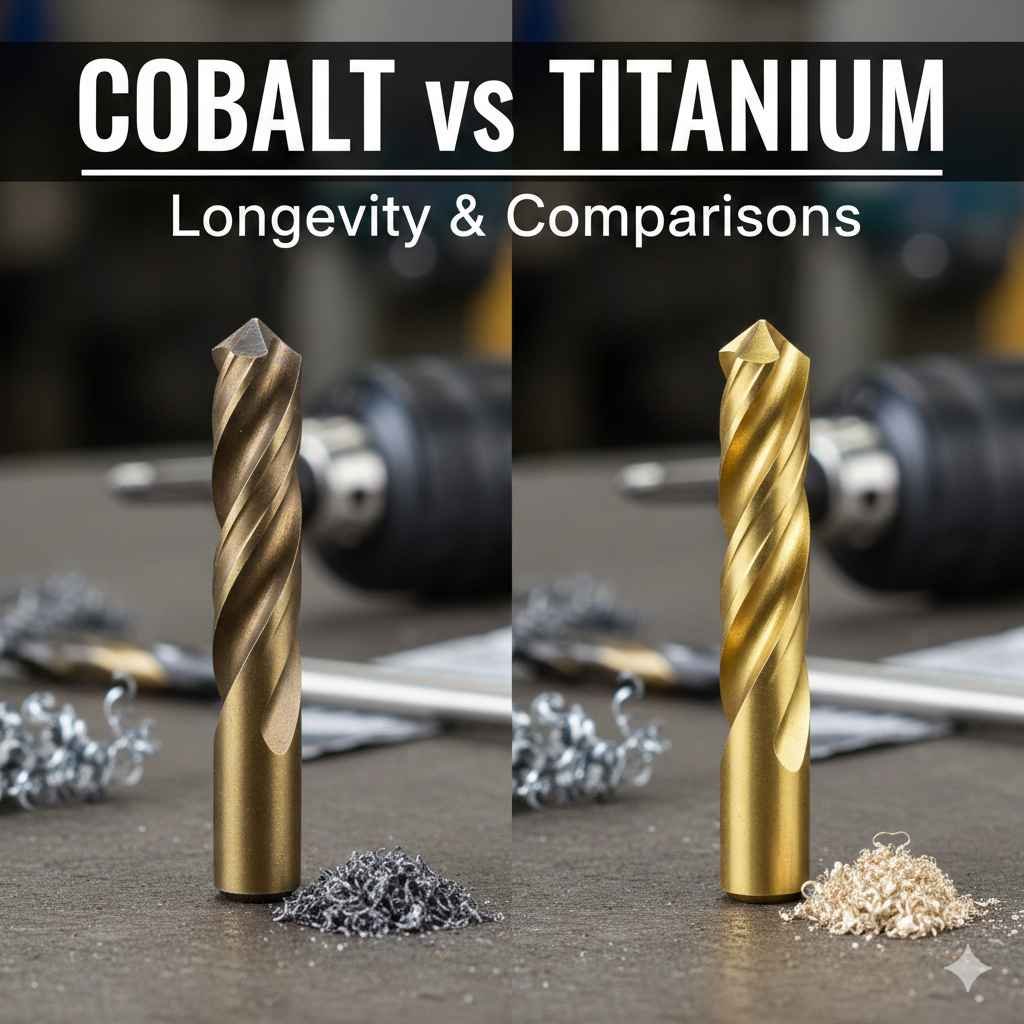
Cobalt drill bits are usually made from high-speed steel with cobalt added into the whole bit, not just the surface. This makes them tougher under heat and better for hard metals. They are often called m35 or m42 bits, depending on the cobalt amount.
The biggest strength of cobalt bits is heat resistance. When you drill hard materials like stainless steel, the bit gets hot fast. A regular bit may soften and wear out, but a cobalt bit can keep cutting longer.
Titanium drill bits
Titanium drill bits are usually high-speed steel bits with a titanium coating, often titanium nitride. That coating helps reduce friction and improves wear resistance. It gives the bit a gold color, which is why many people think the bit itself is titanium.
The coating can help the bit stay sharper for longer on softer materials. But once the coating wears off, the base bit underneath does the real work. This means the performance depends a lot on the quality of the steel under the coating.
The main differences between cobalt and titanium drill bit options
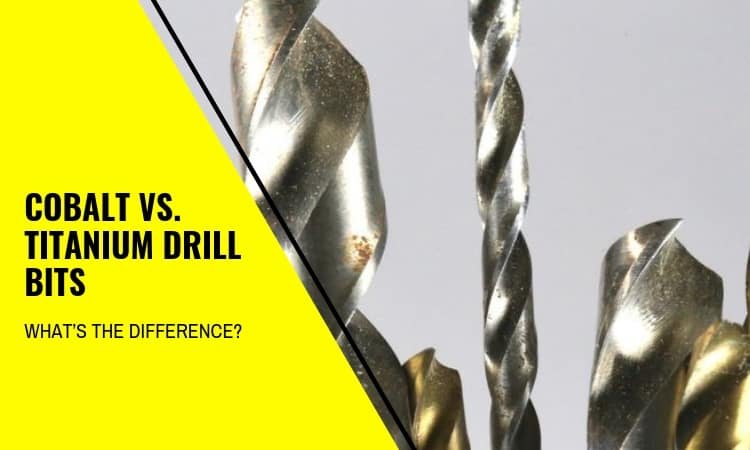
The easiest way to compare cobalt vs titanium drill bit types is to look at how they are built and what that means during real use.
| Feature | Cobalt drill bit | Titanium drill bit |
|---|---|---|
| Construction | Cobalt is mixed through the metal | Titanium is usually only a surface coating |
| Heat resistance | Very high | Good, but coating can wear down |
| Best for | Hard metals, stainless steel, repeated heavy use | Wood, plastic, soft metal, light to medium metal work |
| Durability | Excellent under heat and pressure | Good for general use, less ideal for extreme jobs |
| Price | Usually higher | Usually lower |
| Sharpening | Can be sharpened, but harder than standard bits | Depends on the base steel under the coating |
One small but important point: a titanium-coated bit is not “stronger” just because it has titanium in the name. The coating mainly helps with friction and wear. A cobalt bit is usually better when the real challenge is heat from cutting hard metal.
Heat is the real test
Most drill bit damage happens because of heat, not because the material is too strong on day one. If the bit overheats, the edge loses hardness and becomes dull fast. This is where cobalt often wins.
Another detail beginners miss is that a bit can fail even if it looks fine. A titanium coating may still look good while the cutting edge underneath has already worn out. So appearance is not a reliable way to judge performance.
Cutting edge life is different from coating life
Titanium bits often last well in lighter jobs because the coating reduces friction at the start. But after enough use, the coating wears away from the tip, especially if you drill hard metal or use too much speed. At that point, the real steel inside matters most.
Cobalt bits do not depend on a surface coating in the same way. Their heat resistance is built into the material, which is one reason they are trusted for tougher work.
Which one works better for different materials?
The best bit depends on what you are drilling. A bit that works beautifully in one material may be a poor choice in another. That is why the question is not just which bit is “better,” but which bit is better for your job.
Credit: updweller.com
For wood
For wood, titanium drill bits are usually the better value. Wood does not create the same heat problem as metal, so the main benefit is smooth cutting and long general-purpose life. Cobalt is not needed for most wood jobs.
If you drill wood often, look for a bit with a sharp point and good chip clearing. In wood, bit shape often matters more than the cobalt-versus-titanium choice.
For plastic
Titanium-coated bits are often fine for plastic, but you must use low speed and gentle pressure. Plastic can melt if the bit runs hot. A sharp standard bit can also work well here.
Cobalt is not usually the first choice for plastic because its strength is not really needed. In fact, an overly aggressive bit can make the hole messy.
For aluminum and soft metals
Titanium bits are a solid choice for soft metals like aluminum, brass, and thin sheet metal. They help reduce friction and give a smoother cut.
Cobalt can also drill these metals, but it is often more bit than you need. If you only do light metal work, titanium is usually the smarter buy.
For stainless steel
This is where cobalt drill bits stand out. Stainless steel is tough, and it creates a lot of heat. A titanium-coated bit may struggle, lose its edge, or wear quickly.
For stainless steel, many professionals prefer cobalt because it handles heat better and keeps cutting when the job gets demanding. If you drill stainless often, cobalt is usually worth the higher price.
For hardened steel and thick metal
Cobalt is the better pick for hardened steel, cast iron, and thick metal where the bit must stay sharp under pressure. These materials punish weak bits fast.
A useful rule is simple: if the material is hard enough to slow the drill noticeably, cobalt is often the safer choice.
Performance, speed, and pressure matter more than many people think
People often compare drill bits as if the bit alone decides the result. That is only partly true. Your drilling speed, pressure, and lubrication matter just as much.
Using a titanium bit too fast in metal can ruin it early. Using a cobalt bit with too much speed can also burn the cutting edge. The wrong technique makes both bits perform worse than they should.
Use slower speed on metal
When drilling metal, slower speed usually works better than high speed. High speed creates more heat. More heat shortens bit life. This is especially important for stainless steel and thick steel.
Use cutting fluid when needed
Cutting fluid or oil can make a big difference in metal drilling. It lowers friction and helps remove heat. That can extend the life of both cobalt and titanium bits.
One overlooked tip: if a bit starts squealing or smoking, stop and let it cool. Forcing it through the material usually does more damage than good.
Do not push too hard
More pressure is not always better. If you press too hard, the bit can overheat faster and the tip can chip. Let the bit cut at its own pace. This is one of the easiest ways to make any drill bit last longer.
How to choose the right bit for your job
If you want a fast answer, use this rule: choose titanium for general use and cobalt for hard metal. That simple idea will solve most buying decisions. But there are a few more details worth checking.
Credit: woodworkingadvisor.com
Choose titanium drill bits if you:
- Work mostly with wood, plastic, and soft metal
- Want a lower-cost general-purpose option
- Do not drill hard steel very often
- Need a bit for home repairs and light projects
Choose cobalt drill bits if you:
- Drill stainless steel, cast iron, or hardened steel
- Need better heat resistance
- Use drill bits often in demanding work
- Want longer life in tough metal applications
Think about how often you drill
If you only drill a few holes now and then, titanium bits may be enough. They are cheaper and work well for common tasks. But if drilling metal is part of your regular work, cobalt often saves money in the long run because it lasts longer in hard materials.
Here is a useful insight many beginners miss: buying the cheapest bit can cost more later if you keep replacing it. For hard metal, one good cobalt bit can often outlast several weaker bits.
Think about your drill press or hand drill
A stable drill press makes bit use easier because it keeps the hole straight and reduces side stress. Hand drills are more likely to wobble, especially in hard material. If your drilling is not very controlled, cobalt can still help because it tolerates tougher conditions better.
Still, even the best bit cannot fix poor alignment. A bent start angle or drifting hand can damage the cutting edge very quickly.
Common mistakes people make when buying drill bits
Many people do not get the best result from their drill bits because they shop by label only. That is a mistake. The words “cobalt” and “titanium” are helpful, but they do not tell the whole story.
Thinking titanium means the whole bit is titanium
This is one of the biggest misunderstandings. In many cases, titanium drill bits are steel bits with a titanium coating. The coating helps, but it does not change the whole body of the bit into titanium.
Using cobalt for every job
Cobalt is excellent for hard metal, but it is not always the best value for lighter work. If you mostly drill wood or plastic, paying extra for cobalt may not give you much benefit.
Ignoring the bit type behind the coating
A titanium coating on weak steel is still not a great drill bit. The base material matters. A well-made high-speed steel bit with a good coating usually performs better than a low-quality bit with a flashy name.
Drilling stainless steel like it is soft metal
This is another common mistake. Stainless steel needs patience, the right speed, and enough heat control. Without that, even a good bit can fail early.
What the color can and cannot tell you
Many drill bits are sold by color. Gold often means titanium coating. Dark gold, black, or bronze colors may point to different coatings or finishes. Cobalt bits are often darker and may look plain or blue-gray.
But color alone is not a reliable test. Some low-quality bits are colored to look premium. The smarter move is to check the material, the coating type, and the intended use.
If a product page only talks about color and never explains what the bit is made of, that is a warning sign.
How long each type usually lasts
There is no single answer because life depends on material, speed, pressure, and cooling. Still, in general, titanium bits last a long time in light jobs, while cobalt bits last longer in heavy metal work.
A titanium-coated bit may seem excellent for a while, especially in wood and soft metal. But when pushed into harder material, the coating can wear off and the base steel may dull sooner than expected.
Cobalt bits are often a better long-term investment for repeated drilling in stainless or other hard metals. They are less flashy, but they are built for endurance under heat.
Which one should you choose?
If you want the shortest possible answer, here it is:
- Choose titanium drill bits for general home use, wood, plastic, and soft metal.
- Choose cobalt drill bits for stainless steel, hardened steel, cast iron, and frequent metal drilling.
If you only buy one type for mixed household tasks, titanium is usually the more practical starting point. If you work with metal often, especially hard metal, cobalt is the better choice.
The real winner in the cobalt vs titanium drill bit debate depends on the material, the heat level, and how often you drill. The best tool is not the one with the most impressive name. It is the one matched to the job.
For more details on drill bit materials and standards, you can also review the guidance from McMaster-Carr, which is a trusted industrial supply source with useful product information.
Credit: ttp-hard-drills.net
FAQs
1. Are cobalt drill bits better than titanium drill bits?
Not always. Cobalt drill bits are better for hard metals and high heat, while titanium drill bits are better for general use, wood, plastic, and soft metal. The best choice depends on the material you are drilling.
2. Can a titanium drill bit drill stainless steel?
Yes, but it may wear out faster and struggle more than a cobalt bit. For occasional light drilling, it can work. For regular stainless steel work, cobalt is usually the better option.
3. Do cobalt drill bits need special care?
Yes. Use slower speed, steady pressure, and cutting fluid when drilling metal. Avoid overheating the bit. Good technique helps cobalt bits last much longer.
4. Are titanium drill bits real titanium?
Usually no. Most titanium drill bits are steel bits with a titanium coating. The coating helps reduce friction and wear, but the bit is not made entirely of titanium.
5. Which drill bit is best for beginners?
For most beginners, titanium drill bits are the easiest starting point because they are affordable and useful for many common home tasks. If you plan to drill hard metal, add cobalt bits to your toolkit later.
