
Choosing the right nailer can save a lot of time, reduce mistakes, and make your finished work look much better. But many people get stuck on one common question: 16 gauge vs 18 gauge nailer, which one is better?
The short answer is that both tools are useful, but they do different jobs. A 16 gauge nailer is stronger and leaves a bigger nail hole. An 18 gauge nailer is lighter on the wood and makes a smaller mark. That simple difference changes how each tool works in real projects.
If you are building trim, cabinets, furniture, or finishing a room, the wrong nailer can cause split wood, weak holding power, or too much filling work later. In this guide, you will learn the key differences, where each nailer works best, common buying mistakes, and how to choose the right one for your needs.
What really separates these two nailers
The biggest difference between a 16 gauge nailer and an 18 gauge nailer is the size of the nail they shoot. A 16 gauge nail is thicker. An 18 gauge nail is thinner. That sounds small, but it changes strength, surface damage, and the types of projects each tool handles well.
A 16 gauge nailer shoots finish nails that are stronger and better for heavier trim pieces. An 18 gauge nailer shoots brad nails that are slimmer and better for smaller or more delicate work. In many workshops, both tools are used often, not just one.
Nail size and holding power
Holding power matters when the piece needs to stay in place while glue dries or when the nail itself is doing most of the work. A 16 gauge nail has more steel, so it grips better. That makes it useful for thicker trim, baseboards, and medium-weight wood parts.
An 18 gauge nail is thinner and less visible, but it does not hold as strongly. It works well when the part is already supported by glue or when the goal is mainly to hold pieces in position during assembly.
Hole size and finishing work
The smaller the nail, the smaller the hole. This is one of the main reasons people choose an 18 gauge nailer. It creates a cleaner look with less filling and sanding.
A 16 gauge nailer leaves a bigger hole, so you will usually need wood filler or putty after nailing. That is not a problem for many projects, but it does add a step.
Material strength and split risk
Because a 16 gauge nail is thicker, it can split thin wood more easily. This is especially true near edges or on soft trim with narrow profiles. An 18 gauge nail is safer for thin stock and delicate moldings.
Here is a useful rule: the more fragile the wood, the more likely an 18 gauge nailer is the better choice. The thicker and heavier the material, the more useful a 16 gauge nailer becomes.
How each nailer performs in real projects
Specs are helpful, but real work matters more. The right choice depends on what you build most often. Below is a simple view of where each tool fits best.
| Feature | 16 Gauge Nailer | 18 Gauge Nailer |
|---|---|---|
| Nail thickness | Thicker finish nail | Thinner brad nail |
| Holding power | Stronger | Moderate to light |
| Visible hole | Larger | Smaller |
| Best for | Baseboards, crown, door casing, heavier trim | Small trim, paneling, thin wood, furniture details |
| Risk of splitting | Higher on thin pieces | Lower on delicate pieces |
| Finish work needed | More filling | Less filling |
When a 16 gauge nailer is the better tool
A 16 gauge nailer is a strong choice for finish carpentry. It is often used for:
- Baseboards
- Door and window casing
- Crown molding
- Heavier trim boards
- Cabinet face frames in some cases
This tool gives better grip when the piece has some weight. If you are working in a room where trim needs to stay flat and tight, the stronger nail helps. It is also useful when you want fewer fasteners but better holding strength.
One thing beginners often miss is that a 16 gauge nailer can reduce movement in wider trim pieces. A thin nail may hold the piece at first, but a heavier molding can shift over time if the nail is too small or too short.
When an 18 gauge nailer is the better tool
An 18 gauge nailer shines in lighter work. It is a favorite for:
- Small trim and shoe molding
- Paneling
- Decorative pieces
- Craft projects
- Furniture assembly
- Thin boards that split easily
It is especially useful when appearance matters more than strength. The smaller nail hole blends in better, and repair work is easier to hide.
Another detail many people miss is that an 18 gauge nailer can be faster to finish on visible work because you spend less time filling holes. That may seem minor, but on long trim runs, it can save a lot of time.
Strength, finish quality, and ease of use
If you only look at power, the 16 gauge nailer wins. If you only look at surface quality, the 18 gauge nailer often wins. But there is more to the choice than that.
Credit: nailerguy.com
Strength versus appearance
For hidden or semi-hidden joints, strength may matter most. For decorative work, a cleaner finish matters more. That is why a 16 gauge nailer is common in trim work, while an 18 gauge nailer is common in fine detail work.
Think of it this way: if the nail has to do more work, choose 16 gauge. If the wood and glue already do most of the holding, choose 18 gauge.
Weight and control
Many 18 gauge nailers are smaller and lighter. That makes them easier to control, especially overhead or in tight spaces. If you are installing trim near a ceiling or working on detailed furniture, comfort matters.
A 16 gauge nailer is still manageable, but it often feels bulkier. Over a full day of work, that difference can become noticeable.
Noise and bounce
Both tools make noise, but the feel is different. A 16 gauge nailer usually has a firmer strike. An 18 gauge nailer tends to feel softer because the nail is smaller. That can make the lighter tool easier to use on delicate work.
Keep in mind that too much pressure, the wrong air setting, or the wrong nail length can still cause bounce or surface marks with either tool. A cleaner result depends on both the tool and the setup.
Common projects and the best nailer for each
Picking the right nailer becomes easier when you match it to the project. This is where many buyers make a mistake: they buy based on general advice instead of the actual work they plan to do.
Baseboards and casing
For most baseboards and door casing, a 16 gauge nailer is often the better choice. It gives stronger hold on larger trim pieces. If the trim is narrow or soft, you may need to place nails carefully to avoid splits.
Crown molding
Crown molding can go either way depending on size and material. A 16 gauge nailer is common for medium and large crown pieces. For smaller decorative crown or thin profiles, an 18 gauge nailer may be safer.
Cabinet work
For cabinet face frames, decorative panels, or light assembly, an 18 gauge nailer is often enough. If you are fastening heavier parts or larger face-frame sections, a 16 gauge nailer gives more confidence.
Furniture and hobby work
Furniture projects often benefit from an 18 gauge nailer because it leaves a cleaner look and reduces the chance of splitting thin stock. This is a big reason why woodworkers keep one nearby.
Paneling and small trim
For paneling and small decorative strips, the 18 gauge nailer is usually the better fit. The nails are less visible and less likely to damage the face of the material.
What beginners often get wrong
Many first-time buyers think a stronger nailer is always better. That is not true. The best tool depends on the wood, the project, and the finish you want.
Here are mistakes that come up often:
- Using a 16 gauge nailer on very thin trim and causing splits
- Using an 18 gauge nailer on heavy baseboards and getting weak hold
- Choosing nail length that is too short for the material thickness
- Ignoring compressor or battery power needs
- Forgetting that glue and nails work best together on many projects
One important point: nail size is only part of the story. Nail length matters too. A short 16 gauge nail may still hold poorly in thick material. A long 18 gauge nail may still not give enough grip in a heavy trim board. Match both the gauge and the length to the job.
Credit: bradnailer24h.com
Another detail people miss: wood type changes the result
Soft woods like pine split more easily, even when you use the correct nailer. Hard woods may need more power and better nail placement. This means the same nailer can behave differently from one material to another.
If you work with mixed woods often, an 18 gauge nailer can feel safer for delicate trim, while a 16 gauge nailer helps when stronger fastening is needed in denser boards.
How to choose between them for your own work
If you are buying only one nailer, start with the one that matches your most common task. That is the simplest and smartest approach.
Choose a 16 gauge nailer if:
- You do a lot of trim or finish carpentry
- You install baseboards, casing, or crown molding often
- You want stronger holding power
- You do not mind filling slightly larger nail holes
Choose an 18 gauge nailer if:
- You work with thin or delicate wood
- You build furniture or small projects
- You want a cleaner surface with less filling
- You need a lighter, easier-to-handle tool
If you can buy only one, what should it be?
For most homeowners and general trim users, a 16 gauge nailer is often the better first buy because it handles more demanding jobs. It is more versatile for common household trim work.
For hobby woodworkers, detail builders, and people who care most about a near-invisible finish, an 18 gauge nailer may be the better first choice.
The best answer to 16 gauge vs 18 gauge nailer is not “which is better overall?” It is “which is better for the work you do most often?”
Battery, pneumatic, and practical buying points
The gauge is the main question, but the nailer type also matters. You can find both gauges in pneumatic and battery-powered versions. Each has its own strengths.
Pneumatic nailers
Pneumatic nailers are powered by air. They are often lighter in the hand and can be very reliable. But they need a compressor and hose, which means less freedom to move around.
Battery-powered nailers
Battery models are easy to carry and faster to set up. They are great for job sites and quick home projects. The tradeoff is that they can be heavier and sometimes more expensive.
If you want to learn more about safe nail gun use, the OSHA nail gun safety guidance is a useful source.
Depth adjustment matters more than many buyers expect
Whether you choose 16 or 18 gauge, make sure the nailer has easy depth adjustment. A nail that sits too high looks bad. A nail that drives too deep can damage the wood. Good depth control often matters as much as the gauge itself.
Can one nailer replace the other?
Sometimes yes, but not perfectly. There is overlap, and many people do use one tool for more than one job. Still, each tool has limits.
An 18 gauge nailer can handle some trim work, but it will not replace the stronger hold of a 16 gauge nailer on heavier pieces. A 16 gauge nailer can do more jobs than people expect, but it may leave too much damage on delicate work.
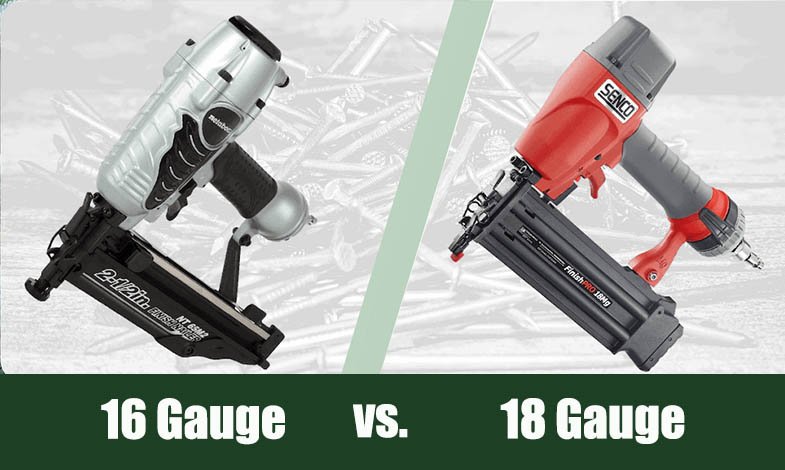
If you are building a small tool set, the safest path is often to own both over time. Many professionals do exactly that. They use the 18 gauge nailer for detail and the 16 gauge nailer for heavier finish work.
Credit: housegrail.com
Simple final choice guide
Here is the easiest way to decide:
- Pick 16 gauge if you want stronger hold and work on medium to heavy trim.
- Pick 18 gauge if you want a smaller hole and work on thin, delicate, or decorative pieces.
- Pick both if you do a lot of finish carpentry and furniture or trim work.
If you are still unsure, think about your most common project from the past year. That project usually tells you which nailer will give you the most value.
In short, the 16 gauge vs 18 gauge nailer choice is not about one being better in every case. It is about matching the tool to the wood, the look you want, and the strength your project needs. Once you understand that, the decision becomes much easier.
FAQs
1. Which is stronger: a 16 gauge or 18 gauge nailer?
A 16 gauge nailer is stronger. It uses thicker nails, so it gives better holding power for heavier trim and finish work.
2. Which nailer leaves a smaller hole?
An 18 gauge nailer leaves a smaller hole. It is better when you want a cleaner finish and less filling work.
3. Can I use an 18 gauge nailer for baseboards?
Yes, but only for light or narrow baseboards. For most standard baseboards, a 16 gauge nailer is the safer and stronger choice.
4. Is a 16 gauge nailer good for furniture?
It can be, but an 18 gauge nailer is often better for furniture because it is gentler on thin wood and leaves smaller marks.
5. If I buy only one nailer, which should I choose?
For general home trim and finish work, a 16 gauge nailer is usually the better first choice. For delicate woodworking and cleaner visible surfaces, choose an 18 gauge nailer.
